Discover the power of 4 H: Opportunities for youth and volunteers across Michigan
 Print
Print Email
EmailExploring the clubs, programs and leadership opportunities available in 4 H.
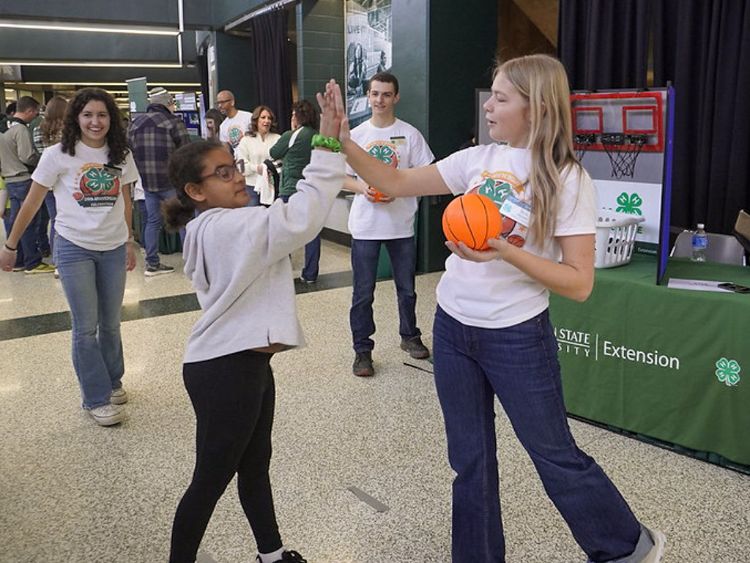
Did you know that more than 137,000 young people across Michigan took part in 4‑H in the last program year? Youth ages 5-19 participate in programs in cities, suburbs, rural communities and farms throughout the state. Some engage in short‑term experiences, while others stay involved year‑round—there’s a space for everyone in Michigan 4‑H.
Cloverbuds: Learning through exploration (ages 5–7)
Our youngest members, known as Cloverbuds, thrive through hands‑on learning, friendship‑building, and age‑appropriate exploration. The focus at this stage is participation—not competition.
Cloverbuds might:
- Learn about nutrition by preparing healthy snacks.
- Care for a rabbit while discovering responsibility.
- Plant and nurture seeds, then harvest vegetables or herbs.
- Try simple recipes using foods they’ve grown.
These experiences help children learn by doing, supported by peers and caring adults.
Members: Hands-on learning
4‑H members, ages 8–19, take an active role in selecting their projects and setting personal goals, all while building confidence through hands‑on learning. Their projects can cover almost any topic—from horses to robotics, public speaking to environmental education—allowing youth to explore current interests and even discover their spark.
Activities at this age level may include:
- Daily livestock care
- Weekly project meetings
- Contests and fun events.
- Exhibiting work at the county fair.
Along the way, youth develop lifelong habits through the process of choosing goals, working toward them and experiencing the accomplishment of success. With guidance from caring adults, they strengthen life skills, confidence and project‑specific abilities through age‑appropriate activities. As members progress in their clubs, many are eager to share what they’ve learned, serve as role models for younger youth, and often take on leadership roles as teen leaders.
Teen leaders: Growing through leadership
Cloverbuds are guided by parents, volunteers and older 4‑H members. Youth ages 13 and up often take on that important role of guiding Cloverbuds by serving as teen leaders. Teen leaders support younger members, lead project activities and build meaningful peer‑to‑peer mentoring relationships.
Through this leadership, teens develop:
- Communication skills.
- Confidence in guiding others.
- Responsibility and teamwork.
- A mindset of service and mentorship.
Proven impact: How 4‑H helps youth thrive
According to the 2021 Tufts University Longitudinal Study of Positive Youth Development, compared to their peers, 4‑H youth are:
- 2x more likely to say they plan to be leaders.
- 3x more likely to be active in community service.
- 2x more likely to report living with purpose and intention.
4‑H helps young people build life skills, explore careers and improve their communities.
Types of 4‑H Clubs
Michigan 4‑H offers three primary club types—each designed to fit different family schedules, project interests and volunteer talents.
Community (general) clubs
These year‑round clubs offer a variety of projects and activities, allowing youth to explore many interests. Project leaders collaborate with club leaders to support youth in meeting their goals. Members may participate in any project that interests them — they are not required to do everything the club offers.
Project clubs
Focused on one specific area, project clubs help youth deepen skills in subjects like horses, robotics, arts or gardening. These clubs may meet seasonally or throughout the year, depending on the project.
SPIN (special interest) clubs
SPIN clubs meet for a short time—typically 6–8 weeks—to explore a single topic through hands‑on learning. They’re ideal for:
- Busy families.
- Volunteers with limited availability.
- Retirees or seasonal residents.
- Local businesses wanting to introduce youth to a skill or industry.
After a SPIN club concludes, the group may end, continue or transition into a community or project club.
Get involved — youth and adults welcome!
Michigan 4‑H offers countless opportunities for youth and volunteers to learn, lead and belong. There is no enrollment fee, and your local 4‑H program coordinator can help you find the right club or opportunity in your area.
Michigan 4-H is part of Michigan State University Extension and you can find out more about becoming a 4‑H member or volunteer by contacting your local MSU Extension office to explore the option that’s right for you.