Alumni Spotlight: Kayla Young
 Print
Print Email
EmailKayla Young recently graduated from MSU's School of Packaging in May 2026. Passionate about innovation, Young developed PackAI, an AI-driven packaging software that allows users to visualize pallet and stacking configurations for products.
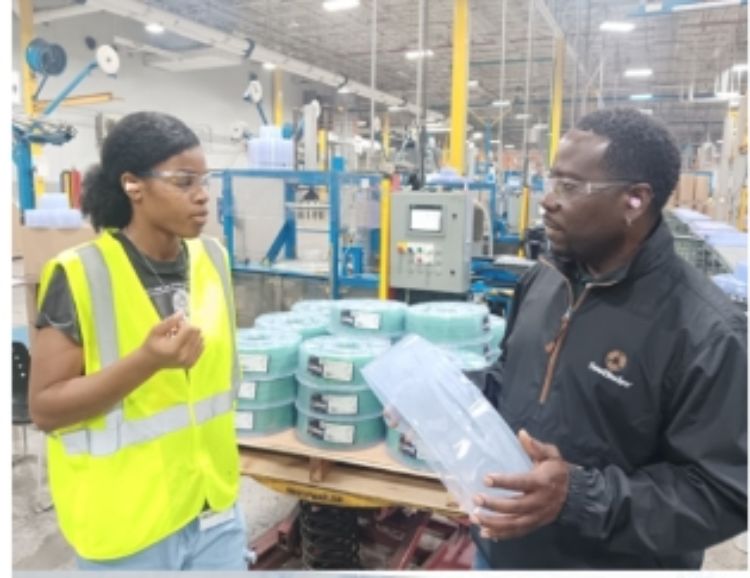
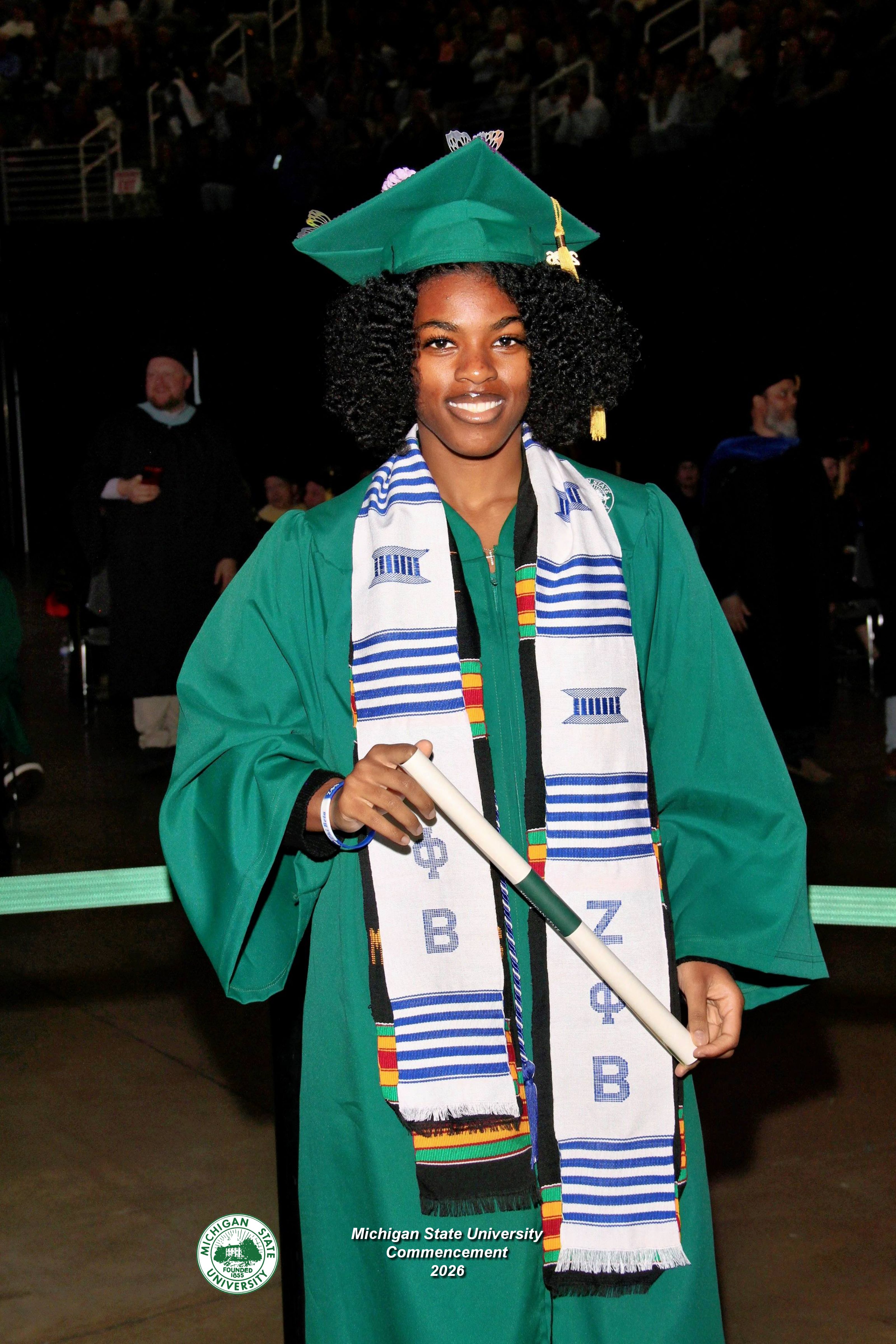
Kayla Young, recently graduated from Michigan State University’s School of Packaging in May 2026. Passionate about innovation, Young developed PackAI, an AI-driven packaging software that allows users to visualize pallet and stacking configurations for products. Initially geared towards the automotive industry, PackAI also has applications in the cosmetics and pharmaceutical industries as well. Young’s interest in AI for packaging began at MSU’s School of Packaging. The AI classes offered within the School of Packaging inspired Young to consider how she could improve the industry utilizing AI. Young is also a graduate of EcoTek Lab, based in Detroit, MI. Ecotek Lab is an entrepreneurship program that helped develop her business and innovation skills while bringing the PackAI concept to life. In 2026, she will present PackAI at the AutoPack Summit in South Carolina, showcasing its potential to improve packaging and logistics decisions through AI-powered visualization. Young will also be recognized as a Rising Star nominee, highlighting her innovative contributions to the future of packaging. We recently spoke with Young about PackAI, her experiences at Michigan State University, and her vision for the future.
How did your experience at School of Packaging set you up for success in your career after graduation?
"My experience at the School of Packaging gave me a strong technical foundation while also teaching me how to approach problems from a systems and customer-focused perspective. Through coursework, laboratory experiences, team projects, and hands-on work, I learned how materials, design, manufacturing, sustainability, logistics, and cost all connect within a packaging system. I also gained experience using industry tools and software, including ArtiosCAD and CAPE.
One solution. Whether I was working on packaging optimization, sustainability assessments, or product development, of the most
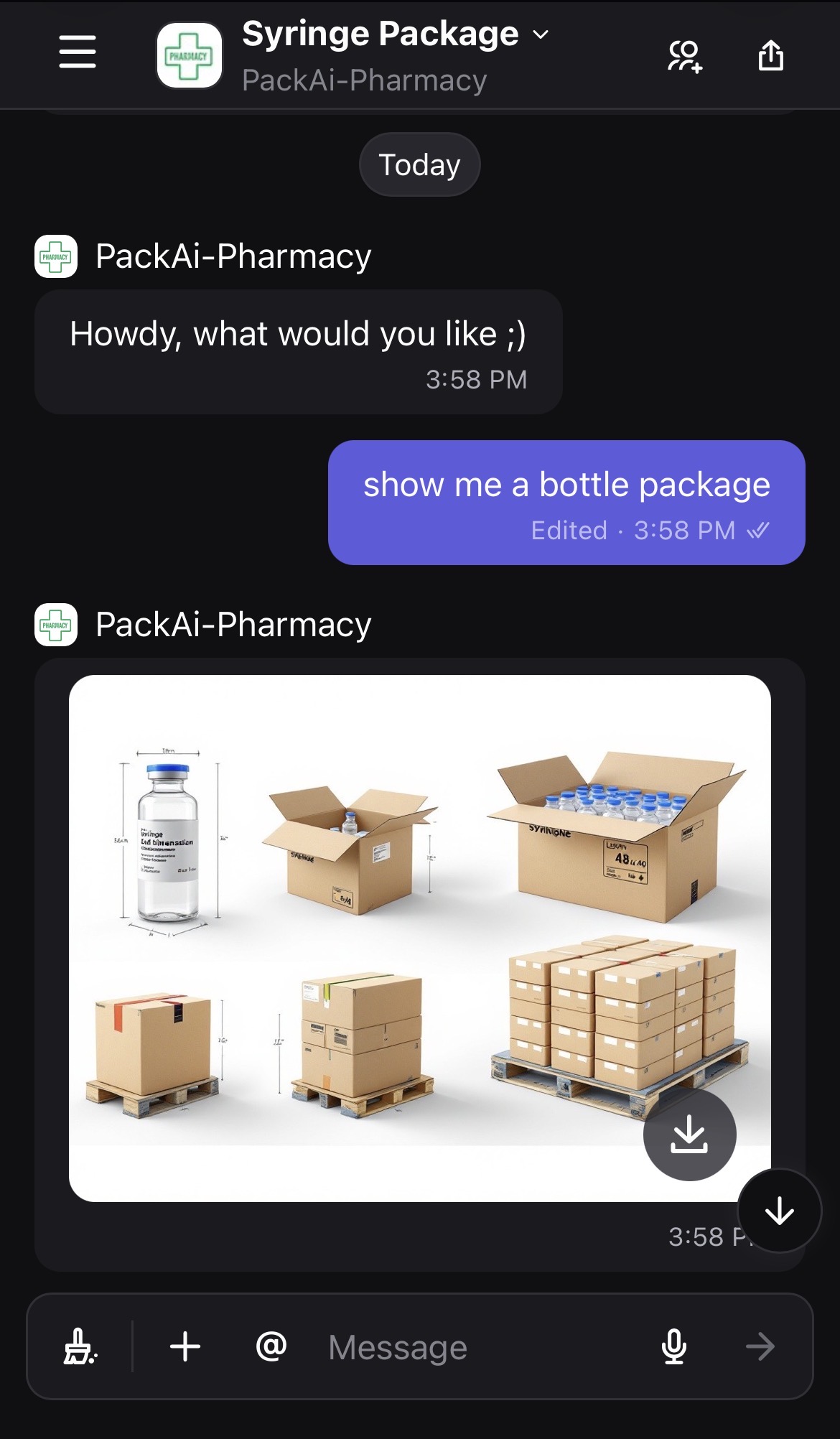
valuable parts of the program was learning how to take an open-ended problem and turn it into a practical The School of Packaging challenged me to think critically, communicate effectively, and defend my decisions."
Why did you choose Michigan State University’s School of Packaging?
"I chose Michigan State University’s School of Packaging because I wanted to pursue engineering in a field where I could combine creativity, science, and problem-solving. Packaging immediately stood out to me because it touches almost every industry, from healthcare and automotive to food, electronics, and consumer products.
The more I learned about packaging, the more I realized that it was much more than designing a box or container. It is an engineering discipline that can influence sustainability, accessibility, manufacturing, transportation, and the overall customer experience. That realization confirmed that I had chosen the right field."
What advice do you have for current School of Packaging students?
"Take advantage of every opportunity you can. The School of Packaging is a small and unique community, so build relationships with your professors, classmates, alumni, and industry professionals. Don't be afraid to ask questions, introduce yourself, or reach out to someone whose career interests you.
I would also encourage students not to limit themselves to only what is required for their classes. Get involved in organizations, research, internships, competitions, and projects that allow you to apply what you're learning. Your experiences outside the classroom can become some of the strongest parts of your resume. And don't underestimate yourself. You belong in the room, even when you're still learning."
What kind of impact do you hope to have as a MSU School of Packaging graduate?
"As an MSU School of Packaging graduate, I want to represent the program by being someone who continues to innovate, mentor others, and create opportunities for the next generation of packaging engineers. Ultimately, I want my work to demonstrate that packaging can be both high-performing and responsible while creating meaningful value for businesses, consumers, and society.
I also hope to help broaden people's understanding of what packaging engineers can do. Packaging has an enormous influence on sustainability, supply chains, product safety, accessibility, and business performance, yet the role of packaging engineering is often overlooked."