Brewing awareness for Michigan waters and invasive species
 Print
Print Email
EmailMichigan Clean Boats, Clean Waters and Trail Point Brewing Co. set to host “Aquatic Ales” event focused on preventing aquatic invasive species in our waters.
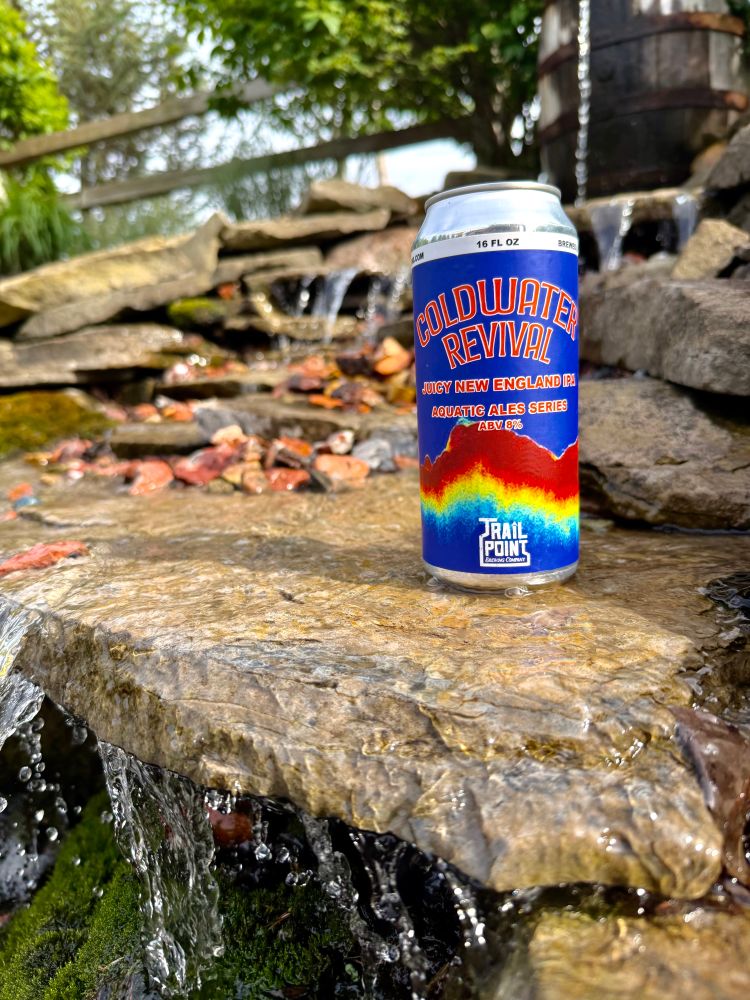
For the fourth year, Michigan State University Extension’s Clean Boats, Clean Waters program and Trail Point Brewing Co. are working to educate Michiganders about invasive species through new and engaging ways. Over the last few years, several educational ales, including cans like “Native Waters” and “Starry Stonewort Ale,” have been created to raise awareness for protecting our waterbodies from aquatic invaders.
This year’s educational ale, Coldwater Revival, focuses on protecting our coolwater species, such as the ever-popular lake whitefish. To celebrate this collaboration, Trail Point Brewing Co. is hosting an educational, family-friendly community event on Saturday, June 6, from 12 – 5 PM in Allendale. The event will include Coldwater Revival — both on tap and canned — local conservation group booths, games and prizes, live music, and much more for adults and youth alike.
Aquatic invasive species and our waters
Aquatic invasive species, or “aquatic hitchhikers,” are non-native species that can cause harm to the economy, environment or human health. Invasive species are no strangers to the Great Lakes and have been sighted in our waterways since the early 1800s. While many regulations have been put in place, invasive species still spread through outlets like boaters and anglers, accidental bait release, and the pet and ornamental trade. Michigan invasive species that you may have heard of include Eurasian watermilfoil, zebra mussels, hydrilla and sea lamprey.
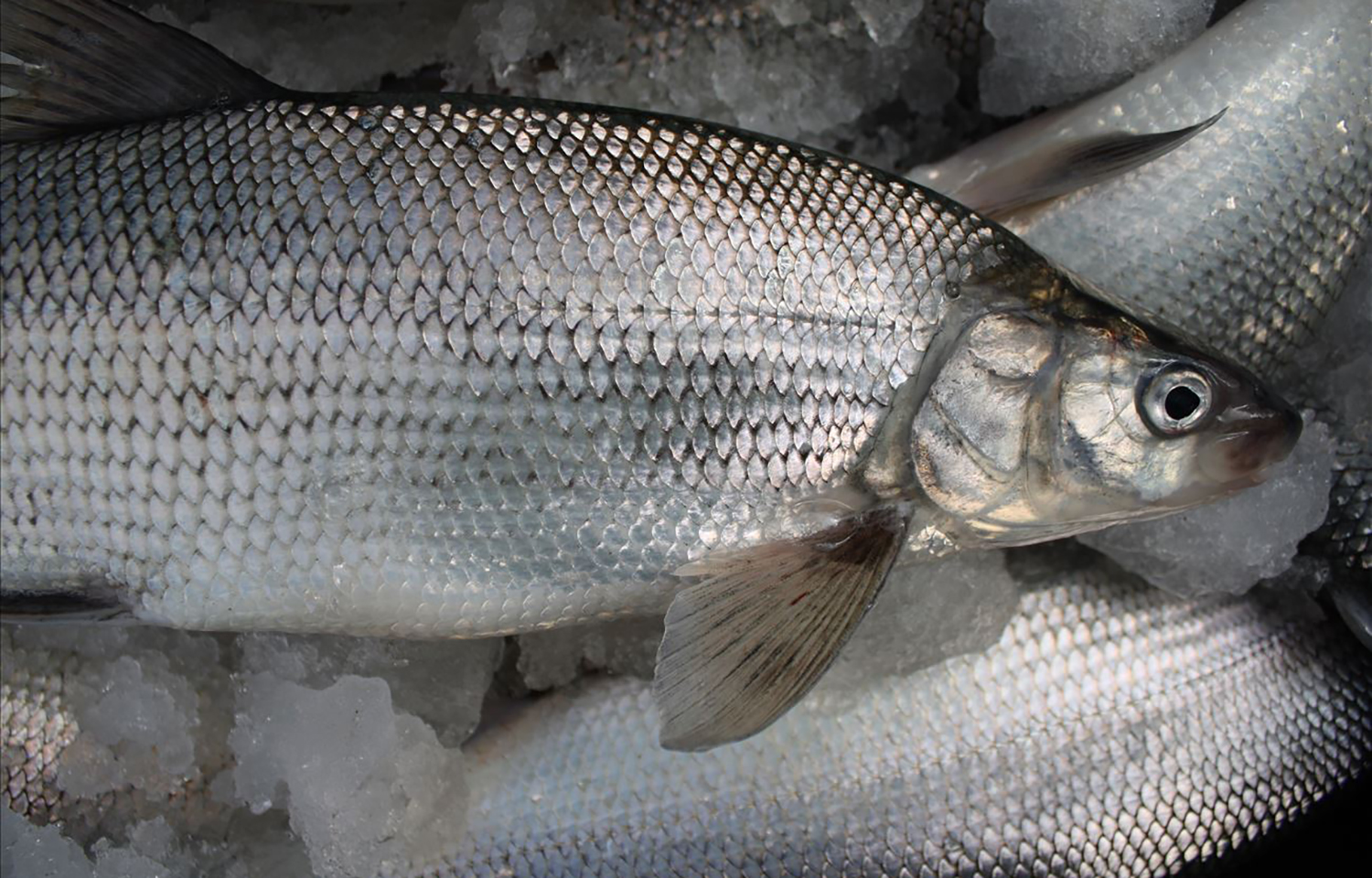
Invasive species can outcompete for food and habitat, cause water quality issues and be a nuisance to those enjoying our waterbodies. Coolwater fish, like the lake whitefish, can experience negative effects from invasive species like zebra and quagga mussels. These mussels not only outcompete for food sources like zooplankton, but can also cover the lakebed, affecting spawning habitats. Programs like the Great Lakes Commission SWIM Project are currently assessing localized mussel control efforts to improve spawning habitats for our native fish.
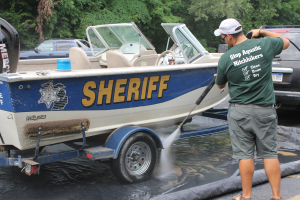
However, there is good news! There are several easy steps Michigan recreators can take to protect their local waterbodies. Michigan Clean Boats, Clean Waters spreads the message of “Clean, Drain, Dry” to all recreators as three easy steps they can take to prevent invasive species. Current state regulations require boaters and anglers to clean all boats, trailers and gear by removing mud, debris and plant material before launching or pulling a watercraft, and drain all live wells, bilges and ballast tanks from boats before leaving the site. Lastly, while this step is not required, it is recommended to dry all boats and equipment before leaving an access site or allow them to dry outside for five days before your next lake visit.
Brewing up change
Access to clean water is vital for Michigan residents, our ecosystems, health and economy. Local businesses, like Trail Point Brewing Co, also rely on clean water to provide quality craft beer to Michigan residents. Through new and engaging educational collaborations, like the Aquatic Ales Series, we aim to reach a wider range of Michigan recreators to share the importance of the Clean, Drain, Dry prevention steps.
It is with this mission in mind that Michigan Clean Boats, Clean Waters and Trail Point Brewing Company have joined forces for the third time to raise awareness of aquatic invasive species prevention and protecting our waterbodies.
More information on aquatic invasive species and prevention can be found on the MSU Extension Clean Boats, Clean Waters website, Facebook (@MichiganCBCW), or Instagram (@michigan_cbcw).
Questions about invasive species or this program can be addressed to Kelsey Bockelman, MSU Extension water resources educator, at bockelm4@msu.edu.