Campaign to rejuvenate the MSU Japanese Garden gains momentum
 Print
Print Email
EmailDonations will be used to make critical structural repairs, ensuring this tranquil community space remains available for future generations to enjoy.
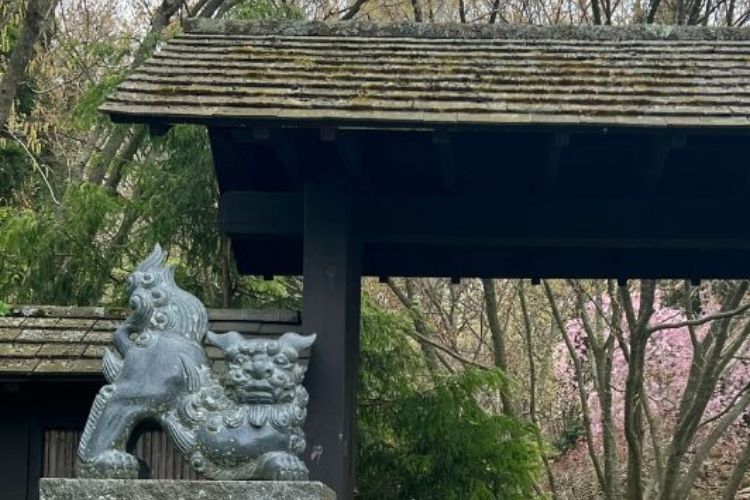
For more than three decades, visitors have enjoyed the peaceful tranquility of the MSU Japanese Garden. Tucked away on South Campus as part of the Clarence E. Lewis Landscape Arboretum, the calming landscape of the Japanese Garden has provided a place for reflection, rejuvenation and community connection.
But after all these years, critical repairs and enhancements are needed at the garden to revitalize this beloved campus space and keep it available for future generations. In February, a fundraising initiative was launched with a goal of raising $25,000 to support vital infrastructure upgrades at the MSU Japanese Garden. The campaign is nearly 30% toward its goal, with continued support needed to move the project forward.
Real solutions, not temporary fixes
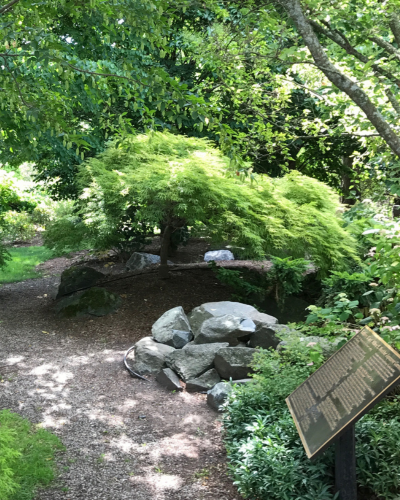
The Japanese Garden is just one part of the diverse 14-acre landscape that makes up the MSU Horticulture Gardens. Attracting an estimated 100,000 visitors annually, this network of gardens promotes an understanding of the role of plants in our environment, while providing a place for education, events and community programming.
Originally built in the 1990s as part of the Horticulture Garden’s move to South Campus, the initial goal of the MSU Japanese Garden was to demonstrate different landscape types to the public, while inspiring new teaching efforts at MSU, said Mason McNair, assistant professor in the Department of Horticulture and curator of the MSU Horticulture Gardens.
McNair said meeting the fundraising goal would make it possible to address long‑term infrastructure issues at the garden, from fading paint and deteriorating wood structures to muddied gravel pathways and a leaking roof.
“Much of our infrastructure has simply reached the end of its natural lifespan,” said McNair. “This funding gives us the chance to move from short‑term patching to thoughtful, long‑term reinvestment. It will allow us to enhance safety, accessibility, and the overall visitor experience in ways that honor the garden’s legacy while preparing it for the next generation.”
Restoration and renewal
Using a multi‑phased approach, the renovation will first focus on the most urgent needs with an emphasis on improved safety, including replacing seating and restoring the deck, before moving on to additional enhancements.
If funding goals are achieved, McNair hopes to have the full restoration project completed by the end of 2027. This includes enhancing the quality and appearance of the garden’s plant collection, replacing the roof, updating signage, repainting, repairing water features and upgrading gravel borders.
McNair also aims to expand the garden’s educational and community outreach mission. As part of this project, he said they hope to offer dedicated internships so students can gain project-based experience in applied horticulture while contributing to the garden restoration initiative.
As the project progresses, Arboretum Manager Brian Gayheart said he envisions additional opportunities for community programming and events at the garden. While there has been interest in utilizing the garden for gatherings and group activities, such as yoga, meditation and other wellness-related classes, these have been constrained by the current infrastructure limitations.
“Most visitors refer to the Japanese Garden as the most peaceful and tranquil location in the Horticulture Gardens,” said Gayheart. “With this funding support, these enhancements can help us expand future community engagement, gatherings and events.”
Funds from this campaign will enable the MSU Horticulture Gardens to purchase necessary supplies and complete the work needed in a timely manner. To make a gift or learn more about this fundraising project, visit the MSU Japanese Garden CrowdPower campaign page.
You can learn more about the MSU Horticulture Gardens here.