Coming home to help Gratiot County 4-H grow
 Print
Print Email
EmailAfter returning to the community where she grew up, Gratiot County 4-H program coordinator Ashley Foster has focused on rebuilding relationships, expanding hands-on opportunities and helping more young people find a place in 4-H.
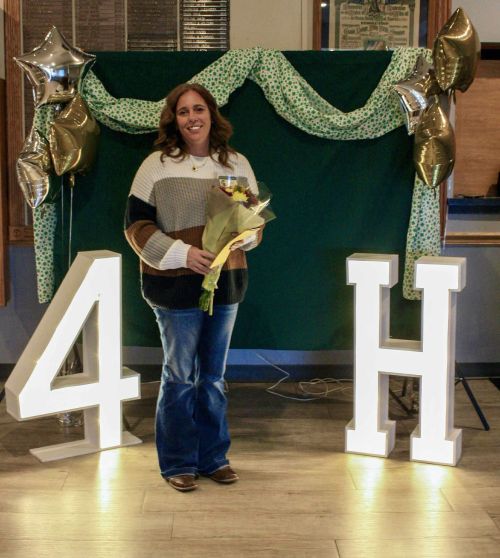
Before Ashley Foster held a community event at the Gratiot County Fairgrounds last fall, people warned her not to feel discouraged if only a few families attended.
Similar events had been attempted before, she was told, and attendance had sometimes been limited.
Instead, approximately 150 to 200 people came.
For Foster, who had recently returned to the area where she grew up to become the Michigan State University Extension Gratiot County 4-H program coordinator, the turnout confirmed what Foster had been hearing from the community: people wanted more programming.
“At that point, it was like, ‘Okay, we’re doing something right. People are noticing,'” Foster said.
The event included families who were already connected to Michigan 4-H, as well as people experiencing the program for the first time. It also reflected the approach Foster has taken throughout her first year: listen to the community, remain visible, and offer activities based on what young people and families say they want.
That approach is helping create renewed energy around Gratiot County 4-H. Enrollment has grown to more than 400 members this program year.
Returning to familiar roots
Foster had not originally expected to return to where she grew up. However, when the Gratiot County 4-H position became available, she felt she needed to pursue it.
“I never thought that I would come back to [the county] that I grew up in, and my life shifted and changed,” Foster said. “So when this position came available, I couldn’t turn it down. I had to give it a chance.”
Returning brought back memories of Foster’s own experiences in 4-H. It also allowed her to reconnect with family members and community relationships while bringing experience from her previous work with 4-H.
After several program coordinator changes in recent years, Foster focused on being present and rebuilding relationships with people in the county.
“My biggest goal was just to be present,” she said. “I wanted to make my presence known and start rebuilding a relationship with the people around us.”
Instead of replacing the traditions already valued by local families, Foster wanted to build upon them while introducing new opportunities.
Kate Thiel, a Gratiot County 4-H parent, volunteer, 4-H Council member and 4-H alum, said Foster’s combination of professional experience and personal familiarity with the county has helped her connect programming to local needs.
“She’s got this background and experience in the 4-H community that helps her understand the robust offerings that are available,” Thiel said. “Because she has been connected to this community and has relationships here, that can really help her determine what is a good fit.”
Creating more ways to participate
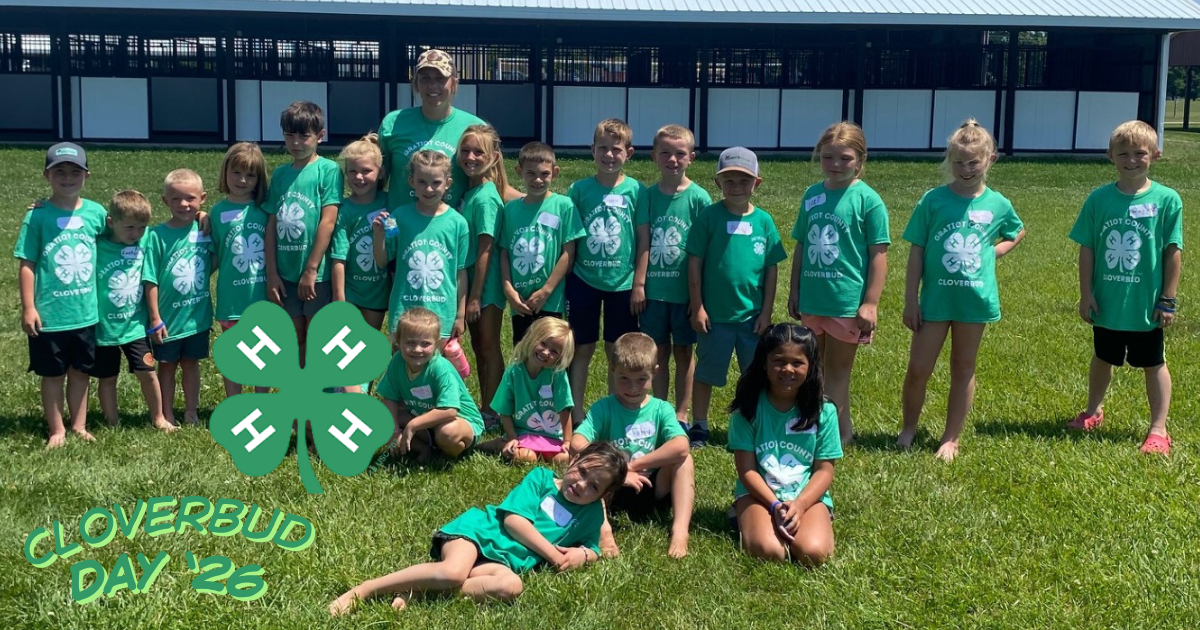
One of Foster’s priorities has been helping families understand that young people can do so much more than raise animals to participate in 4-H.
“The biggest thing that I keep trying to get out to people is that you don’t have to live on a farm,” Foster said. “It’s leadership. It’s civic engagement. It is growing and helping these kids thrive into being functioning members of society later on in life.”
Over the past year, Gratiot County 4-H has held workshops on woodworking, photography, sewing, cookie decorating, jelly making and food preservation, and epoxy jewelry making with flowers.
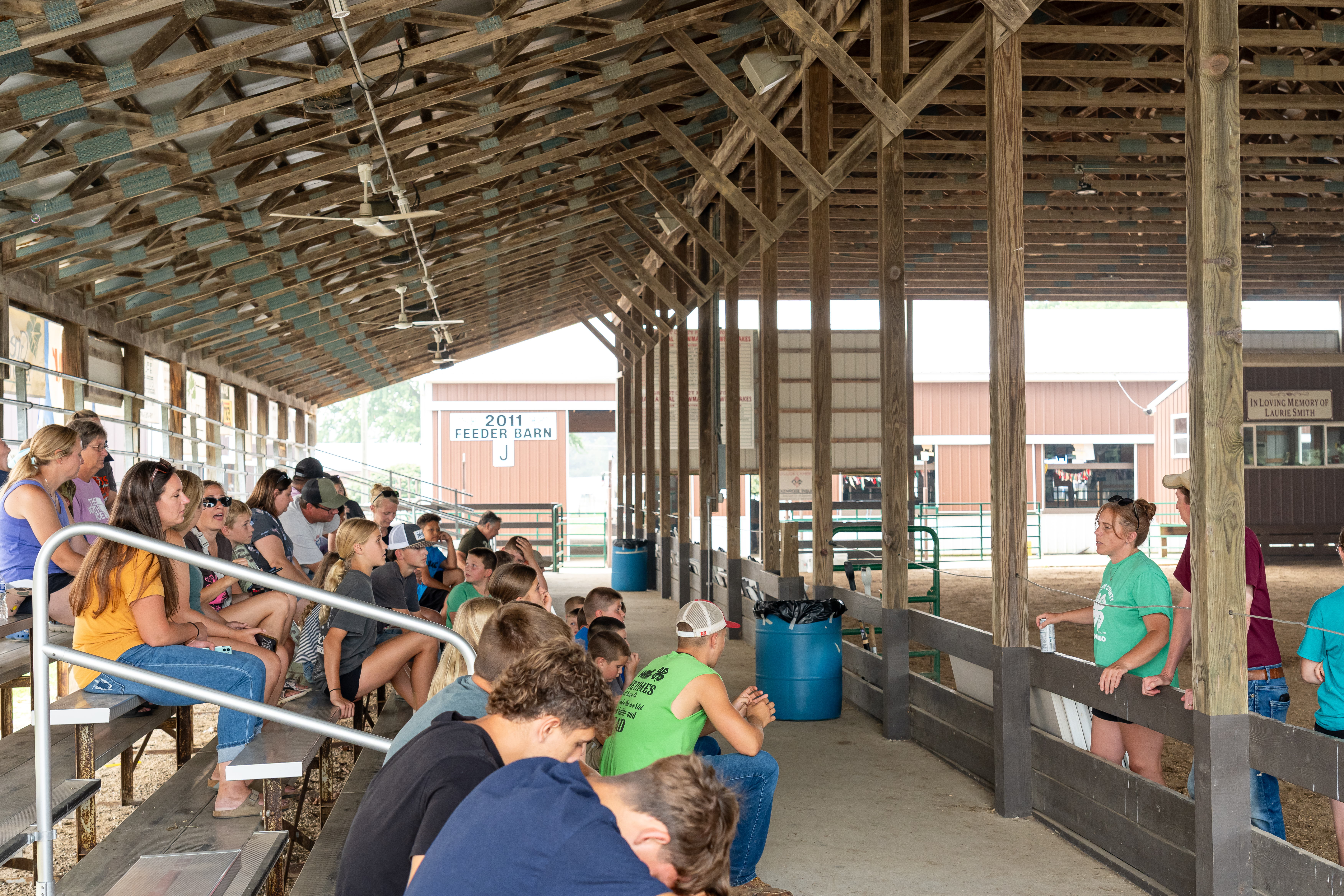
The program has also offered animal demonstrations featuring rabbits and cavies, poultry, swine, sheep and goats, cattle, cats and pocket pets. Foster organized the sessions after surveying families and learning that many young people wanted additional guidance on showing their animals.
However, some of the program’s most noticeable growth has come from activities that families may not immediately associate with 4-H.
A Pokémon special-interest club, for example, has attracted young people who may not have previously believed that 4-H offered something for them. Although participants come because they are interested in Pokémon, Foster said they also spend time crafting, creating and practicing public speaking.
“We’re crafting, we’re creating, we’re learning public speaking,” Foster said. “The kids get to tell their stories and talk about all the things that they like.”
Thiel has also noticed the program reaching beyond its traditional audience.
“Not only are we doing some new and different things, but we’re also attracting some different folks who maybe didn’t know that 4-H was for them or could be for them,” Thiel said.
Learning without knowing it
The subjects covered during workshops are important, but Foster believes the deeper impact often comes from the skills young people develop along the way.
She recalled two young brothers who initially seemed quiet when they began attending activities such as cookie decorating. Later, they participated in a parliamentary procedure training where youth practiced making and supporting motions.
Foster said their confidence grew and that they became more willing to participate. They continued attending other activities, including the Pokémon club, and one was later recognized as a Gratiot County 4-H member of the week.
“They hold themselves a little differently,” Foster said. “They’re wanting to participate. They’re exactly what we want to see happen.”
Foster said the workshops help young people develop confidence and skills that can benefit them later in life.
“These kids are learning things, and they don’t even know that they’re learning things,” she said. “I might be teaching them Pokémon, but they’re learning confidence and skills that are going to help them so much later in life.”
Thiel has witnessed similar benefits in her own children, who are currently participating in the younger 4-H program.
She said 4-H has helped them develop responsibility, form friendships outside their school district and learn how to care for something beyond themselves. The program also gives young people opportunities to meet adults and community partners who may introduce them to interests or careers they did not previously know existed.
Thiel experienced that herself. Her childhood involvement in 4-H led to an interest in livestock and agriculture, eventually influencing what she studied in college.
“It not only provides an opportunity to see this bigger picture, but also to start to see, ‘Where do I fit?’” Thiel said. “It provides them with skills for the future, but sometimes it connects us to the right folks so that we can be successful in whatever that career path might be.”
Making opportunities accessible
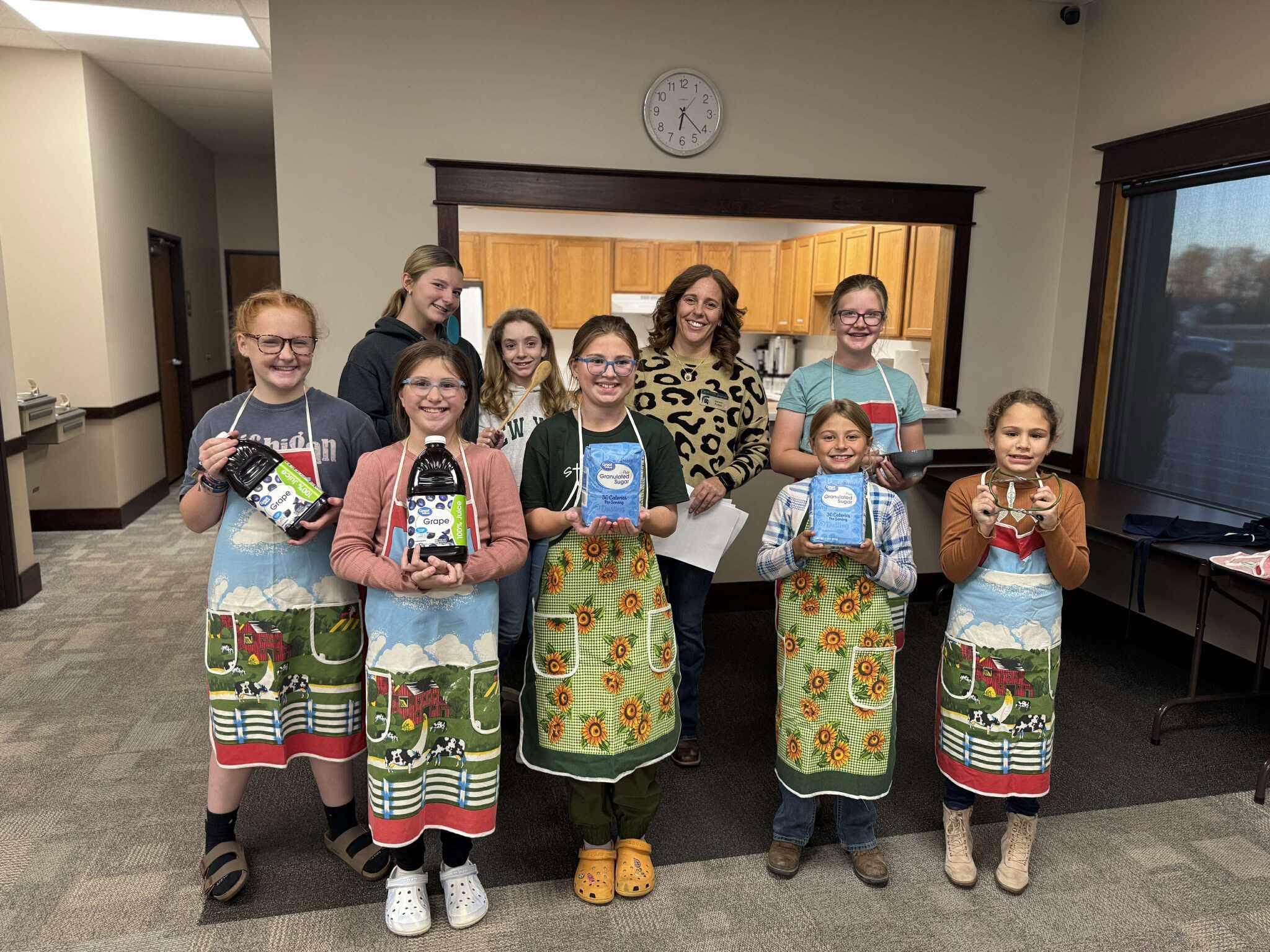
Gratiot County 4-H enrollment is free, and Foster tries to keep individual workshops free or available at a minimal cost.
A sewing workshop, for example, may cost $5, with materials and sewing machines provided. Foster said she does not want families to purchase expensive equipment simply to determine whether their child enjoys an activity.
Through donations from community members, the program has received several sewing machines. Foster hopes young people may eventually be able to borrow them through a system similar to checking out a library book.
Foster said families should let her know if the $5 fee is a barrier because she wants every child to have an opportunity to participate.
One idea Foster is considering is a “horseless horse” project area, which would allow young people to learn about horses even if they cannot afford one or do not have space to care for one.
For Thiel, accessibility is especially important in rural communities, where families may face long travel distances, limited transportation and fewer affordable activities.
“We want to set our youth — those next generations — up for success,” Thiel said. “We can nourish all four of the H’s: their head, their hands, their heart and their health, and really help them prosper into their futures.”
Building a program families can trust
Foster’s work has extended beyond scheduled workshops. She has attended community events, worked with the public library and responded to outreach from organizations such as Farm Bureau.
During one trip to purchase supplies, a community member recognized Foster’s MSU Extension shirt and mentioned a youth program Foster was holding that day.
For Foster, that small interaction showed that local residents were beginning to connect MSU Extension and 4-H with the activities happening around them.
“They’re connecting the dots,” she said. “That is the most exciting thing that I’ve dealt with so far while working here.”
Thiel said those relationships are especially meaningful after a period of turnover in the coordinator position.
“Sometimes folks don’t care how much you know until they know how much you care,” Thiel said. “Having someone who cares in a leadership role like this is super impactful.”
Families can see that Foster is listening, trying new ideas and working to ensure participants feel seen, heard and valued, Thiel said.
Thiel said people may be familiar with 4-H’s presence at the county fair without realizing how many additional opportunities MSU Extension provides throughout the year.
“4-H and Extension programming is so much more than a presence at the county fair,” she said. “There’s a huge community aspect, but there’s also a huge life-skill and accessibility component.”
Continuing the momentum
As Foster begins her second year, she hopes to continue expanding programming based on what young people request.
When a couple of youth asked for a hand-embroidery workshop, Foster said she did not know how to do it and did not know anyone who could teach it. She began learning the skill herself so the program could offer the activity.
“Even if it’s just a few kids, if that’s what they want to do, that’s what we’re going to make happen,” Foster said.
She is also seeing increased interest in larger 4-H experiences. Only one Gratiot County participant attended 4-H Exploration Days the previous year. At the time of Foster’s interview, six youth were attending, and she hoped participation would continue to grow.
Foster said she wants young people to discover their interests, build connections and develop skills that will help them contribute to their clubs and communities.
“I absolutely love my job, and I love Gratiot County,” Foster said. “The families, the 4-H kids and our members have made it very easy for me to like my job.”
As the fruits of Foster’s efforts become more and more visible, the results can be seen through growing enrollment, crowded community events and young people finding new places to belong.
To learn more about Gratiot County 4-H, visit the Gratiot County MSU Extension website. To learn more about Michigan 4-H, visit Michigan 4-H online.