David Douches' potato program awarded for 2026 Technology Transfer Achievement
 Print
Print Email
EmailDavid Douches Breeds Better Potatoes and a Sustainable Path to the Field
David Douches Breeds Better Potatoes and a Sustainable Path to the Field
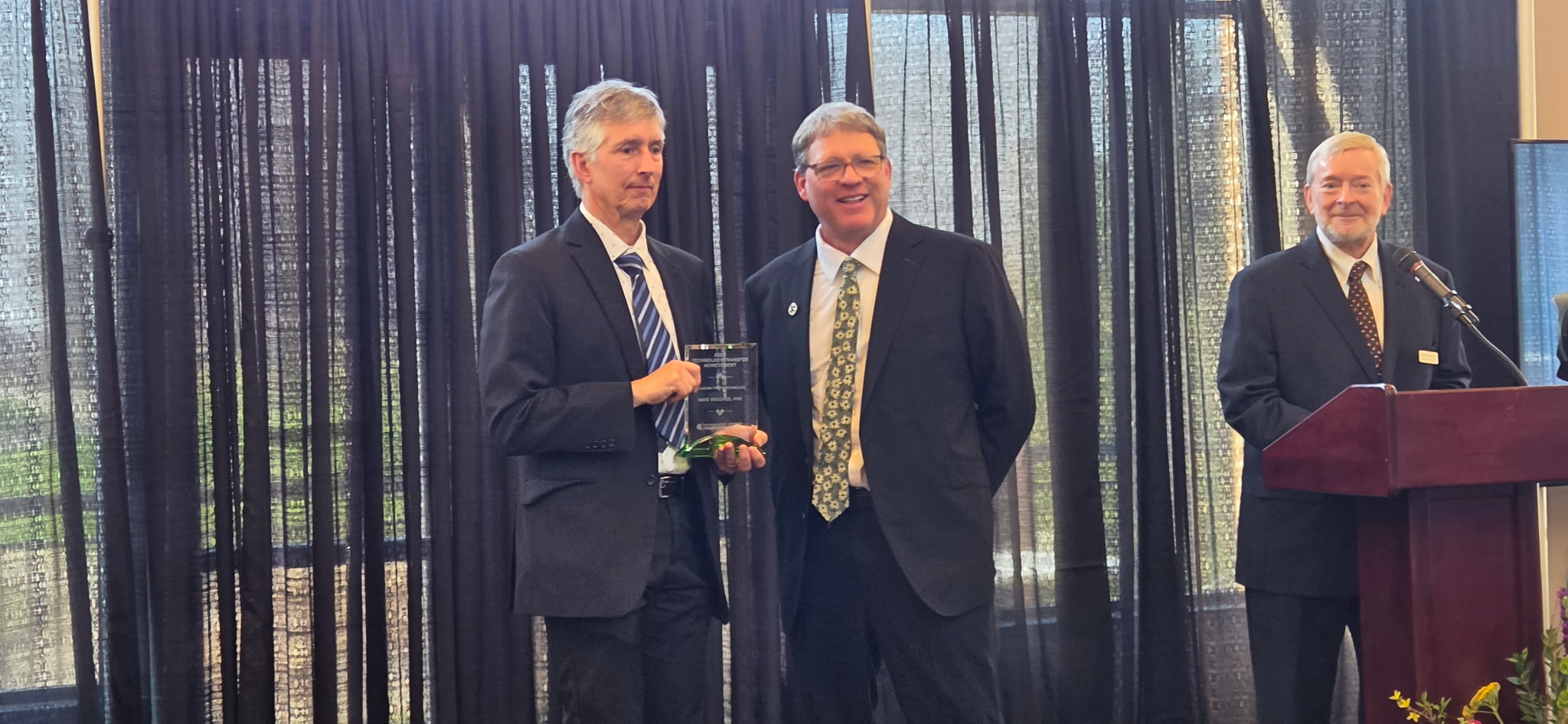
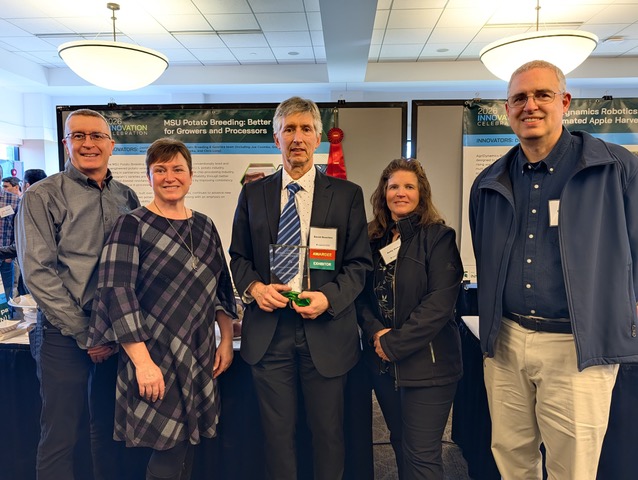
David Douches, Michigan State University (MSU) Distinguished Professor in the Department of Plant, Soil, and Microbial Sciences, summarizes plant breeding as a career-long mission: "We are the scientists behind the scenes, creating potatoes that are better for the farmers, better for the industry, and ultimately better for the consumer." His dedication to bridging laboratory discovery and agricultural application earned him the MSU Innovation Celebration Technology Transfer Achievement Award.
The potato ranks as the third-most-consumed staple crop globally, yet innovations to sustain it amid climate change often go unnoticed. "Plant breeding is a long-term game of incremental gains," says Douches. "Those small changes in germplasm drive the industry forward. My goal is to translate research into improved varieties that offer real economic resilience for growers."
Extending the Season: The "Manistee" Impact
A key marker of Douches’ success is the "Manistee" variety, now a staple for the potato chip industry. Before its release, Michigan’s storage window was much shorter.
"When I first arrived at MSU, potatoes were typically stored until March," Douches reflects. "Today, thanks to traits bred for resilience and storage quality, Michigan growers can store crops until July. This extension of the processing window ensures a steady supply of Michigan-grown potatoes until the fresh crop arrives and has transformed the economic landscape for local producers."
Manistee’s success was not just about starch content but resilience. During commercial testing, it endured intense seasonal stressors that caused other candidates to fail. "Manistee stood out because of its sheer resilience," Douches notes. "Seeing it thrive where others struggled confirmed its potential for a major industry release."
A Sustainability Feedback Loop
The impact of Douches’ work extends beyond the balance sheet and into the ecosystem. By breeding genetic resistance to pests and diseases, such as scab, late blight (the cause of the Irish Potato Famine), and the Colorado potato beetle, his program reduces reliance on chemical interventions.
"One of the primary benefits of Dave’s work is sustainability," says Sydney Everheart, Chairperson of the Department of Plant, Soil, and Microbial Sciences. "Breeding potatoes with natural resistance reduces the need for complex management and lowers chemical use, benefiting both the environment and farmers’ bottom line."
Everheart highlights the global "feedback loop" in Douches’ research. "The potato is a global crop. Dave has sent material to nearly every continent for testing. Collaborating with small-scale family farmers worldwide provides insights that improve commercial systems right here in Michigan. It’s a translational model that affects human life on a basic, fundamental level."
The Next Frontier: The Diploid Breakthrough
While Douches has spent decades perfecting tetraploid breeding, he is now optimistic about the "next generation" of potato innovation: diploid breeding.
Traditional potatoes are tetraploids with four sets of chromosomes. While tetraploid potatoes are often larger and more vigorous, their immense genetic complexity often makes breeding for specific traits slow and unpredictable. Moving to diploid breeding allows scientists to use modern genetic tools more effectively. By simplifying the genetics back to two sets, Douches is able to accelerate the development of resilient varieties and move the industry toward the use of disease-free, easy-to-transport "true potato seeds."
"Traditionally, potatoes are grown from vegetative tubers, which are bulky and risk disease transfer," Douches explains. "Our diploid program aims to enable 'true potato seed' production. This would transform how potatoes are produced and distributed, making breeding more efficient and accessible worldwide."
This forward-thinking mindset defines Douches as a true innovator. "He doesn’t just focus on past successes," Everheart adds. "He identifies problems, such as the limitations of tuber-based planting, and develops high-tech biological solutions that advance the entire field."
From Lab to Limited Edition: The "Blackberry" Potato
No breeder works in isolation, and Douches credits the MSU innovation ecosystem.
"The work we did a decade ago with MSU Technologies and Business Connect to establish partnerships with companies like Simplot is only now coming to full fruition," Douches says. "The tech transfer office helped us navigate the patent and licensing process, so our discoveries didn’t just stay in the lab but were able to make it into the hands of industry, and ultimately into the fields."
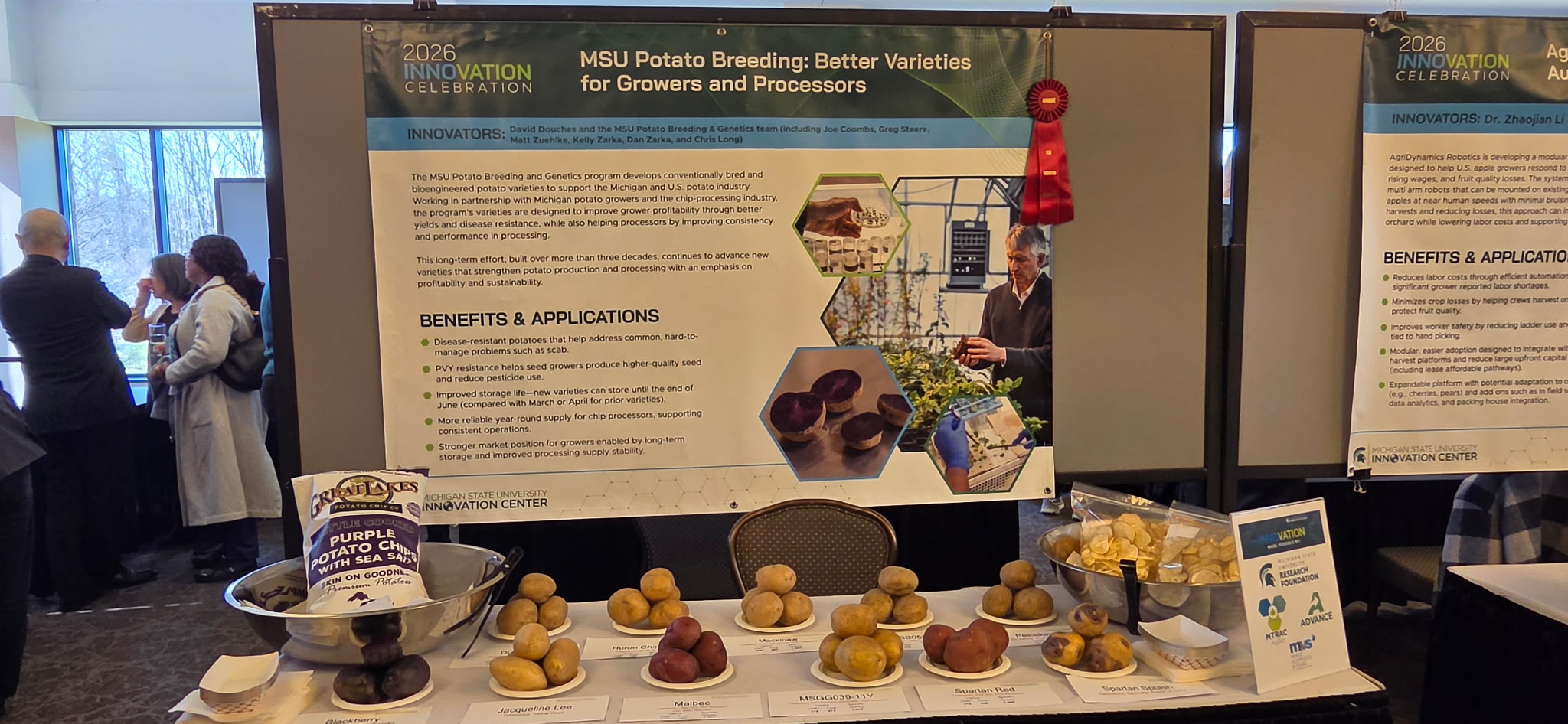
One of the most striking examples of technology transfer in action is the Blackberry potato. Developed over 20 years by Douches’ program, this specialty variety features a deep, signature purple flesh and skin that remains vibrant even after cooking.
Beyond its visual appeal, the Blackberry was bred for its health benefits; it contains a high concentration of anthocyanins, the same antioxidants found in actual blackberries and blueberries. Its journey from an experimental MSU plot to the shelves of grocery stores was made possible through a partnership with the Great Lakes Potato Chip Company, which used the variety to create a popular, limited-edition purple potato chip.
"The Blackberry is a great example of how we can breed for the consumer's plate," says Douches. "It’s not just about yield for the farmer; it’s about creating a product that is nutritious, visually exciting, and commercially viable for local processors."
A Career Measured in the Field
For David Douches, the Technology Transfer Achievement Award is a reflection of a life spent in the dirt and the lab, driven by a simple passion for a "great crop."
"I realized early in graduate school that potatoes were a fascinating challenge," Douches says. "But the real reward isn’t the award itself, it’s seeing a field of healthy plants you helped create. Knowing that a variety we bred secures a farmer’s family and delivers a better product to consumers is the true measure of tech transfer."
As Michigan State continues to lead the way in agricultural research, the "Douches Model" of translational science remains the gold standard. As Sydney Everheart concludes, "He has stayed relevant throughout his entire career because his work is rooted in helping others. That is how you have a deep, long-lasting impact on the world."