


Deworming recommendations for pasture-raised pigs in Michigan
 Print
Print Email
EmailParasites that persist in soil and pasture environments can affect pig health and growth, making parasite management an important part of outdoor pig production.
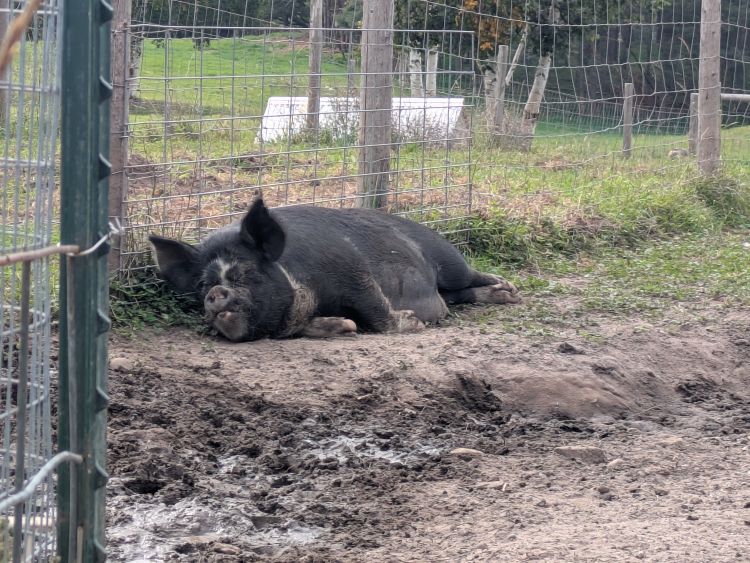
Internal parasites are one of the most common health challenges in pasture-raised pig systems. Parasite eggs can survive in soil and manure for extended periods, allowing reinfection if pigs remain on the same pasture.
Deworming is an important part of managing herd health in pasture-raised pig systems because internal parasites can persist in soil and reinfect animals over time. Pigs that root and forage outdoors are more likely to encounter parasite eggs present in contaminated soil or manure. Regular parasite control helps maintain growth performance and overall health, particularly in young pigs that have not yet developed immunity. Producers should work with a veterinarian to determine an appropriate deworming schedule based on herd management, pasture rotation practices, and parasite pressure on the farm.
Parasite risks in outdoor systems
Common internal parasites affecting pigs include roundworms (Ascaris suum), whipworms (Trichuris suis) and nodular worms (Oesophagostomum spp.). These parasites are typically transmitted when pigs ingest infective eggs or larvae from contaminated soil, manure, feed or water. Because pigs frequently root and forage in the soil, outdoor systems can increase the likelihood of exposure to parasite eggs that persist in the environment.
Young pigs are often more susceptible to infection because they have not yet developed immunity to many internal parasites. Infections can lead to reduced growth performance, poor feed efficiency, or digestive issues in affected animals. Research has shown that parasite transmission in pigs is strongly influenced by environmental conditions such as soil moisture and temperature, as well as management practices including stocking density and pasture rotation.
Common dewormers used for pasture pigs
|
Dewormer |
Parasites Targeted |
When to Use |
Notes for Outdoor Systems |
Approximate Cost per Pig* |
|
Fenbendazole |
Roundworms, whipworms, nodular worms |
Growing pigs during pasture season |
Often administered in feed |
$0.40–$1.00 |
|
Ivermectin |
Internal and some external parasites |
Breeding animals before farrowing or seasonally |
Injectable or pour-on products are available |
$0.75–$1.50 |
|
Levamisole |
Roundworms and lungworms |
Used periodically, depending on parasite pressure |
May be rotated with other products |
$0.40–$1.00 |
Parasite life cycles also play an important role in the persistence of infections in pasture systems. Many swine parasites produce eggs that are shed in manure and deposited onto the ground. Under favorable environmental conditions, these eggs develop into infective stages in the soil. When pigs root, graze, or consume contaminated feed or water, they may ingest these infective eggs and become reinfected. Some parasites can survive for long periods in the environment; for example, roundworm eggs can persist in soil for several years. Moist, shaded areas and paddocks with high stocking densities often allow parasite populations to build more quickly. Rotating pigs between paddocks and allowing pastures time to rest can help reduce parasite survival and limit reinfection in outdoor pig systems.
Common parasite cycles in pasture pig systems
|
Parasite |
How Infection Occurs |
Where Parasites Persist |
Impact on Pigs |
Management Considerations |
|
Roundworm (Ascaris suum) |
Pigs ingest eggs from contaminated soil or manure |
Eggs can survive for years in soil |
Reduced growth, liver damage, and respiratory signs |
Rotate pastures and implement a deworming program |
|
Whipworm (Trichuris suis) |
Eggs ingested from contaminated soil or manure |
Eggs persist in soil and manure |
Diarrhea, poor growth |
Reduce stocking density and rotate paddocks |
|
Nodular worm (Oesophagostomum spp.) |
Larvae ingested while grazing or rooting |
Moist soil and manure-contaminated areas |
Intestinal nodules, reduced performance |
Rotate paddocks and maintain ground cover |
|
Lungworm (Metastrongylus spp.) |
Pigs ingest infected earthworms |
Parasite develops within earthworms in soil |
Respiratory disease, coughing |
Avoid heavily contaminated areas and manage pasture rotation |
|
Tapeworms (Taenia spp.) |
Pigs ingest intermediate hosts such as insects or small animals |
Parasite cycles through intermediate hosts in the environment |
Often, minimal signs may affect growth in heavy infestations |
Limit access to intermediate hosts and maintain general sanitation |
Adapted from parasite life cycle and transmission research (Roepstorff & Nansen, 1998; Murrell & Mejer, 2006).
Deworming is one part of a complete herd health plan for pasture-raised pigs. While dewormers can help lower parasite loads, they work best when combined with management practices such as pasture rotation, keeping areas clean and dry, managing stocking density, and monitoring pigs for signs of parasitism. Since parasite pressure varies between farms and over time, producers should work with a veterinarian to develop and adjust deworming programs that suit their operation. Taking a whole-farm, tailored approach can help improve pig health and performance in outdoor systems.