Did you know that Michigan requires a permit for planting currants and gooseberries?
 Print
Print Email
EmailBefore planting currants or gooseberries, Michigan gardeners and growers should know about regulations designed to protect the state's white pine trees.
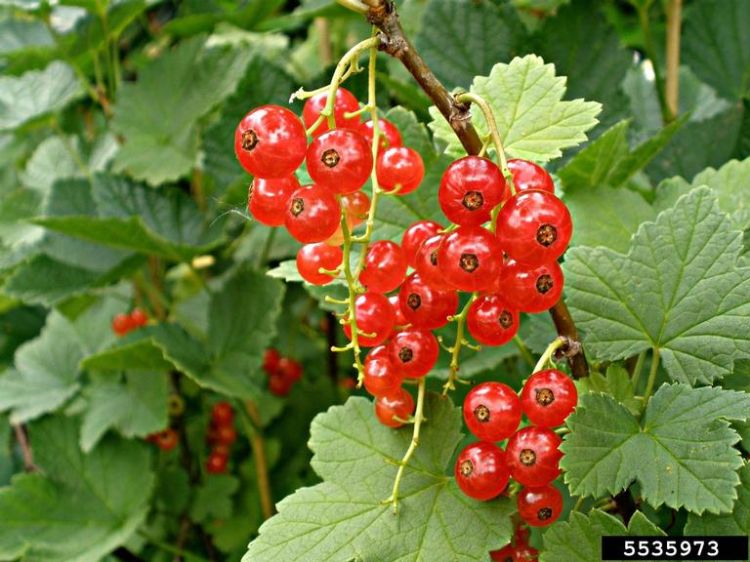
Currants and gooseberries (Ribes spp.) can be an attractive option for small fruit production, especially for home gardeners and pick your own fruit farms. Berries from these plants can be used for fresh fruit as well as being processed for jams, jellies, pies and wines. However, the Michigan Department of Agricultural and Rural Development (MDARD) regulates where and what cultivars of these plants may be planted in the state. Why? Michigan State University Extension explains that this regulation is to prevent the spread of a non-native rust disease called white pine blister rust.
What is white pine blister rust?
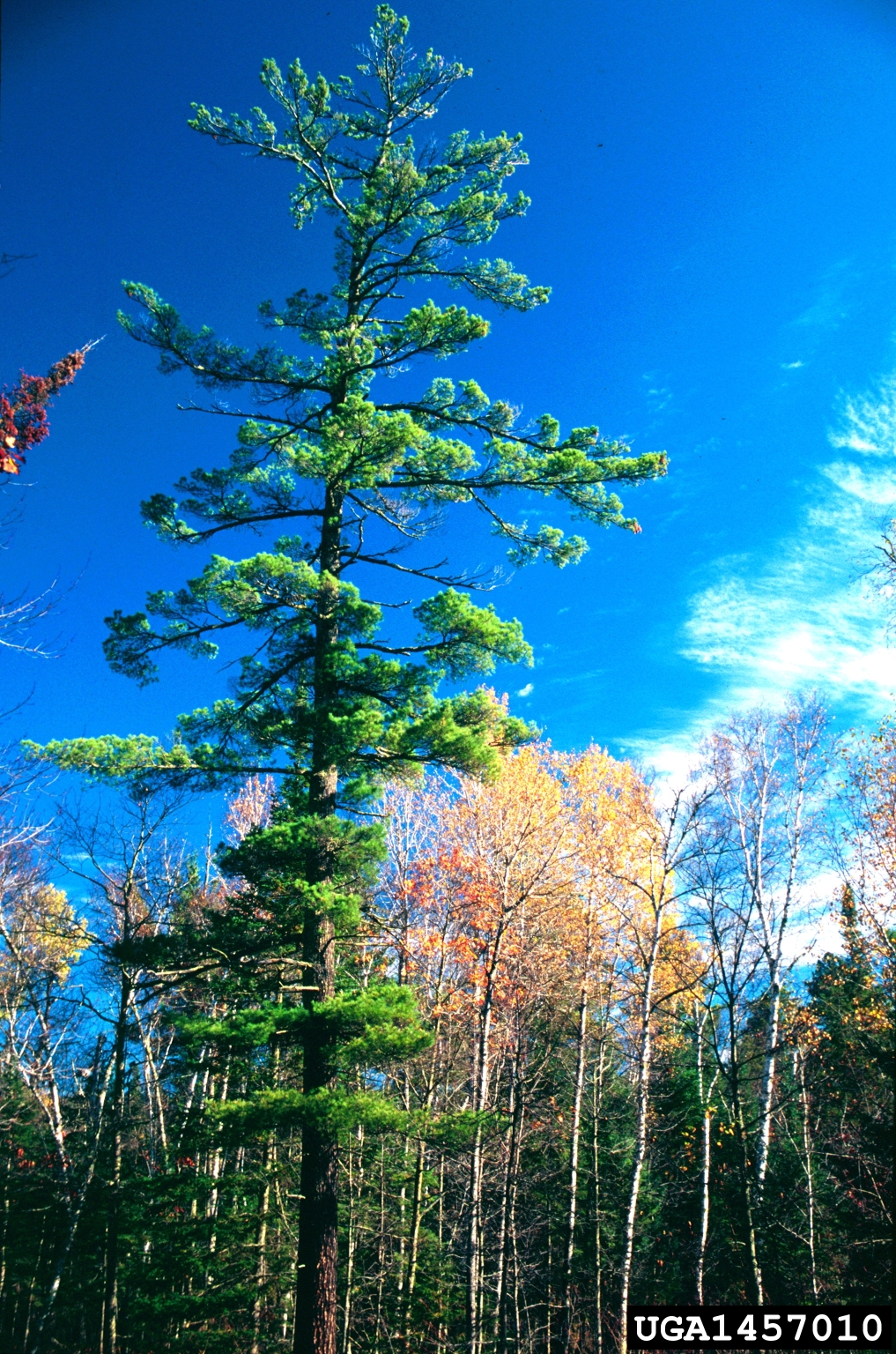
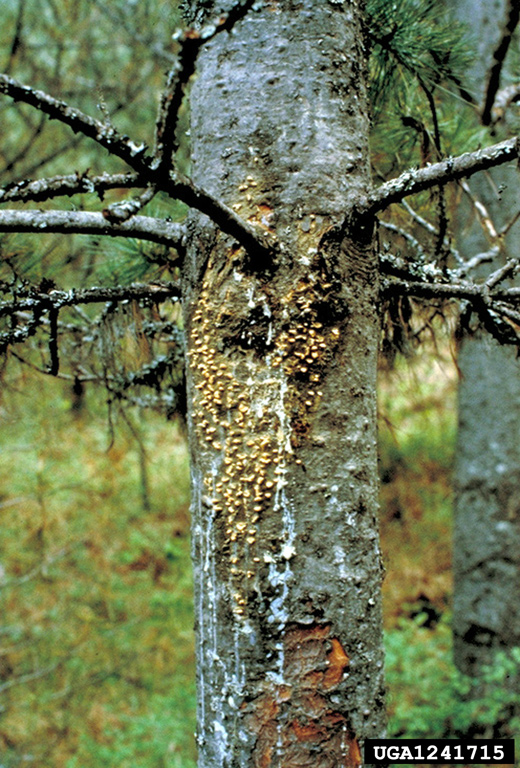
White pine blister rust (WPBR) is caused by the fungus (Cronartium ribicola) and was introduced to North America from Asia in the early 1900s. WPBR has a complex multi-year life cycle but requires two alternating host plants (Pine trees, Pinus species, and plants in the genus Ribes) to reproduce. Michigan’s state tree, the White pine (Photo 2) (Pinus strobus), is the most impacted in our region. White pines of any age can be infected and result in high mortality rates. WPBR symptoms on white pine include orange blisters (Photo 3) or cankers on the bark, branch flagging and eventual tree death. The disease does not cause mortality in the Ribes spp. Fungicides are not known to offer control, so the best course of management is to prevent the fungus from completing its life cycle by eliminating any proximity (at least 1,000 feet) between white pine trees and Ribes spp.
The potential impact of WPBR in Michigan
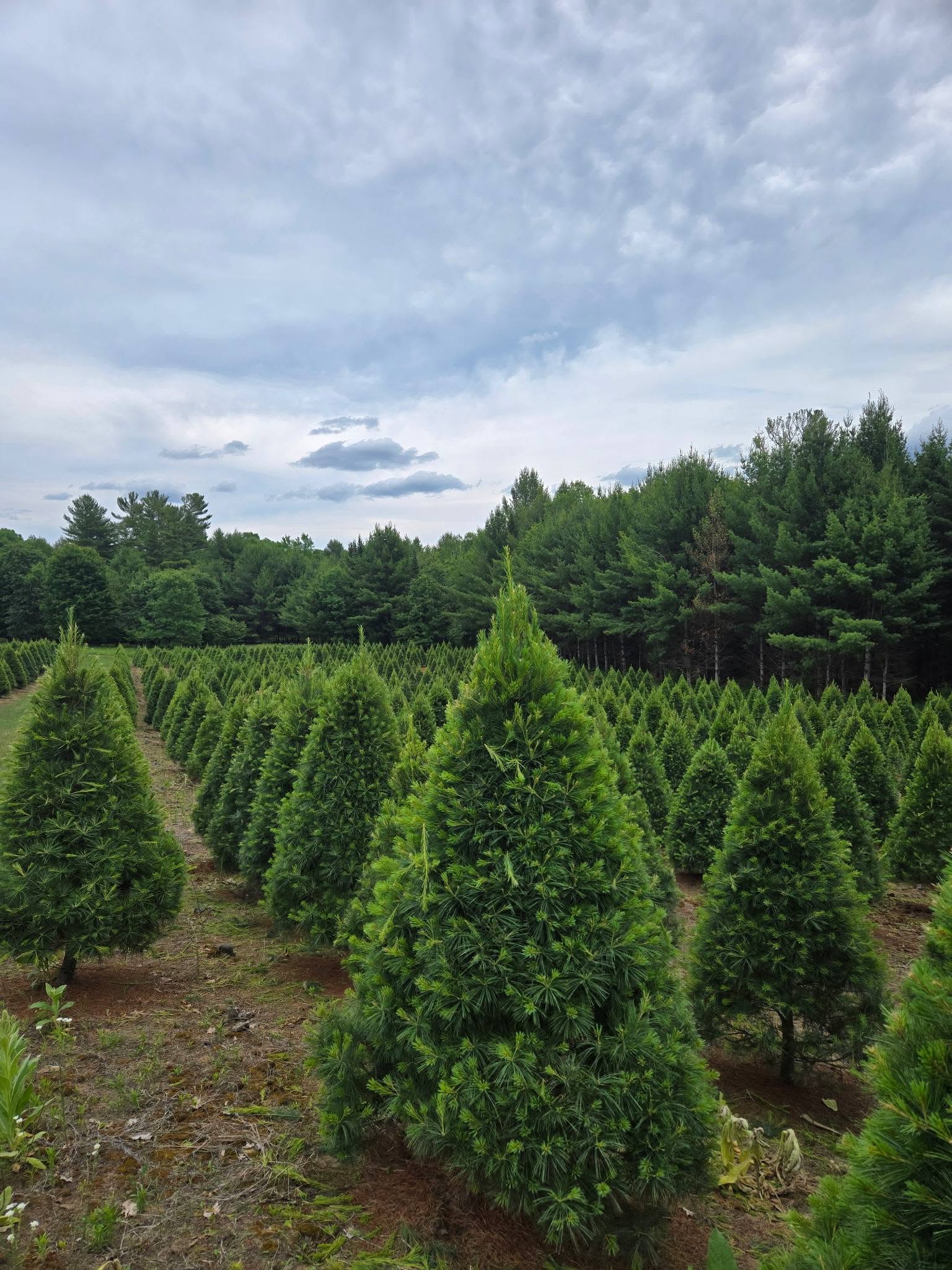
The management of WPBR is especially important because white pine is both an ecologically and economically important tree in Michigan. White pine is a prominent component of forests throughout many areas in the state, providing wildlife habitat and watershed protection. White pine is also an important timber species playing a key role in the forestry industry. White pine is grown for Michigan's Christmas tree (Photo 4) and nursery industries.
For these reasons, MDARD regulates the cultivation of currants and gooseberries in areas where preventing the spread of WPBR is particularly important. By limiting susceptible Ribes hosts and encouraging the use of resistant cultivars, these regulations help safeguard Michigan's forests and support the continued success of the state's forest products, nurseries and Christmas tree industries.
Do you need a permit for your currants or gooseberries?
Michigan regulations for currants and gooseberries vary depending on the species and where they will be planted.
Black currants
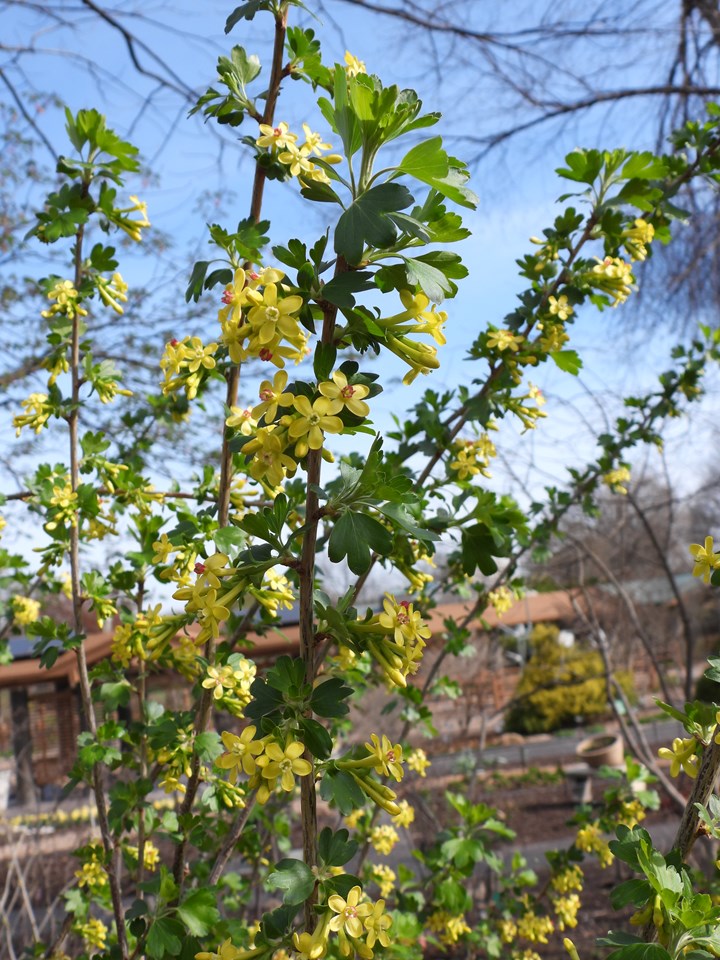
A permit is required to plant black currants anywhere in Michigan. This includes cultivars of Ribes nigrum, R. ussuriense, R. odoratum (photo 5) plus several other Ribes species that are commonly called black currants. In addition, permits are only issued for cultivars that have been demonstrated through scientific research to be highly resistant to WPBR (Table 1).
Red currants, white currants and gooseberries
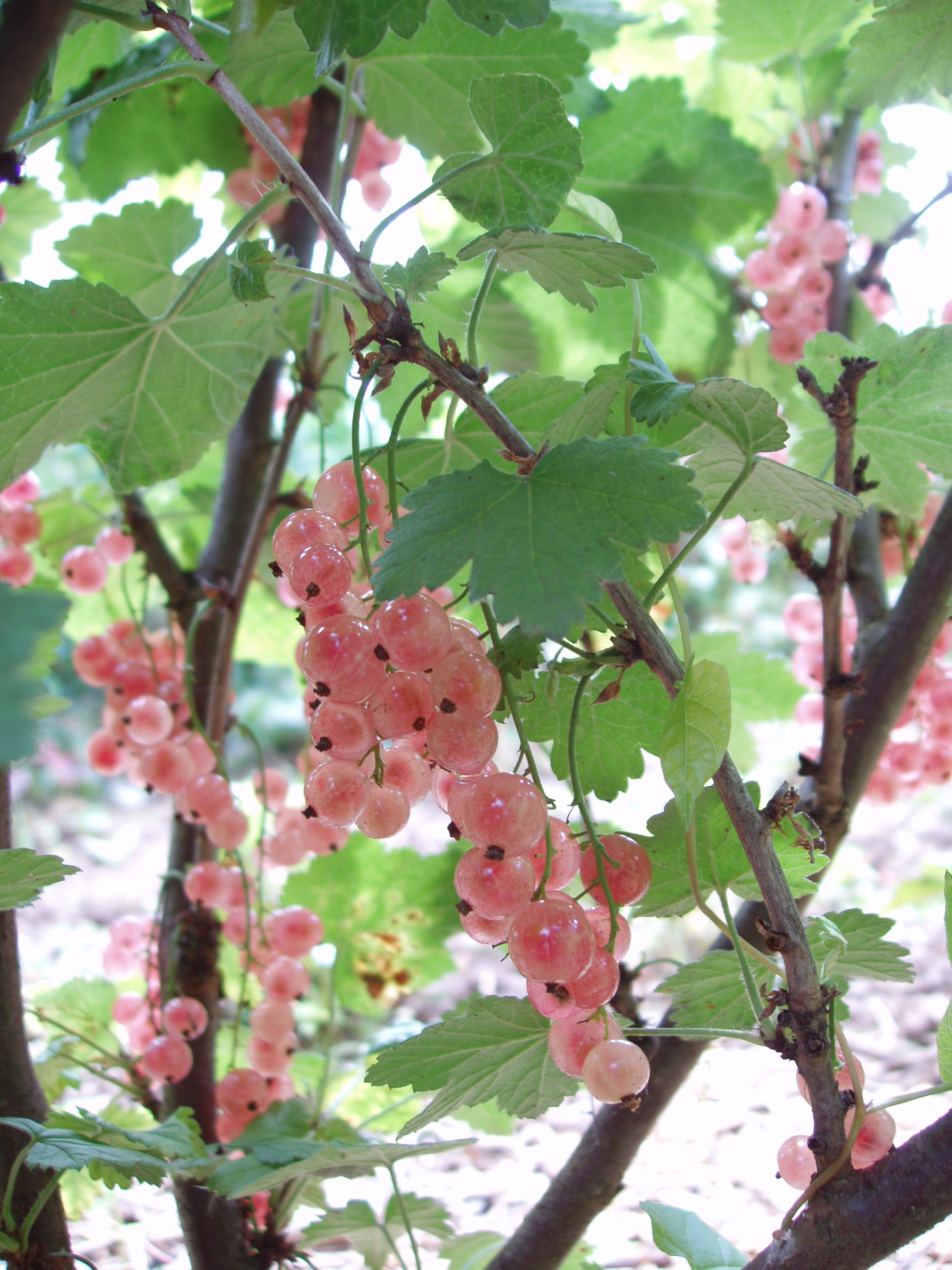
Permit requirements for red currants, white currants and gooseberries depend on where in Michigan they are planted. A permit is required if these plants are grown within Michigan's White Pine Blister Rust Control Area (Figure 1). Growers outside of these designated areas do not need a permit for planting red currants, white currants, or gooseberries and can plant any cultivar. However, MSU Extension recommends growers plant WBBR-resistant varieties of red currants, white currants and gooseberries even outside of the control area.
Alpine currants
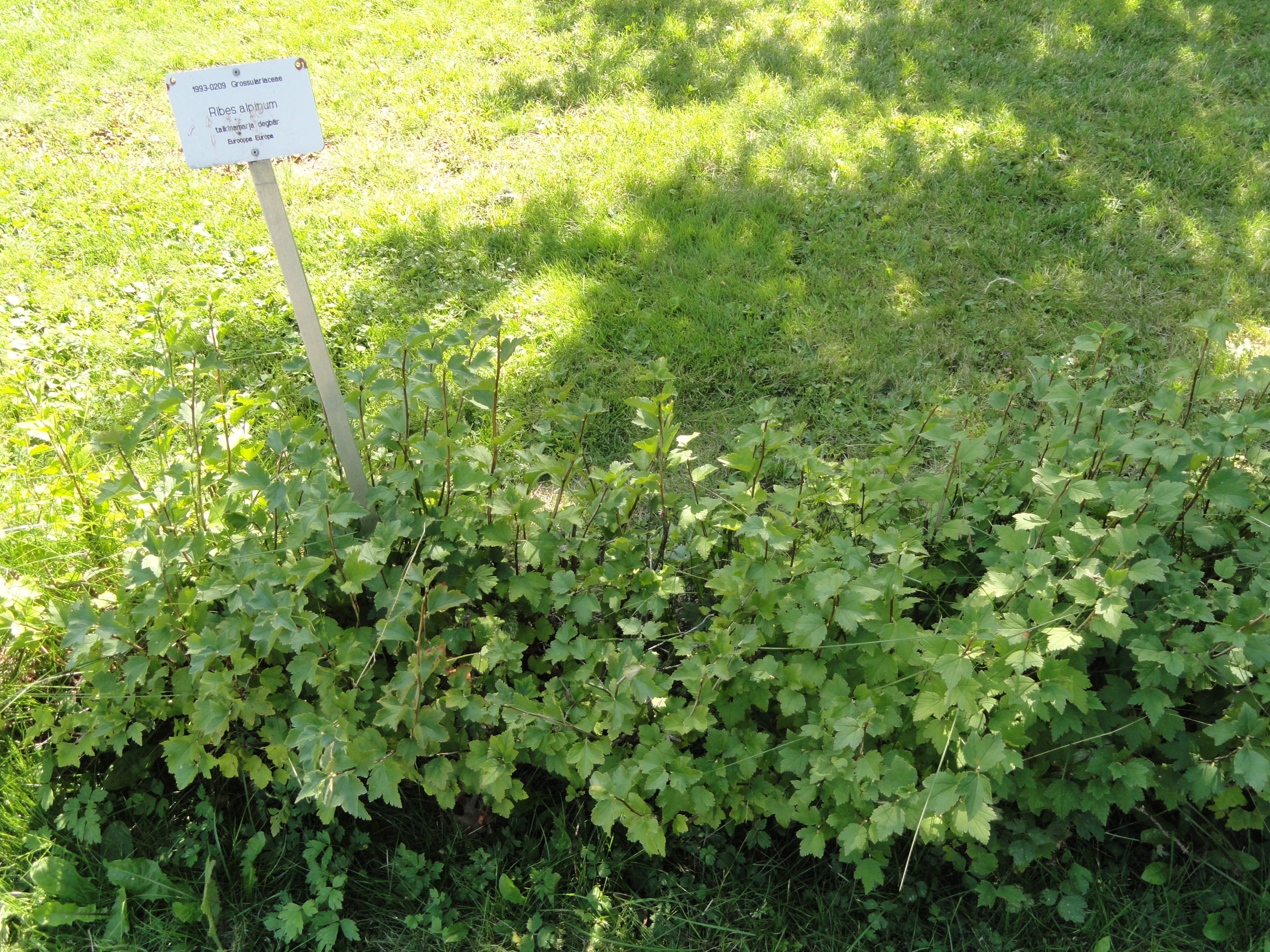
Alpine currants (Ribes alpinum), commonly grown as ornamental landscape shrubs, are exempt from permit requirements because they are generally considered resistant to white pine blister rust (photo 7).
Where are Michigan’s White pine blister rust control areas?
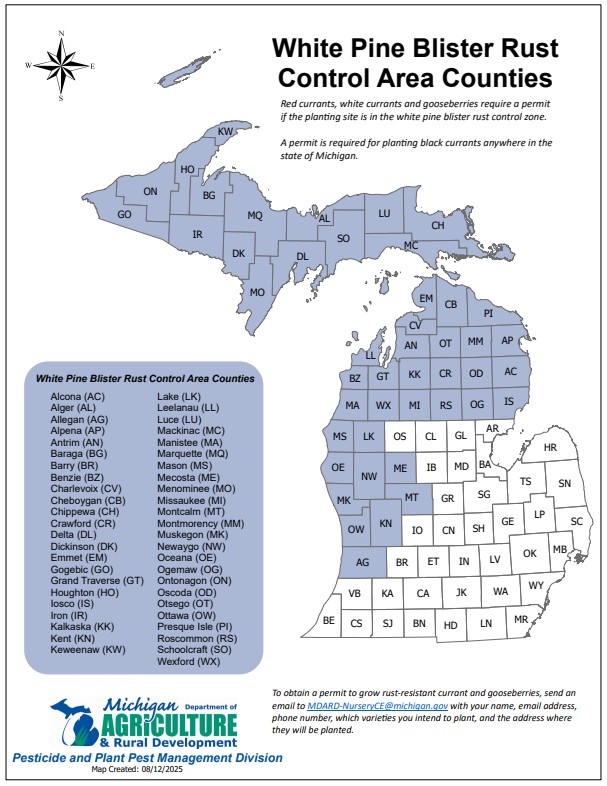
Check before you plant
Before purchasing or planting any currant or gooseberry, MSU Extension recommends individuals review the current MDARD White Pine Blister Rust Control Area map and permit requirements. Regulations and approved cultivars may be updated periodically, so checking current requirements before planting is recommended.
Table 1: Resistant Ribes species currently allowed in Michigan.
Black currants (Ribes nigrum, R. ussuriense, R. odoratum, other Ribes spp.):
- Blackcomb
- Canada RIB0112
- Consort (Prince Consort)
- Crusader
- Coronet
- Crandall
- Doch Siberyachki (Daughter of Siberia)
- Kosmioleskaja
- Lowes Auslese
- Minaj smyriou
- Pilot Alexander
- Polar
- Risager
- Tahsis
- Titania
- Willoughby
European gooseberries (R. uva-crispa = R. grossularia) and American gooseberries (R. hirtellum, R. oxyacanthoides). Many cultivated gooseberries are crosses between European and American species:
- Achilles
- Canada O-273
- Captivator
- Columbus
- Downing
- Glenton Green
- Golda
- Hinnomaen kiltaenen green (Hinnomaki yellow)
- Hinnomaki Red
- Howards Lancer
- Invicta
- Jahns Prairie
- Jeanne
- Josselyn
- Oregon
- Poorman
- Sabine
- Whitesmith
Jostaberries (R. x nidigrolaria Bauer), crosses of black currant and gooseberries:
- Josta
- Orus 8
Red Currant (R. rubrum):
- Rondom
- Rovada
White Currant (R. sativum or albino forms of R. rubrum)
- White Imperial
- White Currant 1301
Why resistance and regulations matter
Selecting resistant cultivars is one of the most effective ways to grow these unique fruit crops while protecting Michigan's white pine trees from WPBR. Resistant varieties are less likely to contribute to the disease cycle, reducing the risk of infection while still allowing gardeners and growers to enjoy the productivity and flavor of currants and gooseberries. Especially with the ease of purchasing plants online from states with differing regulations, taking a few minutes to review current MDARD regulations before purchasing plants can help gardeners and growers remain compliant while supporting the health of Michigan's forests, Christmas tree farms and natural landscapes.