EPA seeks public comment on draft fungicide strategy to protect endangered species
 Print
Print Email
EmailThe 60-day public comment period ends on June 29, 2026.
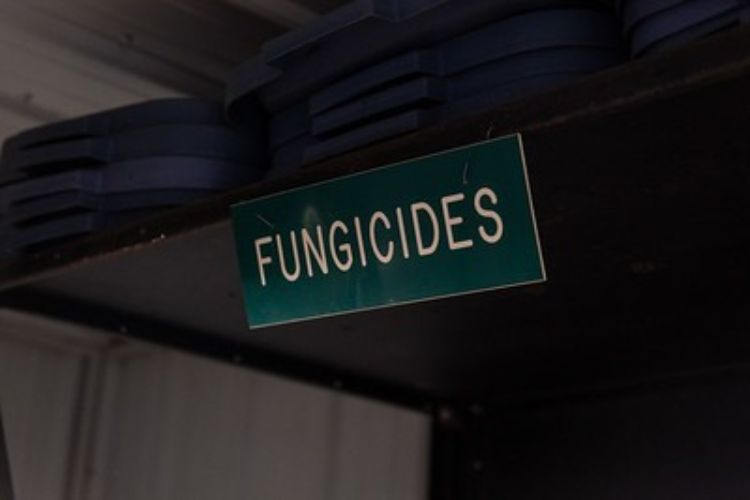
The U.S. Environmental Protection Agency (EPA) enacted an ESA Workplan in 2022 to facilitate the release of a series of pesticide strategies to meet its legal responsibilities under the Endangered Species Act (ESA). The Endangered Species Act seeks to protect federally listed endangered or threatened species and their critical habitats.
The EPA has followed this publicly informed ESA workplan by sequentially releasing individual draft strategies and asking for public input for herbicides, insecticides, rodenticides, and now fungicides. This approach is intended to improve transparency, predictability, and efficiency in how EPA evaluates pesticide impacts while strengthening protections for listed species.
The draft Fungicide Strategy was released on April 30, 2026, and focuses specifically on conventional agricultural fungicides. The strategy applies to agricultural fungicide use in the United States and will help to address potential impacts to more than 1,000 federally listed species, while maintaining the availability of important crop protection tools for growers and applicators.
The draft Fungicide Strategy also includes some newer considerations that may be important for field crop growers and applicators. First, the EPA is taking a closer look at seed treatments, including how fungicides on treated seeds might move off fields after planting (through runoff and erosion), as well as how wildlife could be exposed by eating treated seeds. Second, EPA is expanding its evaluation to include terrestrial vertebrates like birds and mammals that may be exposed to fungicides while feeding in treated areas. While the specific species currently evaluated are not found in Michigan, this new consideration signals a shift in how EPA is looking at pesticide exposure and could influence future mitigation measures or label requirements.
Public comment deadline
For stakeholders who use fungicides, it is important to note that this is a draft strategy and therefore does not establish immediate regulatory requirements. Now is the time to provide feedback to the EPA to help inform the final fungicide strategy and future fungicide use decisions. The EPA is encouraging input from stakeholders including pesticide applicators, growers, crop advisors, and other interested parties. The 60-day public comment period ends on June 29, 2026.
The draft Fungicide Strategy and supporting documents are available in https://www.regulations.gov/search?filter=EPA-HQ-OPP-2026-2973. Comments can be submitted online at https://www.regulations.gov until June 29.
For more information and access to EPA’s overview of the draft strategy, visit:
https://www.epa.gov/pesticides/epa-seeks-public-comment-draft-strategy-better-protect-endangered-species.