Farming in the solar future
 Print
Print Email
EmailA four‑part webinar series on integrating food production and clean energy development.
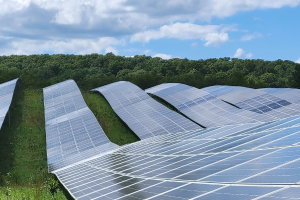
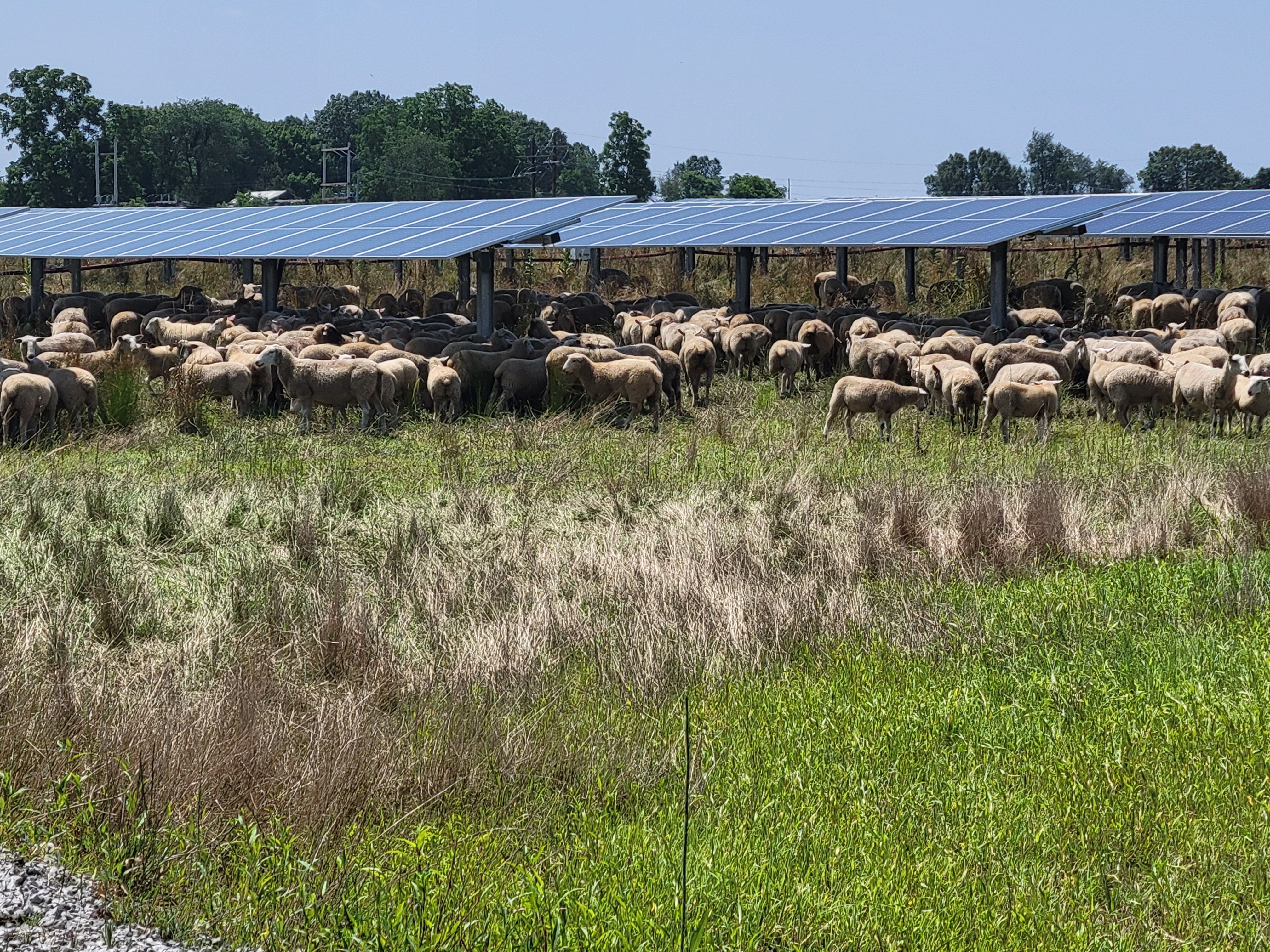
Agrivoltaics is a promising, emerging and rapidly evolving area of energy development that integrates agricultural production into solar arrays to keep land in farming. A webinar series sponsored by Michigan State University Extension will provide research-backed insights and real-world lessons on crop yields, livestock performance and best practices for farming within solar arrays. The following is a brief description of each webinar plus registration information.
Growing Grass and Alfalfa Hay Between Solar Arrays: Lessons learned from the Madison Fields Agrivoltaics Project and how hay production between arrays can be replicated in Michigan
Presenter: Eric Romich, Professor and Extension Field Specialist, Energy Development, Ohio State University Extension
Date and time: Monday, February 23 from 12:30-1:30 p.m.
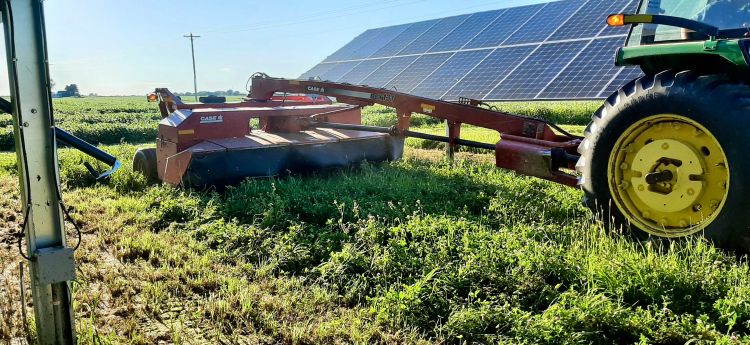
Presentation description: Two 2023 reports by Ohio State University researchers found raising grass hay and alfalfa between rows of solar panels was feasible and that the harvest’s nutritive value was good. But that small-scale work at the Pigtail Farms site in Van Wert County used data from only a few test plots and controls. The Madison Fields agrivoltaics project was designed to test whether similar results can be achieved on a large scale. Now in its second year, the Madison Fields agrivoltaics project is yielding new insights into growing grass hay and alfalfa between solar arrays. This presentation will help Michigan farmers learn how grass hay and alfalfa can successfully be grown between solar arrays. Yield and nutrient content data will be shared.
Where Veggies Meet Volts: Commercial vegetable production in a solar project
Presenter: Ajay Nair, Professor and Chair of the Department of Horticulture, Iowa State University
Date and time: Tuesday, February 24 from 7-8 p.m.
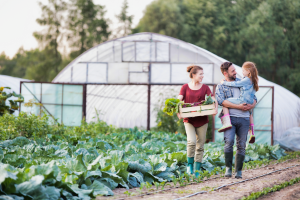
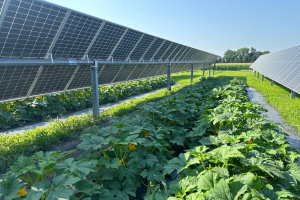
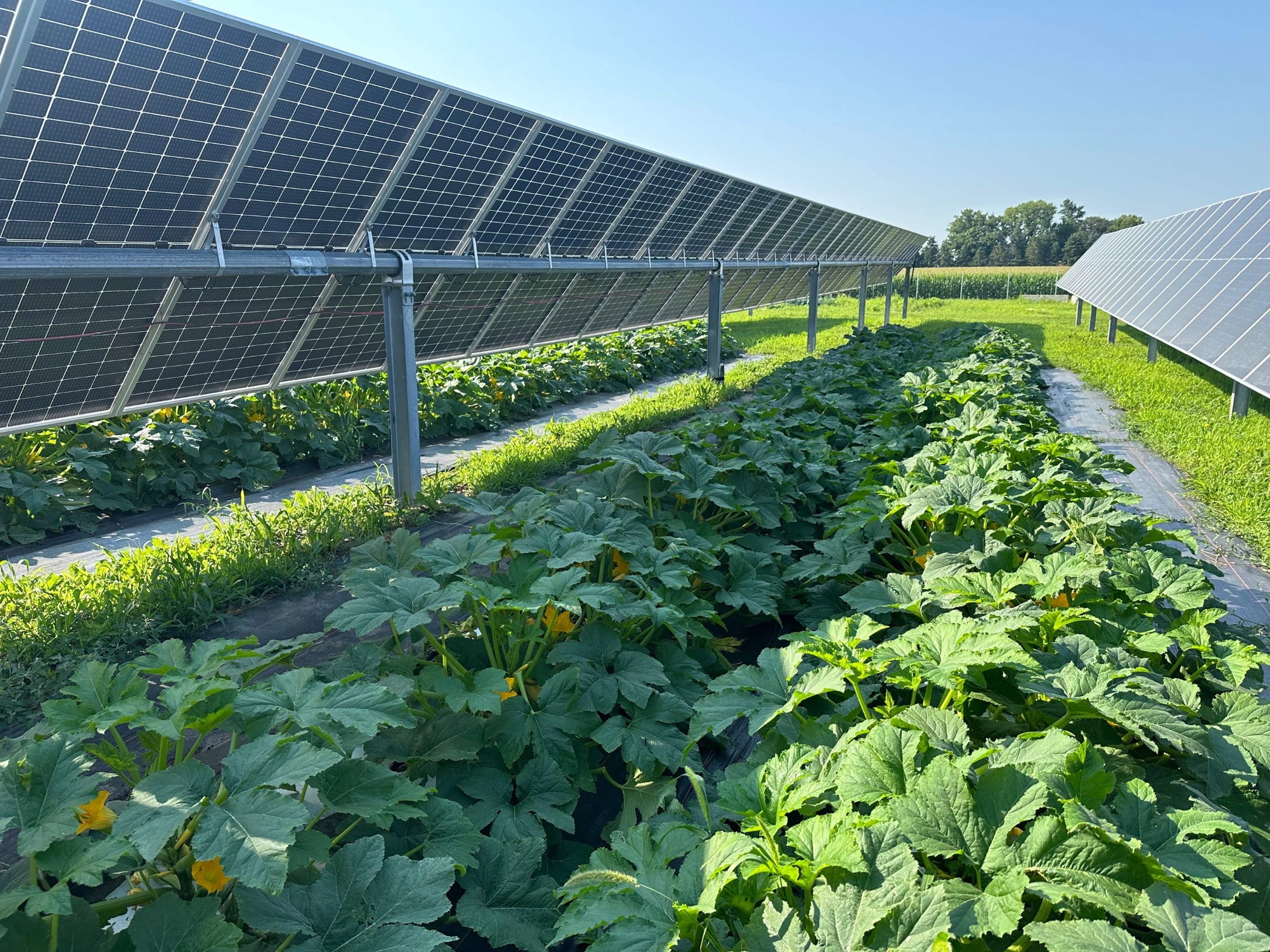
Description: This presentation will highlight growing bell peppers, squash and broccoli on a commercial scale in a solar park. Data on crop growth, yield and quality will be shared.
An Introduction to Solar Grazing with Inverter Cattle
Presenter: Jess Gray, Gray’s LAMBscaping LLC
Date and time: Wednesday, February 25 from 7-8 p.m.
Description: Inverter cattle are a specialized composite breed combining Dexter, Belted Galloway, Pineywoods and American Milking Devon genetics for optimal solar site performance. Inverter cattle possess several key traits necessary for grazing around solar arrays including small stature, hardiness, docile temperament and efficient foraging. Inverter cattle can produce a product the consumer wants—less fat and meat with flavor. This presentation will introduce participants to inverter cattle and make the case for grazing inverter cattle in Michigan solar projects.
Solar Grazing in Michigan: Lessons learned from a Michigan sheep producer
Presenter: Sy Caryl, J&S Solar Grazing and Mowing
Date and time: Thursday, February 26 from 7-8 p.m.
Description: During the summer of 2025, J&S Solar Grazing and Mowing grazed sheep on two solar sites, one in Calhoun County and the other in Wexford County. The presenter will share best practices and lessons learned from his experience grazing sheep at those locations.
There is no registration fee, but registration is required to participate. Registration information can be found at MI Ag Ideas to Grow With.
Questions about the webinar series? Contact Charles Gould at 616-834-2812 or gouldm@msu.ed.