Follow the Fish: Discover Michigan’s Great Lakes fisheries heritage
 Print
Print Email
EmailCelebrating America’s 250th anniversary, Great Lakes Fisheries Heritage Trail story series will explore how fisheries have shaped Michigan and our country.
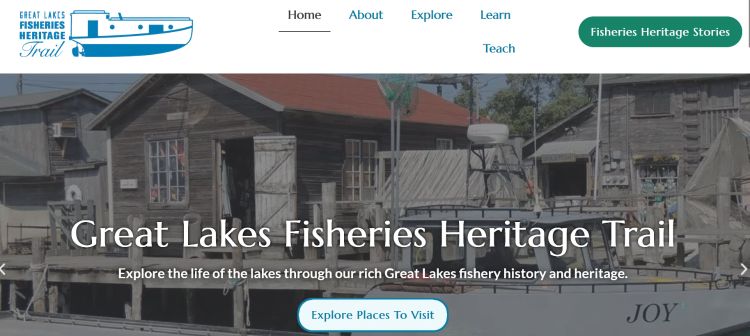
Celebrating America’s 250th anniversary, the Great Lakes Fisheries Heritage trail story series will explore how fisheries have shaped Michigan and our country throughout history; and how these stories live on today through the people, fish, and fishing that connect our coastline, culture and Great Lakes identity.
Dive into the history, culture, and ecology of Great Lakes fisheries celebrating how people, fish, and fishing have shaped Michigan’s identity, economy, and sense of place. These trail stories reflect historic places and diverse values, voices and experiences from Tribal Nations to commercial fishing families, vibrant recreational fisheries, and the researchers and managers who study and steward our freshwater seas.
Michigan Sea Grant and Michigan State University Extension, in partnership with America250MI and the  GreatLakes Fisheries Heritage Trail (GLFHT) network, are launching a Great Lakes fisheries history and heritage storytelling series celebrating Michigan’s commemoration of America’s 250th anniversary. Follow these stories exploring Michigan’s Great Lakes fisheries heritage online at the Great Lakes Fisheries Heritage Trail website.
Fishing was America’s first industry
While the Atlantic cod fishery often takes center stage in U.S. history, Michigan’s freshwater seas played an equally pivotal role in shaping settlement, trade, and statehood. This series will thread together stories from our coastline and islands. We’ll explore how fishing communities took root, how engineering advanced from Mackinaw sailing boats to iconic “turtle back” gill net tugs, and how the voices of those who fish — especially the first Great Lakes fishers, the Anishinaabek — continue to guide through cultural traditions, a sense of place with community and their lived experiences.
We’ll also spotlight the history behind the science institutions and social innovations that transformed the fishery. The binational Great Lakes Fishery Commission set the stage for cooperative science and management; Michigan researchers pioneered sea lamprey control that aided native fish recovery; and the state’s landmark salmon introduction turned alewife chaos into a world class recreational fishery benefiting communities across Michigan. Together, these stories show how the Great Lakes fisheries have evolved through time, and why this history matters to our communities and to the health of our lakes today.
Fisheries history shapes our sense of place and Great Lakes identity
This storytelling series is inspired by and connects with Michigan’s America250 themes — Power of Place, We the People, and Doing History — linking coastal geography to community identity, elevating diverse fishing voices, and engaging audiences in learning about and participating in fisheries history with museums and historical sites, and their local communities.
- Power of Place. 3,200 miles of Great Lakes coastline quite literally shape our state and sense of place. At boat launches and working waterfronts, charter fleets welcome visitors, Tribal Nations exercise treaty‑protected rights, and commercial crews unload catch. These scenes echo millennia of Indigenous harvests and centuries of fishing enterprise, evolving from feeding coastal communities to supporting wartime America to powering today’s multi‑billion dollar recreational fishery.
- We the People. The Great Lakes fishery reflects a story about people: Anishinaabek communities timing harvests with seasonal fish movements; fishing families building livelihoods on gill‑net tugs and trap‑net boats; and generations of anglers shaping a recreational fishery. Similarly, the history and the people reflected in fisheries science and management share in these stories of fisheries values toward conservation and stewardship.
- Doing History. We engage in fisheries history by learning from the past and participating in today’s Great Lakes stewardship. Recognizing earlier environmental and social challenges and the science and technology that addressed them, guides sustainable fisheries for future generations. By visiting museums, hearing oral histories, and exploring working waterfronts, we become part of this living fisheries heritage and its ongoing story.
The Great Lakes Fisheries Heritage Trail (GLFHT) exists as a collaborative network linking museums and historical organizations, communities, and partners through physical sites and a curated website. The website is a hub that connects historic places, artifacts, and interpretive resources to today’s stewardship and learning. These efforts across Michigan help to preserve, interpret, and promote access to fisheries history. They help add depth and value among fisheries science and management conversations, strengthen local communities and heritage based tourism experiences, and provide educational opportunities that build Great Lakes literacy and promote stewardship.
Take a deeper dive into history and follow the fish to learn more
By sharing these stories, we honor how people have valued and benefited from Great Lakes fisheries and ensure this heritage remains vibrant. Follow along, share a trail story with a friend or a classroom, and celebrate Michigan’s Great Lakes fisheries heritage where history, community and stewardship meet on the water. Start your journey at the Great Lakes Fisheries Heritage Trail website.
Additional resources
Explore to learn more about Great Lakes fisheries:
- Life of the Lakes: A Guide to the Great Lakes Fishery — produced by Michigan Sea Grant with University of Michigan Press.
- Small Fry, Big Catches: The Great Lakes Fishery — a Michigan History Magazine article published by the Historical Society of Michigan in partnership with Michigan Sea Grant.
- The Fish Thief: A Great Lakes Mystery — Full-length award-winning historical documentary about Great Lakes fisheries; funding production by the Great Lakes Fishery Commission (free viewing online).
- Learn more about America250MI: america250mi.org
The following worked together to bring you this learning series as part of Michigan’s America250 commemoration: Great Lakes Fisheries Heritage Trail network, Michigan Sea Grant and Michigan State University Extension, Great Lakes Fishery Commission, Michigan Department of Natural Resources, Besser Museum for Northeast Michigan, Fishtown Preservation Society, and others. This series has been made possible in part by America250MI.