Time of sale septic inspections can protect water quality: Part 1
 Print
Print Email
EmailCounties and townships can protect surface and groundwater by adopting time of sale septic inspection ordinances.
Michigan’s freshwater resources are incredible assets that are unmatched on a global stage. The state’s water strategy, outlined in “Sustaining Michigan Water Heritage, A Strategy for the Next Generation,” identifies nine broad goals and 62 recommendations to protect water resources and enhance the state economy based on those resources. Goal two of the water strategy is that “Michigan’s water resources are clean and safe.” The first two key recommendations in the goal are to “protect drinking and source water from contamination and spills” and “pass a statewide sanitary code and inspection requirements.”
Many Michigan residents would agree that water is Michigan’s greatest asset. While all residents of the state have the opportunity to help protect water resources, some residents have the potential for more impacts on water resources based on water use and property ownership. In rural environments that are not served by sanitary sewer and municipal water, residential and commercial septic systems and water supply wells can be a threat to surface and groundwater, and public health, if not adequately installed, maintained and retired.
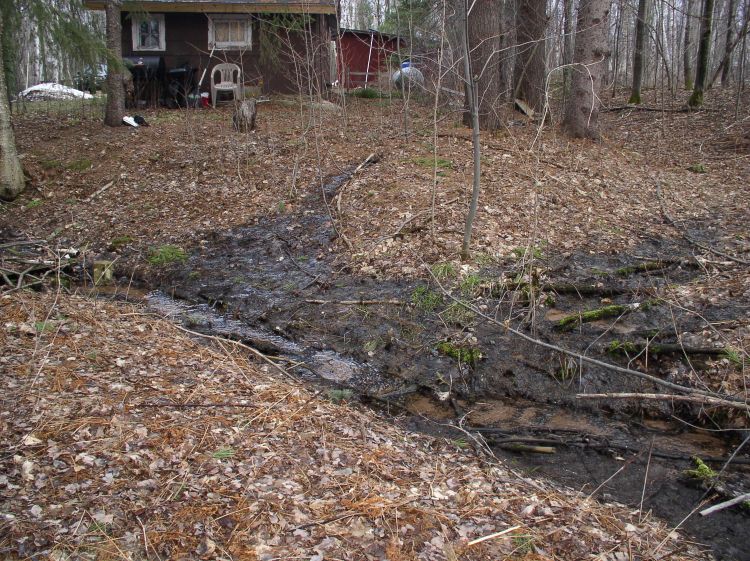
Septic systems do not last forever. According to the Michigan Department of Environment, Great Lakes, and Energy (EGLE), a conventional septic system lifespan is 25-40 years (see Frequently Asked Questions: Septic Systems). Failing septic systems contribute pathogens to waterways including parasites, bacteria, and viruses that can cause communicable diseases through direct or indirect body contact or ingestion, and also contribute phosphorus, a nutrient that can cause excessive aquatic plant and algae growth and depletion of dissolved oxygen in surface waters (see What’s the Point and Non-Point in Water Quality?). As the recommendation in the water strategy makes clear, there is no statewide law requiring evaluation and maintenance of existing systems. Typically, septic systems are only evaluated at the time of permitting or during major building additions.
The EGLE’s 2023 Statewide Failed Sewage System Evaluation Summary Report detailed 4,297 failed single family septic systems reported by local health departments that year. More than 33 percent of those systems were reported to be greater than 40 years old, with another 35 percent of unknown age.
Statewide, the top three probable causes of system failures were root intrusion (16 percent), soil clogging (14 percent), and septic tank failure (12 percent). However, public health officials believe reported septic system failures represent only a fraction of the total number of failures statewide, and many go undetected or remain unreported for years. In Marquette County, between 2023 and 2025, nearly 50 percent of septic systems being replaced were actively failing to the ground surface. These failed systems represented only those in which property owners were willing to voluntarily address the problem by contacting the health department.
While federal and state laws regulate water and wastewater to an extent, Michigan local governments have many tools available for “filling the gaps” where federal or state regulations do not apply. There is no doubt: local government has an important role for water quality protection. Local government is empowered to protect public health, safety, and welfare through several different state enabling statutes.
One tool that Michigan counties and townships have employed is the adoption of septic maintenance regulations. The primary goal of such regulations is to protect water quality by reducing the amount of phosphorus entering lakes and streams through groundwater. Also referred to as time of sale (or point of sale) programs, the approach is to require inspection of on-site septic systems when properties change hands from one owner to another. Most often, water supply wells are also required to be inspected as part of such programs.
These programs require an evaluation to be performed, a determination by the regulatory agency (often the local health department), and, if failing, maintenance or remediation to be completed before the property is transferred to the new owner. In other words, a determination by the local regulatory agency that the septic and well is functioning adequately for the use and characteristics of the property is required before the county register of deeds can transfer title to the property. During winter months, property transactions would not necessarily be held up. Instead, the seller may be required to create an escrow account to ensure available resources to correct a problem if identified during a spring evaluation.
Part 2 of this article explains more about time of sale septic inspection ordinances, the pros and cons of such a program, and the associated regulatory authority. Michigan State University Extension offers several resources for local governments to help protect water quality, plus numerous resources for homeowners to help them appropriately maintain their septic system and handle other wastewater issues onsite.