Insect friend or foe? Soft black beetle with rounded red and black hood
 Print
Print Email
EmailFireflies are easily recognizable at night, but they may be less familiar on crops. Are they agricultural friends, foes or something in-between?
Only relatively few insects are economic agricultural pests out of the millions of insects in the world. While our major crop pests can be a common sight, what are some of these other insects doing out in the fields? Are they benefiting us, causing harm or neither?
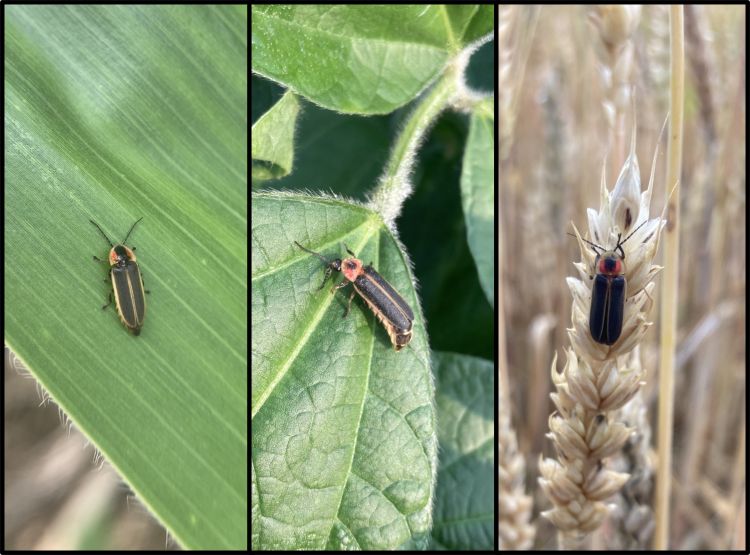
So far, 2026 has been a good year for firefly sightings. I see several daily and have found them in all of Michigan’s major field crops this year. While their flashy light shows are noticeable on summer nights, fireflies (also referred to as lightning bugs) may get overlooked while the sun is up. Adults are often on flowers or leaves during the day, and they are easy to recognize even without their tell-tale glowing.
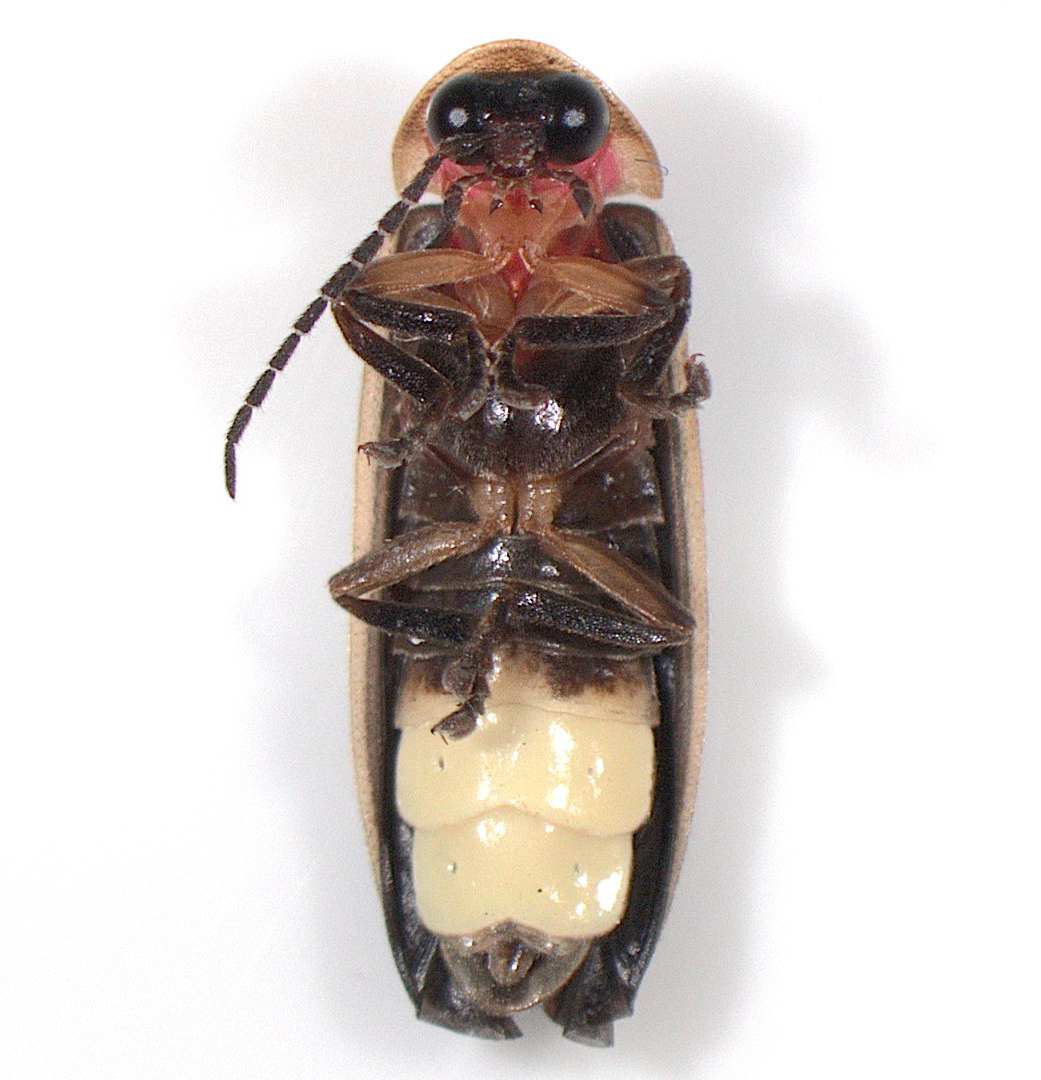
Firefly adults are identifiable by their leathery forewings, called elytra, and the rounded pronotum that covers their head, making it difficult to see from above. Pronotums can be black, to black with red markings or black with yellow markings. Fireflies are extra visible at night because they flash light from body segments under their wings, which are yellow to yellow-green when not glowing. Different firefly species emit light in different patterns, signaling to other fireflies at night for mating purposes. Some firefly females mimic patterns of other species to lure males in to eat them.
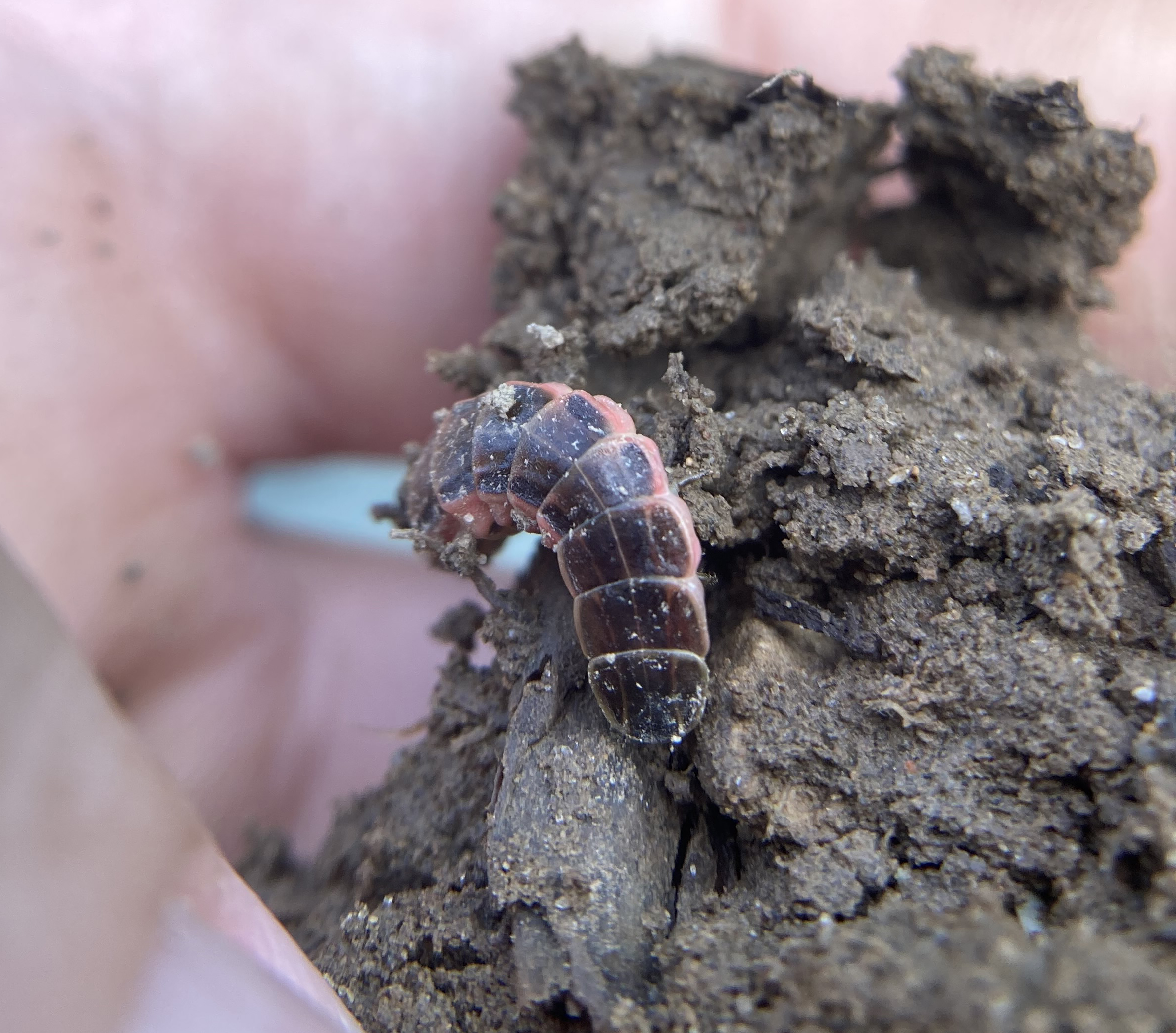
Firefly larvae have a multi-segmented armored appearance. These segments often may have a pink or red tinge or markings, or they may be entirely black. Larvae have prominent sickle-shaped mouthparts. Some fireflies can produce light as larvae and are referred to as glowworms.
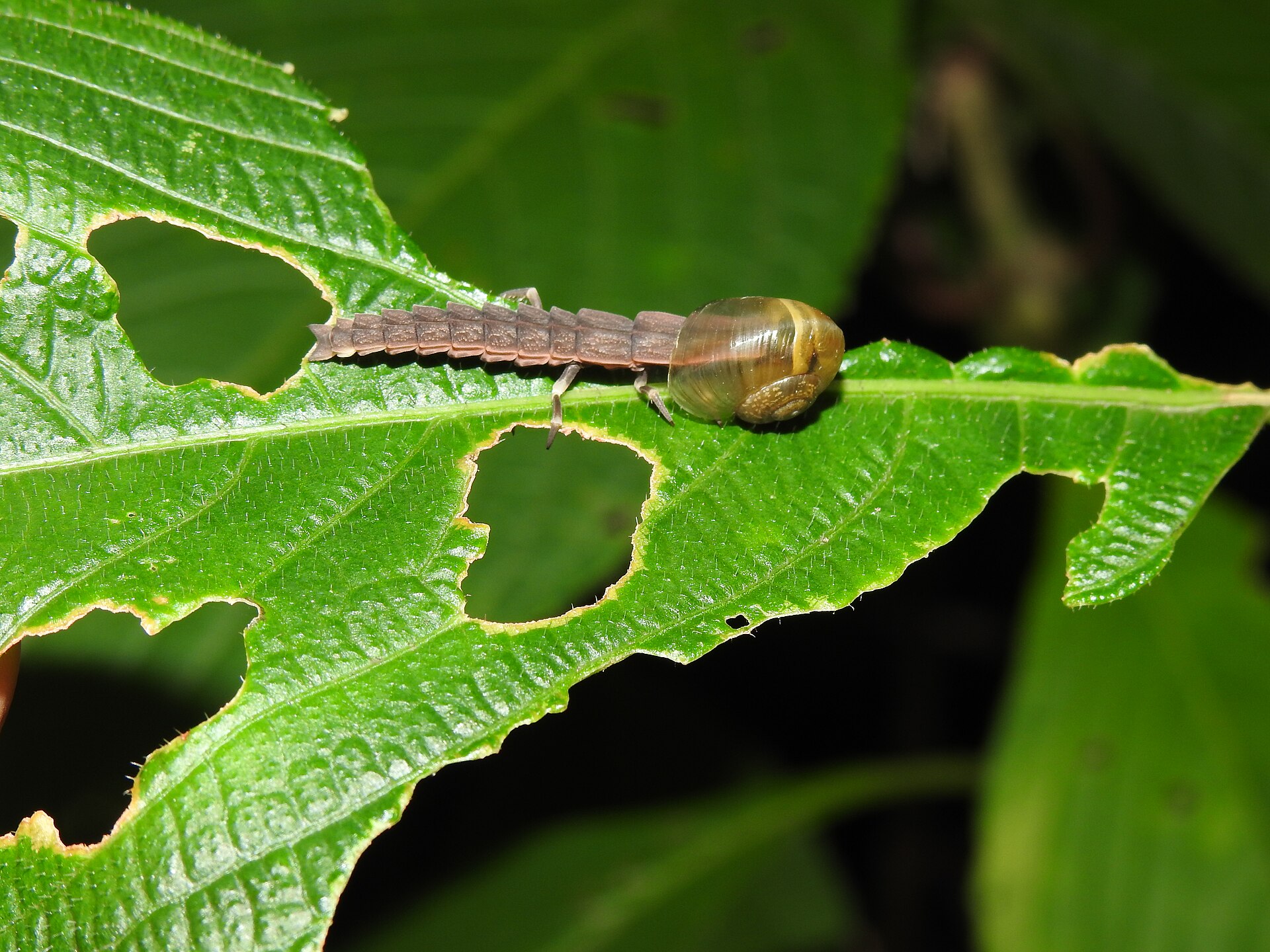
Firefly larvae are active predators of snails, slugs and other soft-bodied agricultural pests. This is especially valuable because snails and slugs are mollusks, not insects, and so they are not controlled by insecticides. There are very few chemical control options for managing snails and slugs, and they are rarely cost-effective solutions to infestations. Beyond their agricultural benefit, fireflies are known for providing the perfect summer evening ambience through their light production, a process called bioluminescence. According to the Missouri Department of Conservation, their bioluminescent enzyme, luciferase, is used in gene and forensic research. Verdict: friend.
Reducing soil disturbance can help conserve firefly habitat, as they spend most of their life cycles in or on the soil. Light pollution also interferes with firefly health, so avoiding excessive outdoor lighting helps conserve fireflies. Another good rule for enhancing firefly populations, especially knowing that they are hanging out in crops during the day, is to avoid broad-spectrum insecticides and only apply chemical controls when pests are at the treatment threshold. For insect pest scouting and threshold guidelines in field crops, refer to the Insect Pest Management Guide.
For more pictures and details, check out the Michigan State University (MSU) Extension gardening profile on fireflies, the article “Enjoying the fireflies this summer? Thank a snail” and the Xerces Society brochure on firefly conservation.
This work is supported by the Crop Protection and Pest Management Program (grant no 2024-70006-43569) from the USDA National Institute of Food and Agriculture. Any opinions, findings, conclusions, or recommendations expressed in this publication are those of the author(s) and do not necessarily reflect the view of the U.S. Department of Agriculture.