Interview behavior and follow-up counts
 Print
Print Email
EmailSmall actions that make a big difference in your interview success.
Michigan State University Extension offers a variety of expertise, including teaching youth career exploration and workforce preparation. Staff members have the opportunity to program and interact with young people, adult staff and volunteers, and community, school and business partners. Frequently, they teach about the importance of first impressions and interview tips. Recently, a couple of employers shared the following experiences.
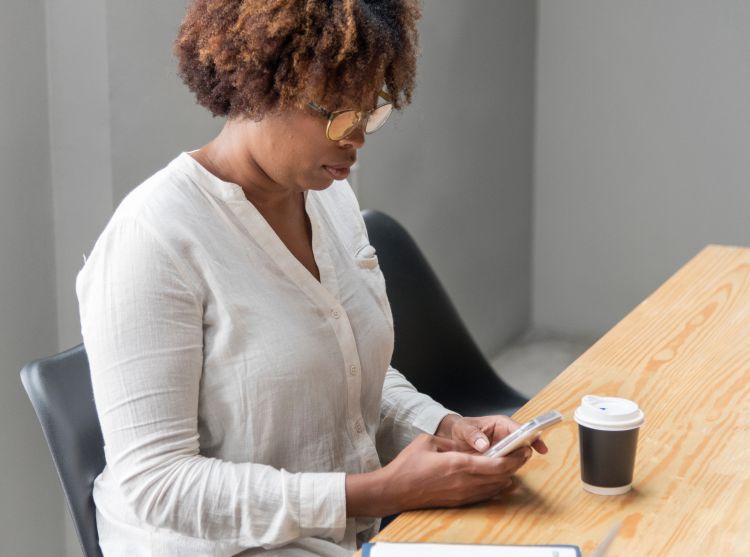
An employee and their boss were interviewing recent college graduates for potential positions with their company. During the interview, the candidate made minimal eye contact. Additionally, the candidate was texting with one hand and was focused on their cell phone; not the job interview. At first, these business representatives were shocked. Eventually, they chose to stop the interview, and they tactfully let the candidate know how inappropriate this behavior was and that the interview was over.
However devoted we are to our technology and cell phone devices, there are times to use it and times not to. In the U.S., business and industry still value face-to-face communication and the in-person interview experience has expectations. This includes making eye contact and having no cell phone use as part of the interview.
When it comes to using a phone, MSU Career Services Network indicates that one should not take a cell phone call. This is especially true during an interview, site visit or other professional event. In fact, be prepared to silence your phone and put it away. Texting, checking your phone for email and otherwise being constantly distracted by your phone is likely to make you seem uninterested. It’s simply will not make a good impression.
Proper cell phone use can also apply to being available for follow-up conversation. Another employer shared their frustration during an experience when they were trying to follow up with a job candidate whose voicemail was full, preventing a potential job offer from being made. Remember to keep your voicemail accessible and cleaned out. A potential employer will not look favorably upon you if they have to put in extra effort to track you down for follow-up or to make a job offer. You may also want to think about the message you convey on your voicemail and the impression you will leave on a potential employer.
Additionally, here are a few other useful tips related to cell phone etiquette.
Do's:
- Turn the phone completely off (not just silent or vibrate).
- Store the phone out of sight—in a bag, pocket or coat—before entering the interview space.
- Use your phone only before arrival to confirm directions, parking or check‑in details.
- If you must keep it on for an emergency, tell the interviewer in advance and set the phone to silent with no vibrations.
- Check the time on a watch, not your phone, if timing matters before the interview starts.
Don’ts:
- Check texts, social media or email while waiting in the lobby.
- Place your phone on the table—it signals distraction and a lack of focus.
- Take calls or respond to messages at any point during the interview.
- Glance at notifications, even briefly; it breaks eye contact and rapport.
- Use your phone to look up answers in real time—prepare ahead instead.
Using your cell phone thoughtfully during an interview is an important part of making a strong professional impression. These small actions show respect for the interviewer’s time and help you stay fully focused on presenting your best self. First impressions only happen once so it is ideal to foster a positive and engaged interview experience.
MSU Extension and Michigan 4-H Youth Development help to prepare young people for successful futures. As a result of career exploration and workforce preparation activities, thousands of Michigan youth are better equipped to make important decisions about their professional future, and are beyond ready to contribute to the workforce.