Launching a biological control program against lily leaf beetle in Michigan
 Print
Print Email
EmailMore than 4,400 beneficial parasitoid wasps were released in Michigan's first biological control program against the invasive lily leaf beetle, laying the foundation for long-term, sustainable pest management.

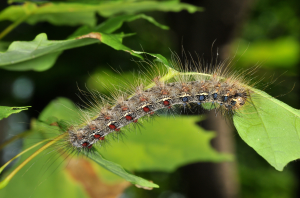
For gardeners who grow true lilies, the lily leaf beetle or scarlet lily beetle (Lilioceris lilii), first introduced into Massachusetts in 1992, has become an all-too-familiar sight. The bright red beetles and their slug-like, feces-covered larvae can quickly strip lilies of their leaves, flowers and stems (Figure 1). Left unchecked, heavy infestations can completely defoliate plants in just a few weeks. While hand-picking beetles and repeated insecticide applications can reduce damage, these approaches are time-consuming, must be repeated every year, and may also affect beneficial insects.
Michigan State University has taken an important step toward a long-term solution that relies on introducing the natural enemies of these invasive beetles from their native range to provide biological control.
Nature's own pest managers
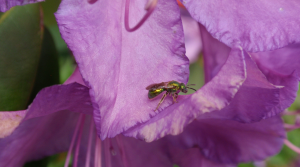
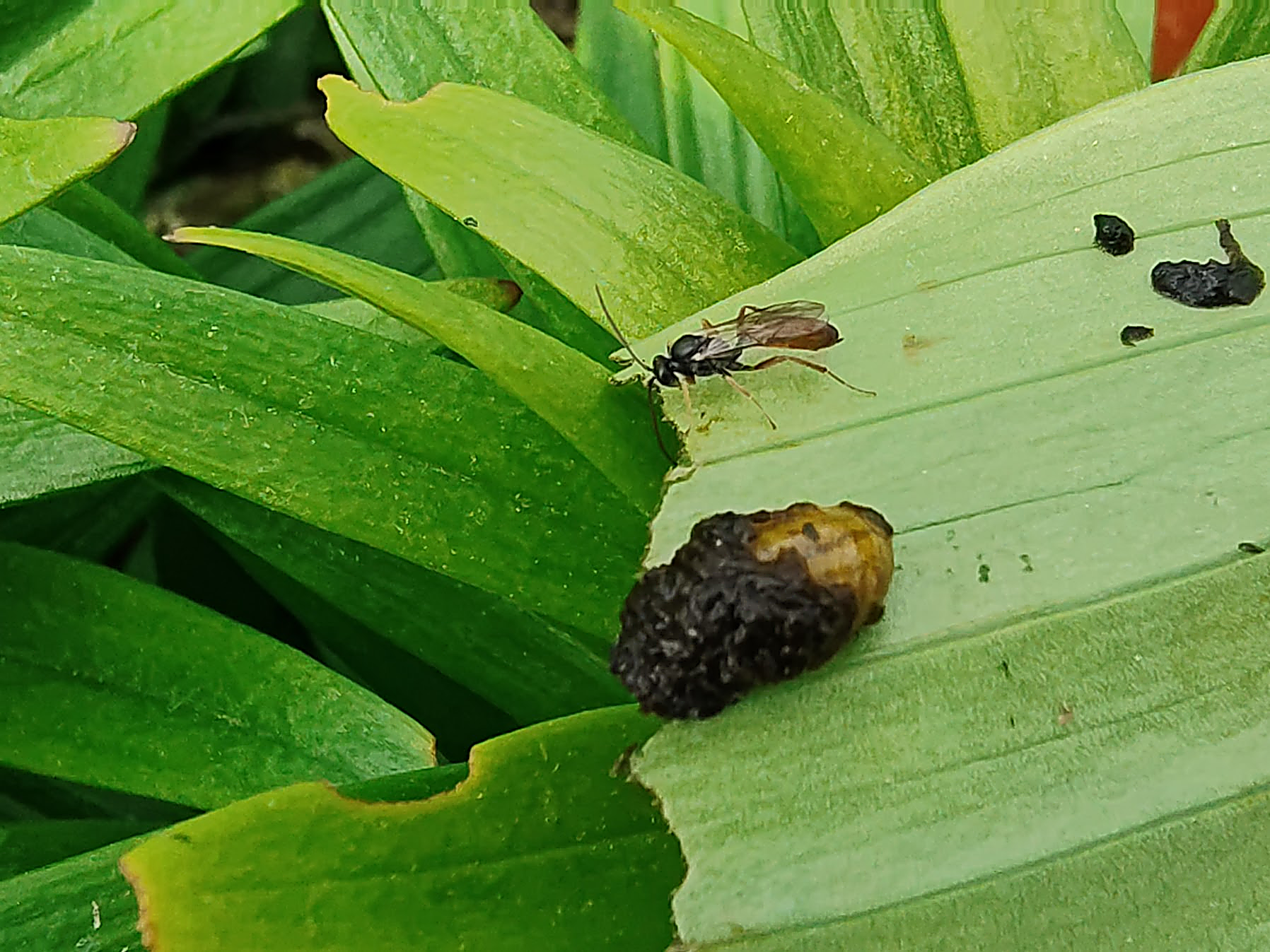
The biological control program uses three species of parasitoid wasps that naturally occur in the lily leaf beetle's native European range: Tetrastichus setifer, Diaparsis jucunda and Lemophagus errabundus. These wasps are highly specialized natural enemies of lily beetles. Female wasps locate lily beetle larvae and lay their eggs inside them (Figure 2). As the young wasps develop, they consume beetle larvae from within, preventing them from becoming the next generation of beetles. Extensive testing conducted before these parasitoids were approved for release demonstrated that they are highly specific to lily beetles and are not expected to pose a risk to native North American insects.
Unlike insecticides, these parasitoid wasps reproduce, establish self-sustaining populations and continue searching for their hosts year after year. Rather than eliminating the beetle entirely, the goal is to restore a natural balance where beetle populations remain low enough that they no longer cause significant damage.
A success story from New England
Michigan's program builds on nearly three decades of biological control research in New England where parasitoid releases started in 1999. Today, all three parasitoids are established in parts of New England, where long-term monitoring has documented dramatic reductions in lily beetle populations. These encouraging results inspired us to begin establishing the same natural enemies in Michigan to help slow the beetle’s westward expansion while reducing its impacts on ornamental and native lilies.
Bringing biological control to Michigan
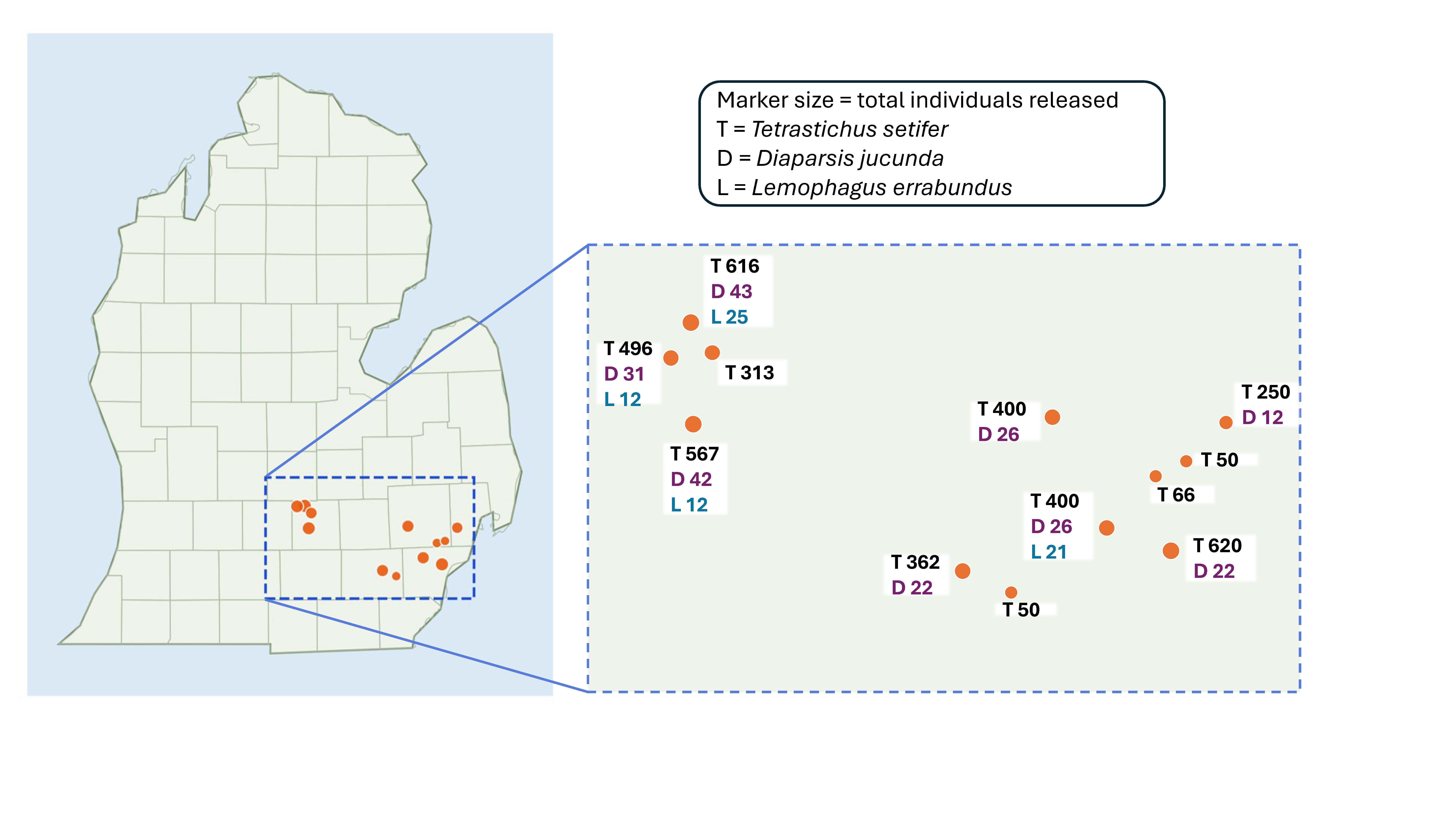
Over the course of the 2026 field season, we released 4,190 Tetrastichus setifer, 224 Diaparsis jucunda and 70 Lemophagus errabundus. Figure 3 shows the release locations and the number of parasitoids released at each site.
Unlike insecticides, biological control does not provide immediate results. The released parasitoids must survive Michigan's winters, reproduce successfully, and gradually increase their populations before noticeable reductions in beetle numbers occur. Because lily beetle populations were unusually low in 2026, the initial growth of parasitoid populations may be slower than expected. In New England, successful biological control was achieved over multiple years of releases before parasitoid populations became well established and widespread suppression of lily beetles was observed.
Although additional releases are not currently planned, this year's effort represents an important first step. Over the coming years, monitoring of the release sites will determine whether the parasitoids successfully establish self-sustaining populations. If they do, redistribution of parasitoids from successful sites to other areas of Michigan will likely be necessary to speed up the naturally slow spread of the parasitoids.
For more information about identifying lily leaf beetles and managing infestations, see a previous Michigan State University Extension article, "Lily leaf beetles continue to spread in Michigan."
Funding for the parasitoid releases was provided by the Western Michigan Greenhouse Growers Association. The North American Lily Society funded parasitoid collections in Europe by CABI-Switzerland.