Living mulch between rows: A smart strategy for home gardens
 Print
Print Email
EmailLiving mulch is a type of ground cover planted between rows of vegetables to suppress weeds, conserve moisture and improve soil health.
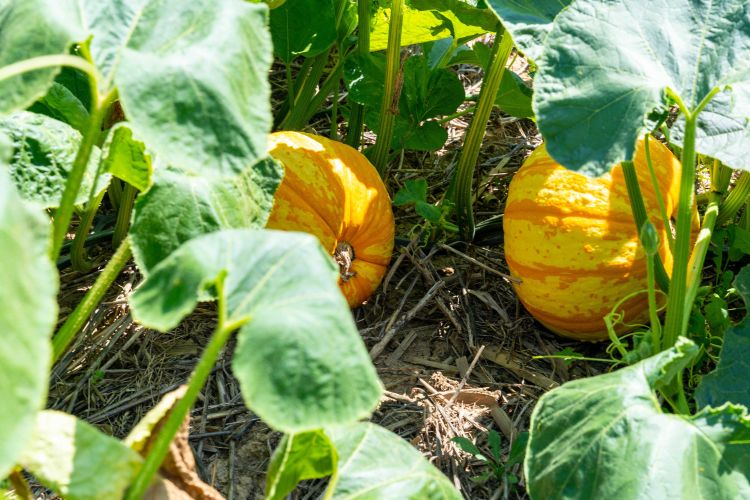
Living mulch is a powerful tool for home gardeners looking to improve soil health, suppress weeds, and support beneficial insects. Unlike traditional mulches like straw or wood chips, living mulch consists of low-growing plants that grow between rows of vegetables. These plants provide continuous ground cover, reduce erosion, and contribute to a more resilient garden ecosystem. Left in place after termination, they can continue to suppress weeds and provide a cleaner harvest and gardener.
What works
Certain species are especially effective as living mulch in Midwest gardens, such as:
- Dutch white clover:A low-growing perennial legume that fixes nitrogen, improves soil fertility and attracts pollinators. It thrives in cool, moist soils and tolerates partial shade. It forms a dense mat that suppresses weeds without competing heavily with crops.
- Cereal rye: A winter-hardy grass that suppresses weeds, breaks up compacted soil, and provides mulch when terminated. It can be planted in fall and terminated in spring before planting vegetables.
- Oats: A fast-growing annual that provides quick ground cover, prevents erosion and improves soil structure. It winterkills naturally, making spring planting easier.
What doesn’t work
Some plants are less suitable for living mulch between rows, such as:
- Fescue: While drought-tolerant, tall fescue can be too aggressive and compete with vegetables for water and nutrients. It’s better suited for turf or erosion control.
- Annual rye grass: This grass is low growing, but it has a clumpy habit and, like fescue, competes with vegetables for water and nutrients.
- Brassicas (e.g., mustard, oilseed radish): These grow quickly and can suppress weeds, but they often grow too tall and may host diseases and pests that affect related vegetable crops.
Best practices
|
Living mulch |
Planting time |
Maintenance tips |
Notes |
|---|---|---|---|
|
Dutch white clover |
Early spring or late summer |
Mow to 4–6 inches to promote spreading |
Fixes nitrogen; attracts pollinators |
|
Cereal rye |
Late summer to early fall |
Terminate in spring before planting |
Suppresses weeds; improves soil |
|
Oats |
Late summer |
No termination needed; winterkill |
Easy to manage; good for erosion control |
Tips
- Sow living mulch between rows after vegetables are established.
- Keep mulch trimmed to avoid shading crops.
- Terminate mulch before planting new crops if needed.
- Use shallow tilling or mowing to manage growth.
Other uses
Living mulch offers multiple benefits beyond weed suppression, including:
- Compost: Terminated living mulch like rye and oats can be added to compost piles. Their biomass breaks down quickly and adds nutrients to the finished compost.
- Pest control: Clover and rye attract beneficial insects and reduce pest pressure by creating habitat for predators.
- Soil building: Living mulch improves soil structure, increases organic matter and helps retain moisture. Rye and oats are especially good at loosening compacted soil and preventing erosion.
Living mulch is a sustainable and effective way to enhance your garden’s health and productivity. By choosing the right species and managing them properly, you can reduce weeds, build better soil and support a thriving garden ecosystem. Whether you're growing tomatoes, beans or squash, living mulch can help you grow more with less effort.