Lock recognized with 2026 CANR Excellence in Research Impact Award
 Print
Print Email
EmailAdam Lock, Ph.D., of the Department of Animal Science, has been selected as the recipient of the 2026 CANR Excellence in Research Impact Award. He will be recognized on May 6 during the CANR Faculty and Staff Awards reception.
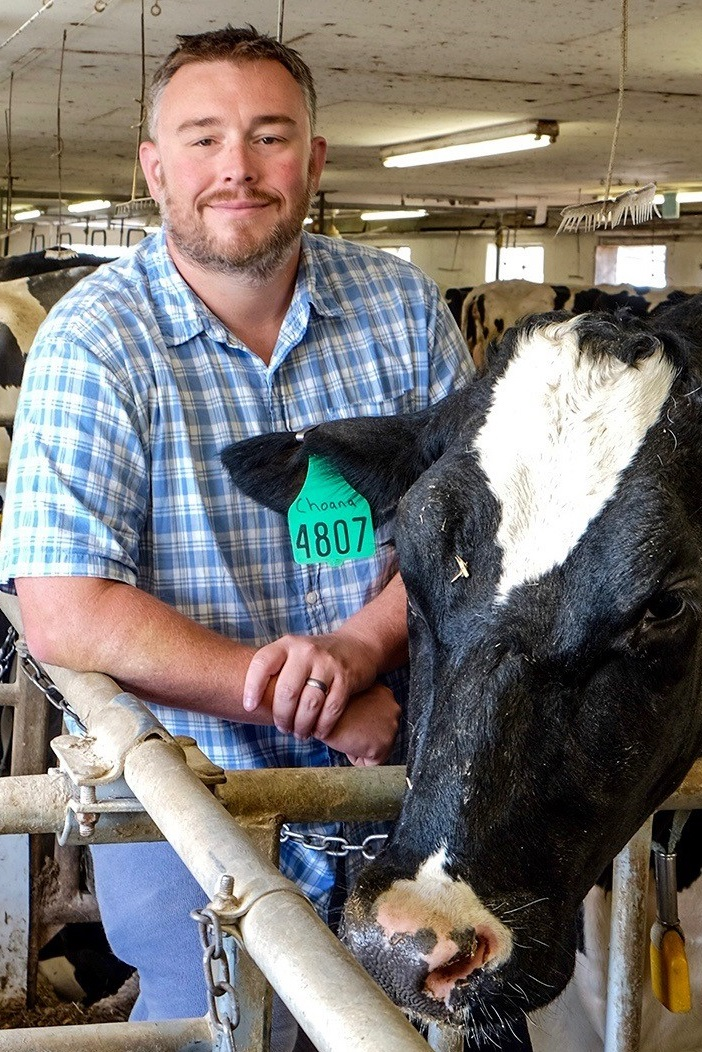 Adam Lock, Ph.D., of the Department of Animal Science, has been selected as the recipient of the 2026 CANR Excellence in Research Impact Award for his work on high oleic soybean innovations in dairy nutrition.
The CANR Excellence in Research Award program recognizes the outstanding contributions of CANR researchers to MSU’s research mission. In particular, the awards emphasize research that delivers meaningful impact to academic and external stakeholder communities. The Impact Award, co‑sponsored by AgBioResearch and MSU Extension, honors research projects that have made an outstanding and measurable difference for stakeholders.
Lock, a professor of dairy nutrition and associate chair for farm operations, has developed a highly influential applied research and Extension program since joining MSU in 2009. His work focuses on fatty acid digestion and metabolism in dairy cows and has shaped feeding strategies that improve nutrient utilization, enhance milk component yields and support more sustainable dairy production.
A central example of Lock’s impact is his leadership in advancing the use of high oleic soybeans in dairy diets. Through controlled studies and on-farm trials, Lock and his team demonstrated that Michigan-grown high oleic soybeans can replace imported fat and protein supplements while maintaining, and often improving, milk performance and feed efficiency. The research has been rapidly adopted by producers, who report lower feed costs and strong gains in income over feed cost.
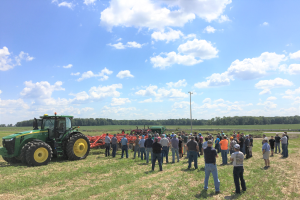
The success of this work reflects extensive collaboration among the Lock Lipid Lab, students and industry partners, helping ensure research outcomes addressed real producer needs and could be implemented quickly. Lock also shares his findings widely through on-farm demonstrations, producer meetings and Extension outreach, strengthening Michigan’s agricultural economy by supporting local soybean producers and reducing reliance on imported feed ingredients.