Michigan State soil judging team places fourth regionally, earns top individual honor
 Print
 Email
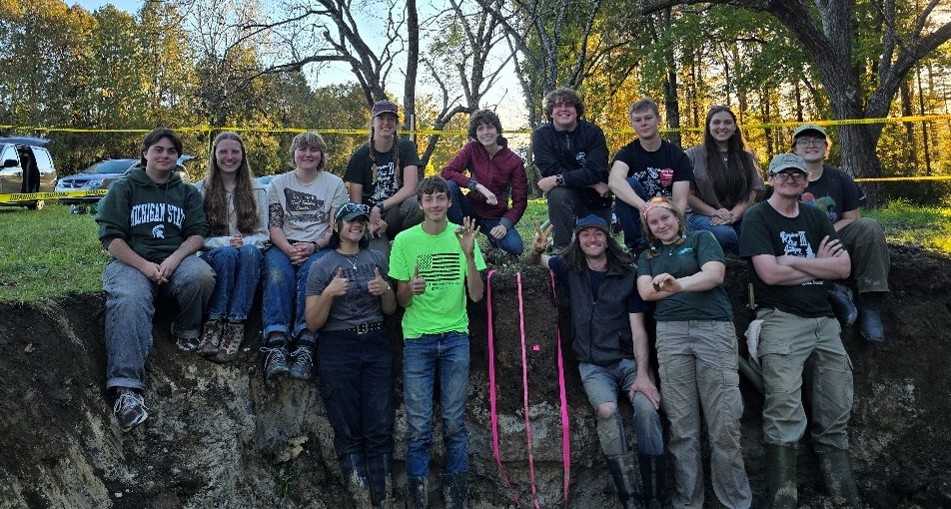
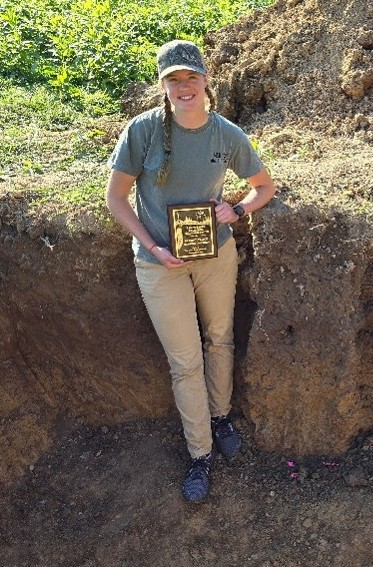
MSU's soil judging team placed fourth among nine schools at the 2026 Region III Collegiate Soils Contest, hosted Oct. 20-23 by The Ohio State University. MSU senior Abigail Guza also placed 2nd overall among competitors from across the Midwest.
EAST LANSING, Mich. — Michigan State University's soil judging team placed fourth among nine schools at the 2026 Region III Collegiate Soils Contest, held Oct. 20-23 and hosted by The Ohio State University. The Spartans also celebrated an outstanding individual performance, with MSU senior Abigail Guza placing 2nd overall among 68 individual competitors from across the Midwest.
The final team rankings were as follows:
1st – Purdue University
2nd – UW Platteville
3rd – UW-Stevens Point
4th – Michigan State University
5th – University of Illinois
6th – UW Madison
7th – Ohio State University
8th – Southern Illinois University
9th – Grand Valley State University
The top four teams typically qualify for the National Collegiate Soils Contest when eight or nine teams compete in Region III. However, MSU will not advance this year because regional rules guarantee the host institution a spot in the national contest regardless of its finish.
Because the team's senior members will graduate this year, they will not have another opportunity to compete for MSU at the national contest.
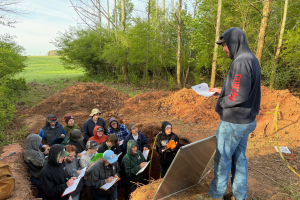
In collegiate soil judging, competitors examine exposed soil profiles, identify and describe soil horizons, classify soils and evaluate their suitability for agriculture, construction and other land uses. Students must make these assessments independently, often under strict time constraints, with their interpretations scored against official descriptions prepared by professional soil scientists.
“These students worked incredibly hard and earned the fourth-place finish. I share their frustration and disappointment with the outcome; the rankings reflect their training and preparation for this event,” said Barret Wessel, assistant professor in the Department of Plant, Soil and Microbial Sciences and coach of the MSU soil judging team. “All of the students learned a great deal on this trip and were able to see some amazing soil features and production systems. These students deserve recognition for their efforts and for their great accomplishment!”
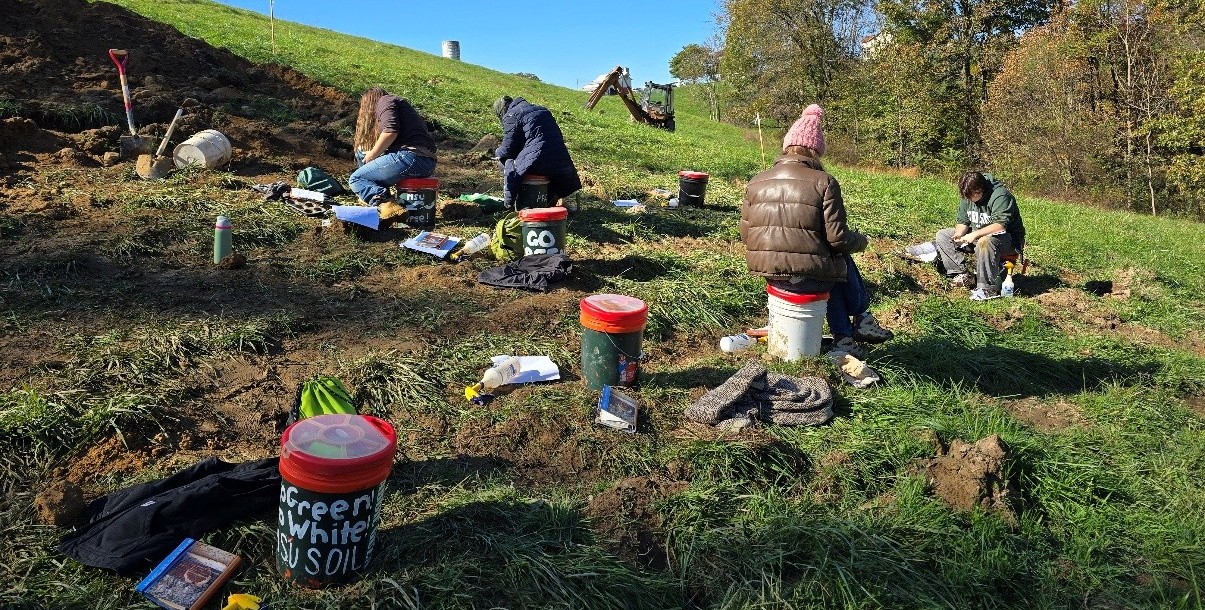
Beyond the competition, students gained hands-on experience evaluating soils in the field and had opportunities to connect with peers, faculty and professionals from across the region. Soil judging competitions provide valuable professional development and often serve as a pathway to careers and graduate study in soil science, agriculture and natural resources.
Donations to the MSU Soil Science Field Experience Teaching Fund support the Soil Judging Team. These funds provide essential training equipment, cover field trip costs and enable students to attend competitions, offering them valuable opportunities to apply what they’ve learned in the classroom to real-world situations.