MSU Researchers Show Sport Hunting Benefits Wildlife Conservation
 Print
Print Email
EmailNew research published in Nature Sustainability indicates the conservation benefits of sport hunting are on target
Key Takeaways:
- MSU Fisheries and Wildlife faculty investigated the effects of sport hunting on the conservation status of mammal species worldwide.
- “Our results indicate that, at the species level, sport hunting globally is associated with improved conservations status of mammals.”
- This study furthers evidence of the benefits of sustainable use in wildlife management.
EAST LANSING, Mich. — For millions of people across the globe, consumptive use of wild animals is key to their livelihoods. From food security and economic prosperity to cultural traditions and societal identity, many depend on the wild meat and revenue generated from hunting. However, the value of wildlife and resulting high demand for wild meat can lead to over-exploitation, jeopardizing the existence of some species.
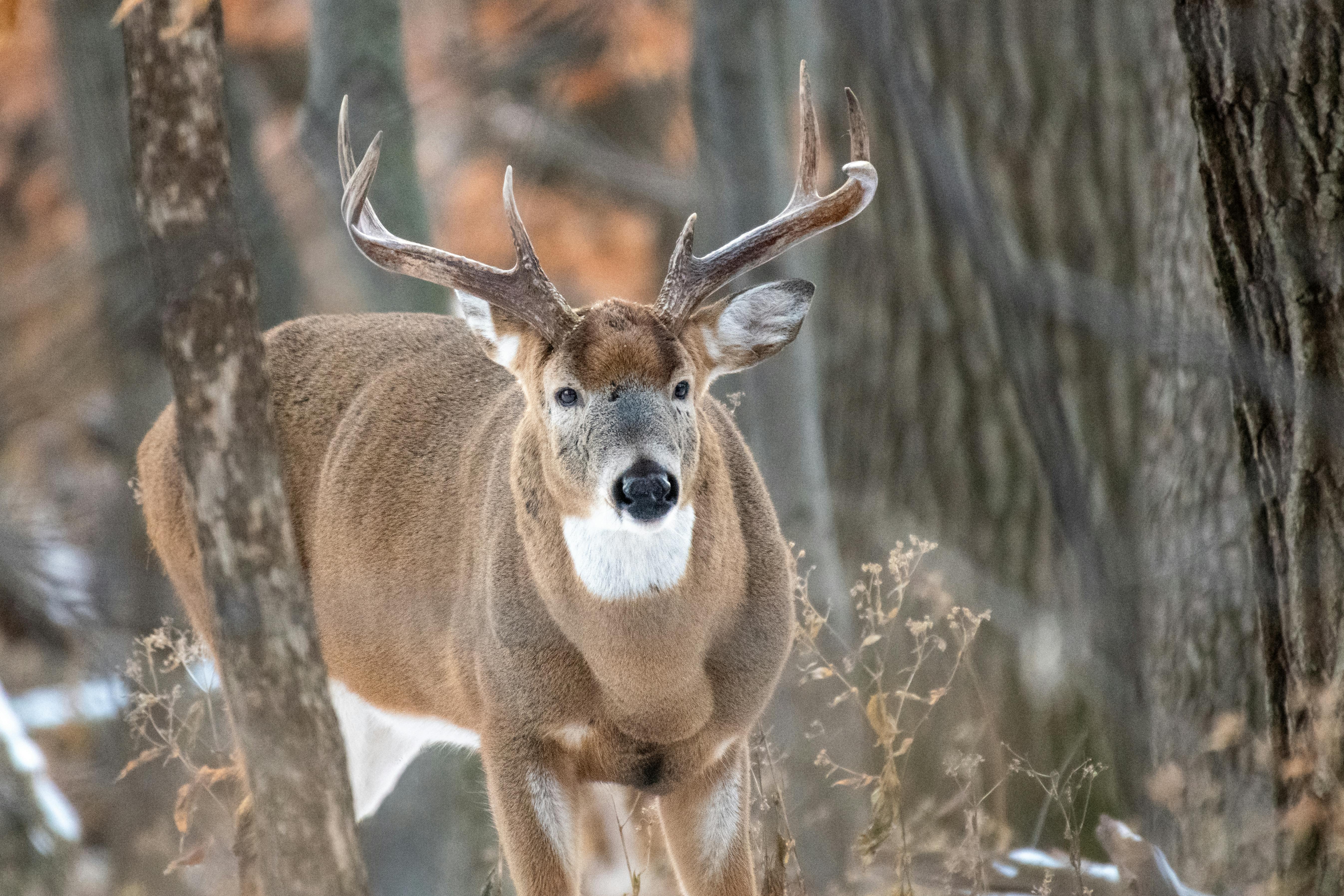
Perceptions of hunting also vary widely. For some, hunting is a valued pastime and an opportunity to connect to the natural world, while others believe hunting to be inhumane or damaging to the environment. Similarly, different types of hunting may have different impacts. In contrast to hunting primarily for food, sport hunting—taking wildlife for recreational purposes—is more highly regulated compared with many other forms of hunting. These multifaceted aspects of hunting suggest a need to better understand the impacts of hunting, and that’s where MSU researchers come in.
In a newly published paper by Fisheries and Wildlife Department researchers and Wild Foods Institute members Dr. Jacob E. Hill, Dr. Kenneth F. Kellner and Dr. Jerrold L. Belant (Boone and Crockett Chair of Wildlife Conservation) in Nature Sustainability, a closer examination of these relationships reveals that properly managed sport hunting can be a beneficial component of sustainable wildlife management.
Hunting for food and sport hunting occur in part for different reasons and consequently have different impacts. Motivations can differ and enforced laws and regulations take different shapes which could result in differing impacts of subsistence and sport hunting on wildlife conservation. To provide a clearer view of this reality, MSU researchers analyzed use and trade data from the IUCN Red List—a global inventory of species’ conservation statuses—on more than 1,600 mammal species worldwide to test their hypotheses about relationships between the type of hunting and conservation status of these species.
Considering that revenue generated from sport hunting is often given back to wildlife management agencies or local communities to aid in supporting public services, researchers hypothesized there might be a more favorable conservation status for sport hunted species. Conversely, researchers also hypothesized that wild species hunted for food would have a less favorable conservation status compared to those not used for food, due to potential over-hunting and the crucial nature of food for human survival.
 Photo Credit: GForsey (Shutterstock)
The study results confirmed the hypothesis that sport hunted species were less likely to be threatened and were more likely to have stable or even increasing populations compared to non-sport hunted species. Researchers suggest this is in part a consequence of highly managed and sustainable sport hunting creating revenue. These funds are used to bolster anti-poaching efforts and support large expanses of suitable habitat and other management activities, furthering wildlife conservation and preventing habitat loss for wildlife and humans alike.
The results also indicated that species hunted for food were not more likely to have decreasing populations or be classified as threatened, a surprising result as household consumption and commercial benefits were more likely the reason for illegal wildlife killings. However, in some regions, habitat loss is the primary driver of species loss, with hunting a secondary factor.
Additionally, the research showed that some areas have gone beyond a sustainable hunting system. Certain areas experienced over-harvesting of larger species, leaving only smaller animals for continued sustainable hunting. Consequently, the negative effects of hunting for food on species’ conservation may be hidden by the previous removal of species most likely impacted by hunting.
Ultimately, this research sheds light on a longstanding debate by indicating that among other benefits, sport hunting can positively contribute to wildlife conservation. From the resulting meat contributing to food security, to generated funds supporting economic growth and conservation, sport hunting emerges from this new research as an important part of sustainable wildlife management.
Read the full paper by FW researchers Dr. Jacob E. Hill, Dr. Kenneth F. Kellner and Dr. Jerrold L. Belant in Nature Sustainability.