Mum mishaps
 Print
 Email
Garden chrysanthemums are the dominant fall crop to deliver color. Discover mum mishaps, possible causes and solutions for next year.
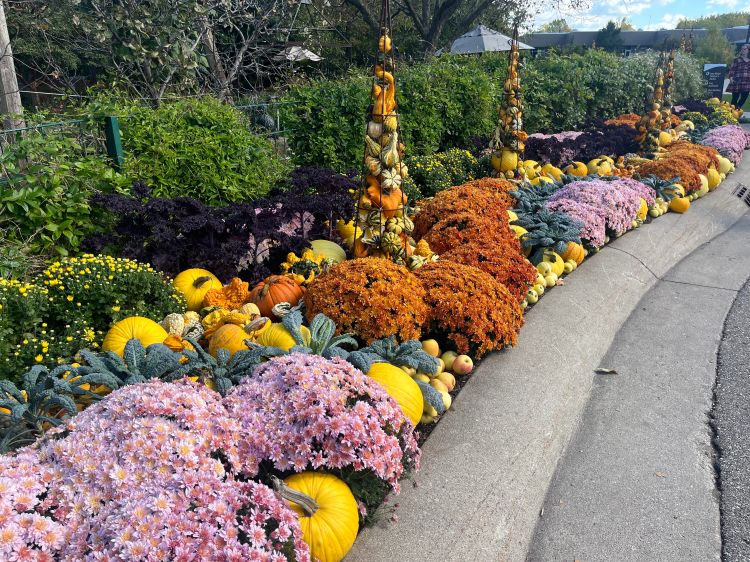
Garden chrysanthemums are an excellent way to dress up your porch and landscape (Photo 1) to usher in the fall season. Chrysanthemums are a highly programmable and relatively easy-to-produce monoculture crop compared with the highly diversified spring crops.
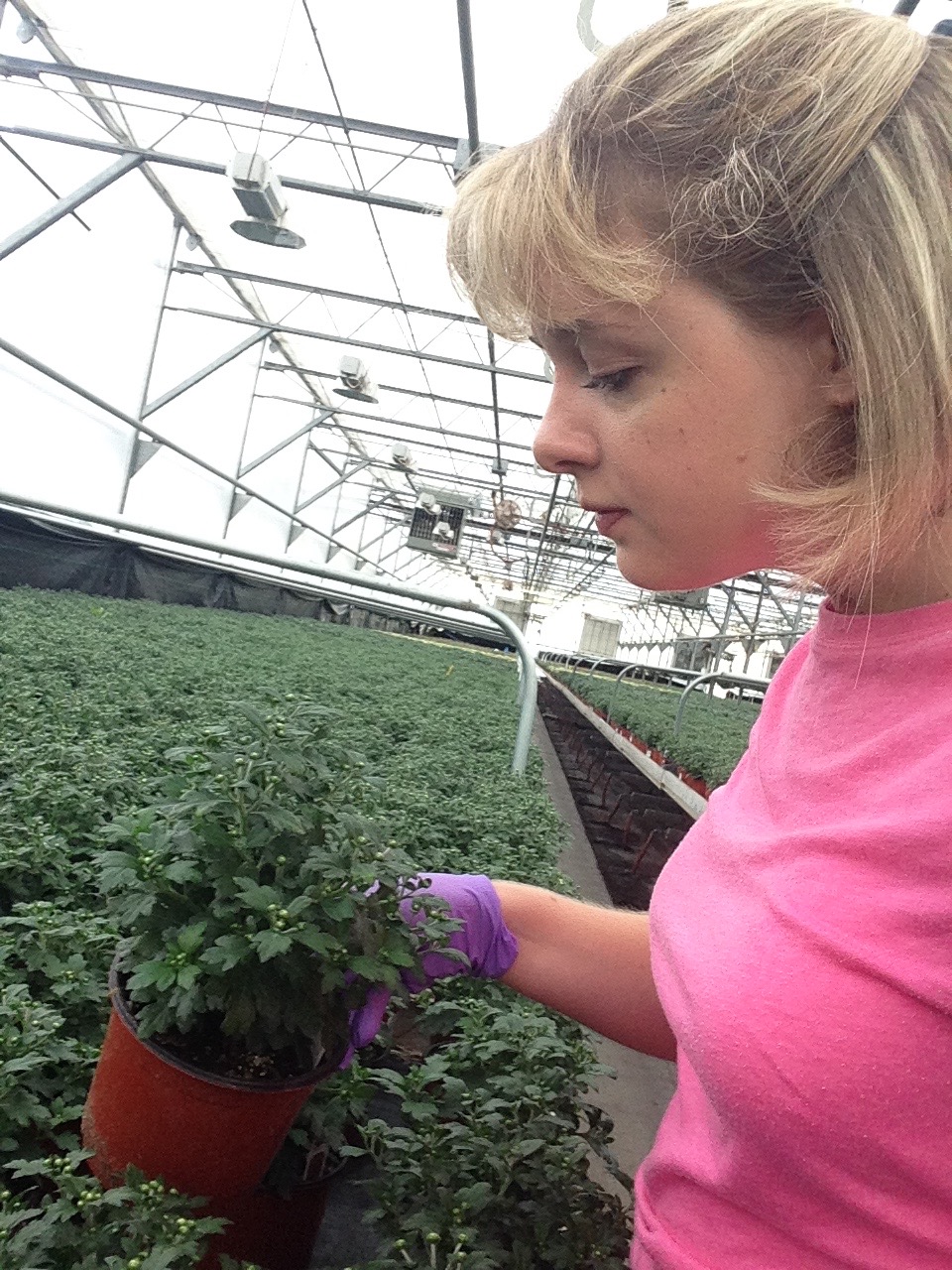
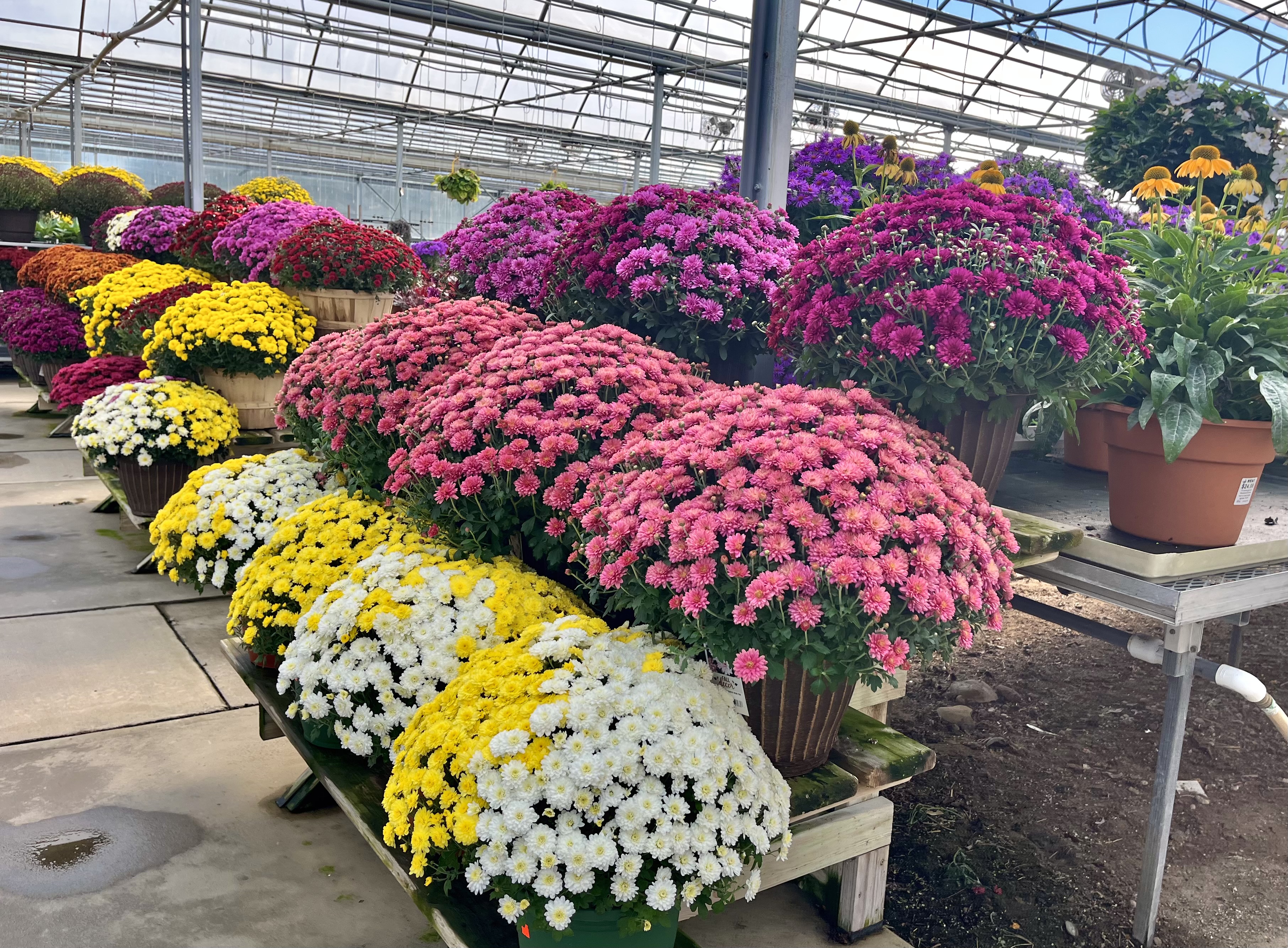
Michigan State University Extension has been touring around the state looking at these fall crops (Photo 2) on retail shelves to see how the mum season went for growers and if there were any challenges with the final product. Most crops look stunning (Photo 3) and hopefully will sell well during the fall season. However, there are always some challenges.
Let’s review and discuss the possible causes and solutions for next year.
Mum Mishap #1: Broken canopy on large chrysanthemum container
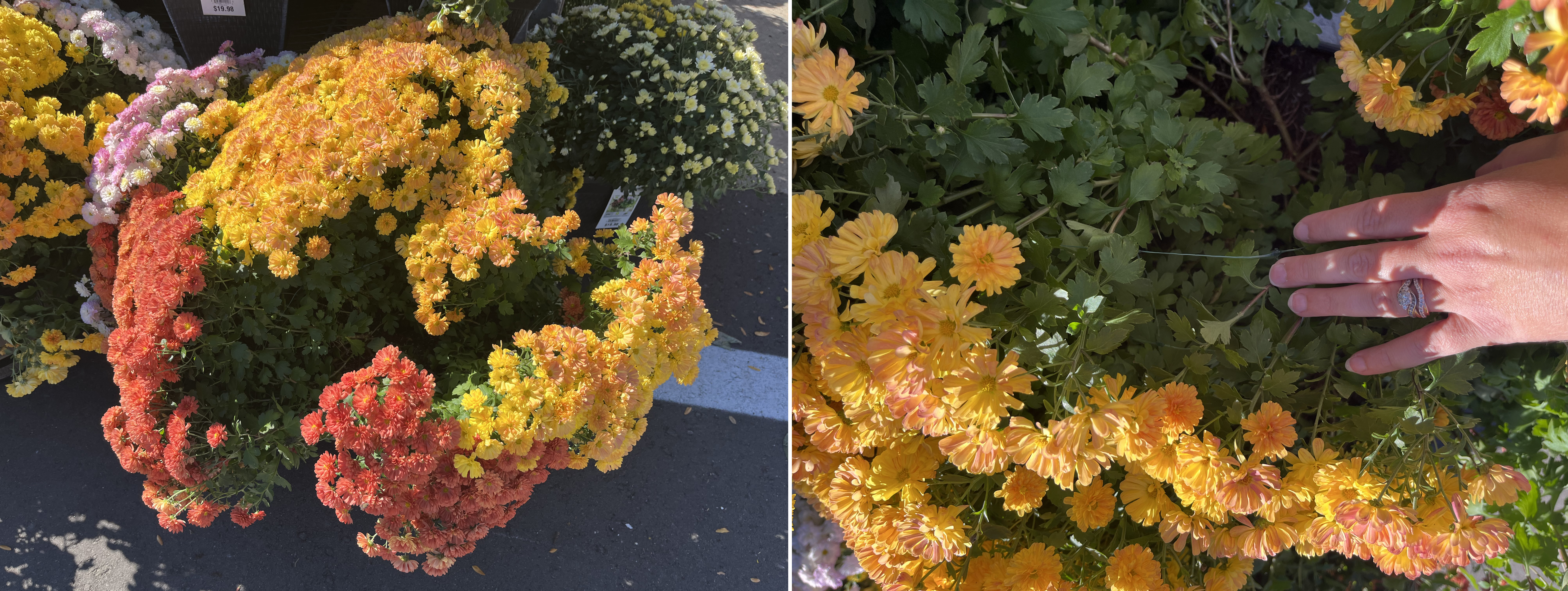
Problem: Broken canopy and flopping stems
Possible causes: Naturally tall varieties, applying the netting too late in production, not applying any or enough plant growth retardants (PGRs)
Remediation:
- Avoid naturally tall varieties
- Apply PGR drenches/sprays early and as needed
- Deliver high light and adequate plant spacing
- Netting alone is not often adequate for tall, floppy varieties. More rigid plant rings or tying with twine could be a better solution.
Mum Mishap #2: Floppy plants
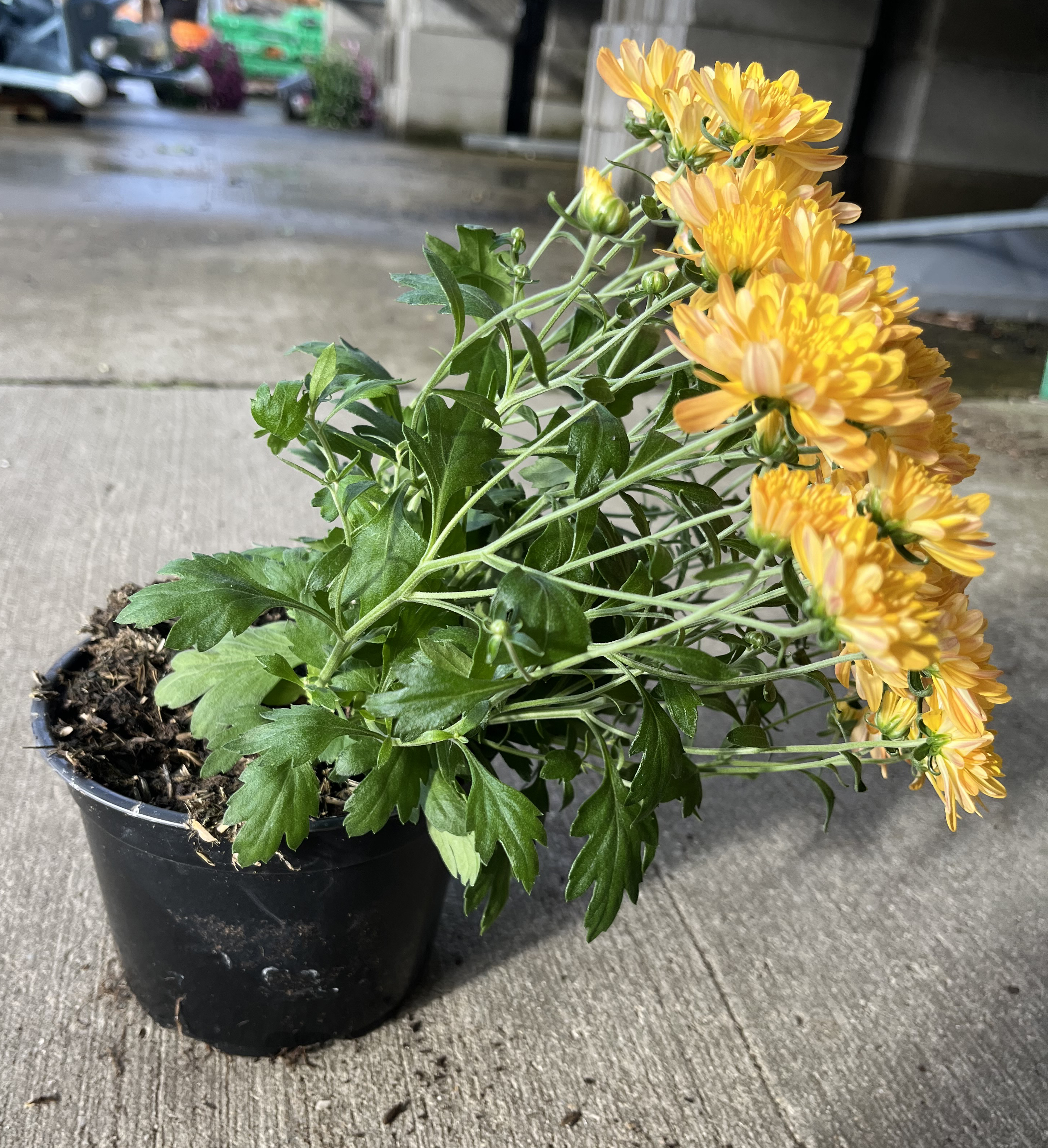
Problem: Floppy canopy, only flowers on the top
Possible causes: Growing mums pot tight, not letting enough light to penetrate the canopy, not applying any or enough plant growth retardants
Remediation:
- Avoid naturally tall varieties
- Apply PGR drenches/sprays early and as needed
- Provide spacing between plants for the high-quality, “ball-like” appearance
- Provide plants with more light
Note: Does it really need remediation? Mums offered at the lowest price points are often grown pot-tight to minimize input costs for price-sensitive customers. This mum could still look good if planted in a combination planter with other crops that can help hold it up.
Mum Mishap #3: Part of the canopy is vegetative and part is flowering
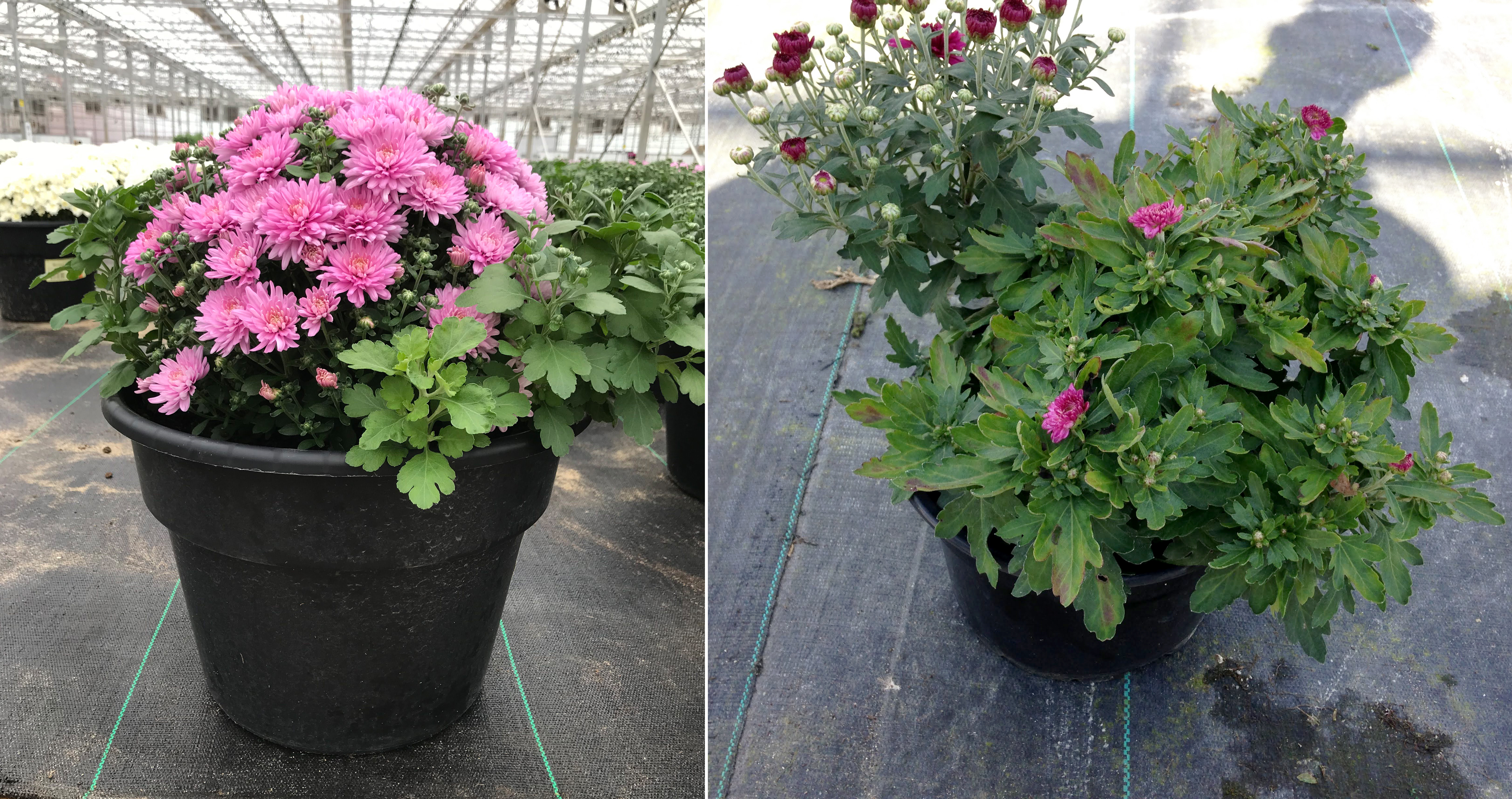
Problem: Uneven canopy and different varieties coming into color at different times
Possible causes: Applying plant growth regulators unevenly and not choosing varieties that have compatible bloom times. There are early, mid- and late-season mum varieties.
Remediation:
- Choose varieties that have similar bloom times and crop heights or use those in the same series
- Apply PGR drenches/sprays evenly throughout the crop
Mum Mishap #4: Mums are too short for the pot size
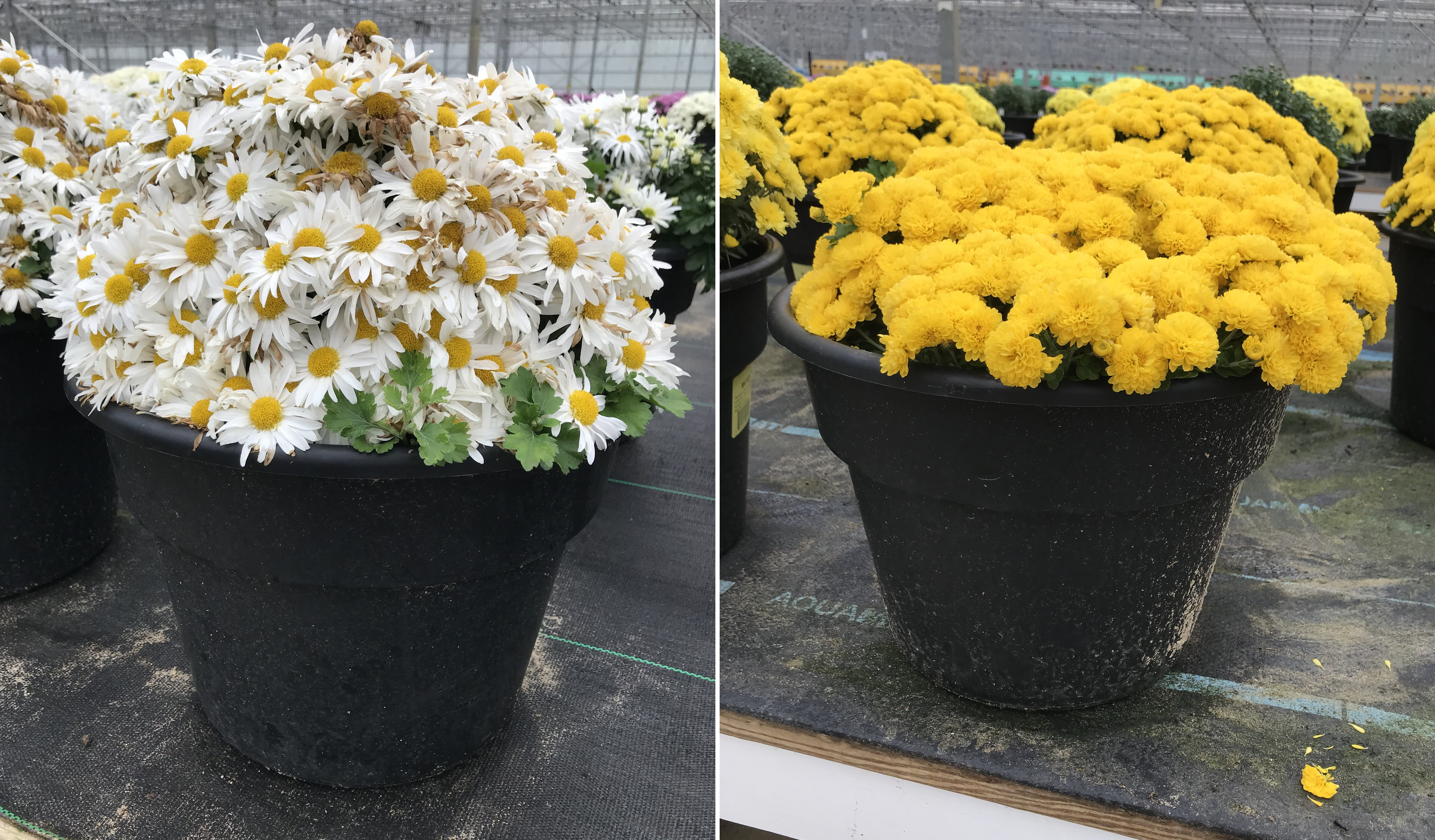
Problem: Short mums that are not an appropriate size for the pot size
Possible causes: PGR overdose, not delivering enough long days to keep plants in a vegetative state prior to flower induction
Remediation: Follow guidelines and recommendations when applying a PGR. Consult the breeder-provided grower specification sheet and provide a sufficiently long period of vegetative growth (long days) considering the container size and desired crop height.
Mum Mishap #5: Flowering only on the top of the plant
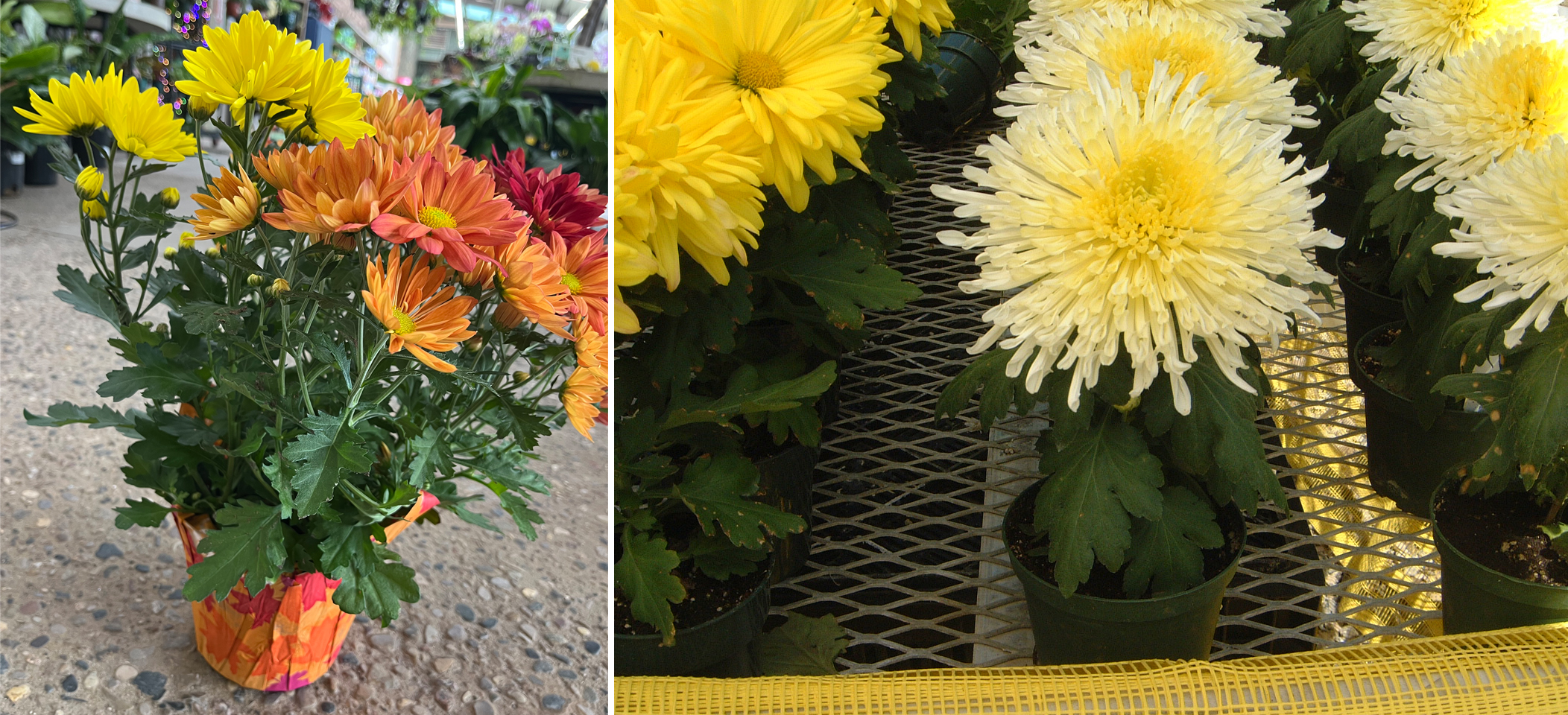
Problem: Tricked you! This is a high-quality florist chrysanthemum.
Possible causes: While florist and garden chrysanthemums are the same species (Chrysanthemum morifolium), florist mums are bred for interesting and unique flowers or cut flowers and not cold hardiness.
Remediation: Often times, florist mums are sold in decorative pots or with pot covers to make them more appealing and conceal more of the green foliage below the flowers. If you offer both types of mums, be sure to communicate to customers that florist mums are not cold hardy.
Mishap #6: Long forgotten chrysanthemum
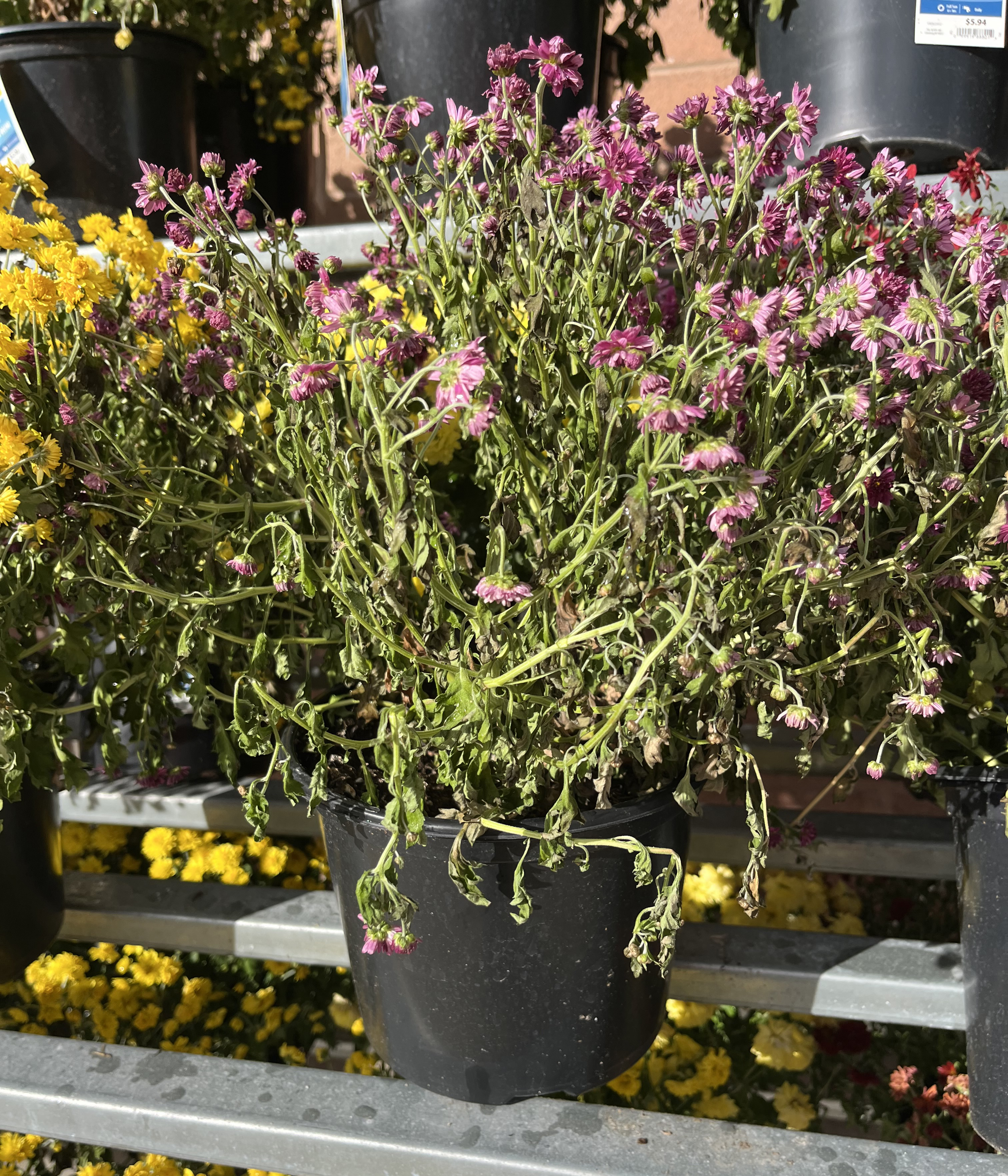
Problem: This poor, neglected chrysanthemum probably looked great coming off the truck but was not adequately watered on the retail shelf.
Possible causes: Lack of water; store does not opt into greenhouse merchandizing.
Remediation: Make sure someone on the staff oversees routine checking and watering of the plants in the retail area and especially those in front of the store!
Happy fall floriculture season!