New LakeCare initiative expands MSU Extension’s shoreline stewardship work in northern Michigan
 Print
Print Email
EmailNew funding will strengthen shoreline conservation efforts among state, Tribal and federal partners while supporting the creation of an MSU Extension shoreline educator position.
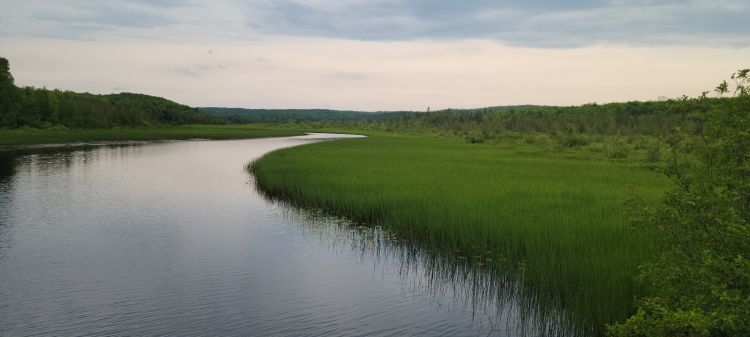
Michigan State University Extension is collaborating with state agencies, Tribal Nations and federal conservation partners on LakeCare, a new effort to enhance protection of inland lakes, shorelines and watersheds across Michigan’s Upper Peninsula and northern Lower Peninsula.
Through a $325,000 grant from the Michigan Department of Environment, Great Lakes, and Energy (EGLE), the MSU Extension Center for Lakes and Streams will help coordinate the project and lead stewardship outreach efforts in partnership with EGLE, the Michigan Department of Natural Resources (DNR), the Great Lakes Indian Fish and Wildlife Commission (GLIFWC), the Keweenaw Bay Indian Community, the Lac Vieux Desert Band of Lake Superior Chippewa Indians, the Little River Band of Ottawa Indians, and the Great Lakes Environmental Center with White Water Associates.
“As Michiganders, we can all play an essential role in protecting our watersheds,” said Sarah LeSage, planning and policy coordinator with EGLE’s Water Resources Division. “This new grant and partnership opportunity is an important step toward supporting inland lake conservation and restoration, ensuring these lakes remain vibrant both now and for future generations.”
As part of the initiative, MSU Extension will create a new shoreline educator position based in the Upper Peninsula to support project implementation. LakeCare is the result of a $5 million conservation effort funded through the National Fish and Wildlife Foundation with support from the U.S. Fish and Wildlife Service.
Why inland lakes matter
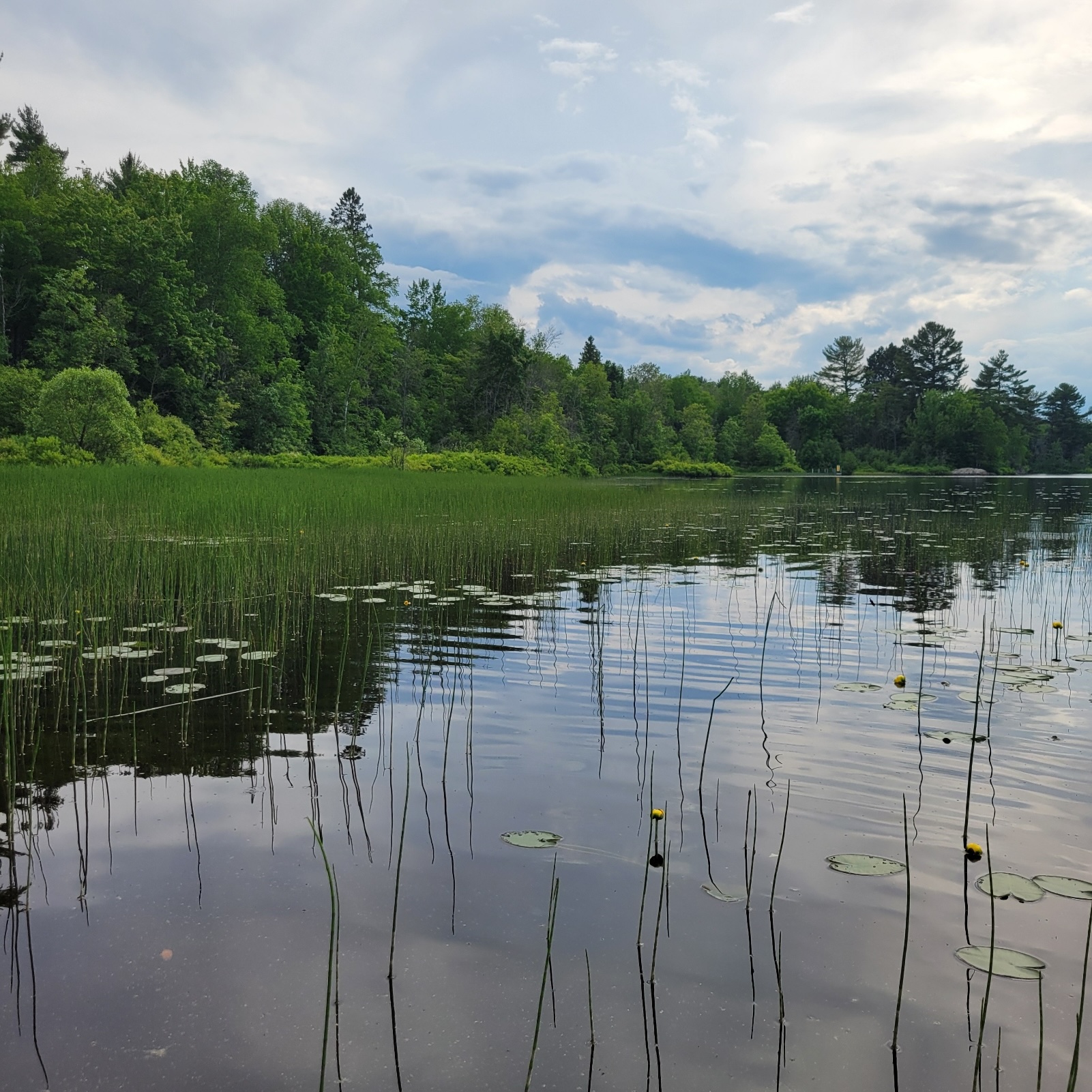
Although Michigan is often better known for its Great Lakes, the state is also home to more than 11,000 inland lakes that provide critical habitat, food sources and recreational opportunities.
According to the Michigan Department of Natural Resources, these waters support 154 freshwater fish species, including walleye as well as threatened or rare species such as cisco, lake sturgeon and lake whitefish. Beyond supporting fish populations, inland lakes are dynamic ecosystems that sustain a diversity of life, including birds, insects, plants, and humans.
Lakes, however, face growing challenges from declining water quality, shifts in seasonal patterns, and increasing shoreline and watershed development. These pressures can affect not only the lakes themselves, but also the species, communities and traditions that depend on them, underscoring the importance of proactive conservation and stewardship efforts that build long-term resilience.
More than water: Culture, community, and place
For Anishinaabeg rights-holders and Tribal Nations in Michigan’s Ceded Territories, inland lakes also support a broader network of relationships inseparable from cultural, spiritual, historical and contemporary ways of life.
Anishinaabeg have hunted, fished, harvested, and sought mino-bimaadiziwin – the good life – in what is now Michigan since time immemorial. Generations of living with and caring for these lands and waters have fostered a deep sense of place and knowledge rooted in these ongoing relationships with ancestral homelands. The continuation of these relationships remains central to the exercise of treaty rights and sovereignty.
Although each Anishinaabe Tribal Nation maintains its own distinct history, teachings, and cultural traditions, many share perspectives that emphasize reciprocity, relationship and responsibility. Within many of these worldviews, fish, wildlife, plants, bodies of water and other features of the natural world are viewed as relatives rather than resources, recognizing the role other beings play within an interconnected web of life. This perspective situates humans within a larger kinship network that carries a responsibility to care for and sustain the well-being of all relatives.
Through this lens, the health of lakes, waters, plants, animals and people can be understood as one, with each contributing to the well-being of the whole. This understanding of interconnectedness also highlights why a watershed-based approach to conservation is so important.
“Effective conservation begins by listening to the nibi (water) and restoring the reciprocal relationships between people and lakes. What happens across the watershed directly dictates the health of the entire aquatic ecosystem,” said Aaron Shultz, LakeCare partner and member of the Great Lakes Indian Fish and Wildlife Commission’s Inland Fisheries Team.
“By pairing shoreline rehabilitation with permanent land protection, the LakeCare program will safeguard these waters and the culturally vital beings – like ogaa (walleye) – that sustain people and future generations.”
Our shared future
Ecological science, Indigenous knowledge and lived experience each contribute valuable and meaningful insights into how these ecosystems function, why they matter, and what is needed to sustain them. Through LakeCare, these perspectives come together in support of a shared goal: healthy, resilient lakes and watersheds.
Designed to serve as a model for a future statewide lake stewardship program, LakeCare builds on existing education and training efforts through the Michigan Natural Shoreline Partnership and other conservation organizations. The initiative will first focus on five priority lakes and their surrounding watersheds in northern Michigan: Lake Gogebic (Gogebic and Ontonagon counties), Lake Michigamme (Marquette and Baraga counties), Portage Lake (Houghton County), Otter Lake (Houghton County), and Lake Independence (Marquette County).
These lakes were chosen based on their cultural and environmental significance to both tribes and resource management agencies, and their importance in sustaining cool- and cold-water habitat for fish and supporting other culturally important species. Future LakeCare work may expand opportunities to additional eligible lakes within the Ceded Territories in the Upper Peninsula and northern Lower Michigan.
As a lead partner, the MSU Extension Center for Lakes and Streams will help coordinate outreach and education efforts across the project. A new Upper Peninsula-based shoreline educator will work with Tribal partners, lakefront property owners, community members, local land conservancies and other stakeholders to advance stewardship efforts both on and off the water.
“Lake conservation operates at the intersection of people and lakes. Through MSU Extension, our team works directly with individuals, communities, and partners to protect and restore Michigan’s lakes, streams, and wetlands,” said Erick Elgin, an aquatic ecologist with the MSU Extension Center for Lakes and Streams and Vice Chair of the Michigan Natural Shoreline Partnership. “We’re looking forward to working with someone who is rooted in conservation, enjoys working with people, and is excited to help strengthen lake stewardship efforts through the LakeCare program.”
Responsibilities of the new position will include coordinating outreach and training events, developing educational materials, delivering presentations, supporting shoreline conservation projects, engaging with lake associations and landowners, and helping guide a project-wide communications and digital outreach efforts.
The views and conclusions contained in this document are those of the authors and should not be interpreted as representing the opinions or policies of the U.S. Government or the National Fish and Wildlife Foundation and its funding sources. Mention of trade names or commercial products does not constitute their endorsement by the U.S. Government, or the National Fish and Wildlife Foundation or its funding sources.