Obtaining official identification tags for swine in 2026
 Print
Print Email
EmailFamiliarize yourself with updates to the process for obtaining mandatory official identification tags for your 4-H swine project animals.
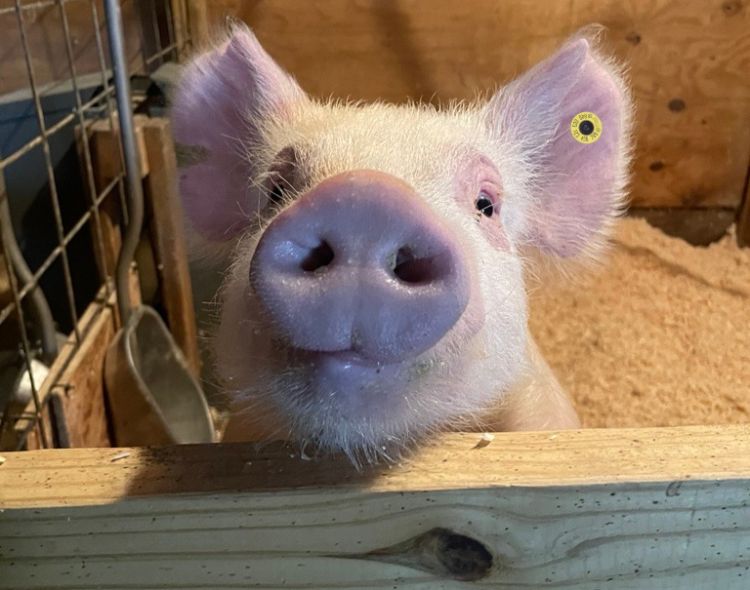
The 2026 fair season is quickly approaching and there are some important changes to swine tagging that breeders, exhibitors and fairs should be aware of. All swine being shown at exhibitions, including fairs and jackpot shows, must have official identification (ID) tags in accordance with Michigan state law. This requirement has not changed, but there are some updates to the process for obtaining tags in Michigan.
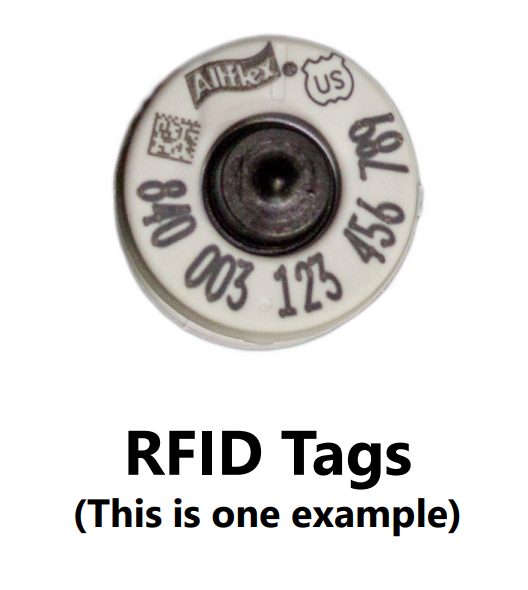
U.S. Department of Agriculture (USDA) 840 tags are the most common form of official ID tag. They have a unique 15-digit number beginning with 840, which is the United States country code. These tags are tamper-resistant and bear the U.S. shield. They are available with or without radio frequency identification (RFID); it is suggested to use a tag with an RFID option so fairs and exhibitions can use RFID tag readers during their event to easily record animal ID numbers.
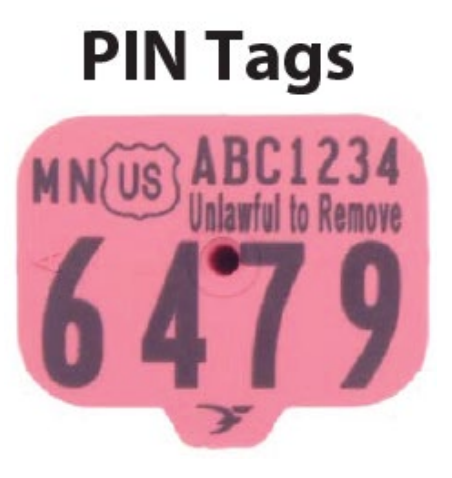
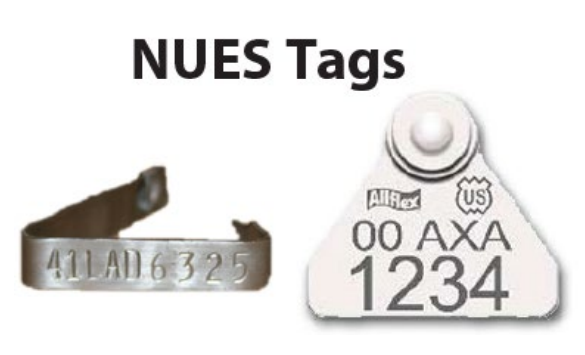
Premise Identification Number (PIN) tags and National Uniform Eartagging System (NUES) tags are also acceptable forms of official identification according to the Michigan Department of Agriculture and Rural Development (MDARD).
As of December 2025, 840 RFID tags are available to order at www.840swinetags.com at no cost as a part of a national effort to strengthen swine disease traceability. According to the USDA Animal and Plant Health Inspection Service, “traceability does not prevent disease, [but] it significantly reduces the time needed to respond to outbreaks, helping to limit the number of affected farms and animals. This, in turn, minimizes economic impacts on producers and their communities.”
Fair organizers can order free RFID tags for swine using the fairground’s PIN and 4-H program coordinators can order tags using their office PIN. Breeders can order using their farm’s PIN. A minimum order is 20 tags, and whomever is ordering should order the number of tags needed for the entire year. Anyone who orders and/or distributes tags must keep records for five years and make their records available to MDARD upon request. The records must include the tag numbers distributed to each exhibitor, exhibitor name, address where the pigs are located and date of distribution.
Preferably, pigs will have official ID tags when purchased from the breeder, though this is not required by law. If your pig does not have an official ID tag at the time of purchase, contact your fair office to see if they are providing tags to exhibitors. If your pig does not have an official ID tag at the time of purchase and your fair is not providing tags, you can find an interactive map of local vendors in Michigan on the MDARD website.
For more information about official identification, check out the MDARD Exhibition Swine Official ID Frequently Asked Questions document or the Michigan State University Extension Swine Exhibition webpage.