REFS Reflections : Dawn Burton
 Print
Print Email
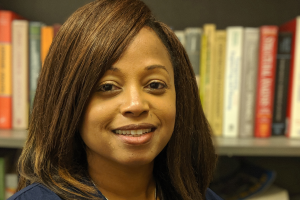
EmailMeet Dawn Burton, Assistant Director of Partnership and Community Collaboration a Prairie View A&M University- College of Agriculture, Cooperative Extension Program, and a member of Racial Equity in the Food Systems workgroup.
Dawn Burton is the Assistant Director of Partnership and Community Collaboration at Prairie View A&M University- College of Agriculture, Cooperative Extension Program. She has been a member of the Racial Equity in the Food Systems (REFS) workgroup since 2022. Learn more about her background and perspective in this reflective Q&A!
What is a moment in life that shaped your perspective on and approach to food systems?
There is not one moment in life that shaped my perspective on and approach to food systems. My perspective is continuously shaped as I am exposed to the opposite extremes of poverty and wealth. I am a foodie at heart. Food is an essential part of everyday life. Visiting places where extreme poverty or extreme wealth are present stays with me in indescribable ways. My curiosity and compassion are impacted by the struggles of poverty. My curiosity and imagination are impacted by the grandeur, illusions and excess of wealth.
How do you practice race equity-centered food systems leadership?
I practice race equity-centered food systems leadership very carefully in all the spaces I exist. Sometimes I am an unofficial voice for downstream stakeholders not at the table. Sometimes I use my position to advocate for needs not being discussed or addressed. Sometimes I share unique but relevant nuanced experiences or perspectives to conversations for consideration for impact. I try to meet whatever I see as the needs in the various places and spaces.
What is your personal challenge in race equity-centered work?
Even the most compassionate people have hidden biases that they are not willing to acknowledge. Language must be normalized and agreed upon before progress can be realized.
What hard question do we need to ask ourselves about food systems leadership and transformation?
How do we create a sustainable food system that is fair, in a unfair world?
How do we bridge "gaps" between and among worldviews through language and action?
To bridge gaps, it is necessary to make sure that a diverse group of affected stakeholders from various socio-economic levels and various regulatory agencies, are at the table and able to engage in meaningful conversations. Personal stories change hearts and minds. Policies and laws create infrastructure to close gaps. Agreement from both groups supports sustainable implementation.
What is the best advice you've been given?
Always maintain positive curiosity. We do not know what we do not know. In this ever-changing world, it is important for emerging food system leaders to maintain positive curiosity that will allow insight from an unexpected source or stakeholder. Wicked problems are not reduced or advanced with traditional perspectives or methods.