Regenerative agriculture in action: Grazing in cropping systems
 Print
Print Email
EmailWhile regenerative practices aim to improve soil, water, nutrient cycling and biodiversity—and strengthen farmer and community well being—they also come with challenges. Learn key insights on how to navigate and implement these different principles.
In February 2026, Michigan State University Extension partnered with the MSU Center for Regenerative Agriculture to offer a special webinar series on regenerative agriculture. These sessions brought together farmers, educators and landowners who are interested in healthier soils, stronger farms and more resilient rural communities.
The series introduced six key principles that help guide regenerative agriculture. These principles focus on things like keeping living roots in the soil, minimizing soil disturbance, increasing plant diversity, integrating livestock, and understanding your unique farm context. One important message from the series was clear: regenerative agriculture is not “one size fits all.” Every farm is different. Climate, soil type, crops, livestock and personal goals all matter. The goal of the webinar series was not to tell farmers exactly what to do, but to share ideas, examples and research that can help guide decisions.
Livestock integration
Denny Person of Person Farms along with Michigan State University (MSU) Extension educators Kable Thurlow and Frank Wardynski discussed integrating livestock into cropping systems during one session of the webinar series.
How soil systems work together
The session highlighted the principles of soil health and how applying them to your farm’s management can create farms with increased soil health. Healthy soils depend on several connected processes: mineral, water, energy and diversity. Plants capture sunlight and turn it into energy. Animals eat plants and return nutrients to the soil through manure. Microbes in the soil then recycle those nutrients so plants can use them again.
At the same time, good soil structure helps rainwater soak in instead of running off. This decreases soil loss and increases water storage for crops during dry times and replenishes the aquifer. Diverse plant systems also support wildlife. As soil health improves, farms may see more insects, birds and other animals. Strengthening these cycles can support a healthy and balanced farm ecosystem.
A significant and often highlighted goal in regenerative agriculture can be to integrate animals and cropland to encourage these cycles. While this is not a new concept, bringing animals back to cropland or starting this combined system may have some complications.
Learning from a farmer’s experience
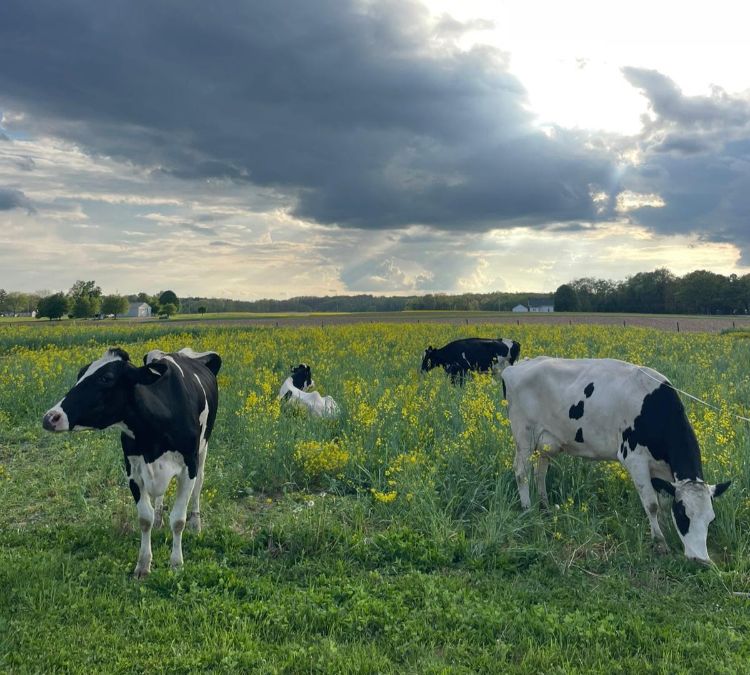
Person, who farms in Michigan, Ohio and Indiana, shared his journey of bringing livestock back to a crop-only farm. By grazing cover crops and crop residue and exploring adaptive grazing strategies, he has reduced feed costs, improved soil health and enhanced nutrient cycling on his farm.
Person was honest about challenges, including mud, fencing and water access. Wardynski and Thurlow also shared practical solutions and options for addressing these issues and reviewed key differences in grazing management strategies.
Person also shared that mistakes are part of learning. His advice to others was simple: start small, stay curious and connect with others who are on the same journey.
Support from MSU Extension
MSU Extension is committed to supporting farmers at every stage. Programs like pasture walks, grazing conferences and the Midwest Grazing Exchange help connect crop farmers and livestock producers across the region.
If you are curious about regenerative agriculture and animal integration into cropping systems, watch the following full webinar session.