Southwest Michigan field crops update – April 23, 2026
 Print
Print Email
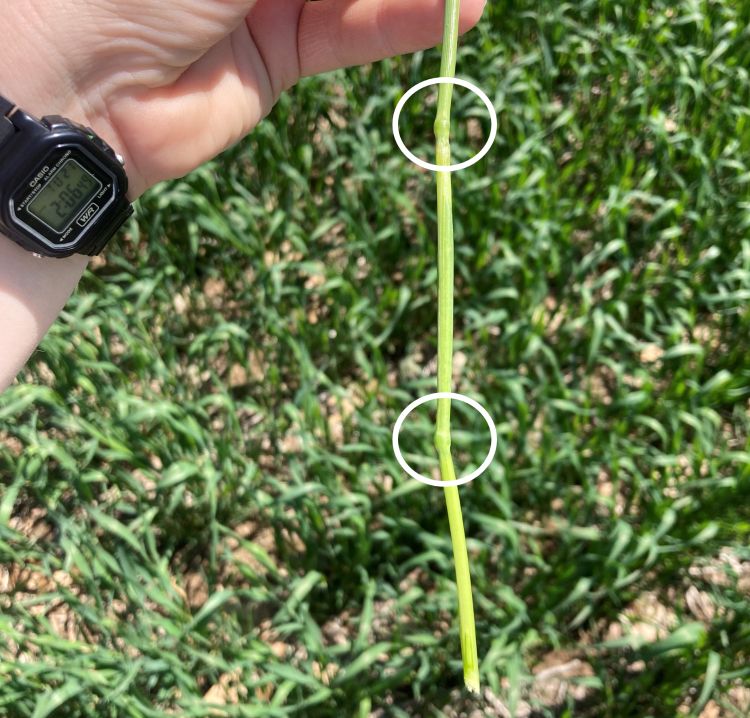
EmailWheat is at Feekes 7 (two nodes). Alfalfa weevil damage is starting in alfalfa. Some fieldwork occurred between pockets of rainfall.
Weather
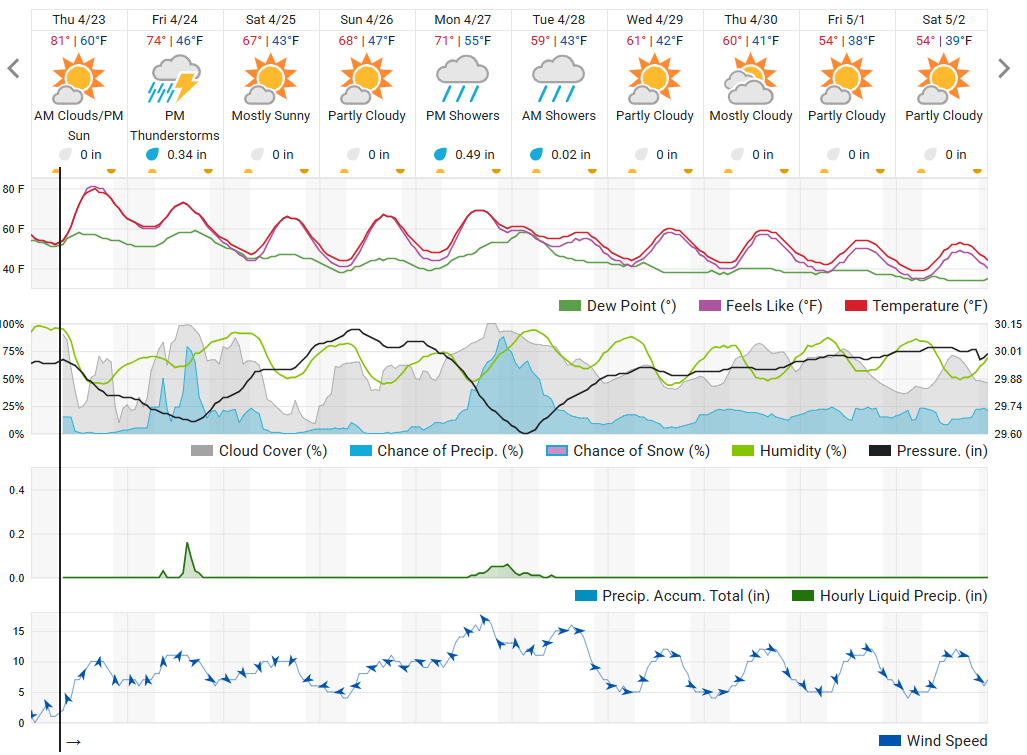
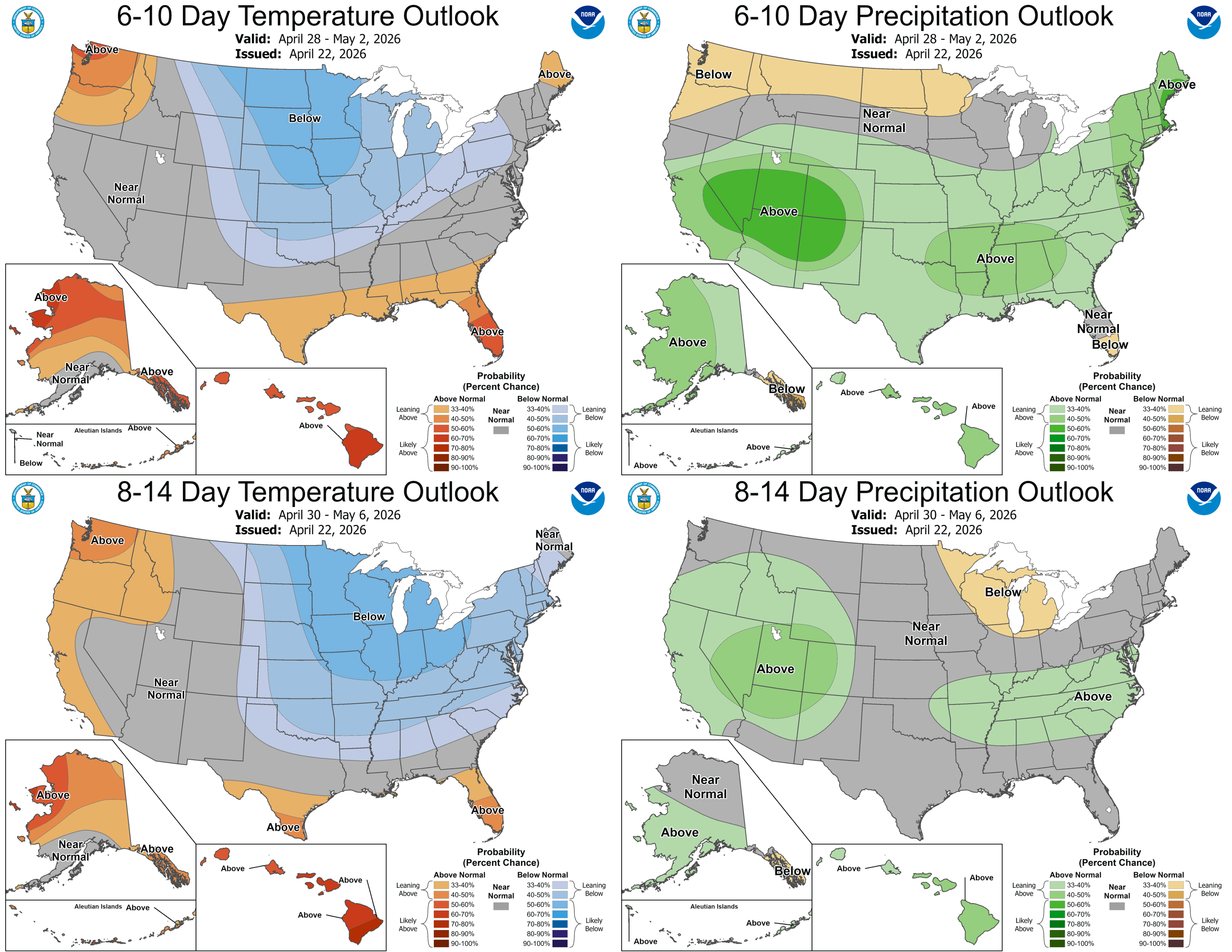
Heavy rainfall heading into last weekend was followed by a drop in temperatures, including a hard frost. By Tuesday, April 21, temperatures had increased again. Some fieldwork was able to occur before rain fell again that evening. Since April 1, the Constantine Enviroweather station has recorded just under 6 inches of precipitation. For the next week, significant rainfall is expected tomorrow, April 24, and Monday, with a good stretch of sunny, dry weather and slightly cooler temperatures to follow.
Crops and pests
Between pockets of rainfall, some fields received cover crop burndown applications, tillage, manure, dry fertilizer and/or lime this week. Corn and soybean planting continues to be delayed due to weather and field conditions. Peak flight and egg laying for seedcorn maggot occurred on April 10 based on the Constantine Enviroweather station data.
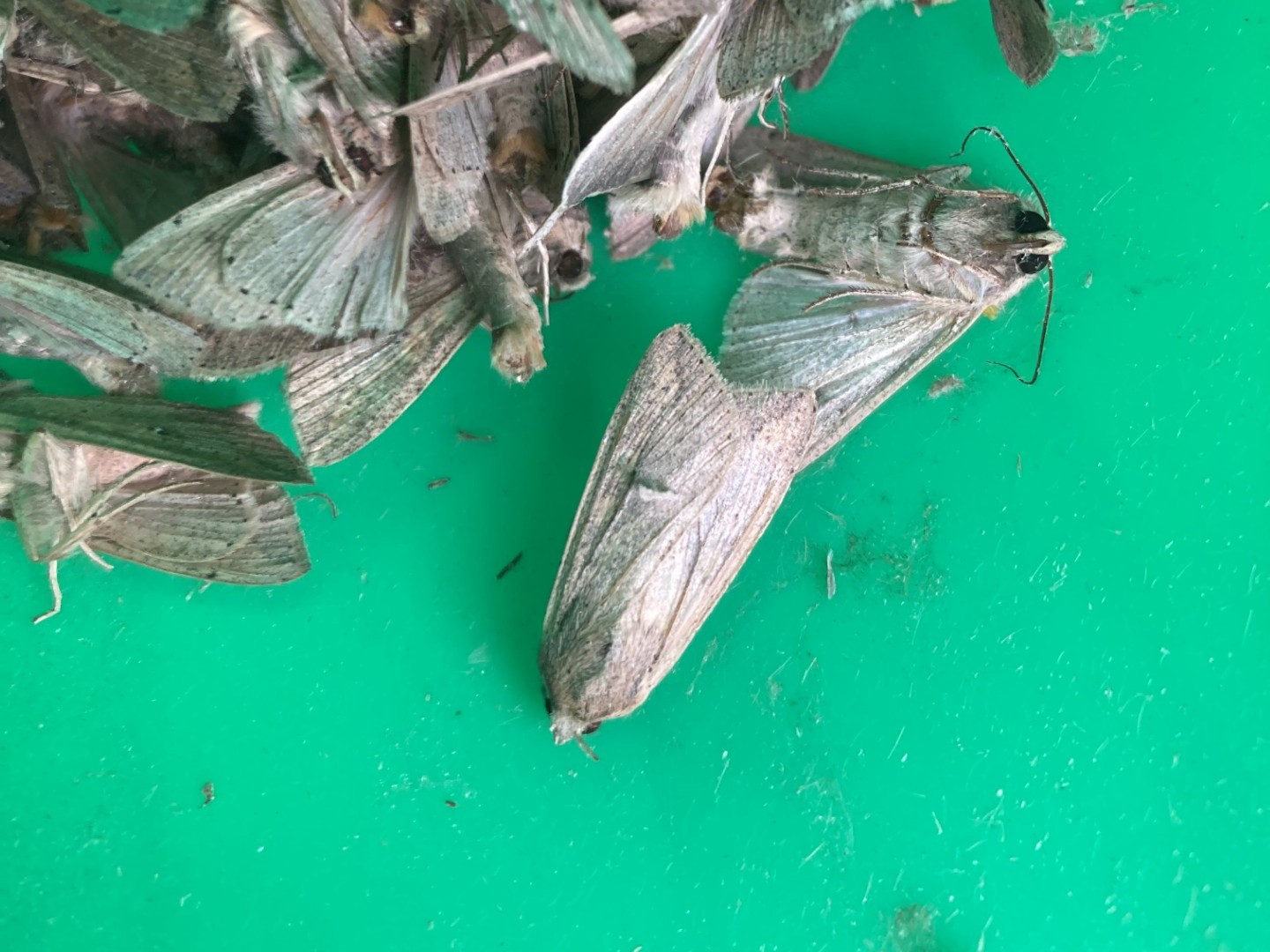
Bucket traps in Berrien County near Berrien Springs and Benton Harbor, St. Joseph County near Centreville and Van Buren County near Lawrence have caught the following:
True armyworm:
|
Date |
Berrien 1 |
Berrien 2 |
St. Joseph |
Van Buren |
|
4/6 |
1 |
-- |
20 |
0 |
|
4/13 |
9 |
0 |
105 |
11 |
|
4/20 |
34 |
3 |
37 |
9 |
Black cutworm:
|
Date |
Berrien 1 |
Berrien 2 |
St. Joseph |
Van Buren |
|
4/6 |
7 |
-- |
8 |
11 |
|
4/13 |
6 |
4 |
11 |
13 |
|
4/20 |
9 |
8 |
6 |
2 |
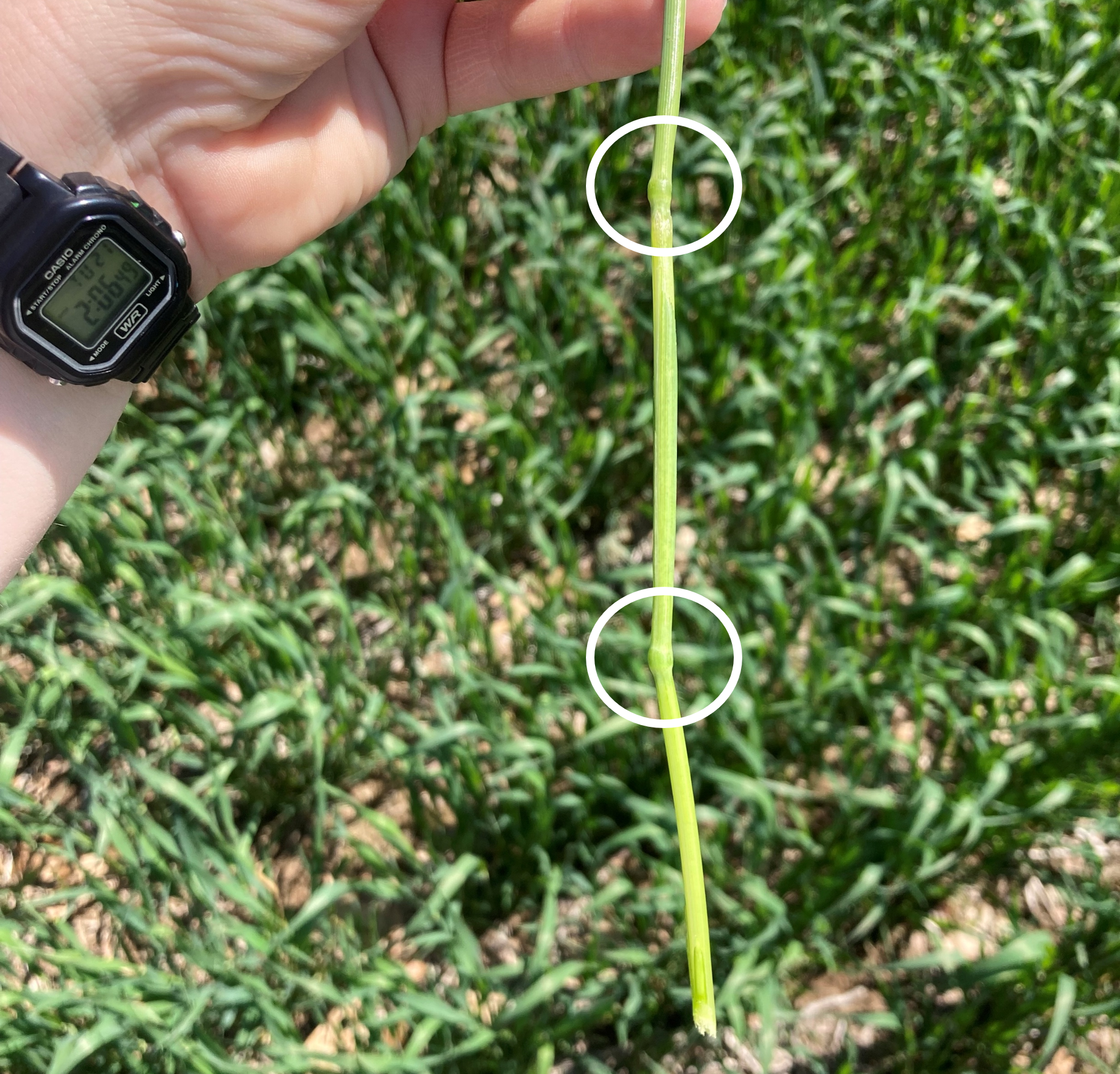
Winter wheat is at Feekes 7 (two nodes). At this stage, two distinct nodes or joints are on the stem. The head continues to move upward in the stem, making it more vulnerable to cold temperatures. Frost damage to leaves looks like white, curled over leaf tips. Watch out for damage to the head or stem structure, which may appear as watery lesions or soft tissues.
Feekes 7 is the last ideal stage for nitrogen application. Aphids are out in fields, and populations may build temporarily until natural enemy populations, like lady beetles or parasitoid wasps, respond. Last week, true armyworm moth counts peaked in St. Joseph County, so scout wheat for feeding damage and small larvae by shaking plants and checking the ground. Despite the rain, there have been no reports of foliar diseases.
Potato planting mostly stalled over the past week due to wet fields. Early planted fields that have received high quantities of rainfall are at potential risk of seed piece decay. Evaluate decay by digging up 10 or more seed pieces in several areas throughout the field and rating how much of the seed is soft, slimy or completely decayed.
Alfalfa and forages continued to develop. Fields with prolonged standing water or flooding are at high risk of plant loss. Alfalfa’s tolerance of wet soil is dependent on temperature. At 61 degrees Fahrenheit, alfalfa can survive inundation for 14 days, and at 70 F it can survive 10 days. Other factors that affect alfalfa survival are whether it is actively growing and how much of the plant is submerged.
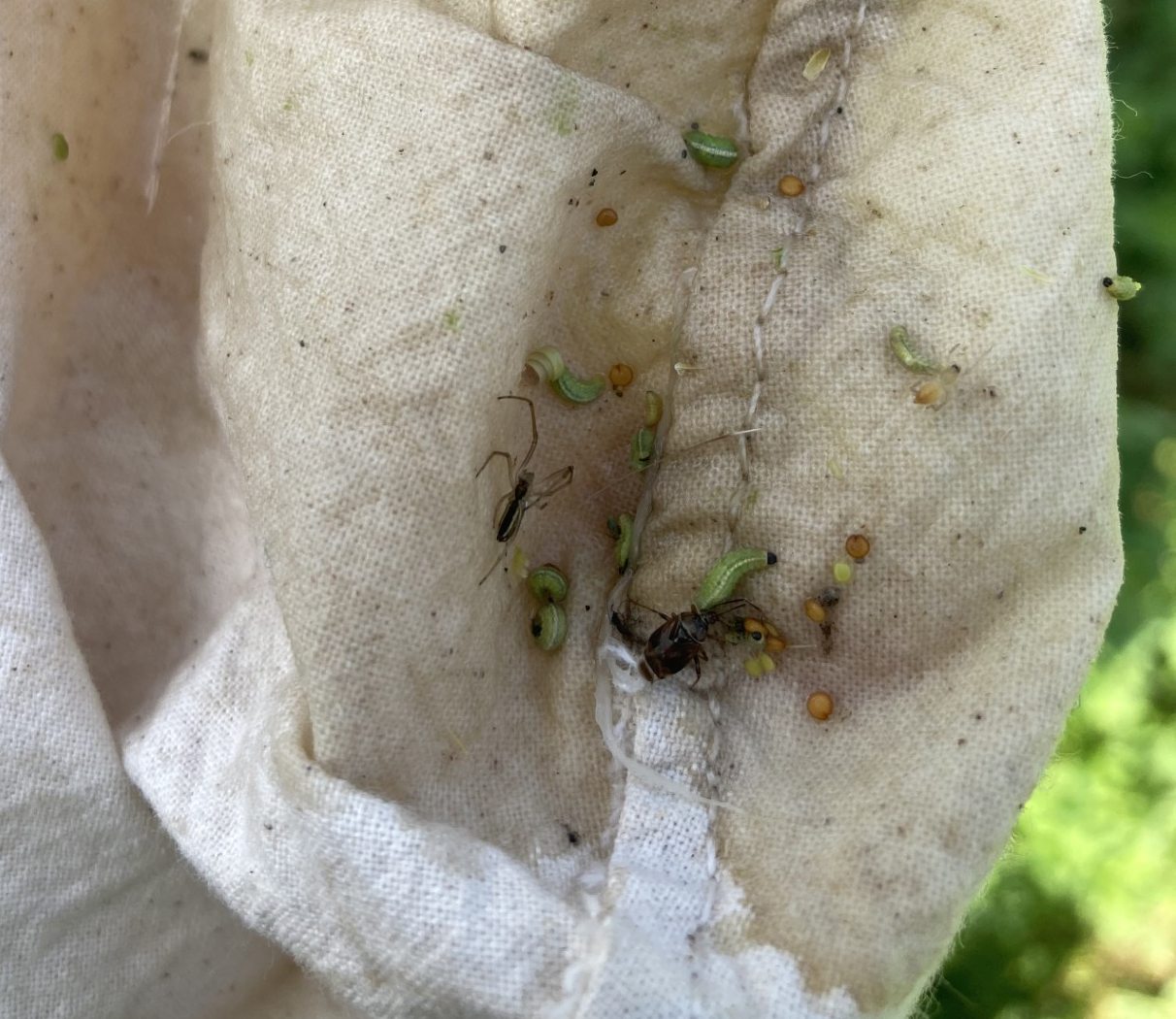
Alfalfa weevil larvae and feeding damage have begun. Alfalfa can tolerate significant feeding damage before it becomes economic to treat for alfalfa weevil. Natural enemies like predatory insects and parasitoid wasps often keep weevil populations in check on their own, so avoid treating for weevils chemically unless the field meets the following criteria (taken from “Weevils are popping in alfalfa fields” from Michigan State University Extension):
- The alfalfa is 9 inches tall and has more than 50% stem tips with feeding damage and has more than one larva per stem.
- The alfalfa is 12 inches tall and has more than 75% stem tips with feeding damage and has more than two larvae per stem.
Field Crops Virtual Breakfast Series

Optimizing alfalfa harvesting schedules, presented by Kim Cassida, was the topic for this week’s MSU Extension Field Crops Virtual Breakfast. Harvest timing requires considerations of alfalfa growth rates and weather, in combination with forage quality targets.
Recordings of this and all the Virtual Breakfast meetings are closed-captioned and available at the Field Crops Virtual Breakfast webpage and the MSU Extension Field Crops Team social media platforms: Facebook, Spotify, Mediaspace, YouTube, Apple Podcasts and Twitter/X.
This work is supported by the Crop Protection and Pest Management Program [grant no 2024-70006-43569] from the USDA National Institute of Food and Agriculture. Any opinions, findings, conclusions, or recommendations expressed in this publication are those of the author(s) and do not necessarily reflect the view of the U.S. Department of Agriculture.