Southwest Michigan field crops update – April 30, 2026
 Print
Print Email
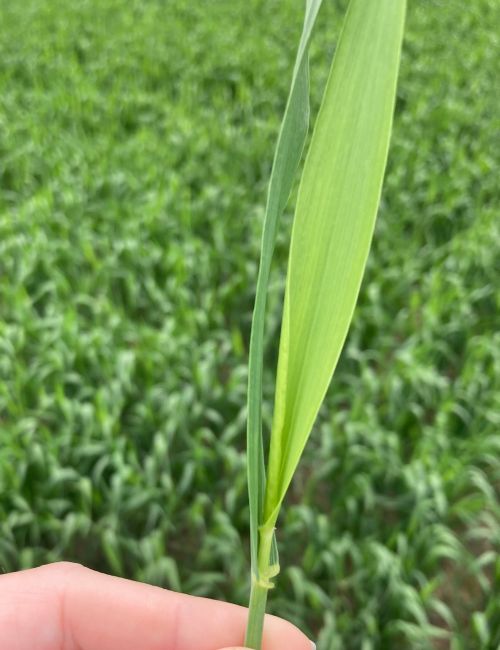
EmailWheat is at Feekes 8 (flag leaf emerging) and 9 (flag leaf ligule visible). Corn and soybean planting has started.
Weather
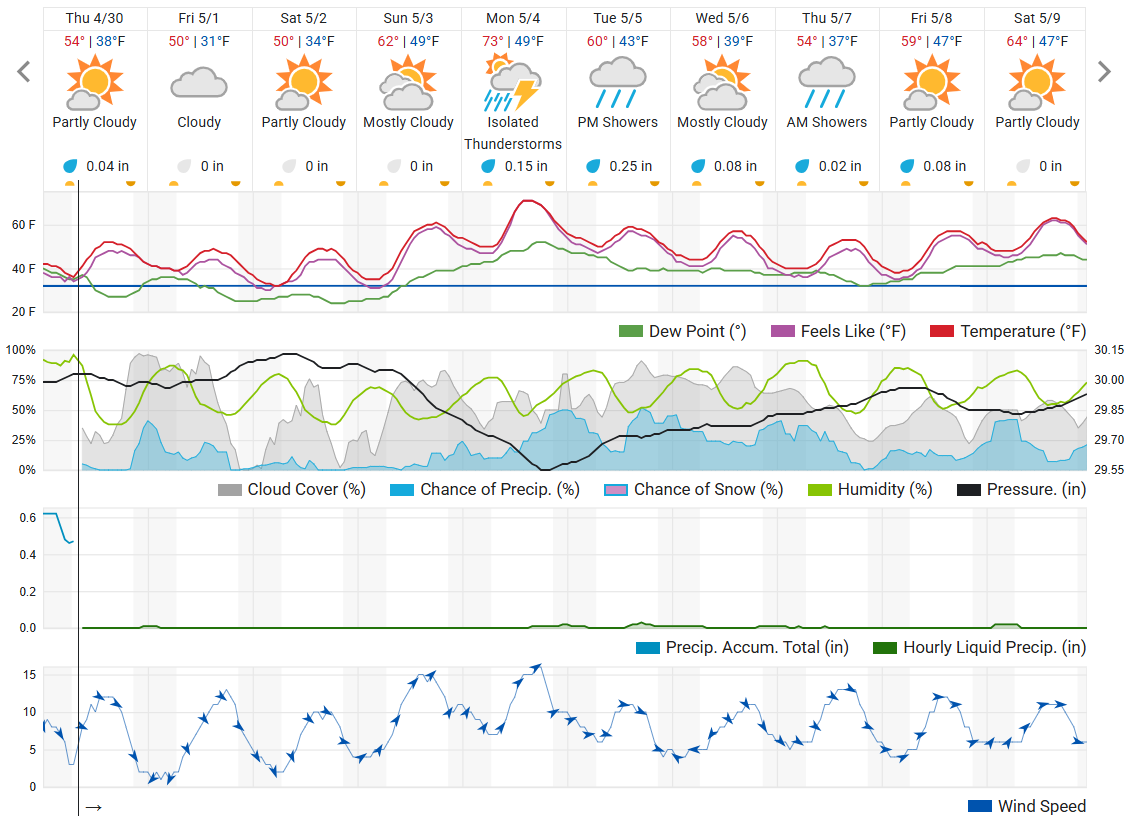
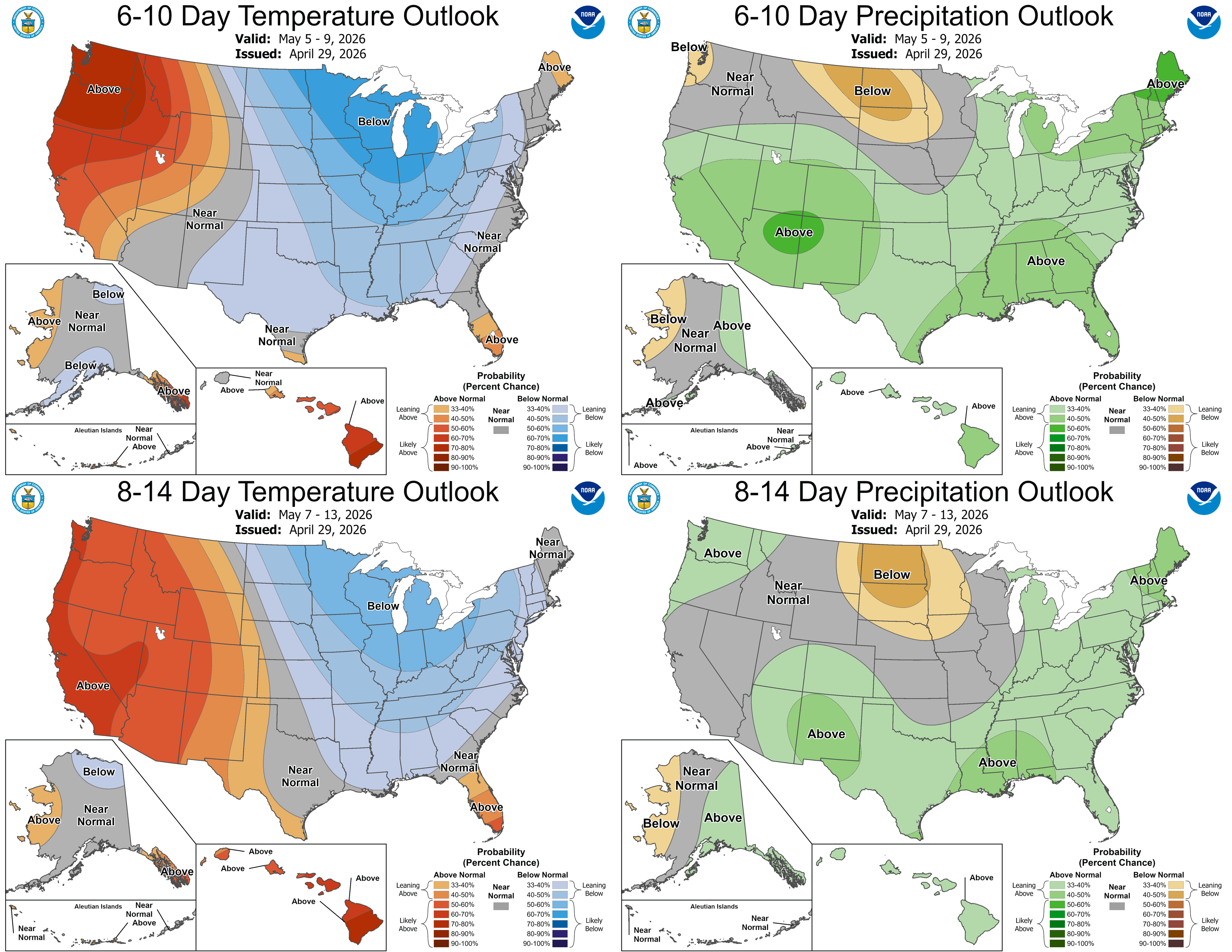
This past week saw two good stretches of dry weather between rainfall events. Temperatures were slightly cooler than the previous week but daytime highs were still adequate for crop growth. Watch for frost conditions leading into the weekend. Early next week will bring a slight increase in temperature and more precipitation.
Crops and pests
Corn and soybean planting began and made good progress considering the precipitation we received over the past week. Some cooperators have reported germination on their early-planted fields. Peak flight and egg laying for seedcorn maggot occurred April 10 based on data from the Constantine MSU Enviroweather station.
Northwest Ohio reported high counts of true armyworm and black cutworm over the past week, so more moths may be headed our way soon. Bucket traps in Berrien County near Berrien Springs, St. Joseph County near Centreville) and Van Buren County near Lawrence have caught the following:
True armyworm:
|
Date |
Berrien 1 |
St. Joseph |
Van Buren |
|---|---|---|---|
|
4/13 |
9 |
105 |
11 |
|
4/20 |
34 |
37 |
9 |
|
4/27 |
35 |
53 |
35 |
Black cutworm:
|
Date |
Berrien 1 |
St. Joseph |
Van Buren |
|---|---|---|---|
|
4/13 |
6 |
11 |
13 |
|
4/20 |
9 |
6 |
2 |
|
4/27 |
6 |
6 |
4 |
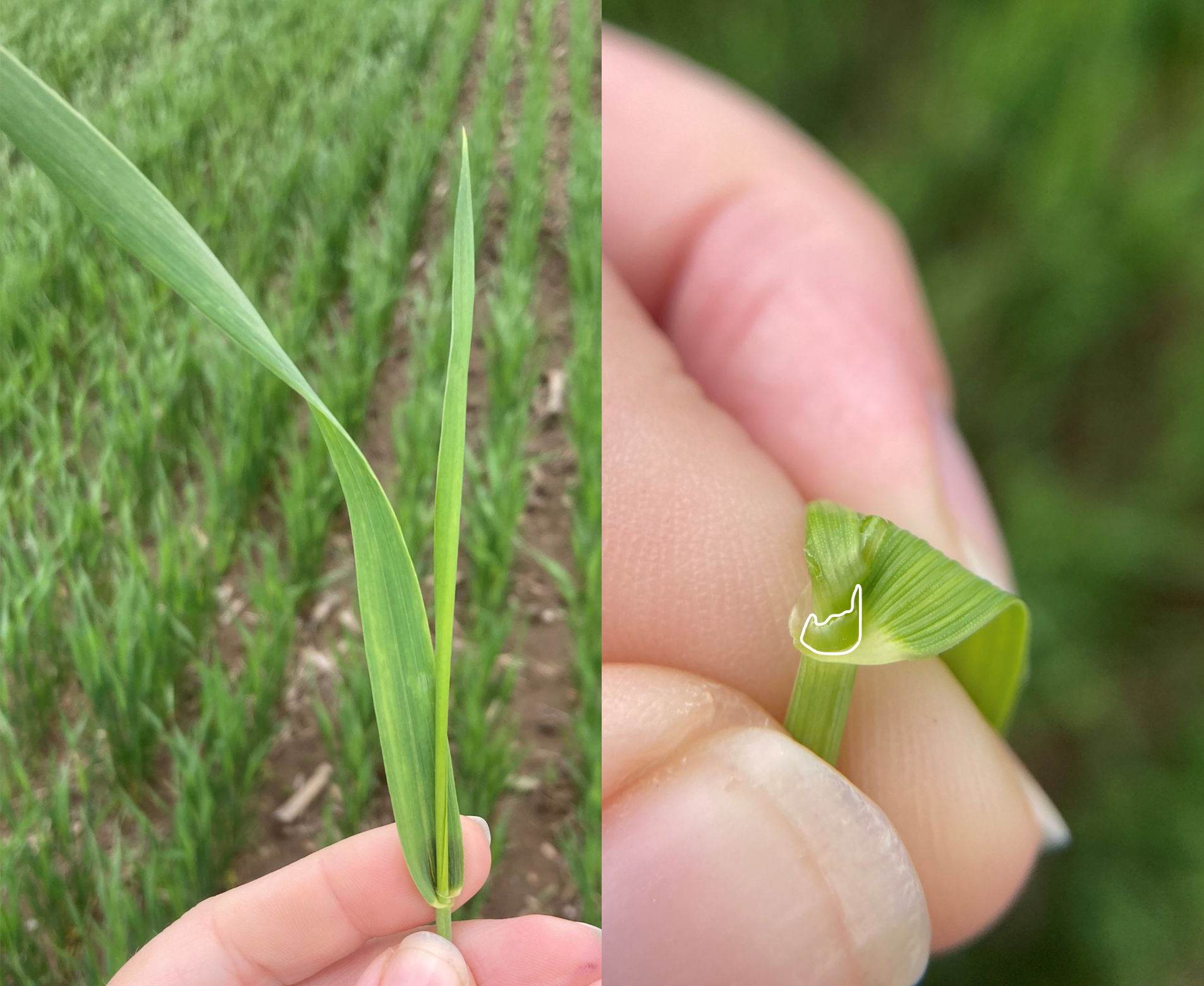
Winter wheat is at Feekes 8 (flag leaf emerging) and Feekes 9 (flag leaf ligule visible). In many fields, the flag leaf emerged with a noticeable yellow color or interveinal chlorosis. This may indicate a nutrient deficiency. Send in a tissue sample to confirm before weighing the benefits of applying something to correct it. The flag leaf contributes greatly to photosynthesis in wheat, more than any other leaf, so it is important to keep it free of disease and defoliation. Some flag leaf fungicide applications went out over the past week.
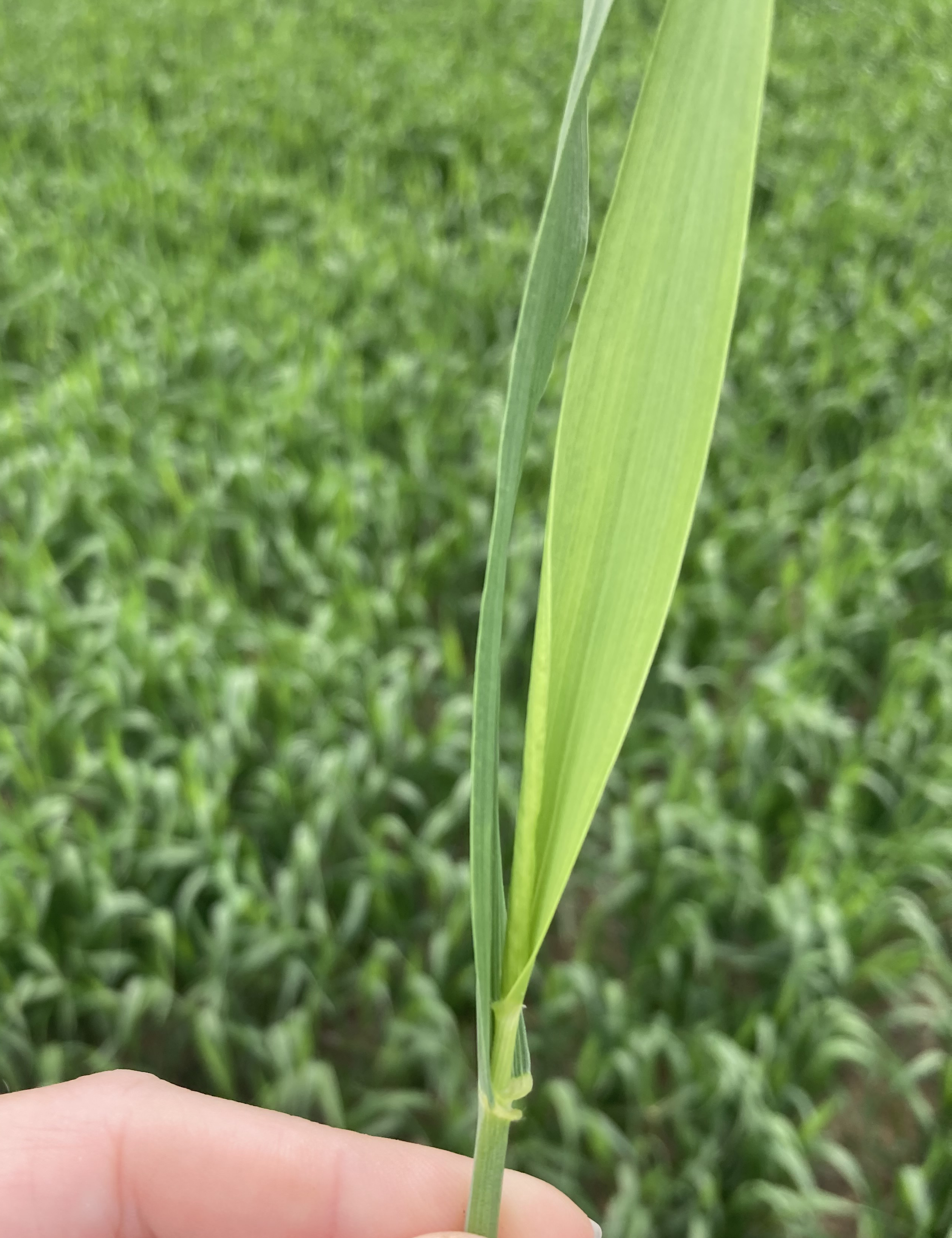
Aphids are out in fields in low numbers. Populations may build temporarily until natural enemy populations, like lady beetles or parasitoid wasps, respond. On April 13, true armyworm moth counts peaked in St. Joseph County, so scout wheat for feeding damage and small larvae by shaking plants and checking the ground.
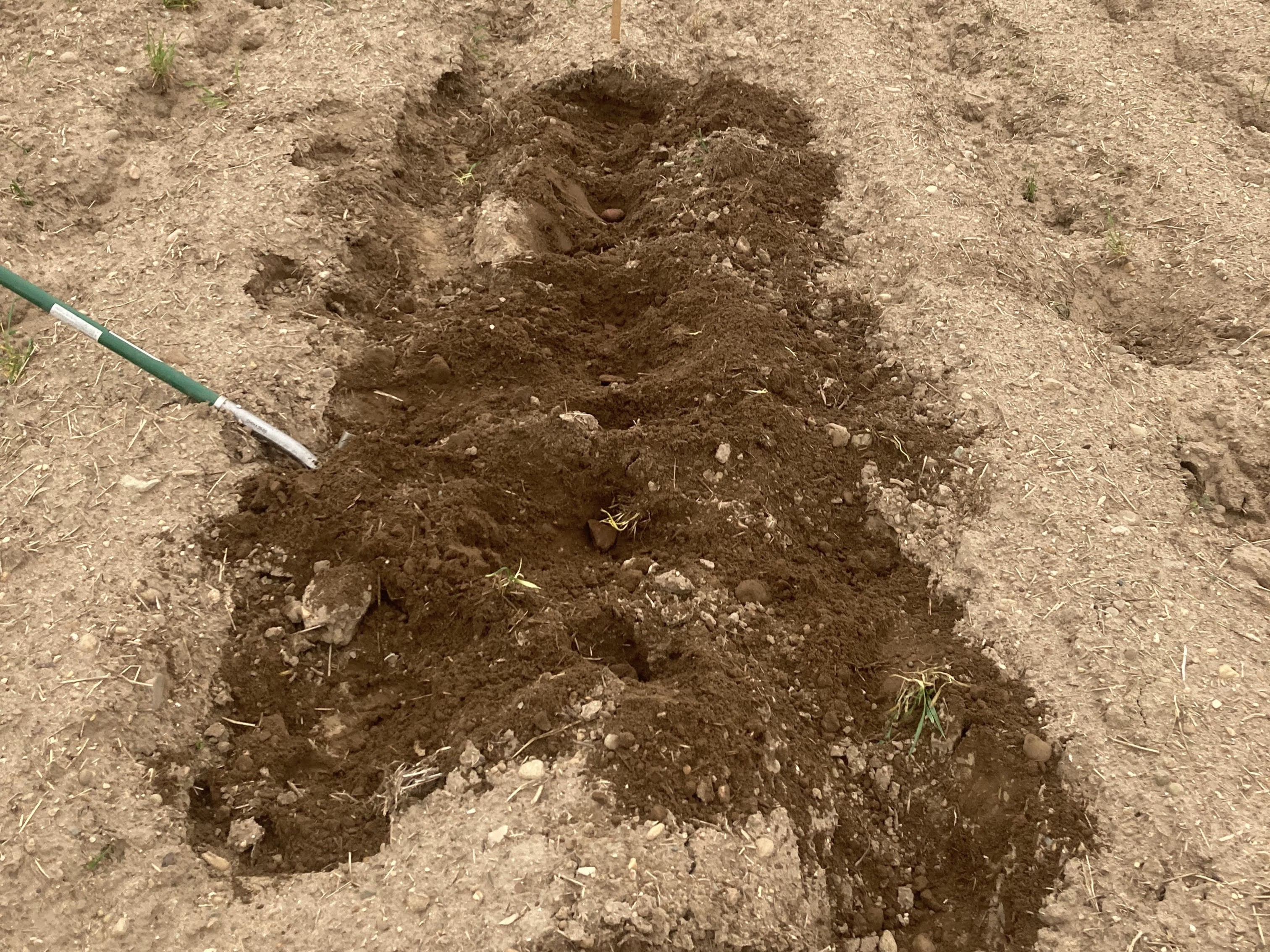
Potato planting continued this week as field conditions permitted. Fertilizer, cover crop burndown and residual herbicide applications went out. Early planted fields that received high quantities of rainfall are at potential risk of seed piece decay, especially if they are vulnerable varieties or marginal quality in storage. Evaluate decay by digging up 10 or more seed pieces in several areas throughout the field and rating how much of the seed is soft, slimy or completely decayed.
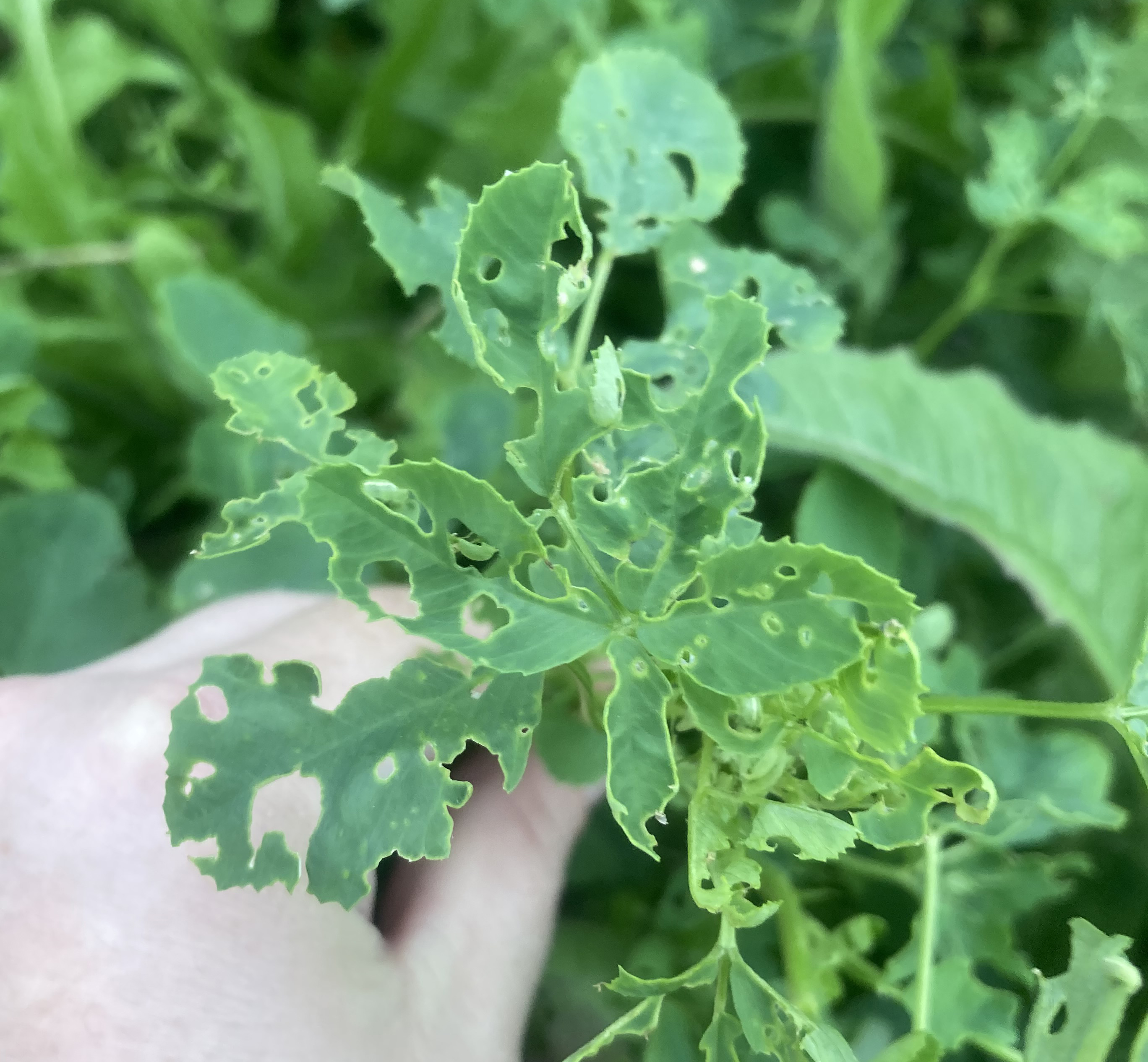
Alfalfa weevil larvae and feeding continued in alfalfa and forages. Even though the defoliation may seem alarming, alfalfa can tolerate significant feeding damage before it becomes economic to treat for alfalfa weevil. Waiting until the economic threshold is reached is an important aspect of resistance management.
There are very few chemical modes of action for managing alfalfa weevils, so avoid applying insecticides earlier and more frequently than necessary. Avoid treating for weevils chemically unless the field meets the following criteria (taken from the article “Weevils are popping in alfalfa fields” from Michigan State University Extension):
- The alfalfa is 9 inches tall and has more than 50% of stem tips with feeding damage and has more than one larva per stem.
- The alfalfa is 12 inches tall and has more than 75% of stem tips with feeding damage and has more than two larvae per stem.
Irrigation and water use
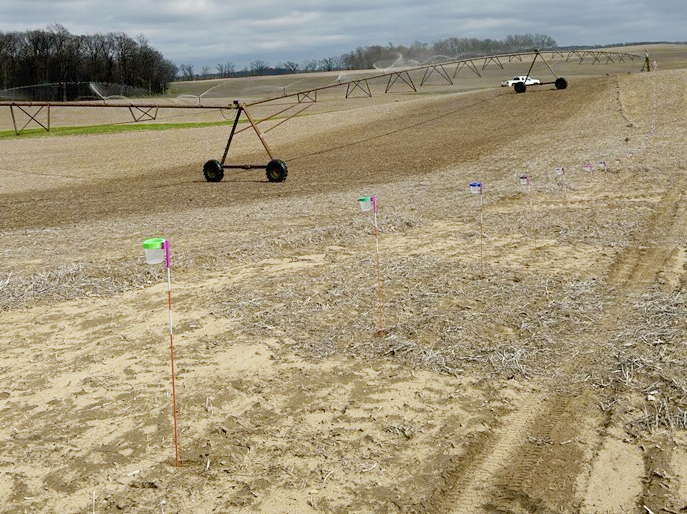
The season is just getting started, and even though we’ve had significant precipitation over the past few weeks, now is a good time to begin preparing your irrigation system. Waiting until peak season may leave little time to address issues if something goes wrong; starting early helps ensure everything is ready when you need it.
Begin by checking and testing all control panels and power boxes. Nests from rodents, insects and other animals are a common cause of electrical shorts, equipment failure and wire damage. When inspecting electrical components, follow proper safety procedures. Never grab the panel door directly as it could be energized. Use the back of your hand or test with a non-contact voltmeter first.
Next, inspect the system itself. Check tire pressure, look for missing or damaged sprinklers (including the end gun) and clean sand traps, screens and filters. Once everything has been inspected, turn on the power supply following appropriate safety protocols.
Move on to operational checks. Measure pressure at the pivot point, ideally with the end gun operating (if applicable), and compare it to the manufacturer’s chart. A deviation of around 10% may indicate a problem that requires attention. Also, verify that the flow rate matches design specifications; reduced flow could point to well problems. Evaluate sprinkler performance by observing distribution patterns and checking for wear or clogging. Conducting a catch-can test can help assess application uniformity. You can contact the MSU Mobile Irrigation Lab to test pressure, flow rate and uniformity for free.
Finally, check the integrity of stop barricades and switches to ensure proper shutoff functionality. Inspect the surrounding area; trim or remove trees and brush near the pivot’s travel path to prevent interference during operation.
Field Crops Virtual Breakfast Series

Early season pest control: Seedcorn maggot and more, presented by Anders Huseth, was the topic for the MSU Extension Field Crops Virtual Breakfast this week. Seedcorn maggot and other underground pests are difficult to treat and largely rely on preventative measures such as waiting 10-14 days after tilling or incorporating manure to plant. Degree-day models can help predict non-feeding stages (i.e., pupation) where seeds are at lowest risk of damage.
Recordings of this and all the Virtual Breakfast meetings are closed-captioned and available at the Field Crops Virtual Breakfast webpage and the MSU Extension Field Crops Team social media platforms: Facebook, Spotify, Mediaspace, YouTube, Apple Podcasts and Twitter/X.
This work is supported by the Crop Protection and Pest Management Program [grant no 2024-70006-43569] from the USDA National Institute of Food and Agriculture. Any opinions, findings, conclusions, or recommendations expressed in this publication are those of the author(s) and do not necessarily reflect the view of the U.S. Department of Agriculture.