Southwest Michigan field crops update – July 2, 2026
 Print
Print Email
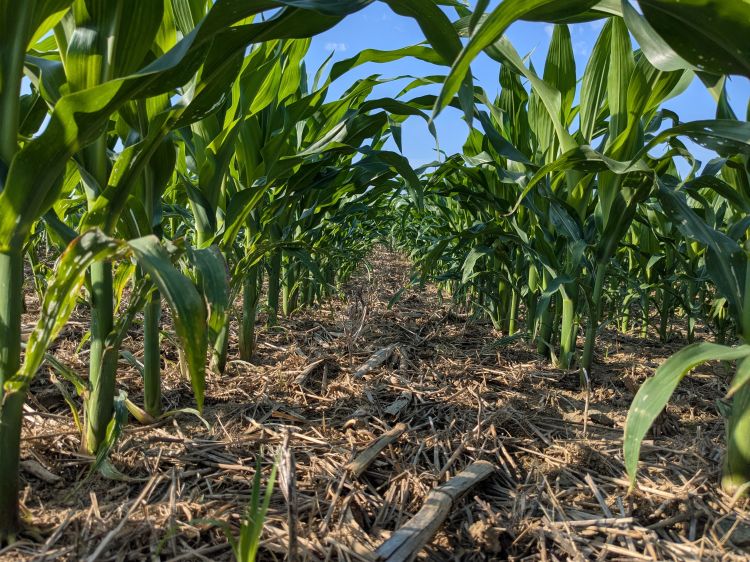
EmailSoybeans have reached flowering, corn growth progressed significantly in this week’s high heat and humidity, and wheat nears in harvest.
Weather
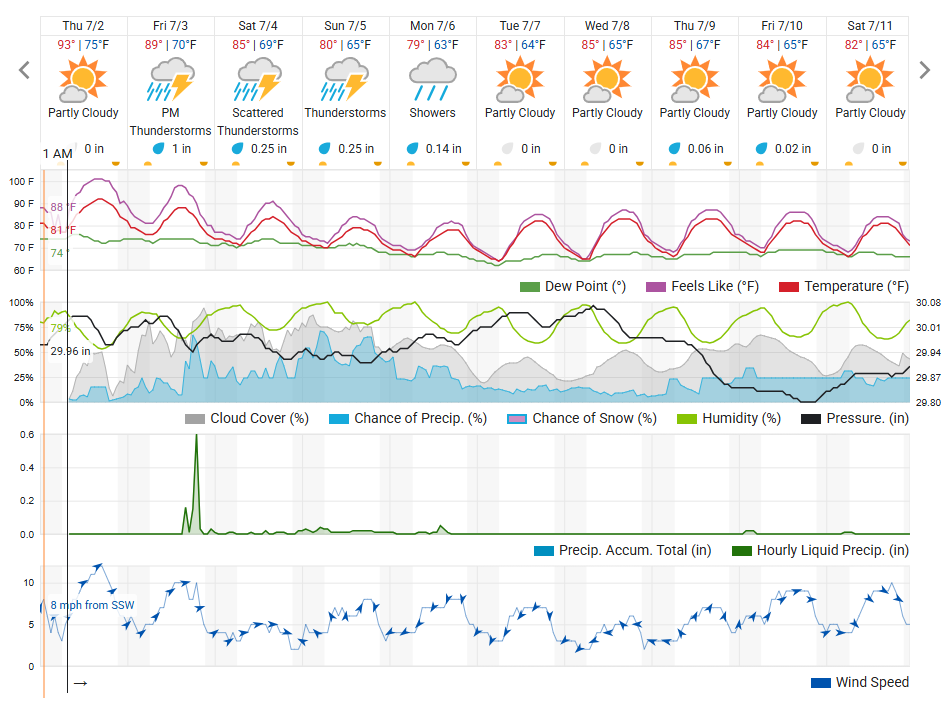
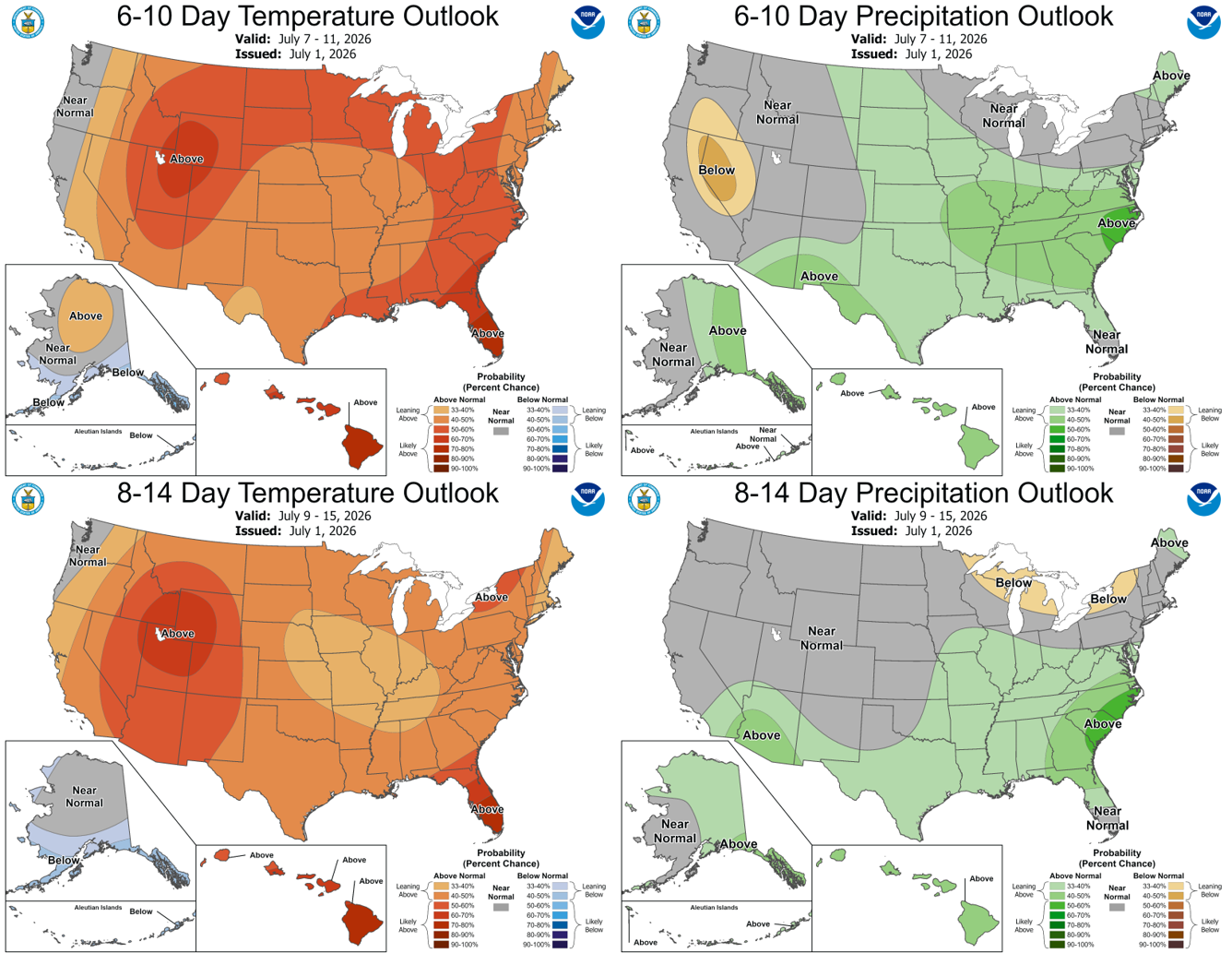
This past week, most of Michigan was in an extreme heat warning with high heat and high humidities leading to heat index values up to 110. Precipation fell late last week and into the weekend, ranging from about 0.10 inches to over 1.5 inches across the southwest region.
Thunderstorms are expected to hit Friday, July 3, and will carry into the weekend with scattered storms expected. Next week should cool down by an average of 10 degrees.
Crops and pests
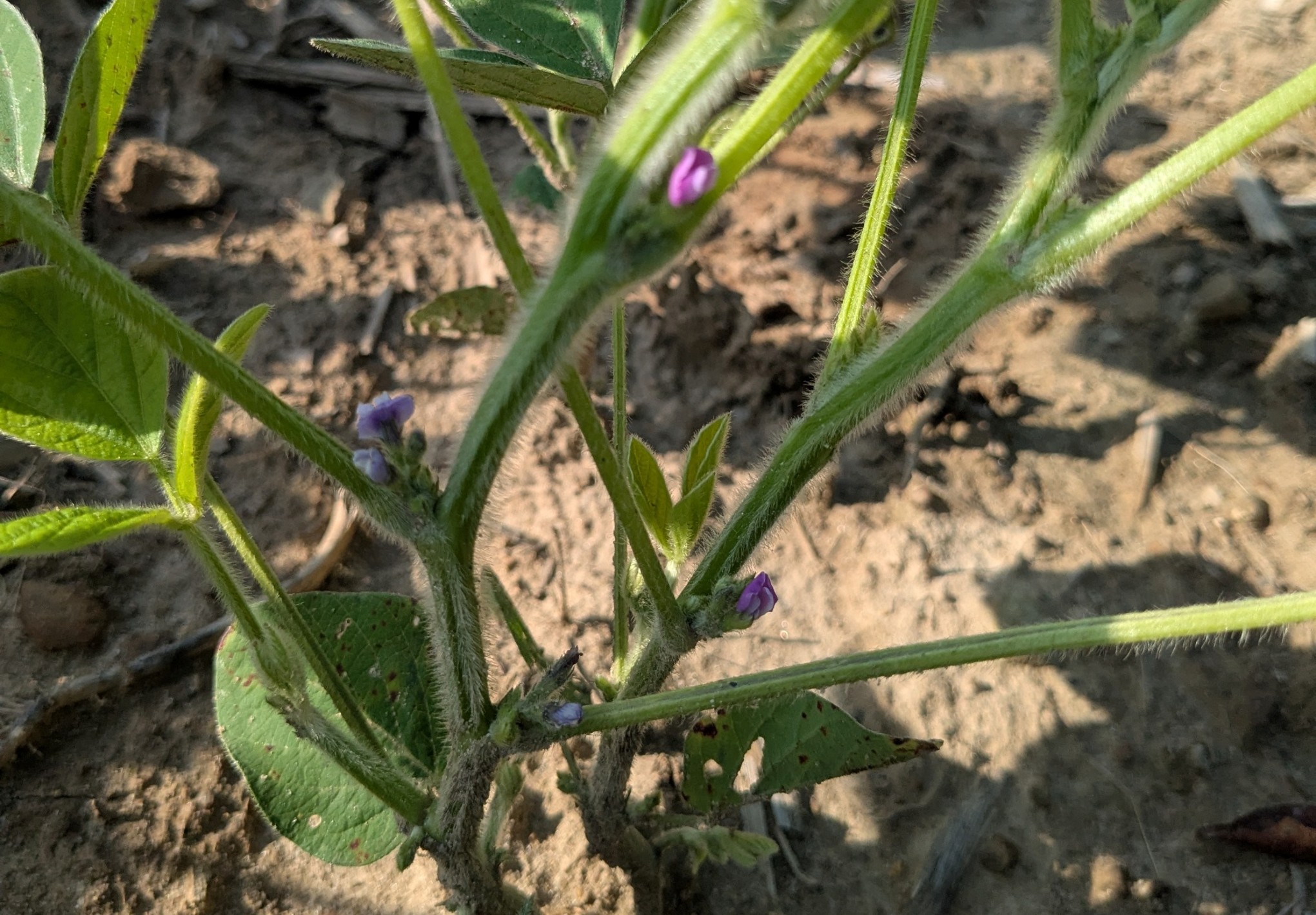
Soybeans are generally between V6 and early reproductive stages (R1–R2) across southwest Michigan. As fields enter reproductive growth, reviewing labels is key as R1 is the cut-off for glufosinate and R2 is the cut-off for glyphosate applications. Corn across the region is between V7 and V9, with some earlier-planted fields approaching V10. Corn growth has accelerated with warmer temperatures this week following the slower development reported in mid-June. Tar spot has been detected in central Indiana, but current corn growth stages are still ahead of the optimum timing for a single fungicide application.
Western bean cutworm moth traps in Berrien, Van Buren and St. Joseph counties recorded 13, 11 and 15 moths, respectively. These numbers indicate that moth flight is underway but remain well below levels that would warrant management decisions. Peak flight is still ahead, so prepare to monitor trap reports and scout earliest planted fields that will enter late whorl stage to early tasseling first during peak flights in the next few weeks.
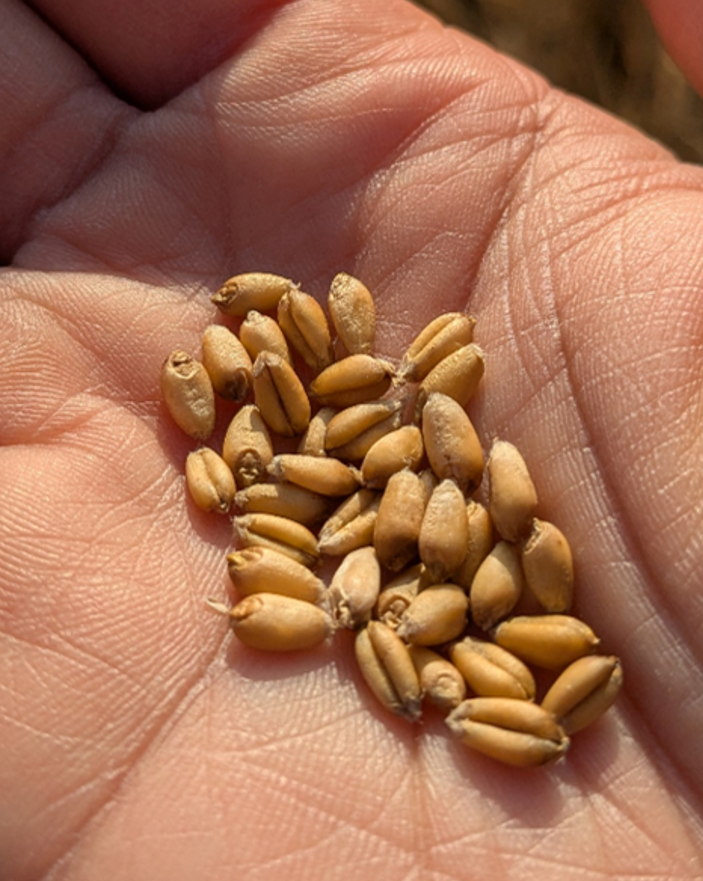
Winter wheat has reached Feekes 11.3-11.4 as kernels continue to mature and fields move toward harvest. Recent warm weather has progressed dry down, however upcoming rain may delay harvest and increase the threat of preharvest sprout. Dennis Pennington urges folks to “begin harvesting those fields when grain moisture drops to 19% to 20%” to reduce risk for pre-harvest sprout. (Read more of Dennis’ tips for preparing for a successful wheat harvest this year in this recent Farm Progress article)
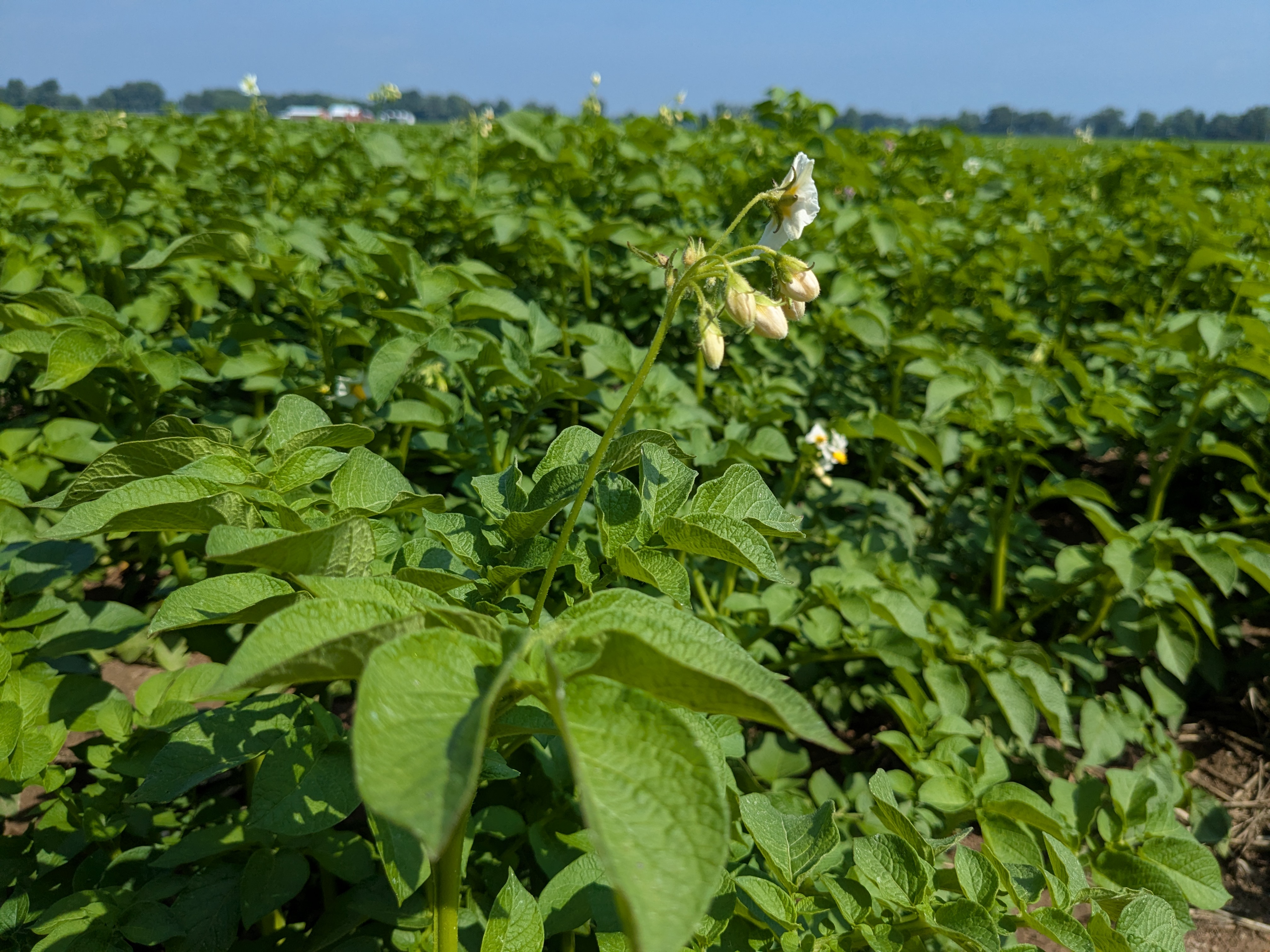
Potatoes are in full bloom and with the combination of high temperatures, humid conditions and dense canopies foliar disease development risks are high. Fields should be monitored closely for blight and other fungal diseases.
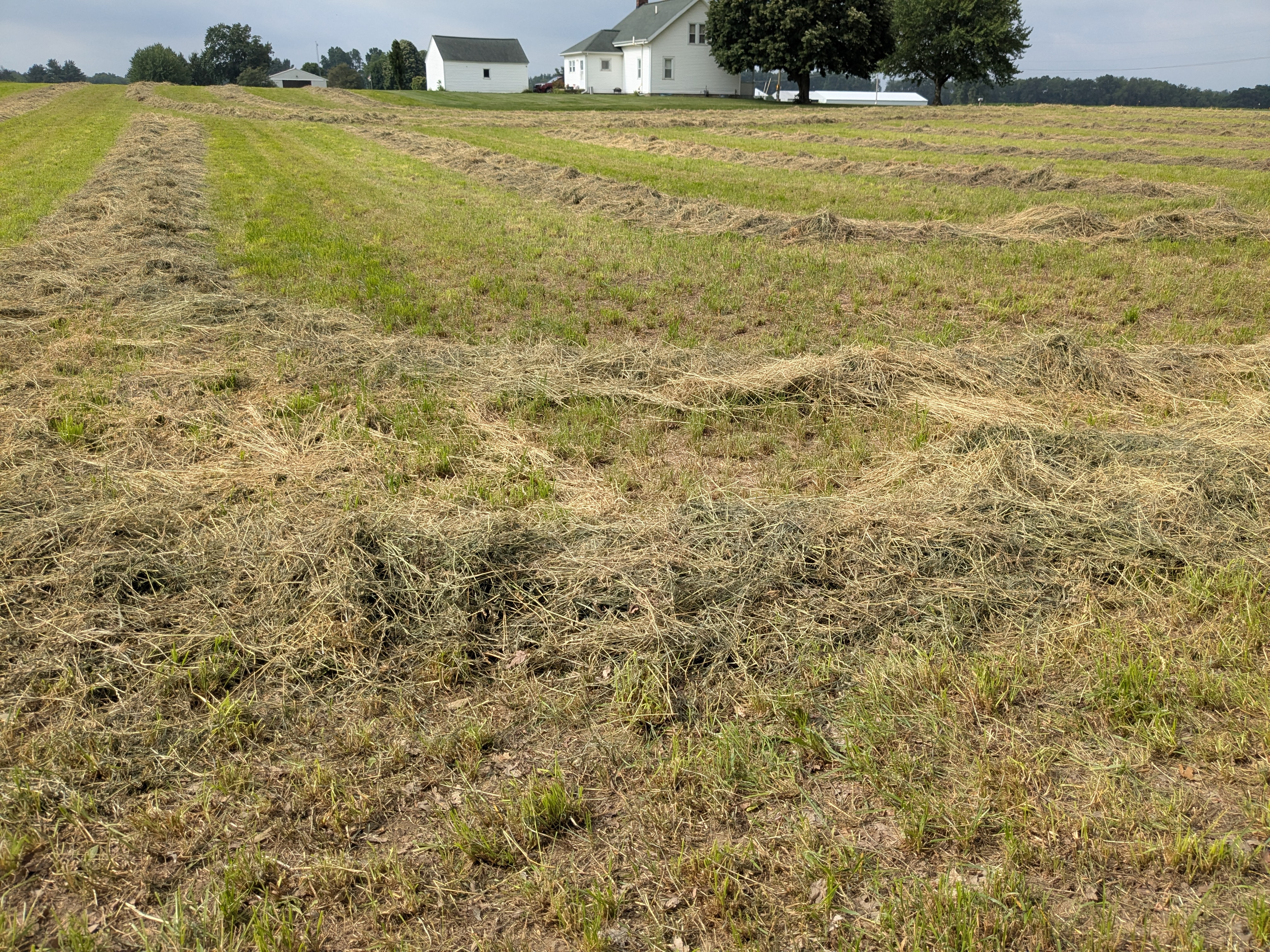
This week was perfect for second-cut alfalfa and forage haymaking across the region.
Irrigation and water use
Warmer temperatures this week have increased crop water demand, with evapotranspiration (ET) reaching approximately 1.30 to 1.60 inches per week across the region. Corn at the V8 growth stage is using about 0.80 inches of water per week, while soybeans at the V4–V5 growth stage are using approximately 1.20 inches per week.
Potatoes in the blossom and tuberization stages remain at peak water demand, requiring about 1.50 inches of water per week.
Low to moderate rainfall is expected this week, but it may not be sufficient to meet crop water needs in all areas. Continue monitoring crop growth stages, soil moisture conditions, recent rainfall and weather forecasts when making irrigation scheduling decisions.
This year, weekly crop water use updates will continue to be shared through the Southwest Michigan Crop Updates. For added convenience, updates will also be sent through direct email and text messages. Sign up here. If you would like to see an additional location included in the report, please contact Angie Gradiz at gradizme@msu.edu or 531-249-4956.
Estimated weekly crop water use for field crops in Michigan (inches/week) for the week of June 29 – July 5, 2026:
|
Crop |
Growth stage |
Constantine |
Berrien Springs |
Entrican |
Hart |
|
Reference ET |
1.53 |
1.61 |
1.47 |
1.34 |
|
|
Corn |
V6 |
0.54 |
0.56 |
0.51 |
0.47 |
|
Corn |
V8 |
0.86 |
0.9 |
0.82 |
0.75 |
|
Corn |
V10 |
1.16 |
1.22 |
1.12 |
1.02 |
|
Soybeans |
V3 |
0.92 |
0.97 |
0.88 |
0.8 |
|
Soybeans |
V4-V5 |
1.19 |
1.26 |
1.15 |
1.05 |
|
Soybeans |
R1 |
1.53 |
1.61 |
1.47 |
1.34 |
|
Potato |
Tuberization |
1.53 |
1.61 |
1.47 |
1.34 |
|
Potato |
Blossom |
1.53 |
1.61 |
1.47 |
1.34 |
|
Potato |
Tuber bulk |
1.39 |
1.47 |
1.34 |
1.22 |
Field Crops Virtual Breakfast Series
Virtual Breakfast is off this week for July 4! If you missed past meetings, recordings of this and all the Virtual Breakfast meetings are closed-captioned and available at the Field Crops Virtual Breakfast webpage and the MSU Extension Field Crops Team social media platforms: Facebook, Spotify, Mediaspace, YouTube, Apple Podcasts and Twitter/X.
This work is supported by the Crop Protection and Pest Management Program (grant no 2024-70006-43569) from the USDA National Institute of Food and Agriculture. Any opinions, findings, conclusions, or recommendations expressed in this publication are those of the author(s) and do not necessarily reflect the view of the U.S. Department of Agriculture.