Southwest Michigan field crops update – May 21, 2026
 Print
Print Email
EmailWheat is at Feekes 10.5 (flowering). Corn, soybeans and potatoes continued to emerge.
Weather
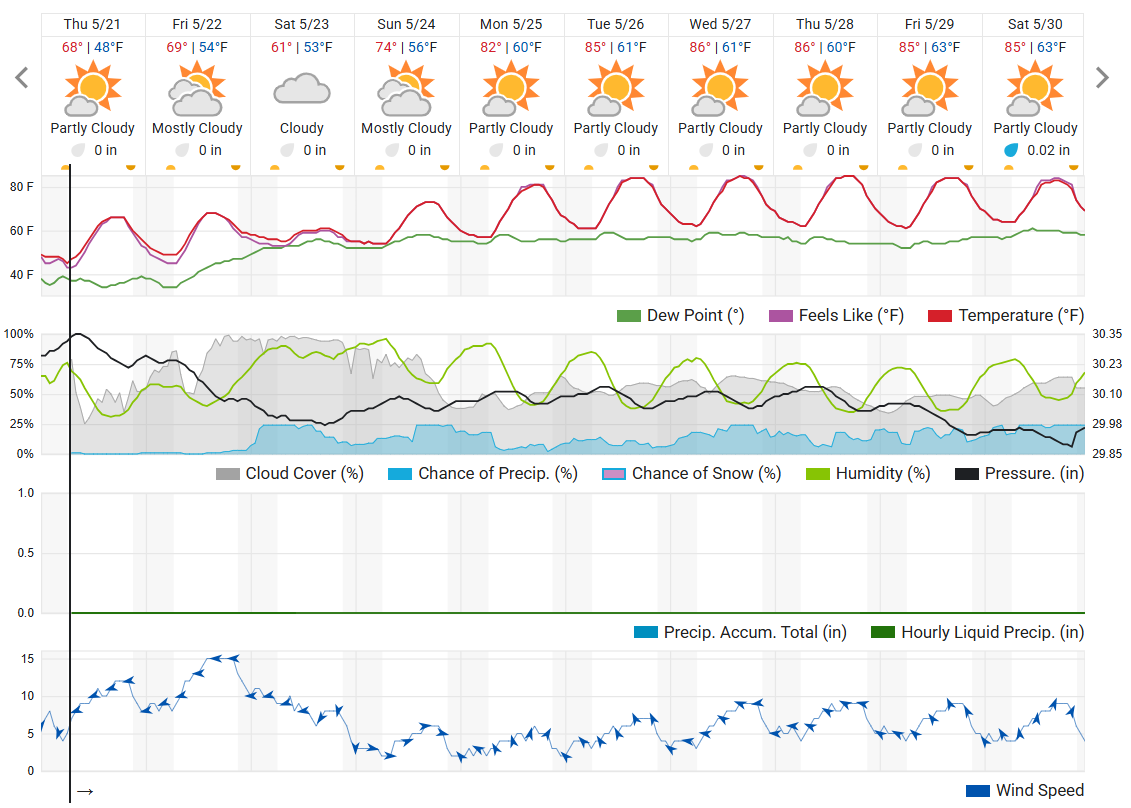
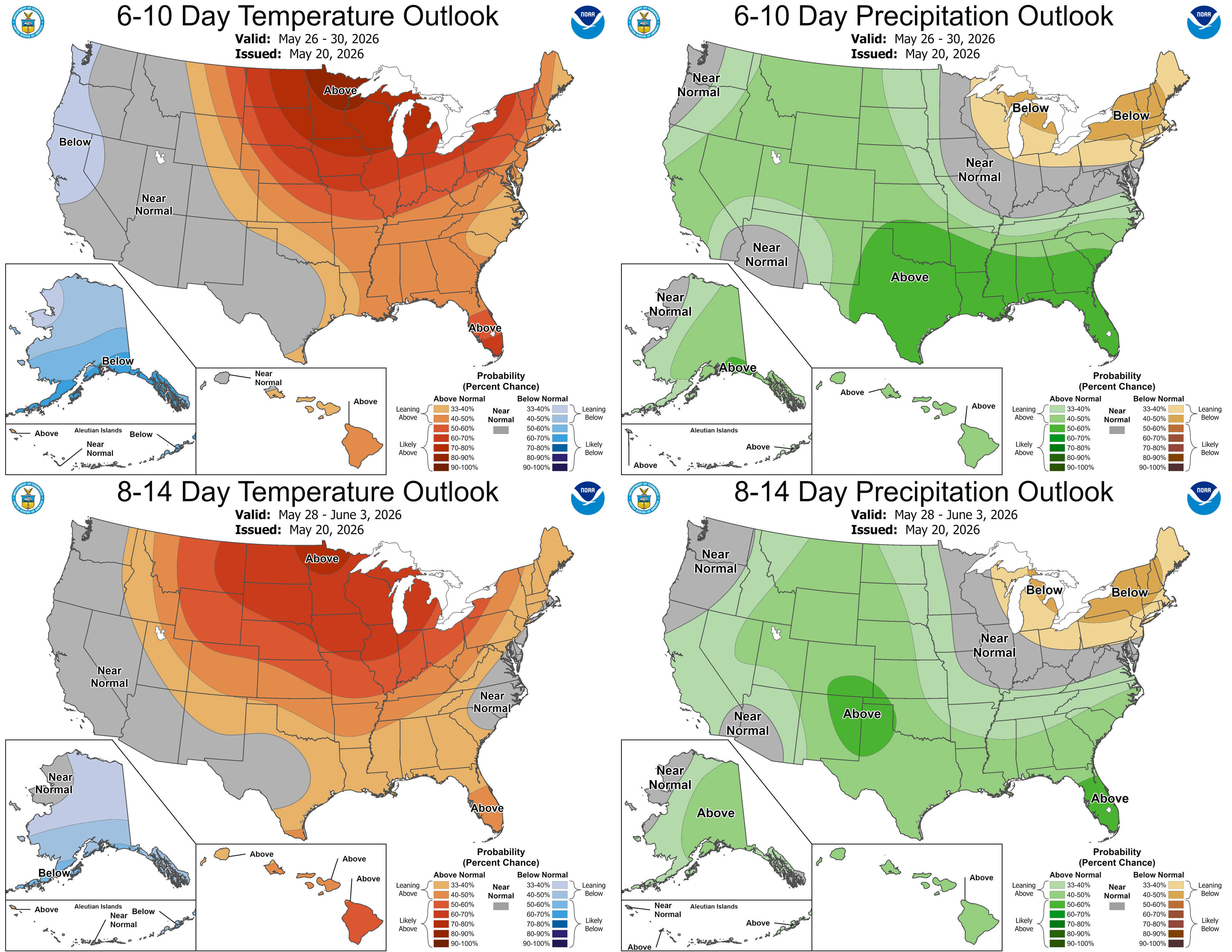
It finally felt like summer this past week with temperatures reaching up into the 80s. Storms on Monday and Tuesday, May 18 and 19, brought high wind, precipition and a bit of a cool-down in temperatures. The next week is forecast to be warm and dry for southwest Michigan. Temperatures will increase over the weekend and settle back into the 80s early next week.
Crops and pests
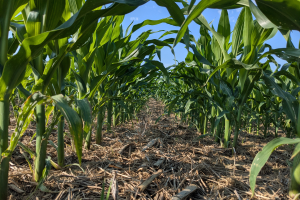
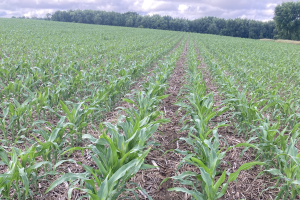
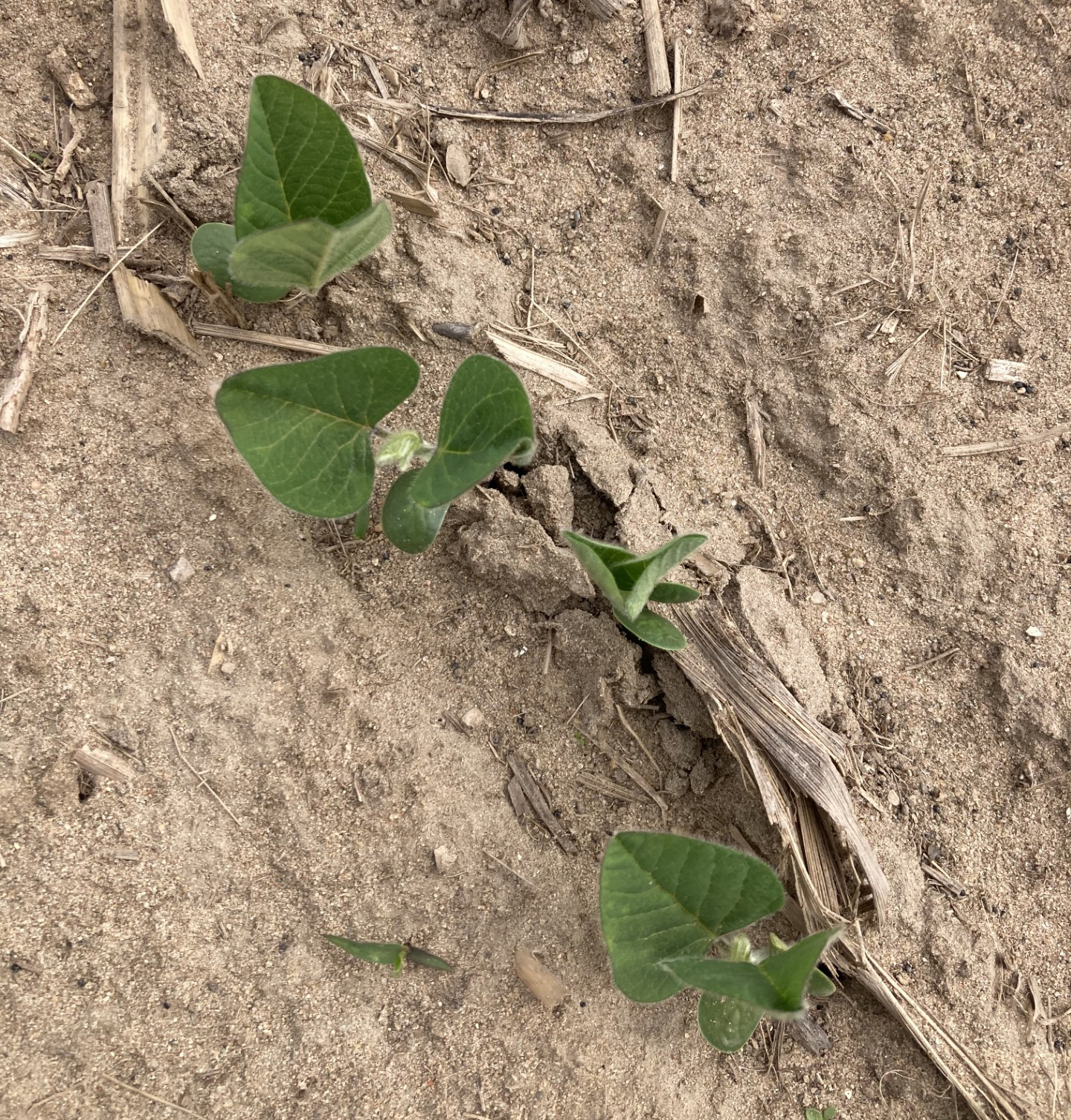
Corn and soybeans are emerging and in early vegetative stages. Planting continued, and herbicide applications have gone out on some fields. The warm temperatures have helped seeds emerge quickly, reducing the risk that they will be affected by pathogens and/or insects in the soil.
Adult moth counts have remained mostly low over the past several weeks. Bucket traps in Berrien County near Berrien Springs and Benton Harbor, St. Joseph County near Centreville and Van Buren County near Lawrence have caught the following:
True armyworm:
|
Date |
Berrien |
St. Joseph |
Van Buren |
|
5/4 |
1 |
9 |
5 |
|
5/11 |
1 |
8 |
0 |
|
5/18 |
8 |
9 |
3 |
Black cutworm:
|
Date |
Berrien |
St. Joseph |
Van Buren |
|
5/4 |
5 |
6 |
0 |
|
5/11 |
6 |
15 |
1 |
|
5/18 |
1 |
12 |
4 |
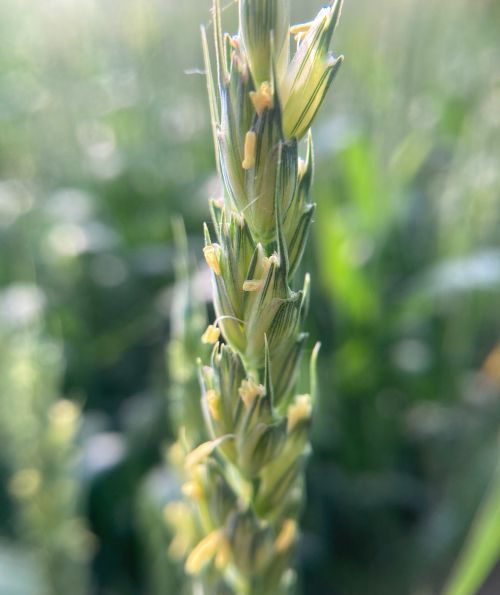
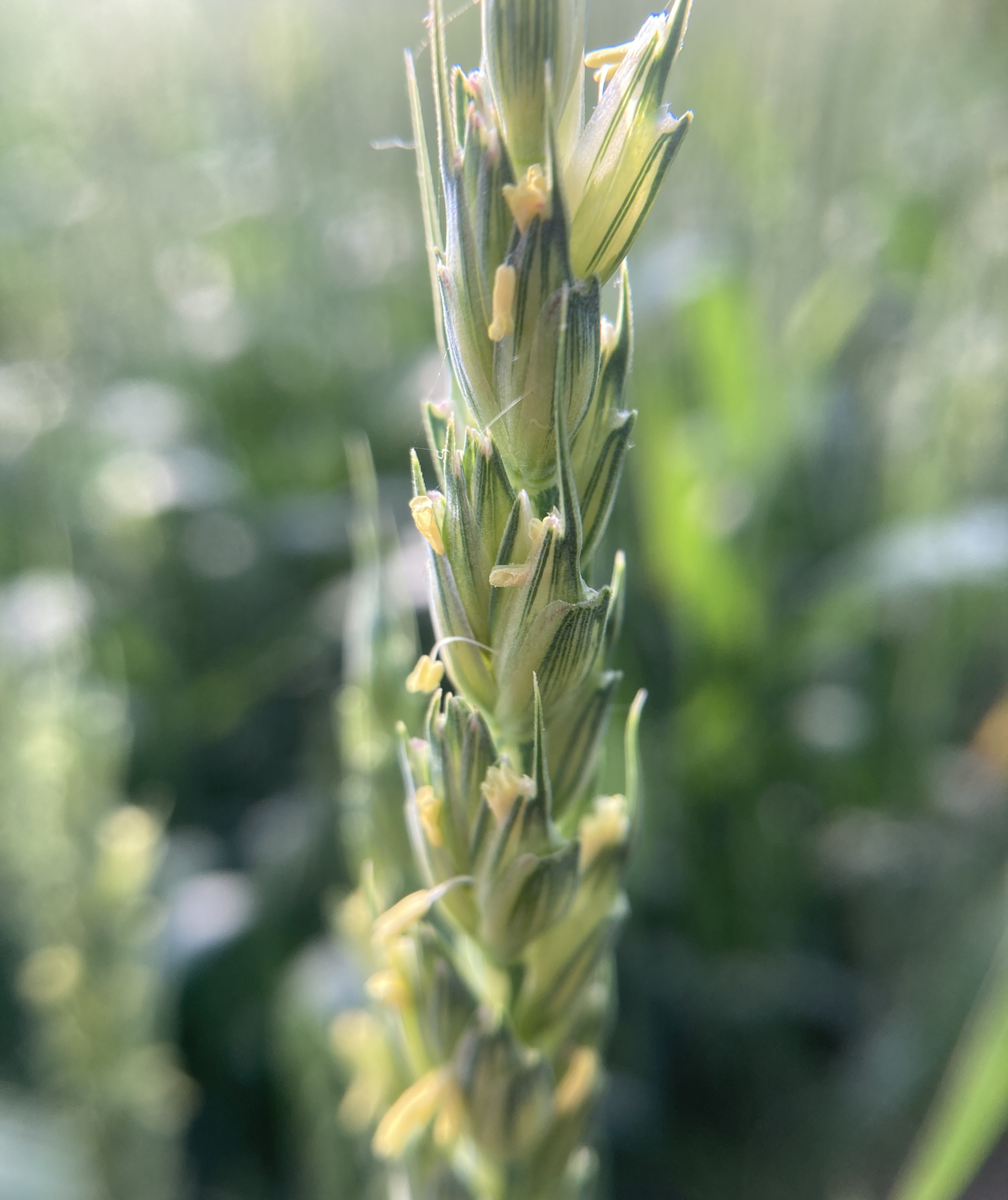
Winter wheat is at Feekes 10.5 (flowering). The ideal timing for preventative fusarium head blight fungicide application is right around now, and fungicide applications have gone out or are scheduled. For product efficacy against fusarium and other diseases, reference the Crop Protection Network’s fungicide efficacy tables or tool. Product efficacy should be paired with thorough head coverage during the fungicide application and high genetic resistance in the wheat variety for the best fusarium head blight prevention.
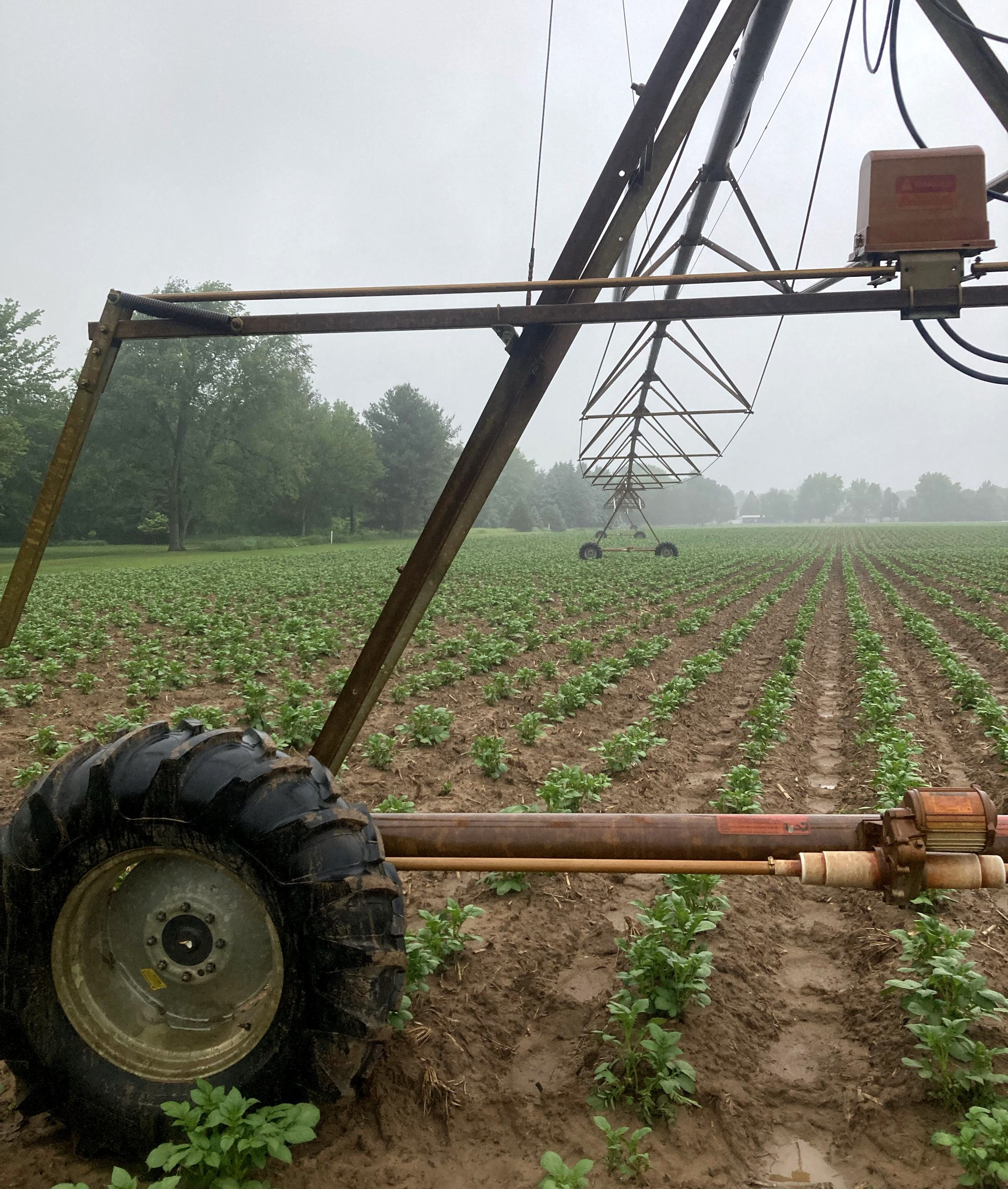
With potato planting wrapping up, already-planted fields have tubers emerging and herbicide applications are going out. About two weeks after emergence, potatoes start to rapidly take up water, so supplemental irrigation will be a high priority over the next several weeks.
Alfalfa was in the optimal harvest growing degree day (GDD) window for dairy hay last week, according to the Constantine Enviroweather station alfalfa cutting model. Cutting started in southwest Michigan this past week. Check out the Field Crops Virtual Breakfast Series recording on optimizing alfalfa harvesting schedules or the article “The first cutting of hay should be your first priority for dairy forages” for more information.
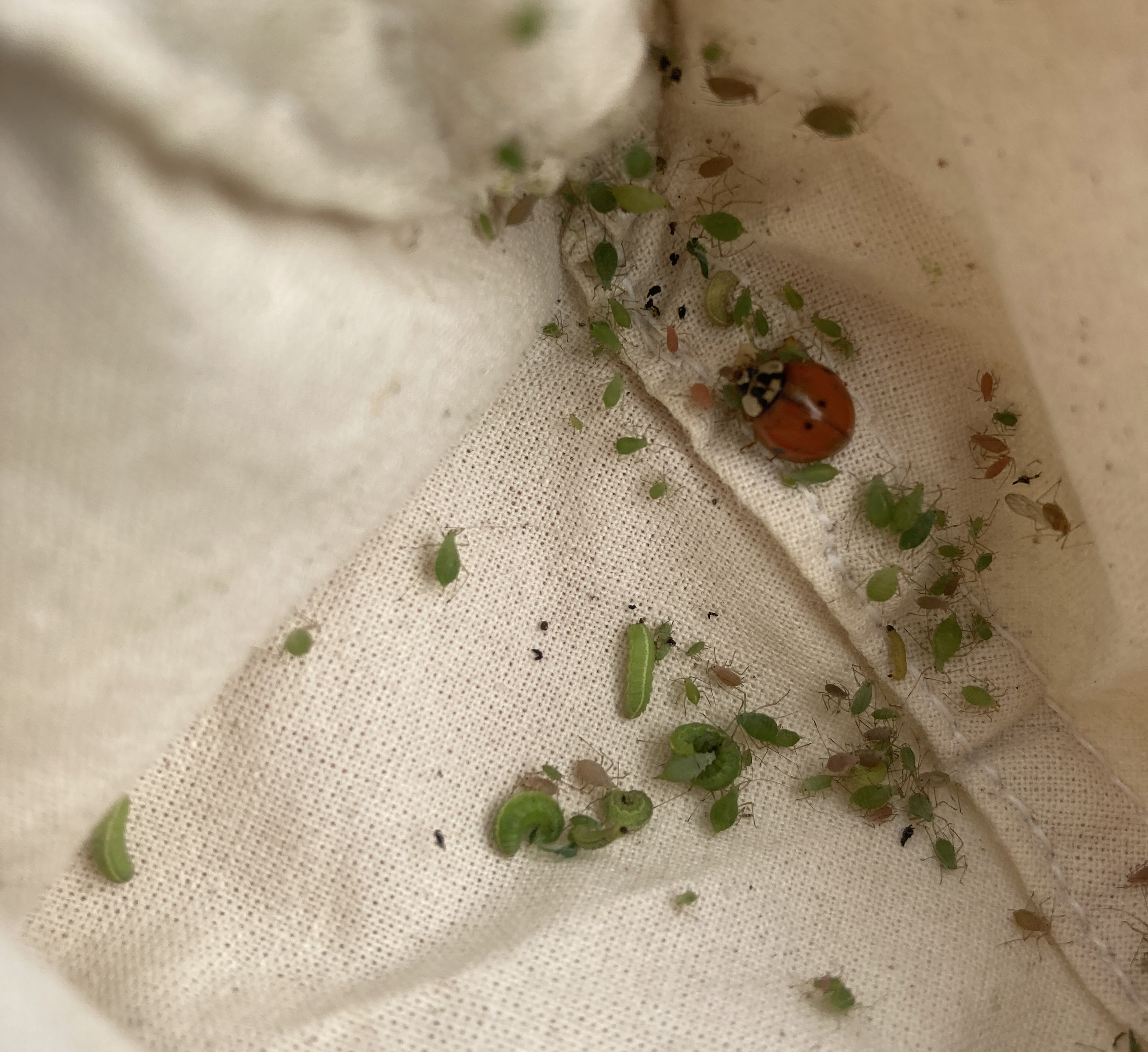
Aphid populations may be building in fields, especially ones that received an insecticide application to manage alfalfa weevil earlier this season. Broad-spectrum insecticides reduce natural enemy populations that usually keep aphids in check, and it takes some time for natural enemies, like lady beetles or parasitoid wasps, to bounce back.
Irrigation and water use
Crops are finally emerging. At this stage, corn and soybeans have minimal water use, with weekly crop water use around 0.1 inches. Current precipitation should be sufficient to meet crop demand. Potatoes have also emerged, and some are entering the early tuber initiation stage where water uptake increases rapidly. Continue monitoring soil moisture and temperatures to ensure adequate water is available for the crop.
In the meantime, inspect your irrigation system to ensure it is operating efficiently. Check flow rate, pressure, missing sprinklers, leaks, uniformity and any other potential issues. The MSU Mobile Irrigation Lab offers free center pivot evaluations. For more information, contact Riley Johnson at rouseril@msu.edu.
Estimated weekly crop water use for field crops in Michigan (inches/week) for the week of May 18–24, 2026:
|
Crop |
Growth stage |
Constantine |
Entrican |
Hart |
|
Reference ET |
0.95 |
0.97 |
0.94 |
|
|
Corn |
V2 – 2-leaf |
0.10 |
0.10 |
0.09 |
|
Corn |
V4 – 4-leaf |
0.17 |
0.17 |
0.17 |
|
Soybeans |
VC - Cotyledon |
0.10 |
0.10 |
0.09 |
|
Soybeans |
V1 – 1st node |
0.19 |
0.19 |
0.19 |
|
Potato |
Early vegetation |
0.47 |
0.49 |
0.45 |
|
Potato |
Tuberization |
0.95 |
0.97 |
0.90 |
This year, weekly crop water use updates will continue to be shared through the southwest Michigan crop updates, and for added convenience, updates will also be sent through direct email and text messages. Sign up here.
Field Crops Virtual Breakfast Series

Herbicide resistance in field crops, presented by Erin Hill, was the topic for the MSU Extension Field Crops Virtual Breakfast this week. Each year, Michigan growers submit seeds of weeds with suspected resistance. Read the latest herbicide resistant weed news in the article “Status of Herbicide Resistant Weeds in Michigan.”
Recordings of this and all the Virtual Breakfast meetings are closed-captioned and available at the Field Crops Virtual Breakfast webpage and the MSU Extension Field Crops Team social media platforms: Facebook, Spotify, Mediaspace, YouTube, Apple Podcasts and Twitter/X.
This work is supported by the Crop Protection and Pest Management Program [grant no 2024-70006-43569] from the USDA National Institute of Food and Agriculture. Any opinions, findings, conclusions, or recommendations expressed in this publication are those of the author(s) and do not necessarily reflect the view of the U.S. Department of Agriculture.