Southwest Michigan field crops update – May 28, 2026
 Print
Print Email
EmailFirst cutting of hay and forages began in earnest. Wheat has mostly finished flowering and is entering early kernel fill.
Weather
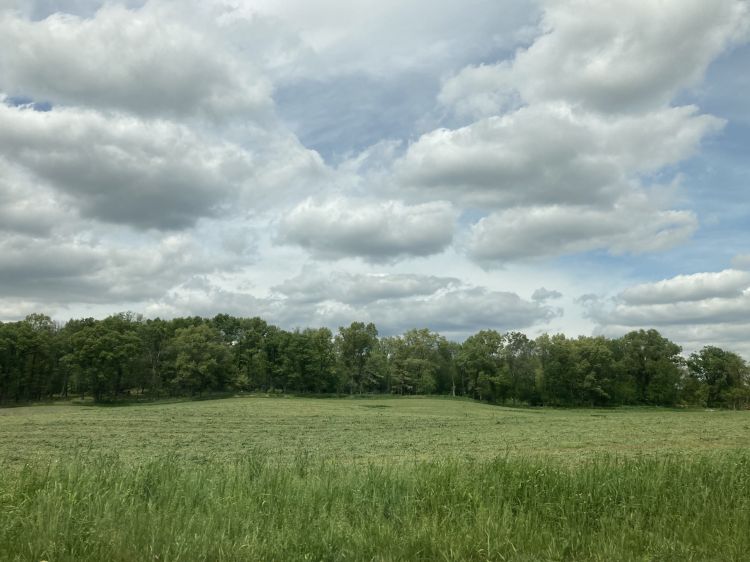
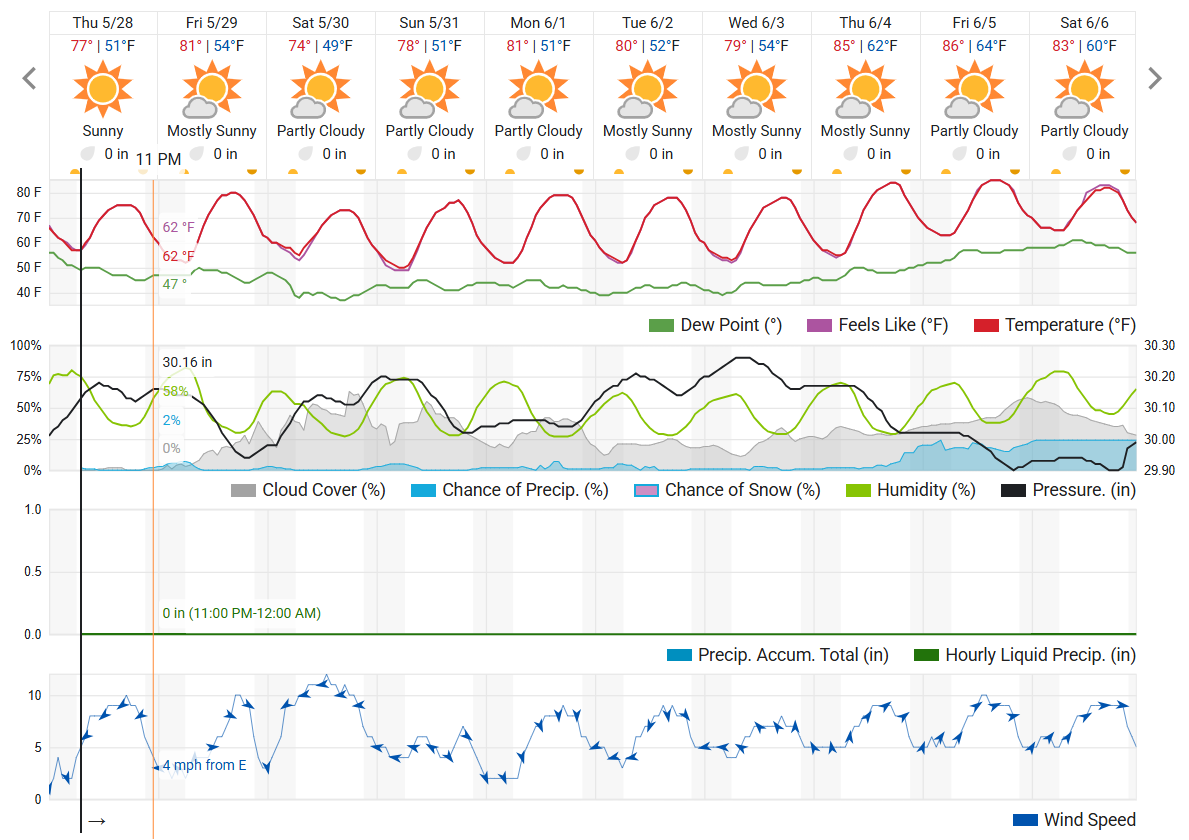
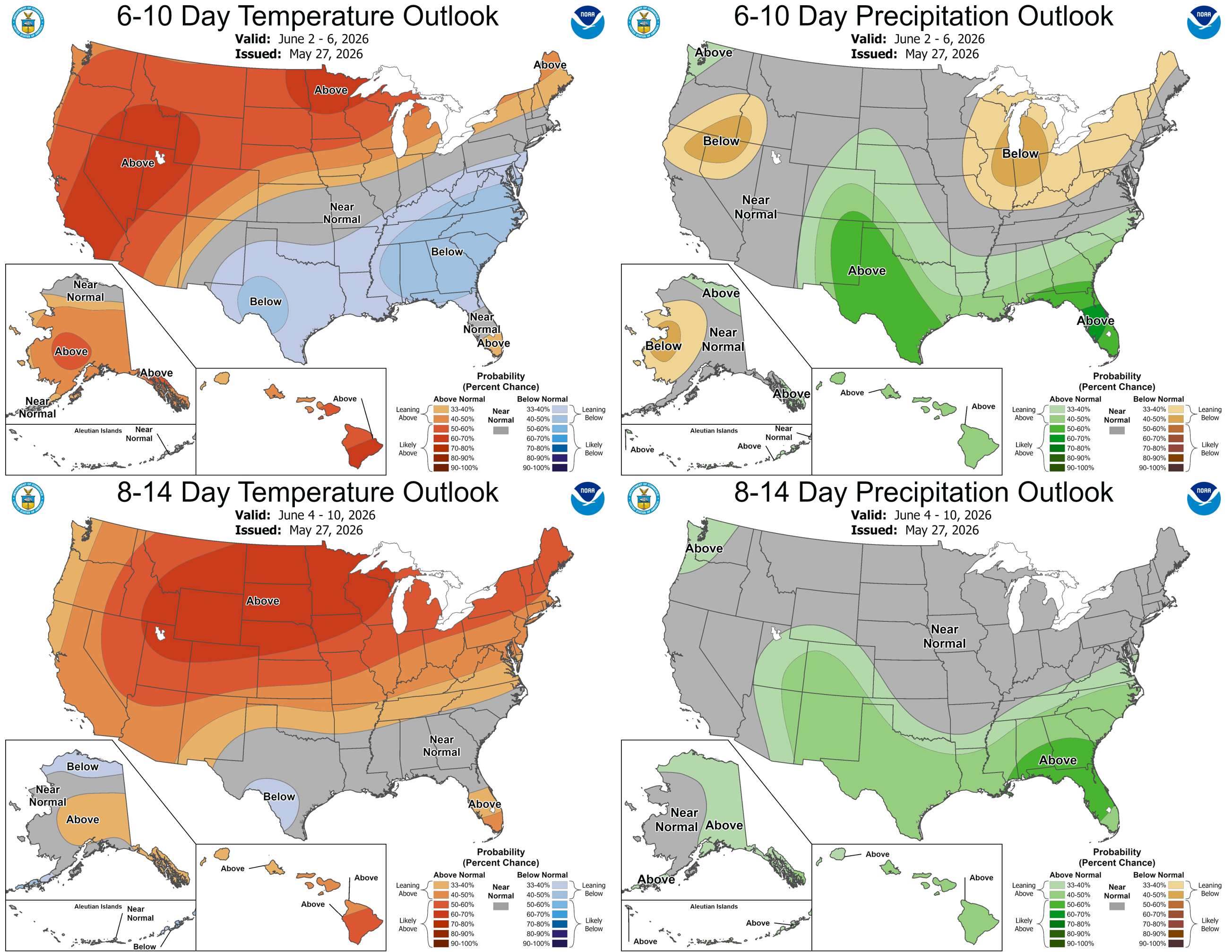
Surprise precipitation over the weekend varied from half an inch to a little over an inch throughout the region. Other than that, the past week was dry and warm with temperatures mainly in the 70s. Several acres were planted and/or sprayed thanks to multiple days without rainfall. No precipitation is expected for the upcoming week, and temperatures will hover between high 70s and low 80s during the day and right around 50 F at night.
Crops and pests
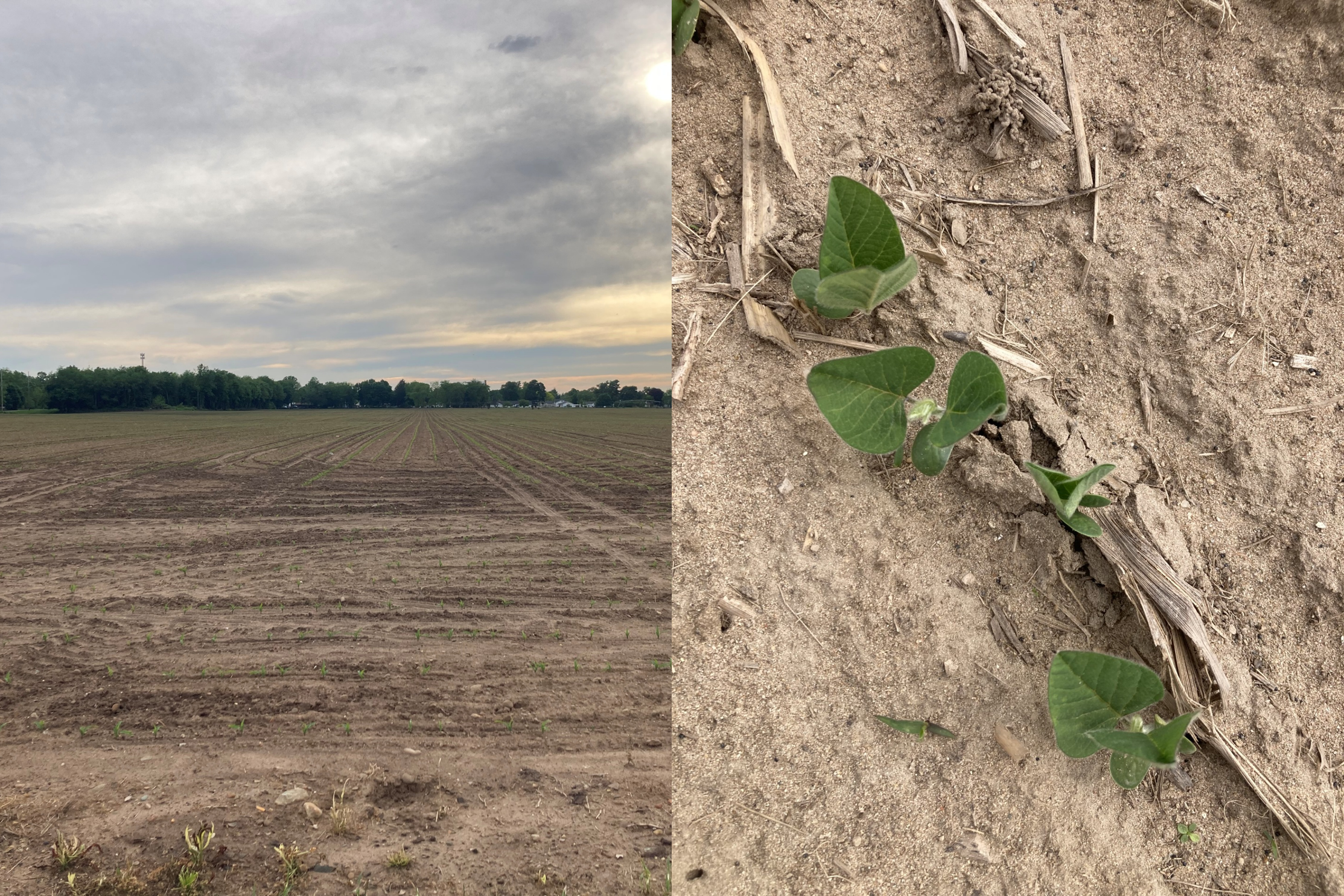
Corn and soybean planting progressed well over the past week. Many fields are in early vegetative stages or are actively emerging. The warm temperatures have helped seeds emerge quickly, reducing the risk that they will be affected by pathogens and/or insects in the soil.
Adult moth counts have remained mostly low over the past several weeks. Bucket traps in Berrien (near Berrien Springs), St. Joseph (Centreville) and Van Buren (Lawrence) counties have caught the following:
True armyworm:
|
Date |
Berrien |
St. Joseph |
Van Buren |
|
5/11 |
1 |
8 |
0 |
|
5/18 |
8 |
9 |
3 |
|
5/25 |
2 |
21 |
-- |
Black cutworm:
|
Date |
Berrien |
St. Joseph |
Van Buren |
|
5/11 |
6 |
15 |
1 |
|
5/18 |
1 |
12 |
4 |
|
5/25 |
2 |
6 |
-- |
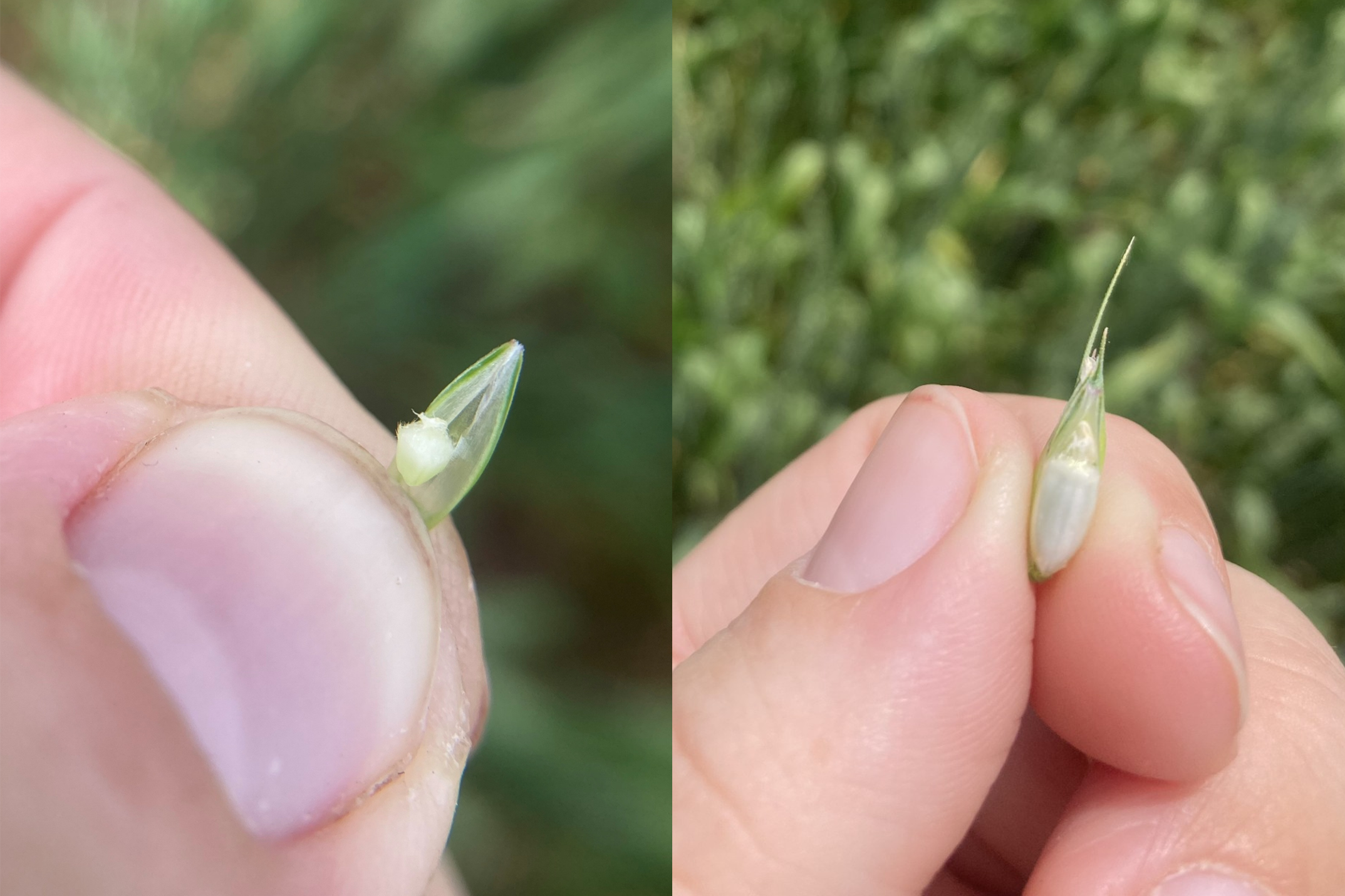
Winter wheat is at Feekes 10.5.3 (flowering is complete) and Feekes 10.5.4 (kernel watery ripe). Many fields received fungicides to prevent fusarium head blight over the past week. Some true armyworm larvae are in wheat fields, but populations have been light. The threshold for true armyworm after heading is two or more larvae per square foot. If heads are being clipped, action is recommended. Aphid numbers have increased, potentially brought in with the weather system from over the weekend, but they are of minor concern in most cases.
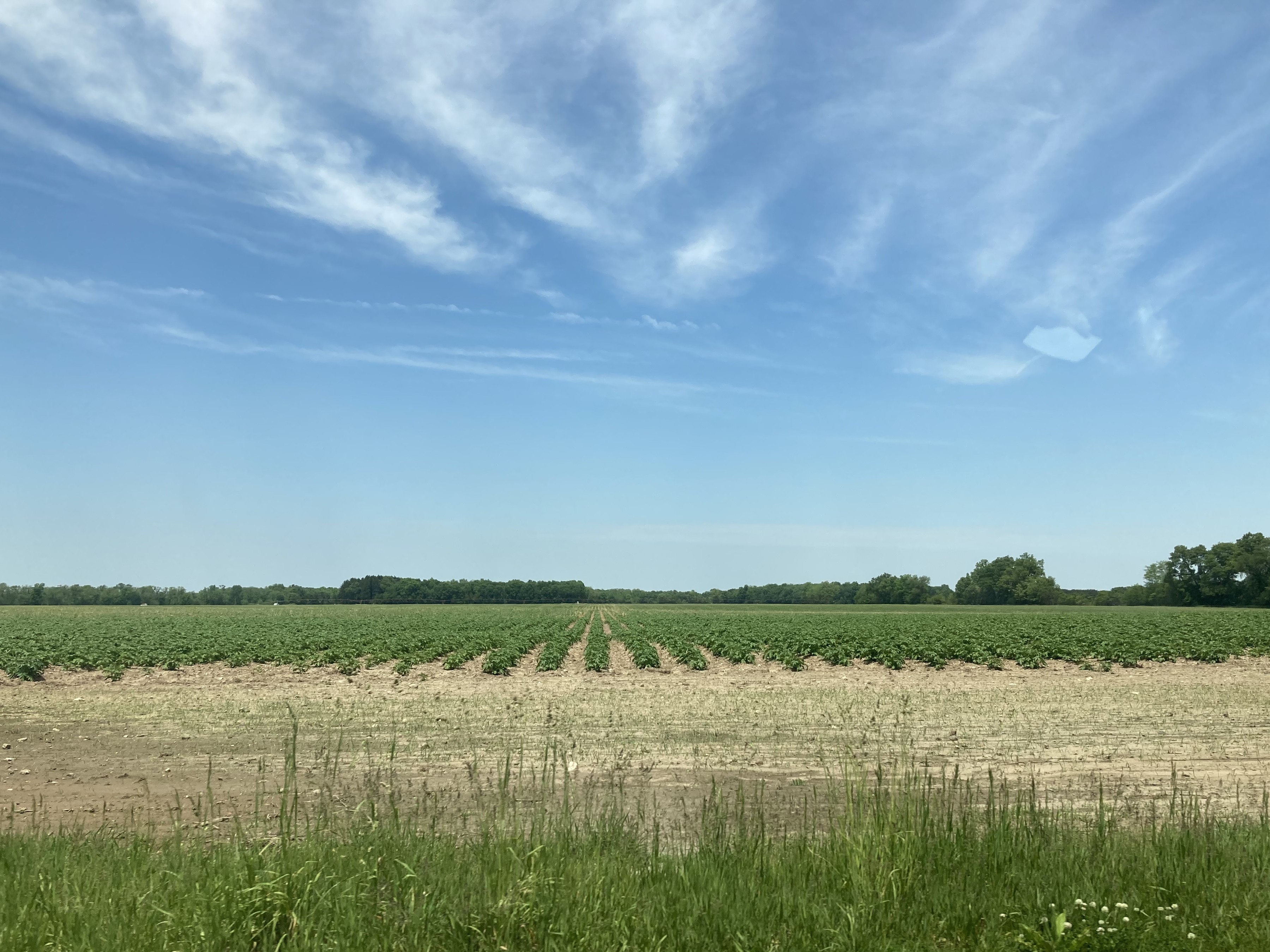
Potato planting is finished or nearly finished. Most fields have emerged at this point. About two weeks after emergence, potatoes start to rapidly take up water, so supplemental irrigation will be a high priority over the next several weeks.
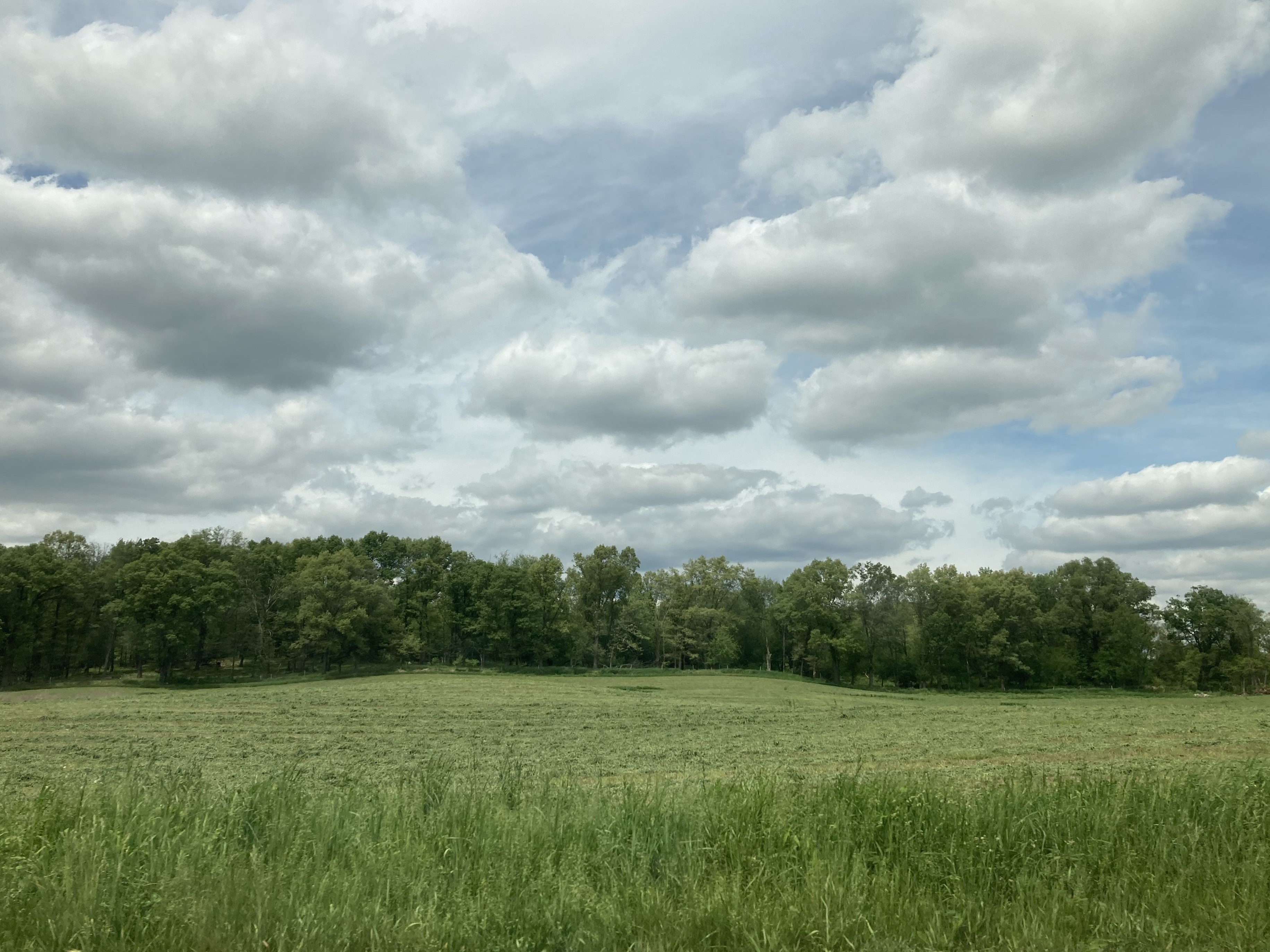
Alfalfa and forage cutting started last week and has continued in earnest. Several days of sunny, dry weather has been helpful for drying hay.
Irrigation and water use
Crops are emerging and temperatures are increasing across the region. Early-stage corn and soybeans are currently using approximately 0.15 to 0.30 inches of water per week. Potatoes in the early vegetative stage are using about 0.70 inches per week, while potatoes at tuberization are using approximately 1.40 inches per week.
With little to no rainfall expected this week, supplemental irrigation may be necessary to meet crop water demands. Continue monitoring soil moisture conditions and weather forecasts to ensure adequate water availability.
In the meantime, inspect your irrigation system to ensure it is operating efficiently. Check flow rate, pressure, missing sprinklers, leaks, uniformity and any other potential issues. The MSU Mobile Irrigation Lab offers free center pivot evaluations. For more information, contact Riley Johnson at rouseril@msu.edu.
Estimated weekly crop water use for field crops in Michigan (inches/week) for the week of May 25-31, 2026:
|
Crop |
Growth stage |
Constantine |
Entrican |
Hart |
|
Reference ET |
1.34 |
1.39 |
1.40 |
|
|
Corn |
V2 |
0.13 |
0.14 |
0.14 |
|
Corn |
V4 |
0.24 |
0.25 |
0.25 |
|
Soybeans |
VC |
0.13 |
0.14 |
0.14 |
|
Soybeans |
V1 |
0.27 |
0.28 |
0.28 |
|
Soybeans |
V2 |
0.54 |
0.56 |
0.56 |
|
Potato |
Early vegetation |
0.67 |
0.70 |
0.70 |
|
Potato |
Tuberization |
1.34 |
1.39 |
1.40 |
This year, weekly crop water use updates will continue to be shared through the southwest Michigan crop updates, and for added convenience, updates will also be sent through direct email and text messages. Sign up here.
Field Crops Virtual Breakfast Series
Michigan dry bean update, presented by Scott Bales, was the topic for the MSU Extension Field Crops Virtual Breakfast this week. Dry bean planting is generally recommended when the soil temperature reaches 65 F and rising. Trials with different planting dates have shown that planting into cooler soil temperatures has only a marginal effect on being able to harvest earlier.
Recordings of this and all the Virtual Breakfast meetings are closed-captioned and available at the Field Crops Virtual Breakfast webpage and the MSU Extension Field Crops Team social media platforms: Facebook, Spotify, Mediaspace, YouTube, Apple Podcasts and Twitter/X.
This work is supported by the Crop Protection and Pest Management Program [grant no 2024-70006-43569] from the USDA National Institute of Food and Agriculture. Any opinions, findings, conclusions, or recommendations expressed in this publication are those of the author(s) and do not necessarily reflect the view of the U.S. Department of Agriculture.