Southwest Michigan field crops update – May 7, 2026
 Print
Print Email
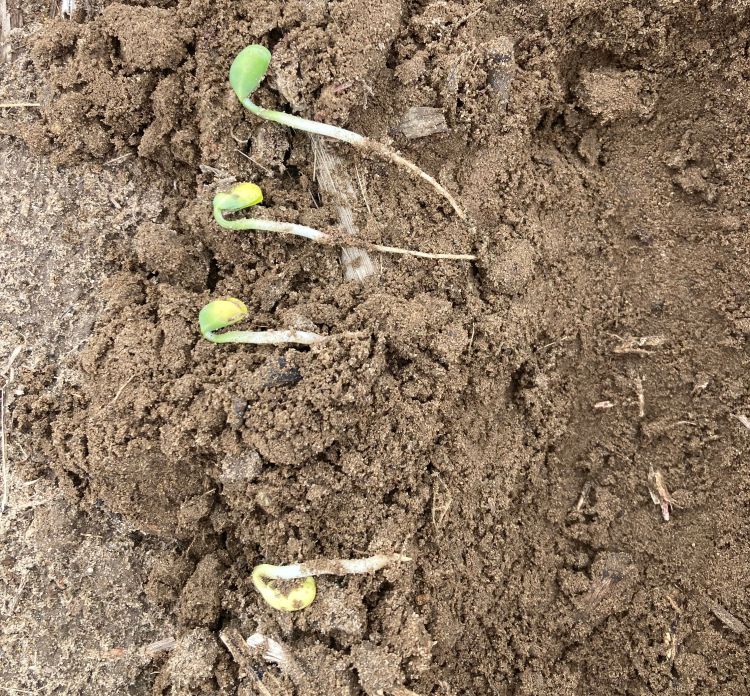
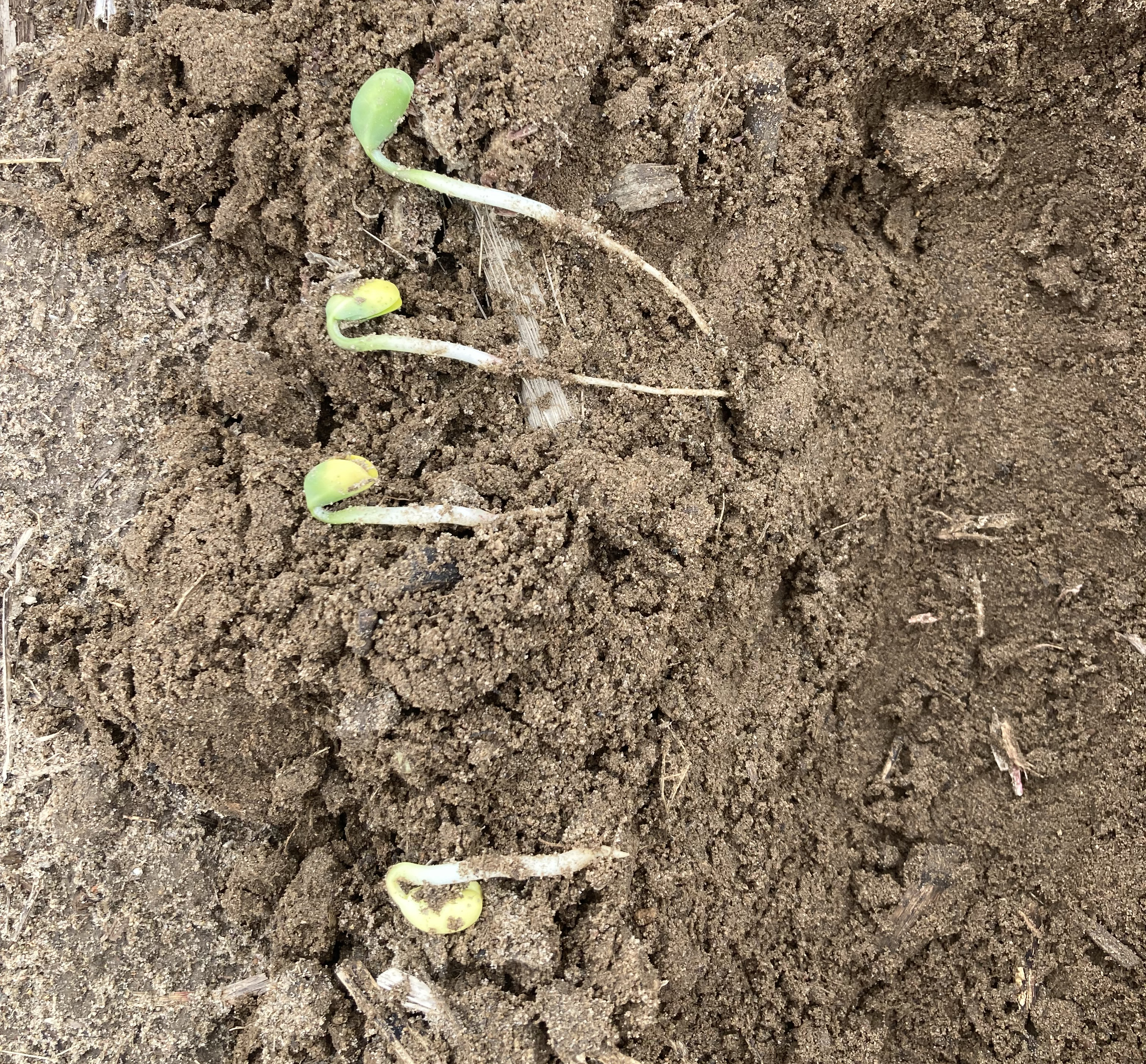
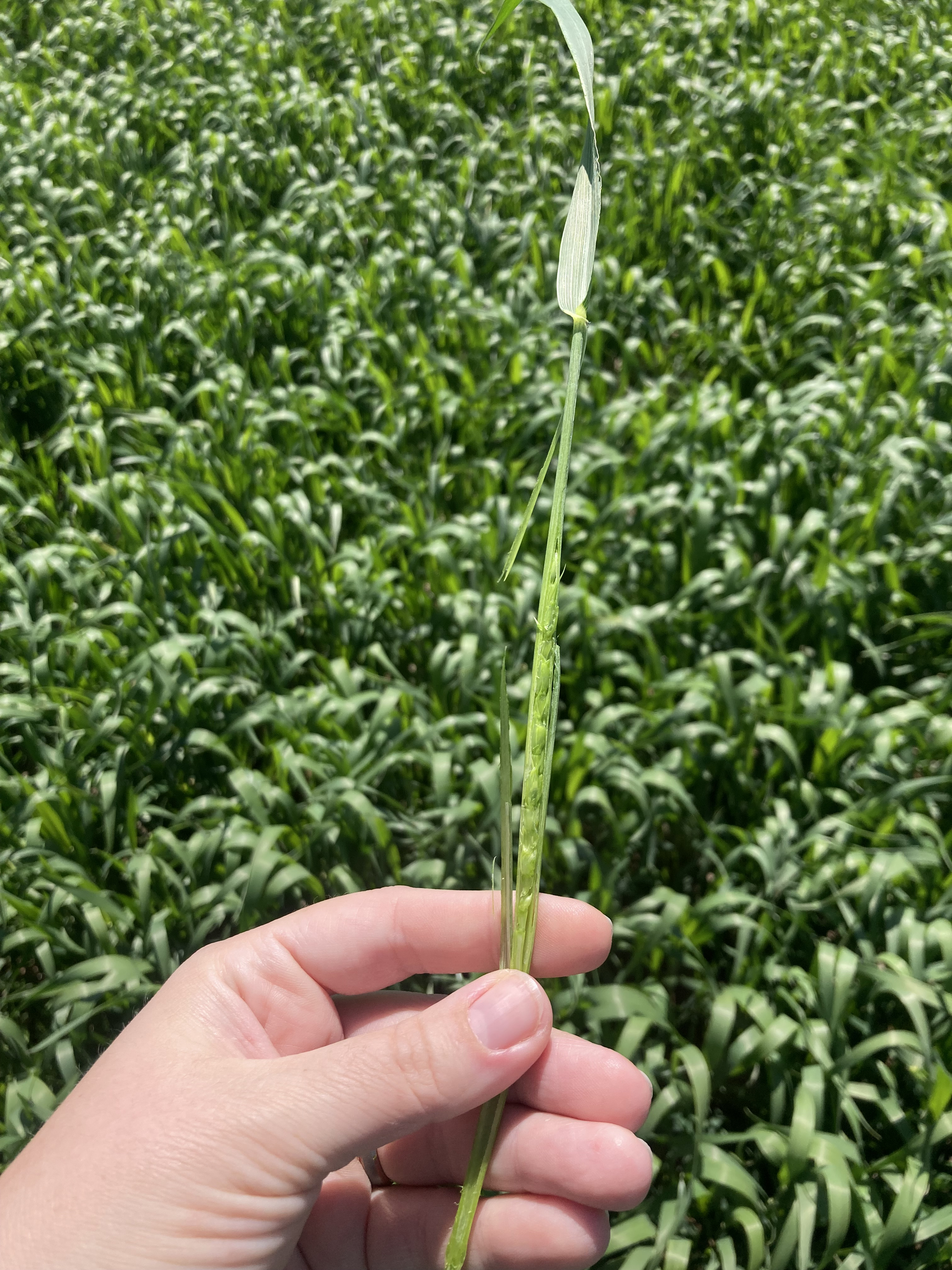
EmailWheat is at Feekes 9 (flag leaf ligule visible) with the head moving up the stem toward Feekes 10 (head emerging). Early planted soybeans began to emerge.
Weather
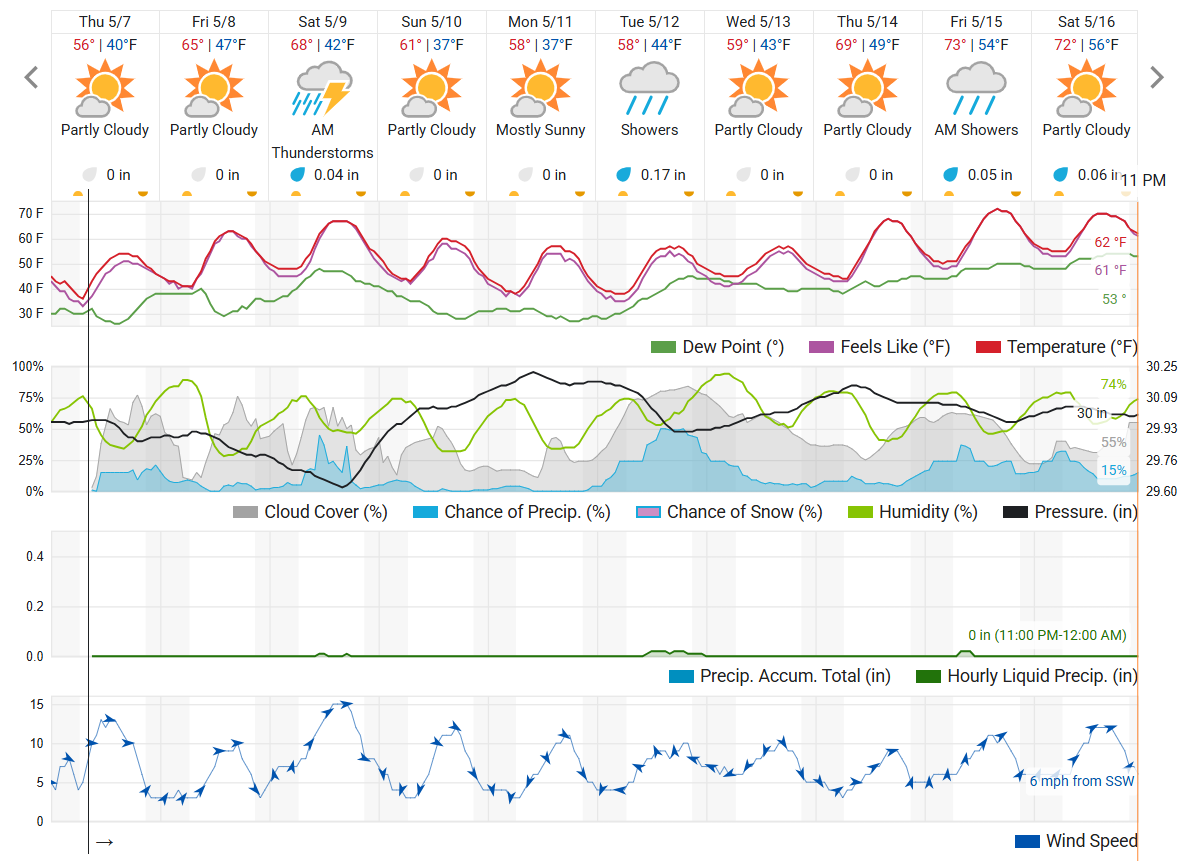
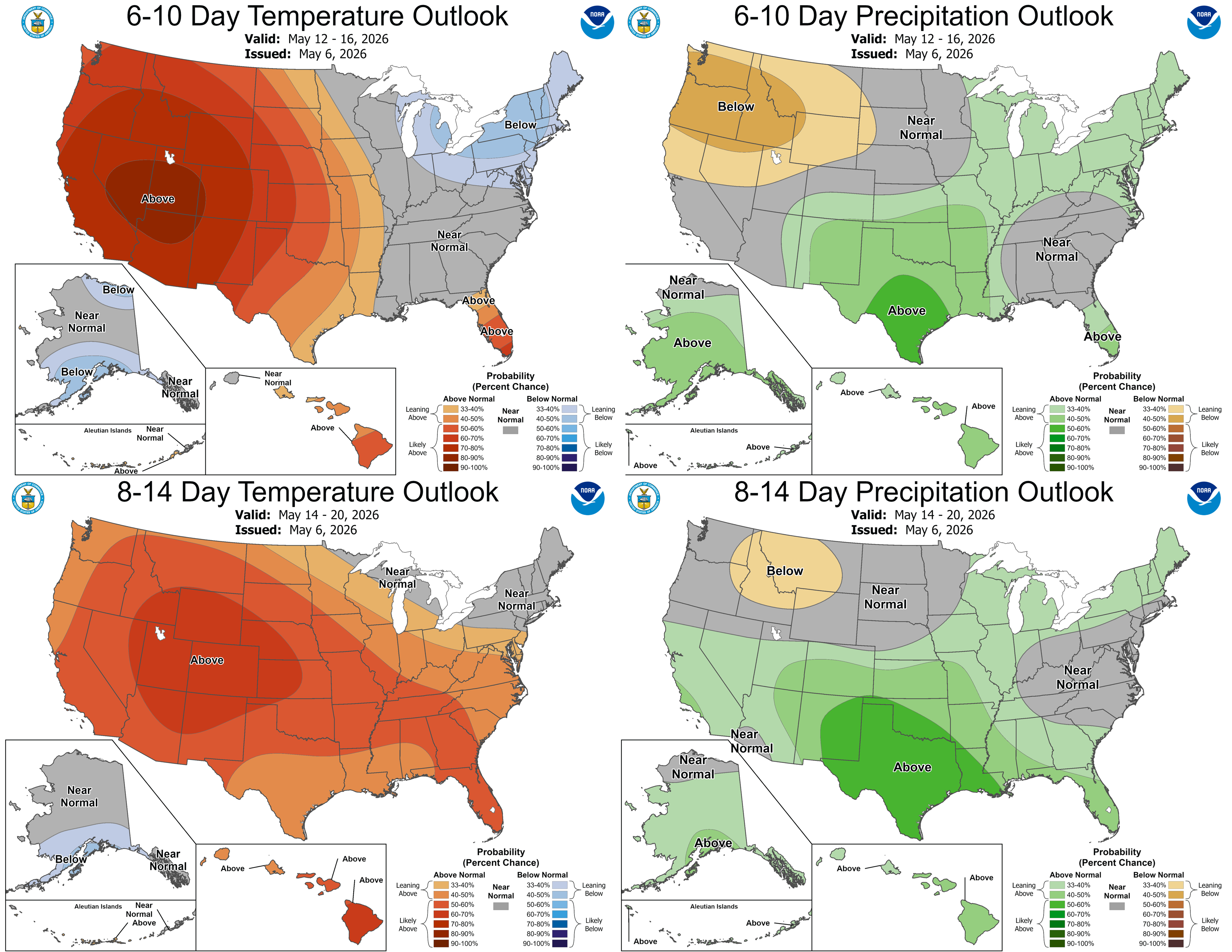
Much of the past week was cool and cloudy or rainy, with at least one frost throughout the region and several days at frost risk. Unlike the rest of the state, southern Michigan received significant precipitation. The forecast for the upcoming week is promising, however, with only light showers and highs around 60 degrees Fahrenheit.
Crops and pests
Corn and soybean planting continued as weather permitted, and early planted soybeans are beginning to emerge. Other fieldwork that occurred included tillage, herbicide applications and fertilizer and manure spreading.
Bucket traps in Berrien County near Berrien Springs, St. Joseph County near Centreville and Van Buren County near Lawrence have caught the following:
True armyworm
|
Date |
Berrien |
St. Joseph |
Van Buren |
|---|---|---|---|
|
4/20 |
34 |
37 |
9 |
|
4/27 |
35 |
53 |
35 |
|
5/4 |
1 |
9 |
5 |
Black cutworm
|
Date |
Berrien |
St. Joseph |
Van Buren |
|---|---|---|---|
|
4/20 |
9 |
6 |
2 |
|
4/27 |
6 |
6 |
4 |
|
5/4 |
5 |
6 |
0 |
Winter wheat is mainly at Feekes 9 (flag leaf ligule visible) or very late Feekes 8. Some flag leaf fungicide applications and late nitrogen applications went out over the past week. The flag leaf contributes greatly to photosynthesis in wheat—more than any other leaf— so it is important to keep it free of disease and defoliation. Insects such as aphids are present in fields at low levels and do not pose any economic concern so far. Scout wheat for true armyworm feeding damage and small larvae by shaking plants and checking the ground.
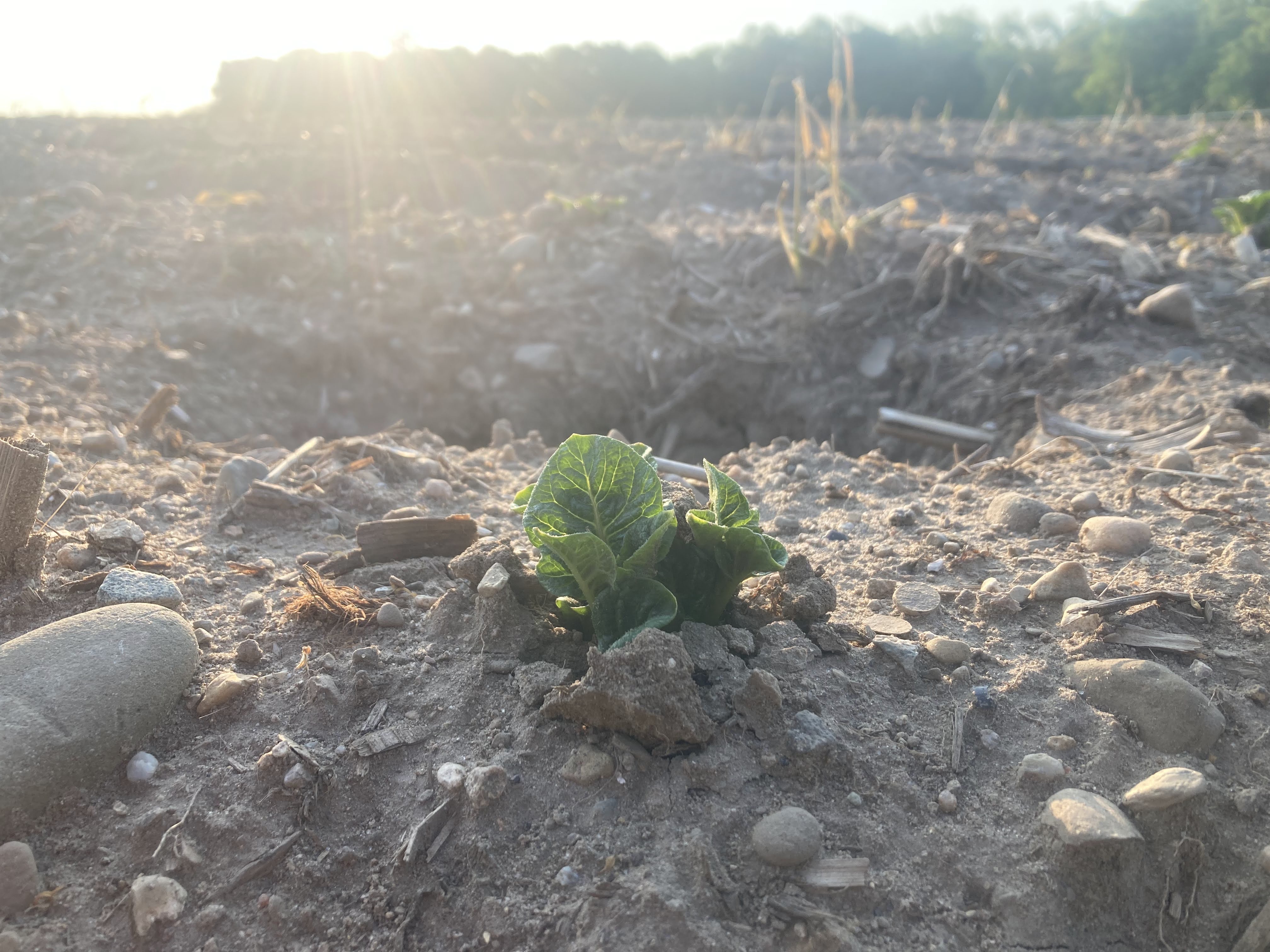
Potatoes started to emerge last week, just in time to get nipped by frost. The plants will grow out of it, but it does set them back temporarily. Planting operations continued, although precipitation slowed them down.
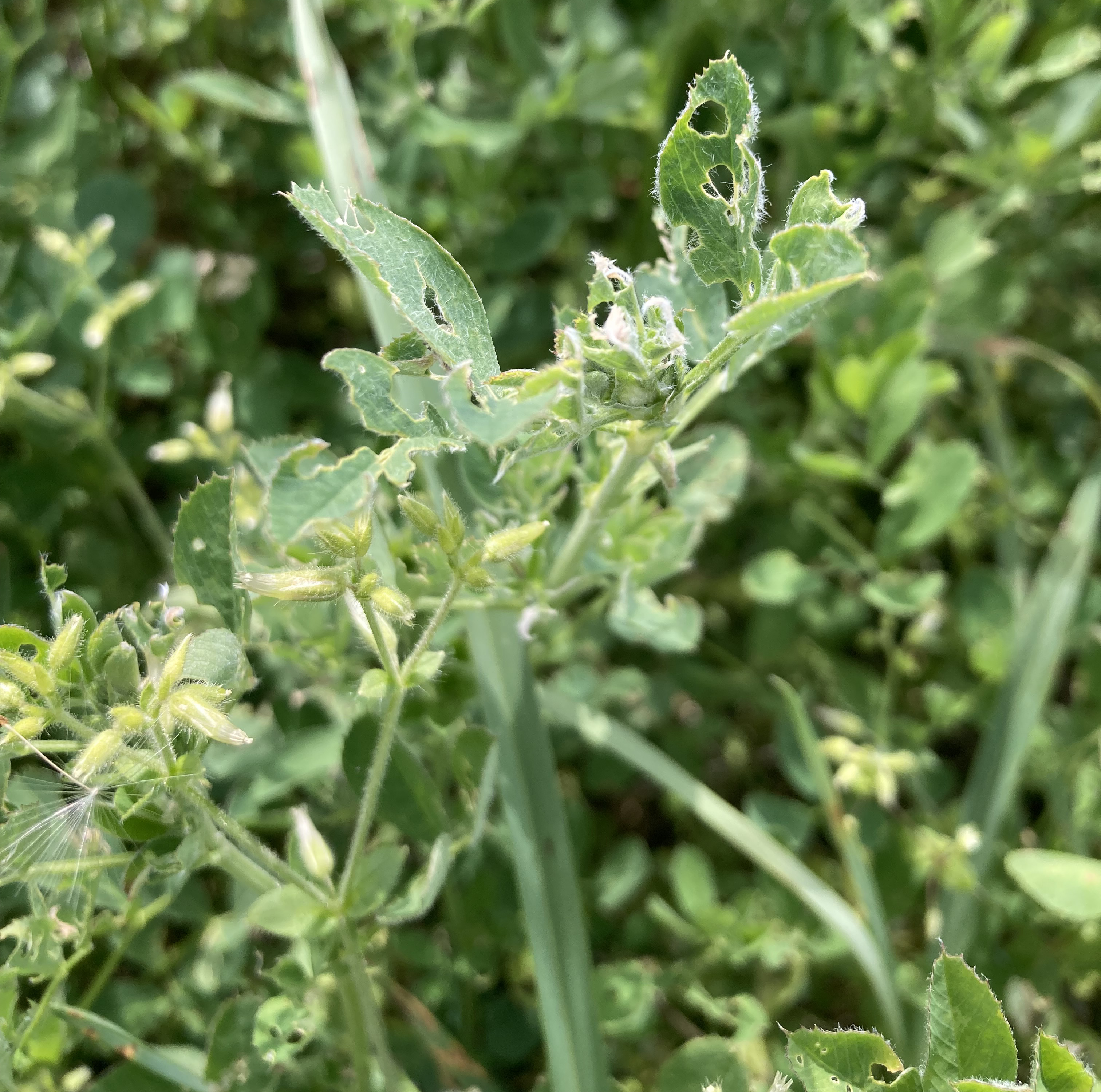
Alfalfa weevil continues to feed on alfalfa. Even though the defoliation may seem alarming, alfalfa can tolerate significant feeding damage from alfalfa weevil before it becomes economic to treat. Waiting until the economic threshold is reached is an important aspect of resistance management.
There are very few chemical modes of action for managing alfalfa weevils, so avoid applying insecticides earlier and more frequently than necessary. Avoid treating for weevils chemically unless the field meets the following criteria (taken from the article “Weevils are popping in alfalfa fields” from Michigan State University Extension):
- The alfalfa is 9 inches tall and has more than 50% of stem tips with feeding damage and has more than one larva per stem.
- The alfalfa is 12 inches tall and has more than 75% of stem tips with feeding damage and has more than two larvae per stem.
Irrigation and water use
As the irrigation season begins, don’t forget to prepare your irrigation scheduling tools as well. Having a plan in place ahead of time can save valuable time during the season and improve the accuracy of scheduling tools by allowing you to enter important information early, such as the exact crop emergence date.
Michigan State University Extension provides several free irrigation scheduling tools designed to help growers manage water more efficiently. More information about these tools can be found in this fact sheet. If you would like one-on-one training or guidance on using irrigation scheduling tools, please contact Angie Gradiz at gradizme@msu.edu.
This year, weekly crop water use updates will continue to be shared through the southwest Michigan crop updates, and for added convenience, updates will also be sent through direct email and text messages. Sign up here.
Field Crops Virtual Breakfast Series
Disease management in wheat, presented by Marty Chilvers, was the topic for the MSU Extension Field Crops Virtual Breakfast this week. Wheat at 50% flowering (Feekes 10.5.1) is the ideal time to apply fungicide that prevents fusarium head scab infection. Prioritize good head coverage for both sides of the wheat head. For fusarium and other diseases, reference the Crop Protection Network’s fungicide efficacy tables or tool.
Recordings of this and all the Virtual Breakfast meetings are closed-captioned and available at the Field Crops Virtual Breakfast webpage and the MSU Extension Field Crops Team social media platforms: Facebook, Spotify, Mediaspace, YouTube, Apple Podcasts and Twitter/X.
This work is supported by the Crop Protection and Pest Management Program [grant no 2024-70006-43569] from the USDA National Institute of Food and Agriculture. Any opinions, findings, conclusions, or recommendations expressed in this publication are those of the author(s) and do not necessarily reflect the view of the U.S. Department of Agriculture.