Southwest Michigan field crops update – September 17, 2026
 Print
Print Email
EmailSoybeans and corn are finishing up kernel fill and drying down. Seed corn and potato harvesters ran as weather permitted.
Weather
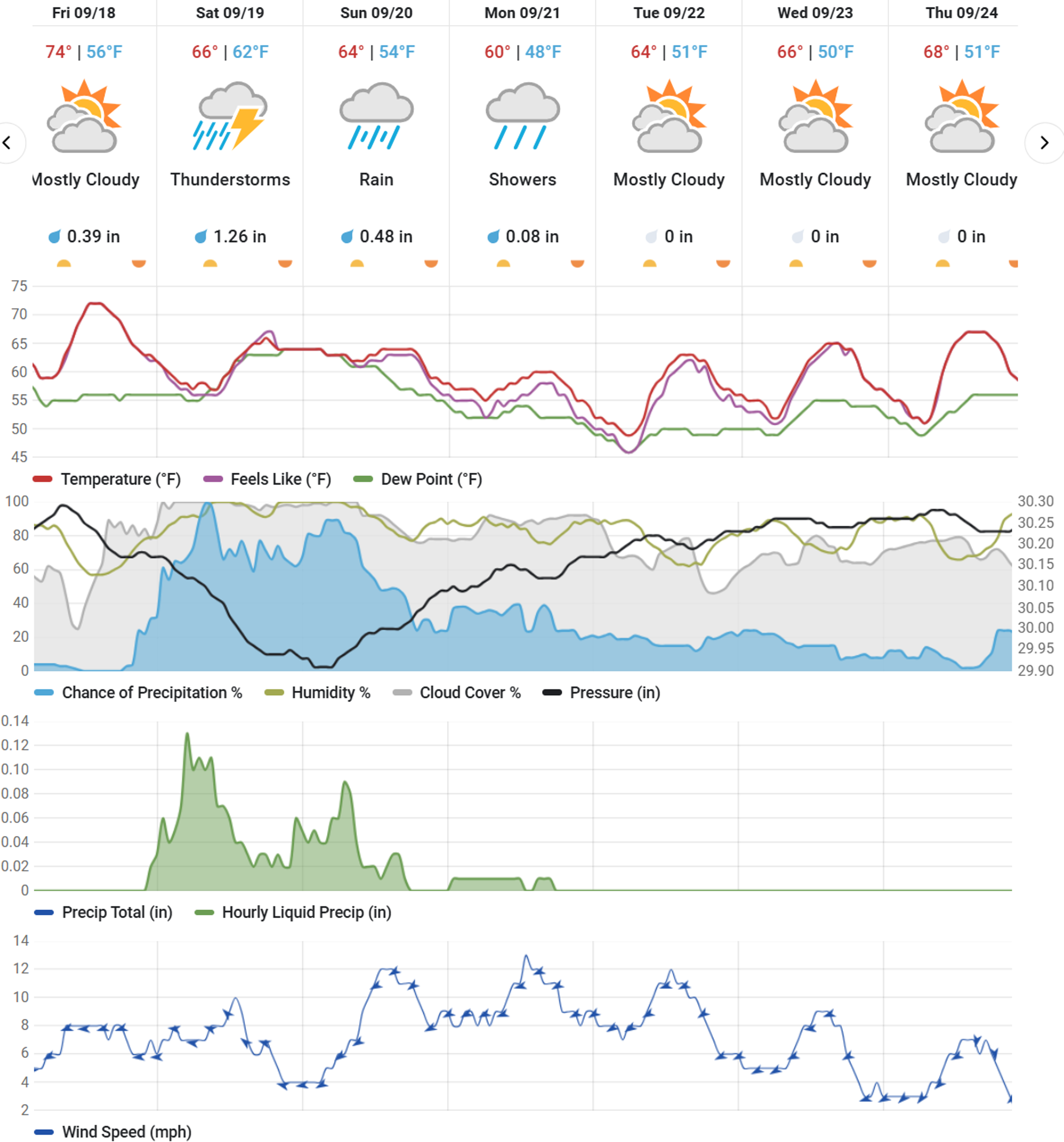
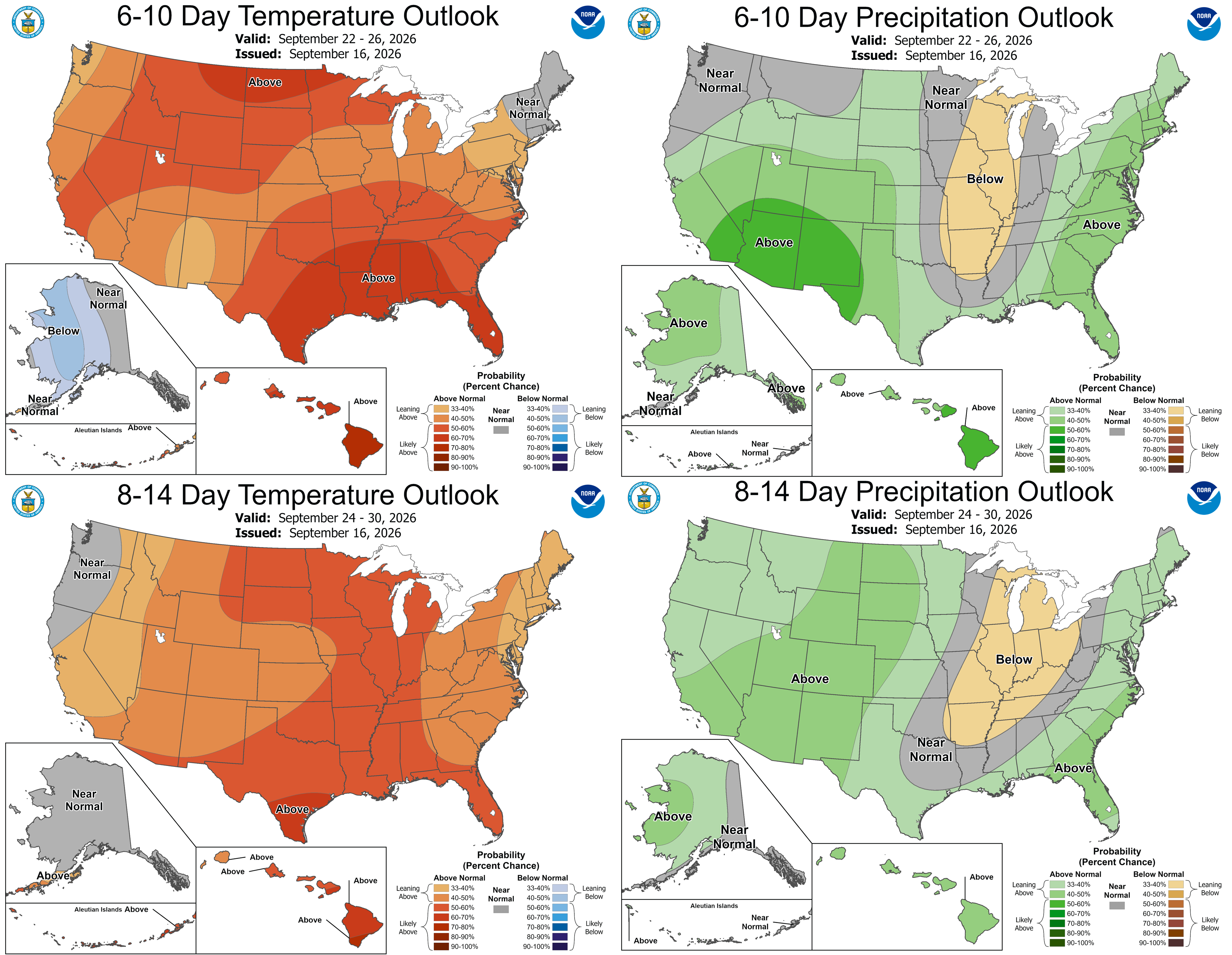
The past week was mainly cool, with showers following the relatively sunny weekend. About half an inch of precipitation was recorded at the Enviroweather Constantine station. This week, significant rainfall is forecast for the weekend, with a total of about 2 inches currently predicted. Temperatures will remain cool.
Crops and pests
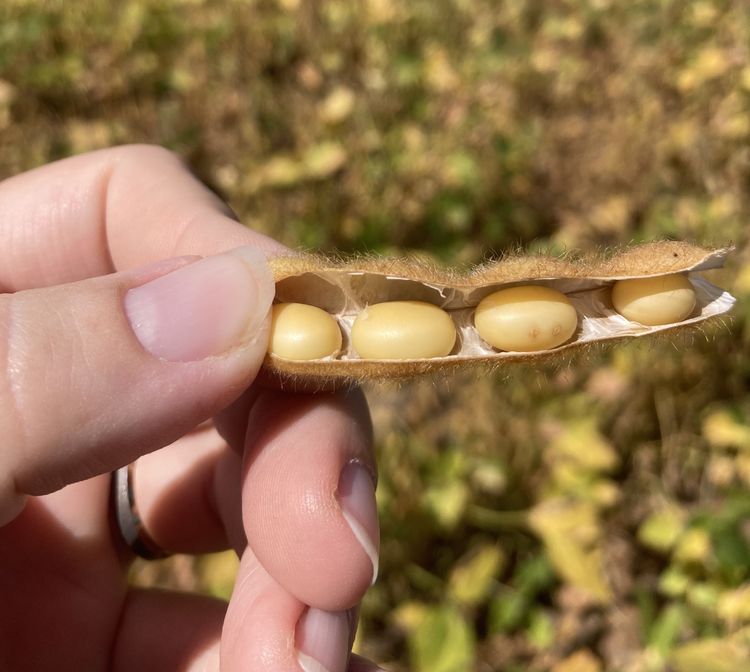
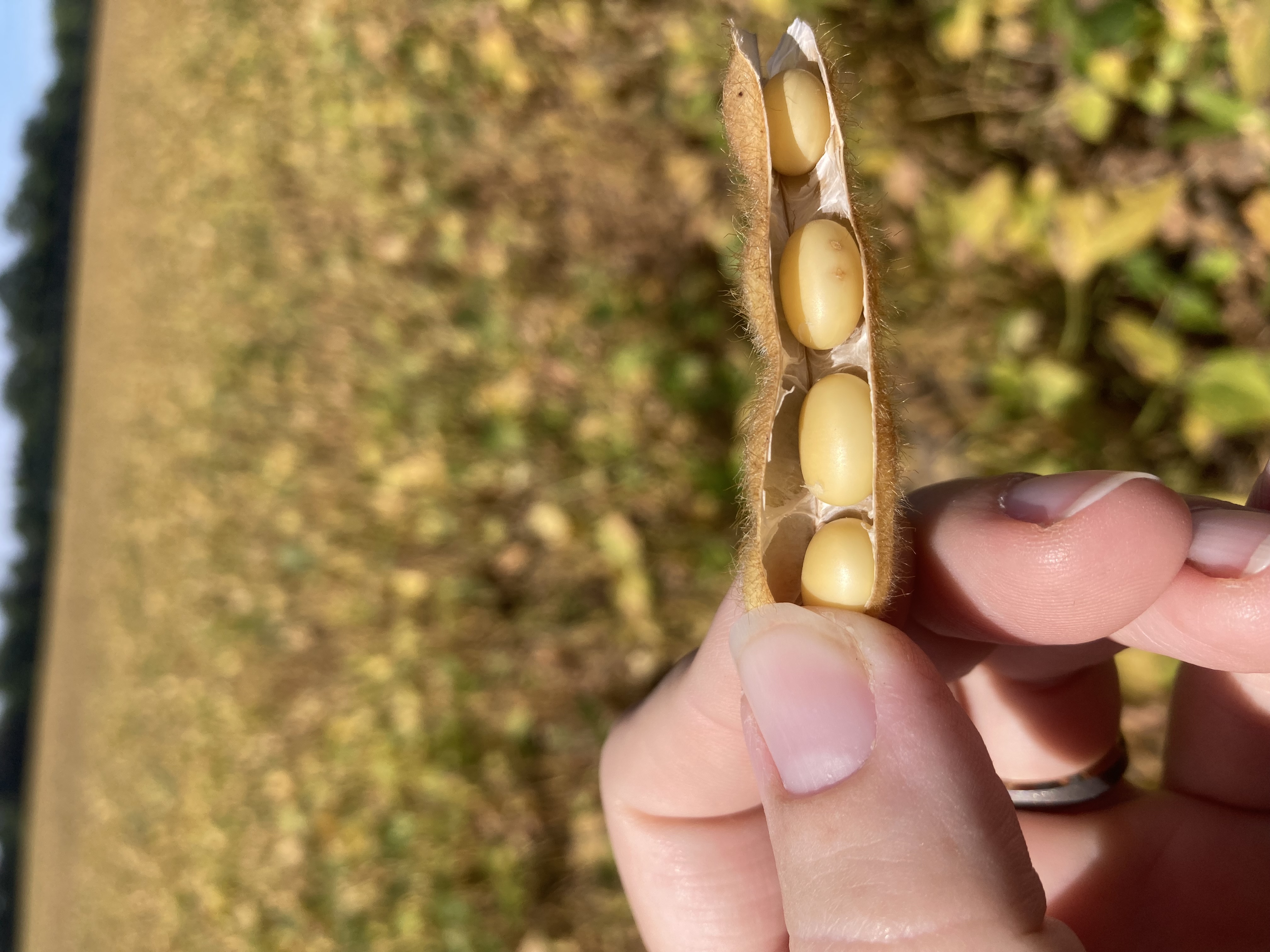
Full-season soybeans are at late R6 (seed fill), R7 (beginning maturity) or R8 (full maturity). Soybean harvest is not too far off, although the rain predicted over the weekend may push it back.
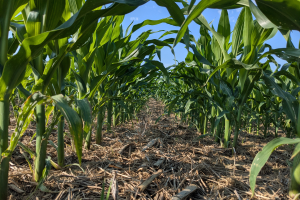
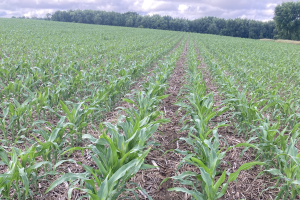
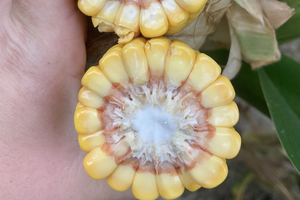
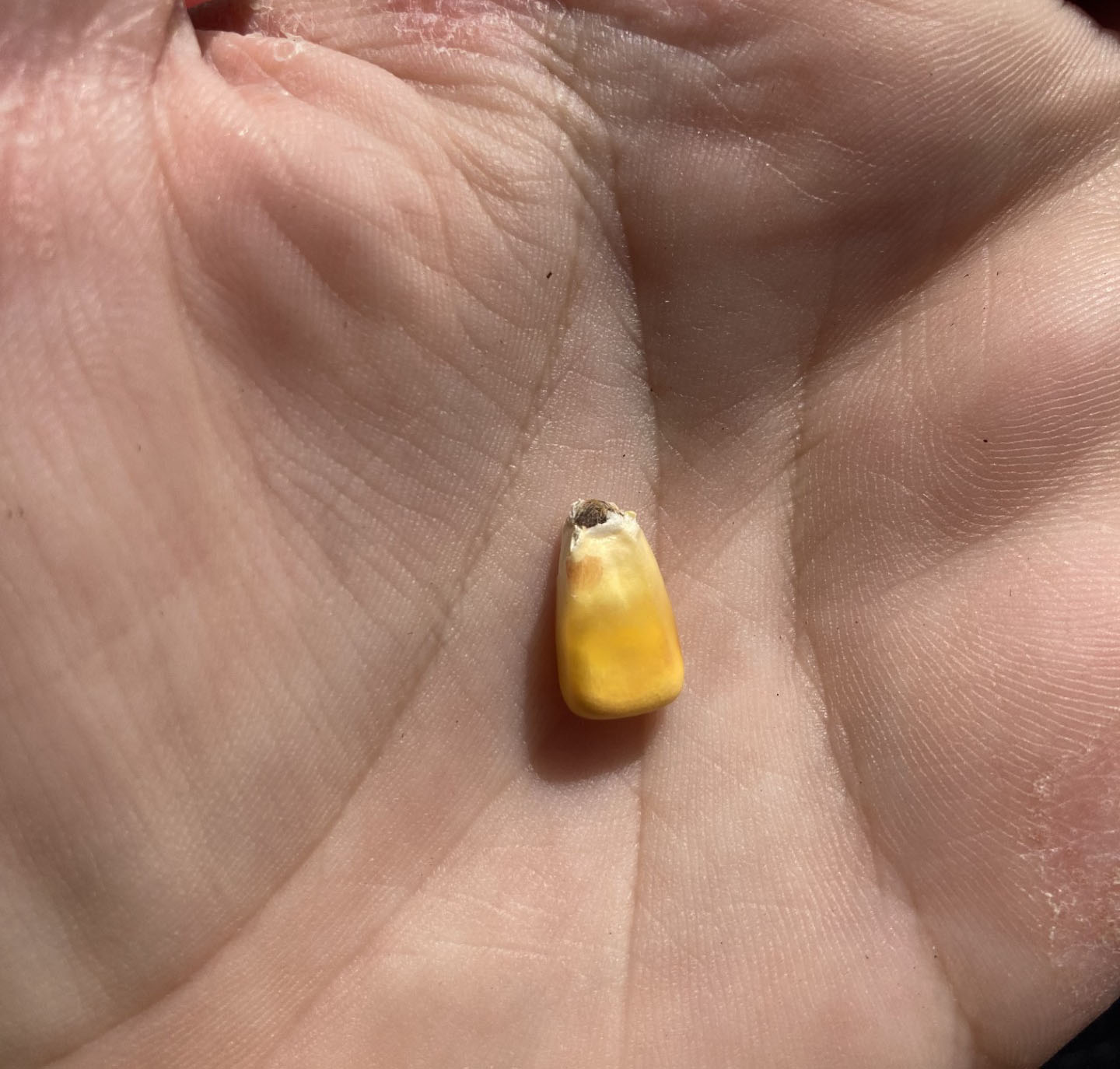
Corn is mostly at late R5 (dent) or R6 (black layer). At R6, the corn is physiologically mature and drying down for harvest. A hardened black layer is visible on the narrow tip of the kernel. Seed corn harvest picked up over the past week as weather permitted.
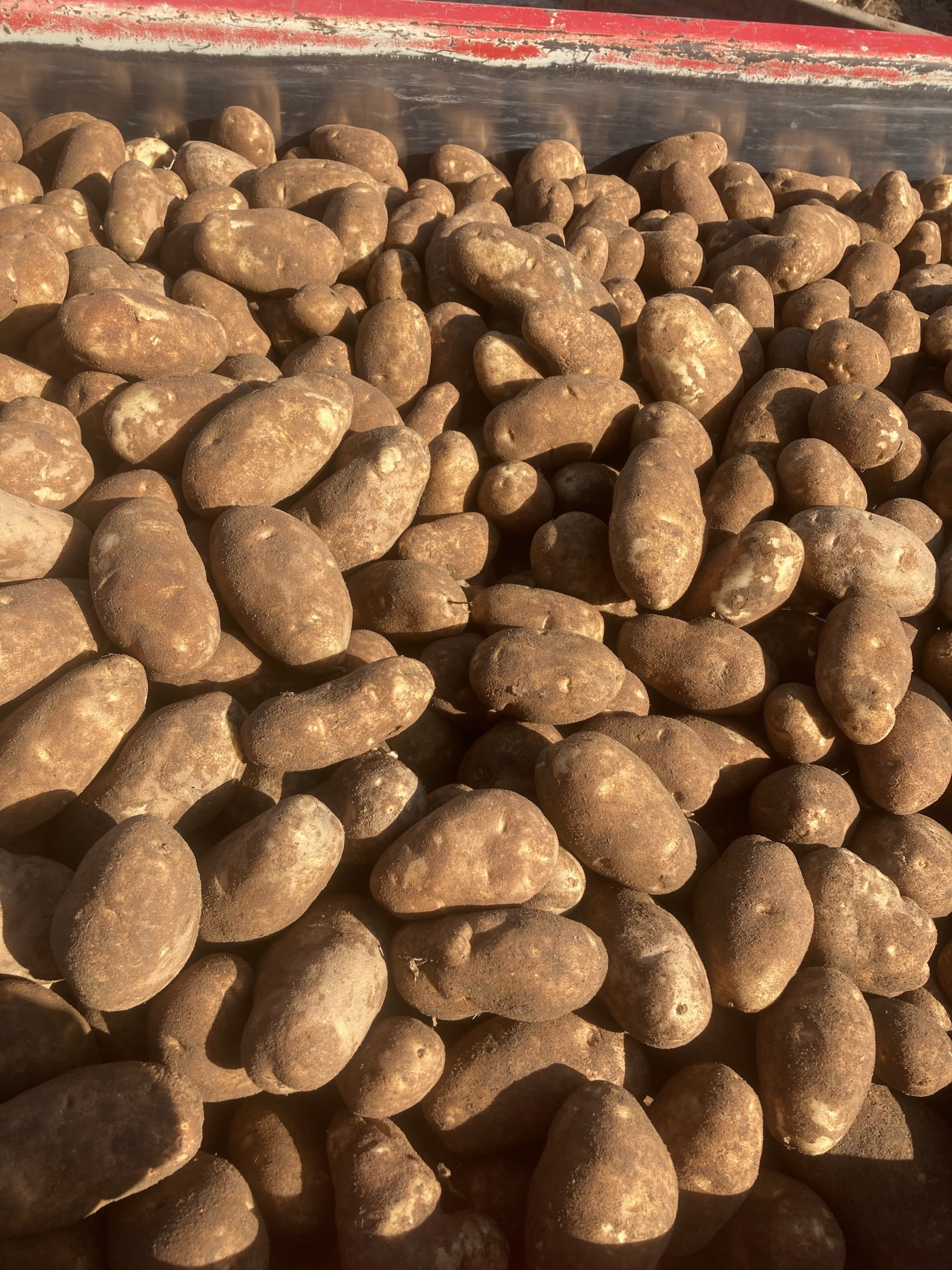
Potato storage harvest began slowly, but fresh crop harvest continued. A few fields are still green but will be terminated shortly. Cover crops have gone in on many of the fields that have been harvested at this point.
Irrigation and water use
At R5 (dent) stage, corn uses approximately 0.75 inch of water per week. Once corn reaches the black layer (maturity), water use decreases to about 0.45 inches per week, and additional irrigation may no longer be beneficial. Start thinking about your last irrigation event. Once corn reaches black layer, there is no benefit to adding more water.
Soybeans at R6 uses 0.75 inch per week, and at R7 (begin maturity) uses about 0.50 inch. Before making your last irrigation decision, check soil moisture to ensure there is enough water available to carry the crop through full maturity. When approximately 50% or more of the leaves have turned yellow, this can be a good endpoint for irrigation.
Rainfall this week is expected to be sufficient to cover crop water use, with lower temperatures and decreasing evapotranspiration and crop water demand.
To improve irrigation management, consider using irrigation scheduling tools such as the free and updated MSU Irrigation Scheduling Mobile App, available for Apple and Android devices. The app provides field-specific irrigation recommendations based on crop growth, weather, and soil type.
This year, weekly crop water use updates will continue to be shared through the Southwest Michigan Crop Updates. For added convenience, updates will also be sent through direct email and text messages. If you would like to see an additional location included in the report, please contact Angie Gradiz at gradizme@msu.edu or 531-249-4956.
The table below summarizes estimated crop water use (inches per week) for major irrigated field crops across Michigan's primary irrigated regions.
Estimated weekly crop water use for field crops in Michigan (in/week) for the week of Sept. 14 –20, 2026:
|
Crop |
Growth stage |
Constantine |
Berrien Springs |
Entrican |
Hart |
|
Reference ET |
0.68 |
0.65 |
0.62 |
0.69 |
|
|
Corn |
VT, Silk, Blister, Dough, Begin Dent |
0.75 |
0.72 |
0.68 |
0.76 |
|
Corn |
Full Dent |
0.68 |
0.65 |
0.62 |
0.69 |
|
Corn |
Black Layer |
0.45 |
0.43 |
0.41 |
0.46 |
|
Soybeans |
R5 (Begin seed) - R6 (Full seed) |
0.75 |
0.72 |
0.68 |
0.76 |
|
Soybeans |
Begin Mature (R7) |
0.54 |
0.52 |
0.5 |
0.55 |
|
Soybeans |
Full Maturity (R8) |
0.14 |
0.13 |
0.12 |
0.14 |
|
Potatoes |
Bulk |
0.41 |
0.39 |
0.37 |
0.41 |
|
Potatoes |
Pre-Senescence |
0.2 |
0.2 |
0.19 |
0.21 |
|
Potatoes |
Maturity |
0.07 |
0.07 |
0.06 |
0.07 |
Field Crops Virtual Breakfast Series
Late season weed control presented by Christy Sprague, was the topic for the MSU Extension Field Crops Virtual Breakfast this week. Successful weed control for 2027 starts with a good plan in 2026. Evaluate weed escapes from this past season and make changes to improve control for next season.
Recordings of this and all the Virtual Breakfast meetings are closed-captioned and available at the Field Crops Virtual Breakfast webpage and the MSU Extension Field Crops Team social media platforms: Facebook, Spotify, Mediaspace, YouTube, Apple Podcasts and Twitter/X.
This work is supported by the Crop Protection and Pest Management Program (grant no 2024-70006-43569) from the USDA National Institute of Food and Agriculture. Any opinions, findings, conclusions, or recommendations expressed in this publication are those of the author(s) and do not necessarily reflect the view of the U.S. Department of Agriculture.