The smart way to wet your plants
 Print
Print Email
EmailFrom thirsty houseplants to backyard herbs, you can automate irrigation, conserve water and never forget to water your plants again using a D-I-Y Raspberry-Pi smart self-watering system.

For many of us, gardening begins with good intentions. We dream of fresh vegetables, thriving herbs or colorful flowers that brighten our homes and yards. But busy schedules, travel and simple forgetfulness can quickly turn that dream garden into drooping plants, dry soil and wilted veggies. But similar to how smart technology has helped to remedy issues in everyday life, gardening can also follow suit with tools to address this common watering problem. Read on in this Michigan State University Extension article to learn more about several accessible and affordable smart gardening projects.
With Raspberry Pi, a small but powerful and affordable computer, home gardeners can build self-watering systems that automate irrigation, monitor soil moisture and help plants thrive, even when life gets hectic. Using a Raspberry Pi along with other inexpensive, readily available components, home gardeners can create systems that help care for plants more efficiently, making gardening not only easier but also more interactive, practical and fun. Some systems can even track temperature, send alerts to your phone or use cameras to monitor plant growth over time.
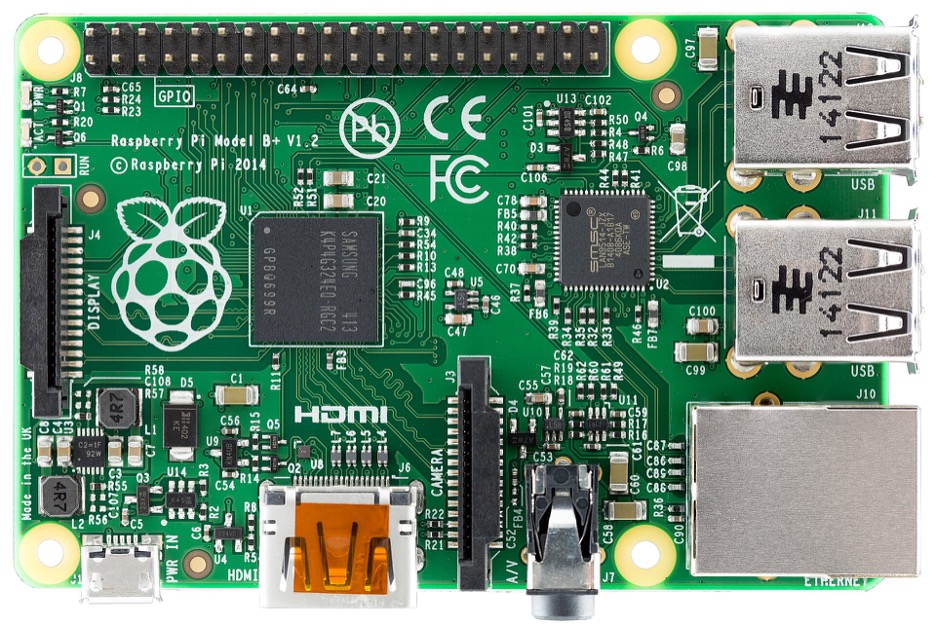
Across do-it-yourself (DIY) communities, makers have embraced Raspberry Pi for creative self-watering and smart gardening projects. Rather than investing in expensive commercial smart gardening products, home gardeners can build customizable systems for a fraction of the cost that are tailored to their specific needs with minimal prior experience. While commercial smart watering systems can cost several hundreds to several thousands of dollars, many Raspberry Pi systems can be assembled for well under $100 using open-source software and readily available components.
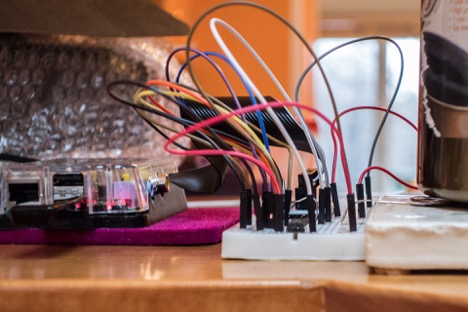
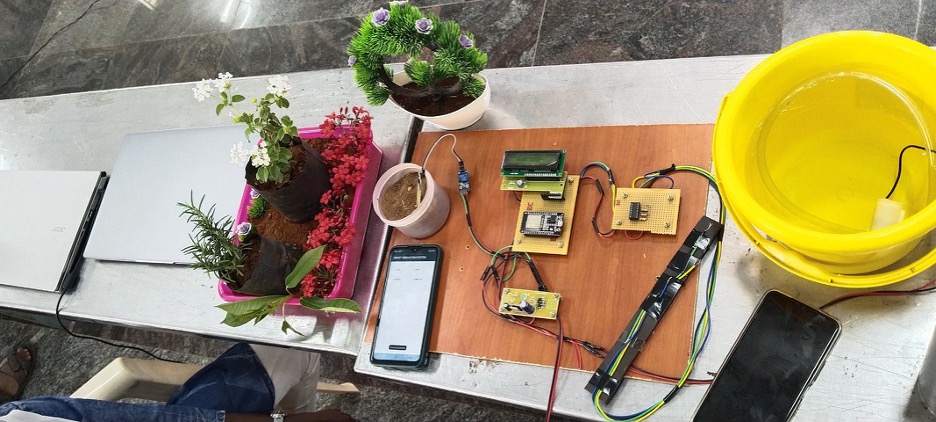
At its core, a Raspberry Pi-powered self-watering system is surprisingly simple. A soil moisture sensor continuously measures how much water is available in the soil. When moisture levels drop below a threshold set by the gardener, the Raspberry Pi signals a relay that activates a small water pump or irrigation valve. Once the desired moisture level is reached, the pump automatically shuts off, watering plants only when they need it.
Beyond watering, these systems can also connect to sensors that monitor temperature, humidity and other environmental conditions, helping gardeners identify heat stress, adjust watering schedules and better understand the unique growing conditions within their own garden. The result is less guesswork, less overwatering and fewer sad-looking plants. Starting with a single self-watering planter can be an easy and affordable entry point, while more advanced gardeners can expand into larger irrigation systems, remote monitoring dashboards or environmental tracking over time.
These easy-to-build systems include those like Raspberry Pi Powered Internet of Things (IoT) Gardens and open-source automated garden systems and tools like the Eduponics app, which demonstrate how accessible this technology can be for beginners and hobbyists alike. Each of these systems offer a practical, creative and surprisingly fun way to make gardening easier for gardeners, DIY enthusiasts and families interested in hands-on STEM learning as they create a custom gardening helper that prevents your plants from getting thirsty.
Smart gardening doesn’t replace the fun and joy of gardening with machines. It enhances your experience by reducing stress and freeing your time to enjoy the process of growing. For everyday gardeners, a smart garden tool offers a way to create an interactive, custom and reliable garden.
Whether you have a green thumb, are a curious beginner or someone who simply forgets to water your herbs on the windowsill, a Raspberry Pi can be a surprisingly powerful tool for bringing your garden into the digital age without completely having to give up playing in the dirt. Learn more about other ways to level up your garden through MSU Extension smart gardening.