Turf update: Ascochyta leaf blight damaging lawns
 Print
Print Email
EmailAscochyta leaf blight has damaged lawns in the last week, causing concern and questions about recovery.
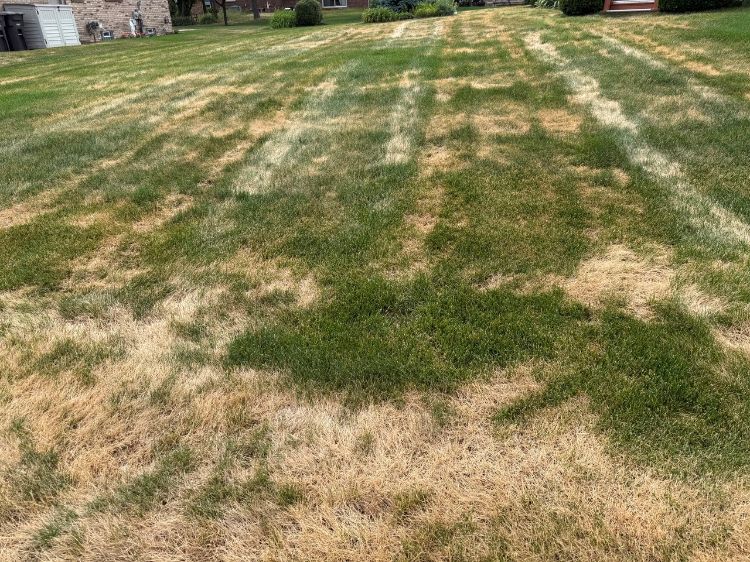
This has been another crazy weather year in Michigan as a wet, cool spring has been followed by dry and hot conditions. As temperatures soared and the rain disappeared in the last couple weeks, lawns began showing damage from Ascochyta leaf blight. Ascochyta leaf blight is usually considered a sporadic, minor turfgrass foliar disease that results in temporary injury from which the turf recovers within a couple weeks. The recent rainfall in some areas should hasten recovery.
Conditions favorable for development are not fully understood. Symptoms typically develop in drought stressed turf preceded by wet or humid conditions, which perfectly describes the conditions of the last couple weeks. The disease usually develops in stressed turf, especially areas with soil moisture fluctuations from wet, saturated soils to droughty soils.
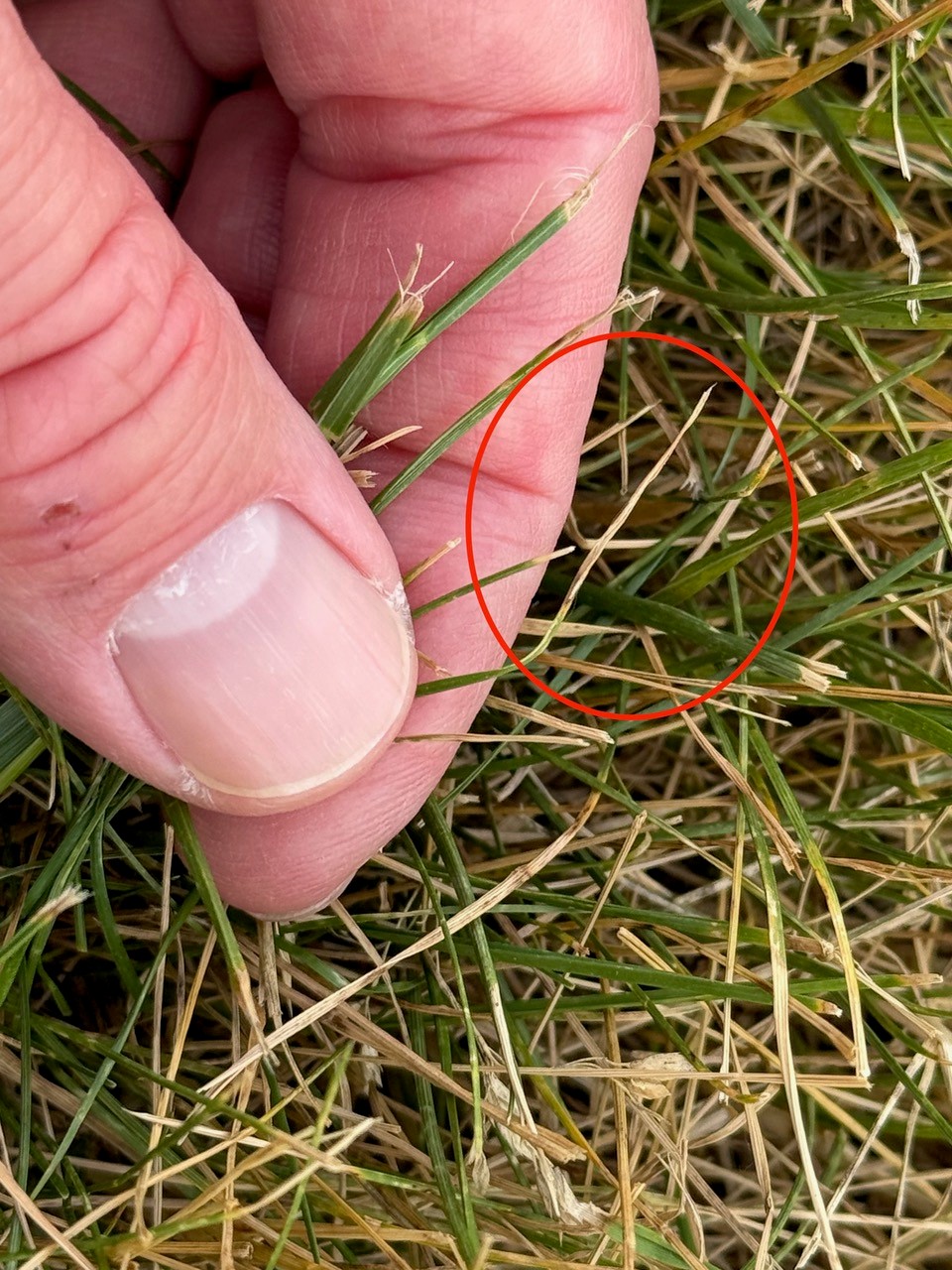
Ascochyta often shows up as tracking damage from mowing or ride-on sprayers/spreaders. The damage is not from fertilizer or pesticide applications, it is from Ascochyta, a fungus. When conditions are wet, the fungus produces spores that ooze from fruiting bodies and can be dispersed with rain, irrigation water or lawn equipment. The fungus infects by entering cut ends of the grass blades or other leaf lesions like those resulting from dull mower blades.
Michigan State University Extension recommends not mowing when turf is wet (easier said than done) and using sharp blades to ensure a clean cut and minimize wounding. Avoid over fertilizing. Despite appearances, the turf will recover, often within a few weeks, especially with a weather forecast predicting cooler temperatures in the next five to seven days. Relatively quick recovery is possible because Ascochyta leaf blight does not damage crowns and roots.