Two Michigan teachers to set sail on Lake Superior for week-long Shipboard Science Immersion
 Print
Print Email
EmailScience teachers from Traverse City and Clarkston chosen to join scientists on EPA’s R/V Lake Guardian.
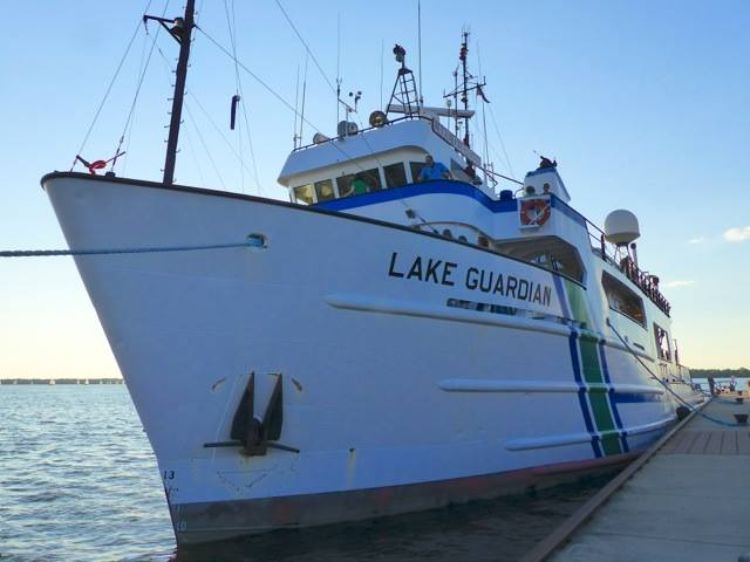
Michigan Sea Grant is proud to announce that two Michigan educators are among 15 chosen to join Center for Great Lakes Literacy (CGLL) staff and Great Lakes scientists for the 2026 Shipboard Science Immersion aboard the U.S. Environmental Protection Agency (EPA) Research Vessel (R/V) Lake Guardian on Lake Superior this summer.
Kelli Catotal, a sixth-grade science and career awareness teacher from Clarkston Community Schools, and Mandi Young, a science teacher at The Pathfinder School in Traverse City, were chosen from a pool of applicants. They will set sail July 7 from Duluth, Minn., for the week-long experience.
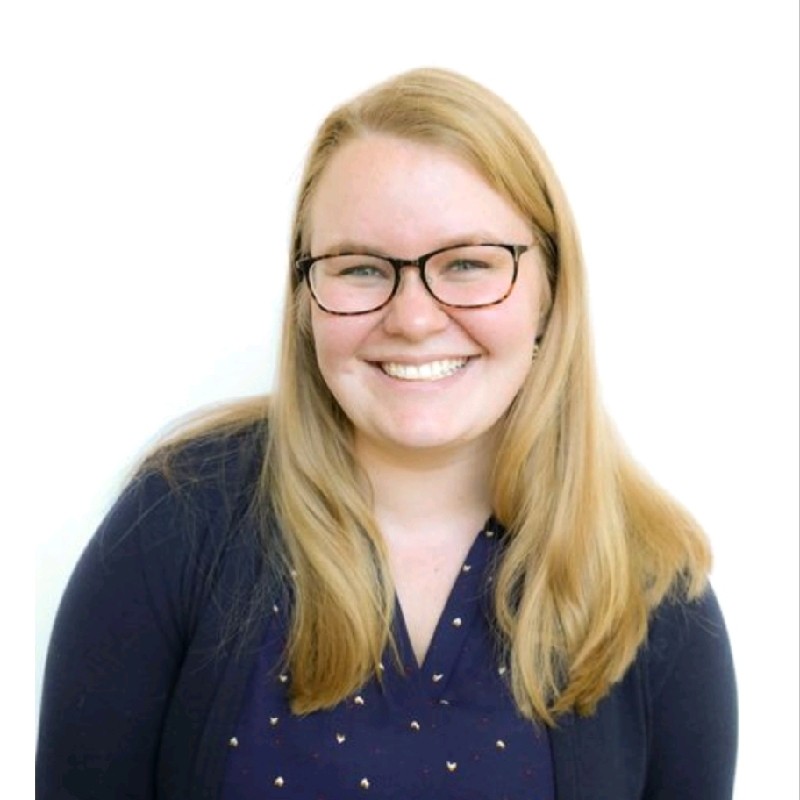
The Shipboard Science Immersion represents a partnership between the EPA Great Lakes National Program Office and NOAA, with funding from the Great Lakes Restoration Initiative. The Michigan participants will join scientists and 13 other educators from across the Great Lakes basin aboard the EPA R/V Lake Guardian. Hosts for the Lake Superior expedition are CGLL partners Minnesota Sea Grant, Illinois-Indiana Sea Grant, and Wisconsin Sea Grant.
Catotal teaches at Sashabaw Middle School and specializes in what she calls “smath” integration. “I come from a math background and want students to know that science is a melting pot of all their classes including math, social studies, language arts, and more,” Catotal said. “My goal is for students to realize that what they are learning in math class is applicable in science class. Using the term ‘smath’ is a way to signal to students to use the math they've learned in another class and connect it to the data and science for the current lesson."
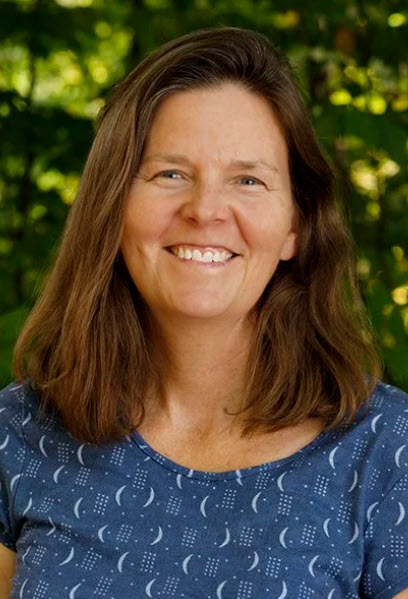
Young teaches fifth- through eighth-grade science at the private Pathfinder School in the Traverse City Area School district. Young plans to integrate her learning from this experience directly into existing units, strengthening her students’ content knowledge and Great Lakes literacy. “I'm excited to bring real-world Great Lakes science into my classroom, inspiring students with a firsthand look at how science happens and what's possible for their own future as scientists,” she said.
Shipboard Science Immersions are designed to promote Great Lakes sciences while forging lasting relationships between Great Lakes scientists and educators. CGLL is a collaborative effort led by Sea Grant educators throughout the U.S. Great Lakes watershed. CGLL fosters informed and responsible decisions that advance basin-wide stewardship by providing hands-on experiences, educational resources, and networking opportunities promoting Great Lakes literacy among an engaged community of educators, scientists, and youth.
“One of the biggest things I’m hoping to do is to bridge the gap between what’s happening in the Great Lakes and bringing that to the classroom. Being able to talk to the scientists and then share the data back with my students will be amazing,” Catotal said.
The R/V Lake Guardian is the largest research vessel operating in the Great Lakes, and the Immersion program rotates through all five of the lakes. In 2027, it is anticipated to be sailing on Lake Huron.
“There are so many things I’m looking forward to. I hope to immerse myself in authentic Great Lakes research, deepen my scientific knowledge, and grow as an educator by learning alongside scientists in the field,” Young said.
For more information on the 2026 Shipboard Science Immersions, visit the Center for Great Lakes Literacy website.
Michigan Sea Grant helps to foster economic growth and protect Michigan’s coastal, Great Lakes resources through education, research and outreach. A collaborative effort of the University of Michigan and Michigan State University and its MSU Extension, Michigan Sea Grant is also part of the NOAA-National Sea Grant network of 34 university-based programs.
This article was prepared by Michigan Sea Grant under award NA24OARX417C0157-T1-01 from the National Oceanic and Atmospheric Administration, U.S. Department of Commerce through the Regents of the University of Michigan. The statement, findings, conclusions, and recommendations are those of the author(s) and do not necessarily reflect the views of the National Oceanic and Atmospheric Administration, the Department of Commerce, or the Regents of the University of Michigan.