Vaccination recommendations for pasture-raised pigs in Michigan
 Print
Print Email
EmailPreventive vaccination programs help outdoor pig producers reduce disease risks associated with soil, wildlife and environmental exposure.
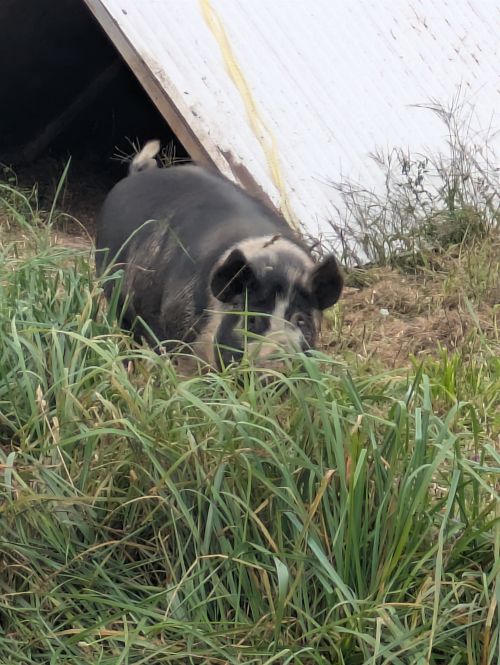
Outdoor pig systems expose animals to environmental pathogens present in soil, manure or wildlife populations. While overall disease risk varies between farms, vaccination programs are an important part of preventive herd health management.
Vaccination programs for pasture-raised pigs should be based on the specific risks present on each farm. Not all herds require the same vaccines, and decisions are often influenced by factors such as herd size, exposure to wildlife, previous disease history and whether breeding animals are maintained on the farm. Producers raising pigs outdoors may choose to vaccinate against diseases that are more likely to occur in soil-based or wildlife-exposed environments. Working with a veterinarian to evaluate herd health records, management practices and local disease risks can help determine whether vaccination is needed and which products are most appropriate. Developing a herd health plan that includes vaccination schedules, biosecurity practices and monitoring for signs of illness can help producers manage disease risk while maintaining productive pasture pig systems. Producers should work with a veterinarian to determine appropriate vaccination schedules for their herd.
Disease risks in outdoor pig systems
Pigs raised outdoors may be exposed to pathogens carried by rodents, wildlife, insects, or contaminated soil and manure. Compared with fully confined systems, outdoor pigs have greater contact with the environment, increasing the risk of certain bacterial and parasitic diseases. Wet areas, mud buildup, and locations where pigs congregate, such as near feeders, waterers, and shelters, can allow pathogens to persist and spread within a group.
Some disease-causing organisms can survive in soil or organic matter for extended periods. This environmental persistence means pigs may become infected even after animals have been moved off a pasture if pathogens remain in the soil. Good pasture management, including paddock rotation and maintaining dry bedding areas, can help reduce the buildup of pathogens in the environment.
One disease commonly associated with outdoor pigs is erysipelas, caused by Erysipelothrix rhusiopathiae. The bacterium is widely distributed in soil, manure, and animal waste and can infect pigs through small cuts or abrasions in the skin. Clinical signs may include fever, skin lesions, lameness, or sudden death in severe cases. Because the organism can survive in the environment, vaccination is often recommended for pigs raised outdoors. Additional information on this disease is available in the Merck Veterinary Manual entry on swine erysipelas.
Other diseases that may be of concern in outdoor systems include leptospirosis and clostridial infections, both of which are associated with environmental exposure and wildlife reservoirs. Rodents and other wildlife can carry these pathogens onto farms, increasing the importance of biosecurity and vaccination programs.
Developing a herd health plan with a veterinarian can help producers determine which vaccinations are appropriate for their operation. Combining vaccination programs with good pasture management, rodent control and sanitation practices, along with equipment and materials, can help reduce disease risks in outdoor pig systems.
Common vaccines used in outdoor pig systems
|
Vaccine Target |
What the Vaccine Protects Against |
When to Give |
Notes for Outdoor Systems |
Approximate Cost per Pig* |
|
Erysipelas |
Erysipelothrix rhusiopathiae |
Piglets at 6–8 weeks with booster; breeding animals annually |
Organisms can persist in soil and manure |
$0.50–$1.50 |
|
Leptospirosis |
Leptospira bacteria |
Breeding animals prior to breeding and annually |
Wildlife and rodents can spread disease |
$1.50–$3.00 |
|
Parvovirus |
Reproductive failure in breeding herds |
Gilts prior to first breeding; sows annually |
Often combined with the leptospirosis vaccine |
$1.50–$3.00 |
|
Clostridial diseases |
Soil-borne bacteria |
Used in some herds annually |
Exposure to soil environments may increase risk |
$1.00–$2.50 |
Costs vary by supplier and product. Table adapted by: Merck Veterinarian Manual, AASV, Diseases of Swine
Vaccination is a key part of a comprehensive herd health plan for pasture-raised pigs. While vaccines can help lower the risk of certain diseases, they are most effective when combined with good management practices such as pasture rotation, maintaining dry resting areas, controlling rodents, and regularly checking pigs for signs of illness. Since each farm has different levels of environmental exposure and risk, producers are encouraged to work with a veterinarian to create and modify vaccination plans that suit their operation. Taking a thorough, farm-specific approach can help improve pig health and productivity in outdoor systems.