Ways 4-H volunteers can support youth virtually
 Print
Print Email
Email4-H volunteers can still support youth in their project work even when not in person .
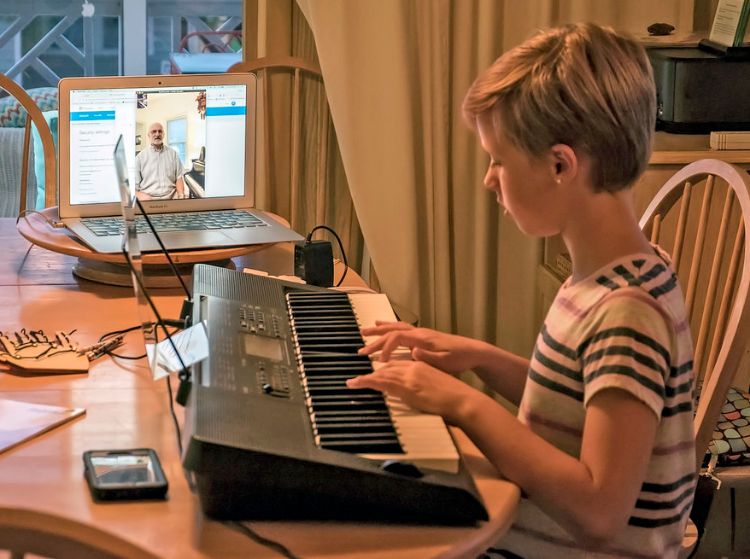
As a 4-H volunteer, you probably value the 4-H slogan of “learning by doing.” Hands‑on learning can feel challenging when you can’t be face‑to‑face with youth, but it’s absolutely still possible. 4-H volunteers can help youth through 4-H projects virtually.
We know many people learn and retain more when action is involved in their learning process, however, there are times when having virtual connections is important due to weather, other activities or commitments of members, or the time between in-person meetings. As a volunteer, you can still help young people learn and reflect in a virtual setting, you just need to think differently. Virtual tools open new opportunities to support young people, encourage independence, and keep projects moving forward. With a little creativity and planning, you can stay connected, guide youth learning and still create an environment that is focused on hands-on learning.
First, consider the best way to communicate with the youth with which you are working. It could be through phone calls, a text message group, email, a social media platform or an online format such as Zoom or FaceTime. If using social media and texting as your mode of communication with youth, follow these social media and texting expectations from Michigan State University Extension.
Once you’ve determined how to connect with the youth, start thinking of ways to translate your typical project activities into a virtual experience. A few ways to do this include:
- Step-by-step photo instructions sent via text or email.
- Live demonstrations on Zoom or similar platforms.
- Recorded videos youth can watch on their own time.
- “Challenge and check-in” activities, where you give youth a task, let them work independently, and then regroup to discuss what they learned.
The key is maintaining opportunities for youth to explore, try things, reflect and improve while also having a space where youth can feel connected and experience a sense of belonging.
For example, if you’re a photography leader, you could provide some quick instruction on the rule of thirds. Then, ask everyone to find at least five photos they could take and share back to the whole group or just the leader, and then you provide some feedback. Don’t forget to include the most important step of implementing experiential learning by asking questions. You can even ask youth to share they’re thoughts in chat, through e-mails, or in a group chat. If you need help coming up with questions to ask youth, refer to the “Experiential Learning Process Questions” document from Iowa State University Extension.
Finally, MSU Extension has a few additional resources that can be helpful with setting-up virtual experiences for youth:
- Safety in Virtual Learning Environments
- Setting up a Virtual Club Meeting
- Host a Virtual 4-H Meeting
When volunteers use technology to keep youth connected, they ensure that 4‑H continues to support learning, growth and belonging—even when life gets busy or conditions aren’t ideal.
MSU Extension and Michigan 4-H Youth Development help to prepare young people for successful futures. To find out how to get involved as a youth participant or an adult volunteer, contact your county MSU Extension office.