What should I donate to my food pantry?
 Print
Print Email
EmailLearn how to help food pantries meet needs all year long.
During the fall and holiday season, there are countless food drives organized by civic groups, churches, schools and community organizations. These seasonal efforts do an incredible job of helping stock local food pantries when donations are most visible. But what happens during the other nine months of the year?
Outside of the holiday season, the community need does not disappear. Families continue to struggle with food insecurity year-round, yet donations and community food drives often decline. The summer is typically when donations and food drives tend to be the lowest, but the need often increases because summer vacation means time away from the support of school meal programs for kids and families.
One common question is, “What should I donate?” Some people may view pantry donations as an opportunity to clear out their cupboards, giving away items they no longer want or foods that have long since expired. However, food pantries are not a place to discard unwanted food. If someone relies on a pantry for meals, they deserve the same quality and dignity that we would expect for ourselves. A good rule of thumb is simple: Would you eat the food you are donating?
We spoke with a local Food Bank about the items most helpful to families, and she shared the following suggestions:
Tips for Donating to Food Pantries
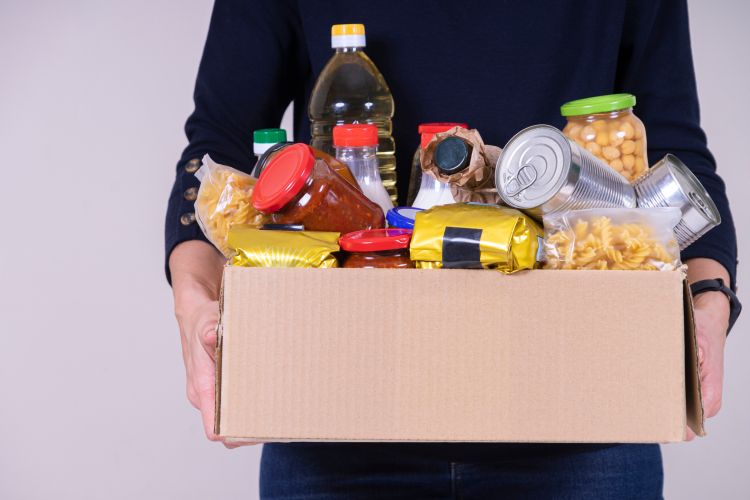
- Think in terms of a meal kit. Consider donating pasta, sauce, and a canned protein, along with canned vegetables and fruit, to help create a complete meal.
- Choose simple breakfast options such as instant oatmeal, pancake mix, or muffin mixes that require only water. Products that need additional ingredients like eggs, milk or oil can create extra expenses for families.
- Donate easy-to-prepare side dishes such as stuffing mix or macaroni and cheese that include a ready-made cheese sauce pouch.
- Include canned proteins such as tuna, chicken or turkey. These items provide important nutrition and are often in high demand.
- Consider non-perishable fruit in a variety of package sizes. Larger cans work well for family meals, while pouches or individual servings are convenient for individual lunches and snacks.
- Don't forget the children. Remember that nourishment takes many forms. While a nutritious variety of foods is important, food can also provide joy and belonging for neighbors. Special treats like birthday cake kits, animal crackers or fruit snacks, or your own favorite snack, can really brighten someone’s day.
- Consider donating items that offer more options for neighbors with dietary restrictions. Beans, rice and vegetable broth are great options for vegetarian neighbors, and gluten free pasta or shelf-stable milk alternatives can offer more variety for neighbors with allergies.
- Consider donating condiments and spices. These small additions can make pantry staples into satisfying and enjoyable meals.
- When possible, donate items with easy-open lids. Or include donating a manual can opener so items can be safely opened.
- Add personal care items when possible. Soap, shampoo, deodorant, diapers, baby wipes, toilet paper and laundry detergent are essential household products that can be difficult for individuals and families to afford.
- Consider making a cash donation directly to the Food Bank or your local Food Pantry. Pantries get a discounted rate when purchasing products, so they can stretch that donation into even more food and needed products.
Food safety is just as important as generosity. Before donating, check canned goods for dents, rust or leaks and ensure dry goods are unopened and properly sealed. Everyone deserves access to safe, nutritious food, and food pantries work hard to provide it to communities.
Imagine the difference we could make if each of us committed to adding just one extra bag of groceries to our shopping cart each month and donating it to a local food pantry. Small acts of generosity, multiplied across a community, can have a tremendous impact. Anyone can be a food donor.
By donating thoughtfully and consistently throughout the year, we can help ensure our neighbors have access to healthy meals when they need them most. Supporting local food pantries is not just a holiday tradition, it is a year-round opportunity to make a meaningful difference in our communities.
Check out our MSU Extension food donations website for additional resources.