Wheat Watchers returns for 2026
 Print
Print Email
EmailSee how the wheat crop is progressing across Michigan this week.
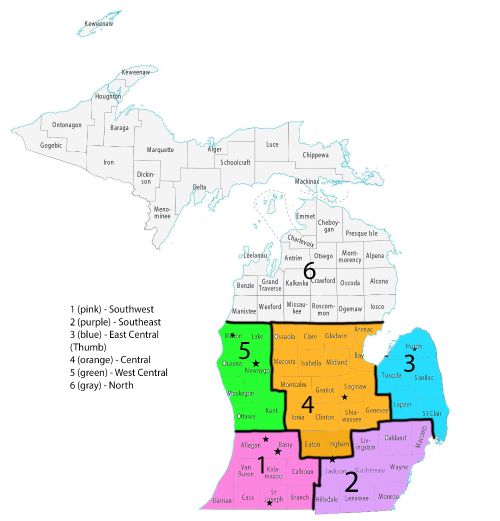
Welcome to the start of this season’s Wheat Watchers! This report will come out weekly until most of the state hits flower then will switch to bi-weekly until most of the state has harvested. This report is only possible because of our agribusinesses and farmers who participate as wheat watchers. If you are interested in being a wheat watcher, especially if you see your area isn’t represented, please reach out to Michigan State University Extension field crops educator Jenna Falor at falorjen@msu.edu.
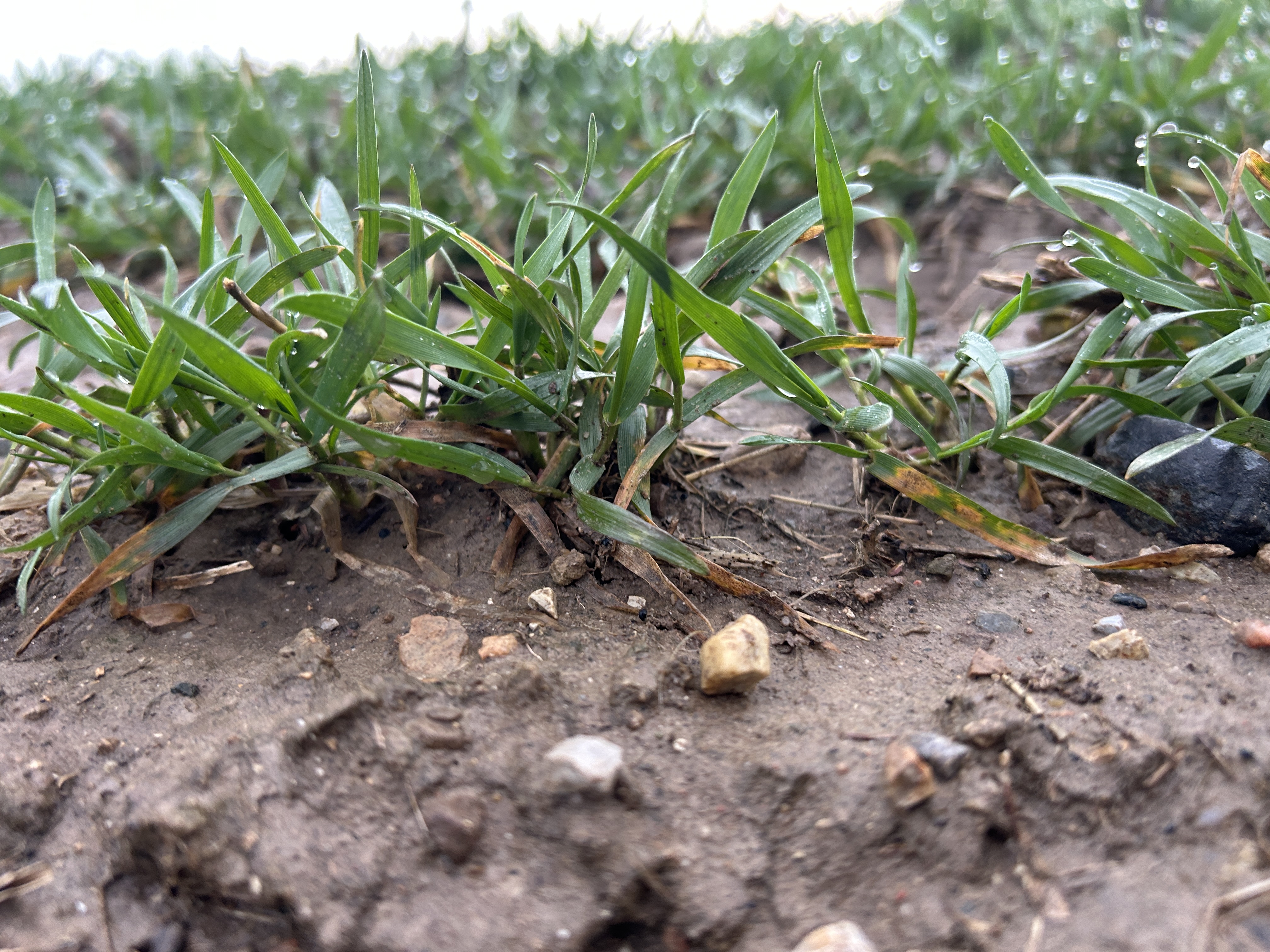
Overall, this week reporters are seeing wheat ranging from Feekes 3-6 with all reporting wheat having broken dormancy. Across the state, watchers are also reporting that rain is slowing spring nitrogen applications and has resulted in some waterlogged wheat.
Southwest Michigan
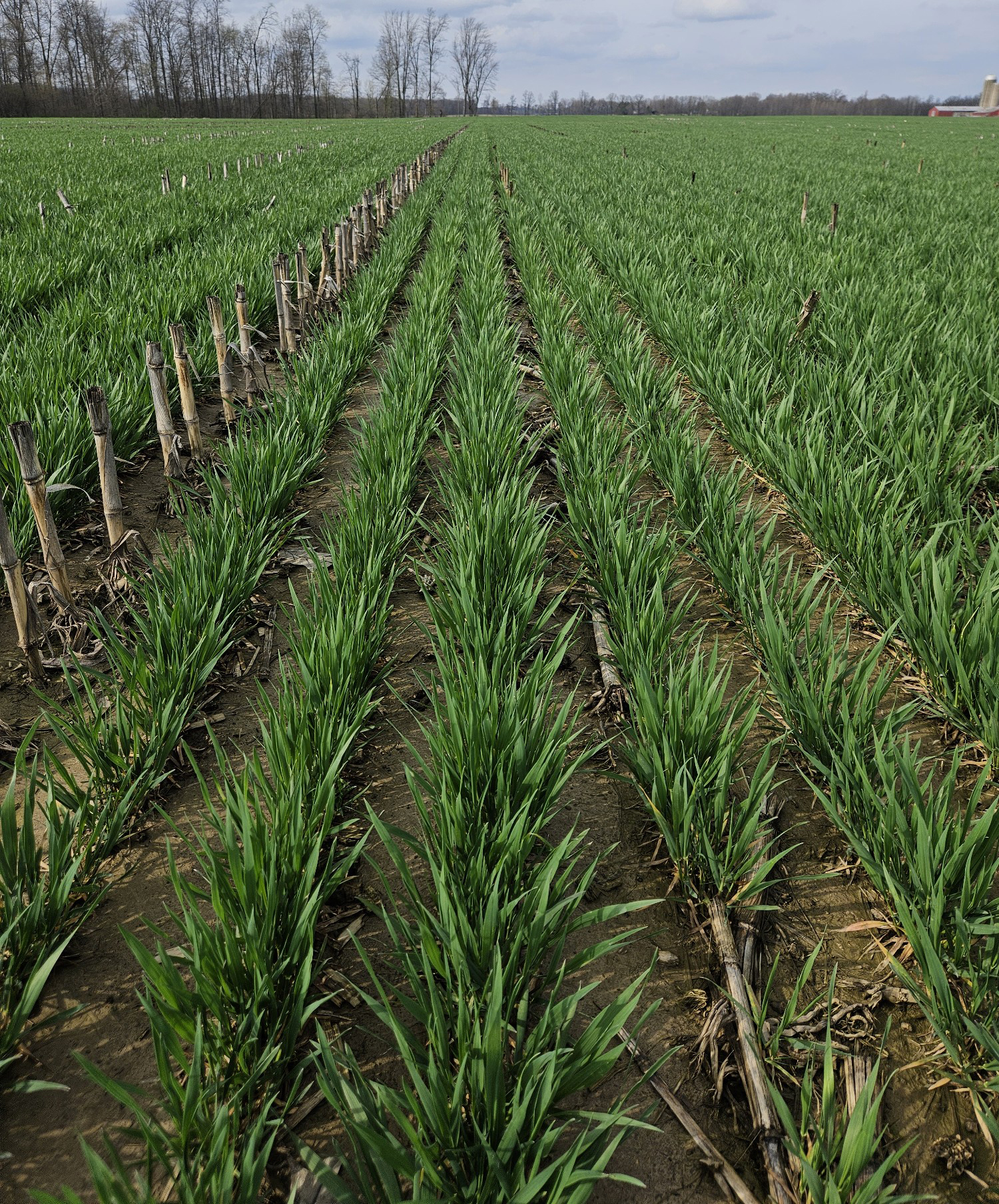
We had three wheat watchers reporting in from the southwest region: one from Barry County near Hickory Corners, one from St. Joseph County near Centreville, and one from Allegan County near Wayland. The watcher in St. Joseph County reports wheat has reached Feekes 6 (first node visible) and most of the first pass of spring nitrogen has been applied. There has been a big uptick in true armyworm moth counts after the recent storms, so they will be keeping an eye out for larvae in the coming weeks. They also reported a lot of rain, and nitrogen deficiencies are starting to show where nitrogen application was missed or didn’t go out in time.
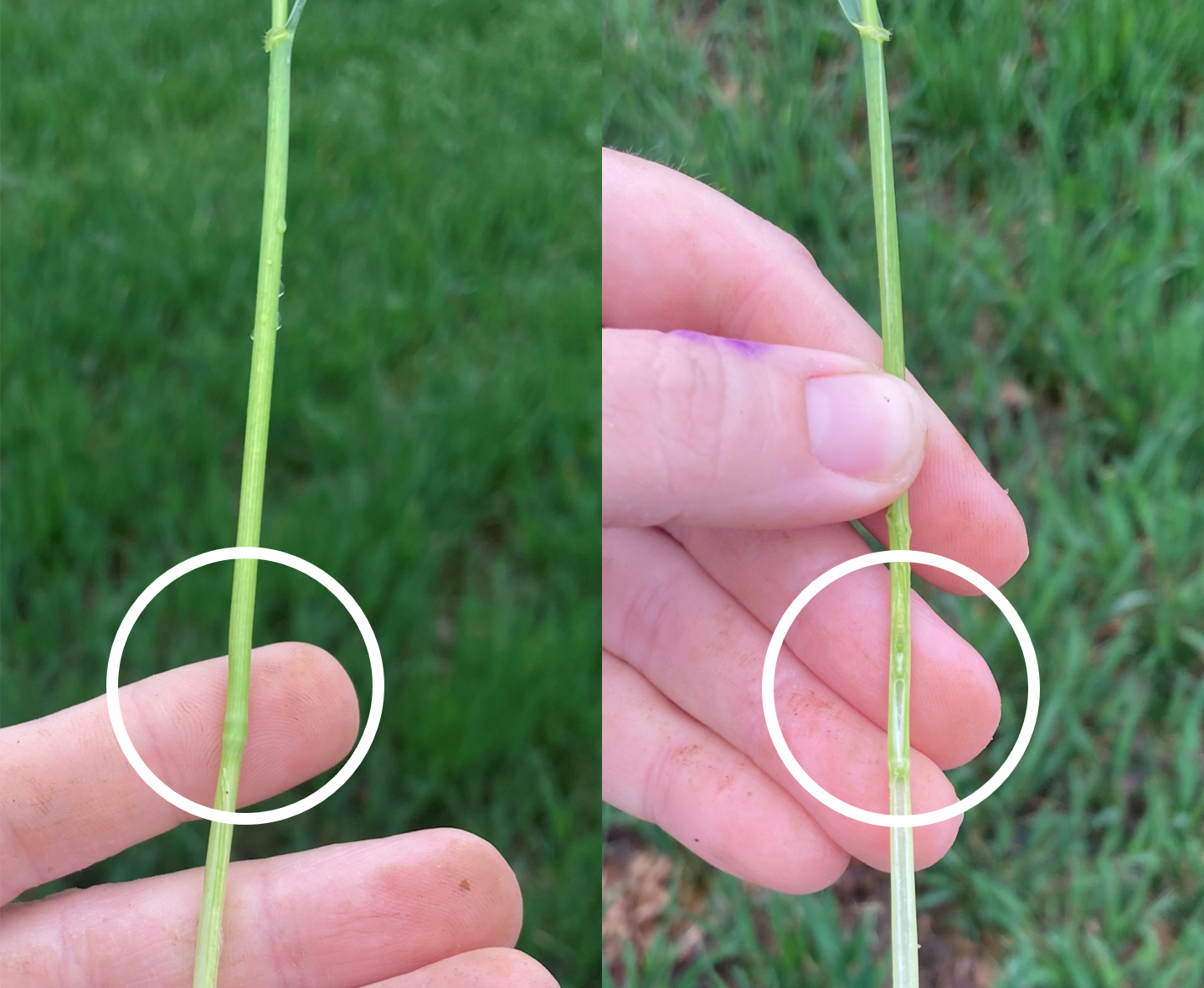
The watcher in Barry County is reporting wheat is Feekes 4, which is when leaf sheaths lengthen. Greenup nitrogen applications have begun in the area, but rainy weather has slowed field work over the past week and will continue for rest of this week.
The watcher in Allegan County is reporting wheat at late Feekes 5 to early Feekes 6. Rainfall is affecting field work, but most early nitrogen did make it on. At this point, many are watching weather for moisture and hoping to get out with herbicide and plant growth regulator applications.
Southeast Michigan
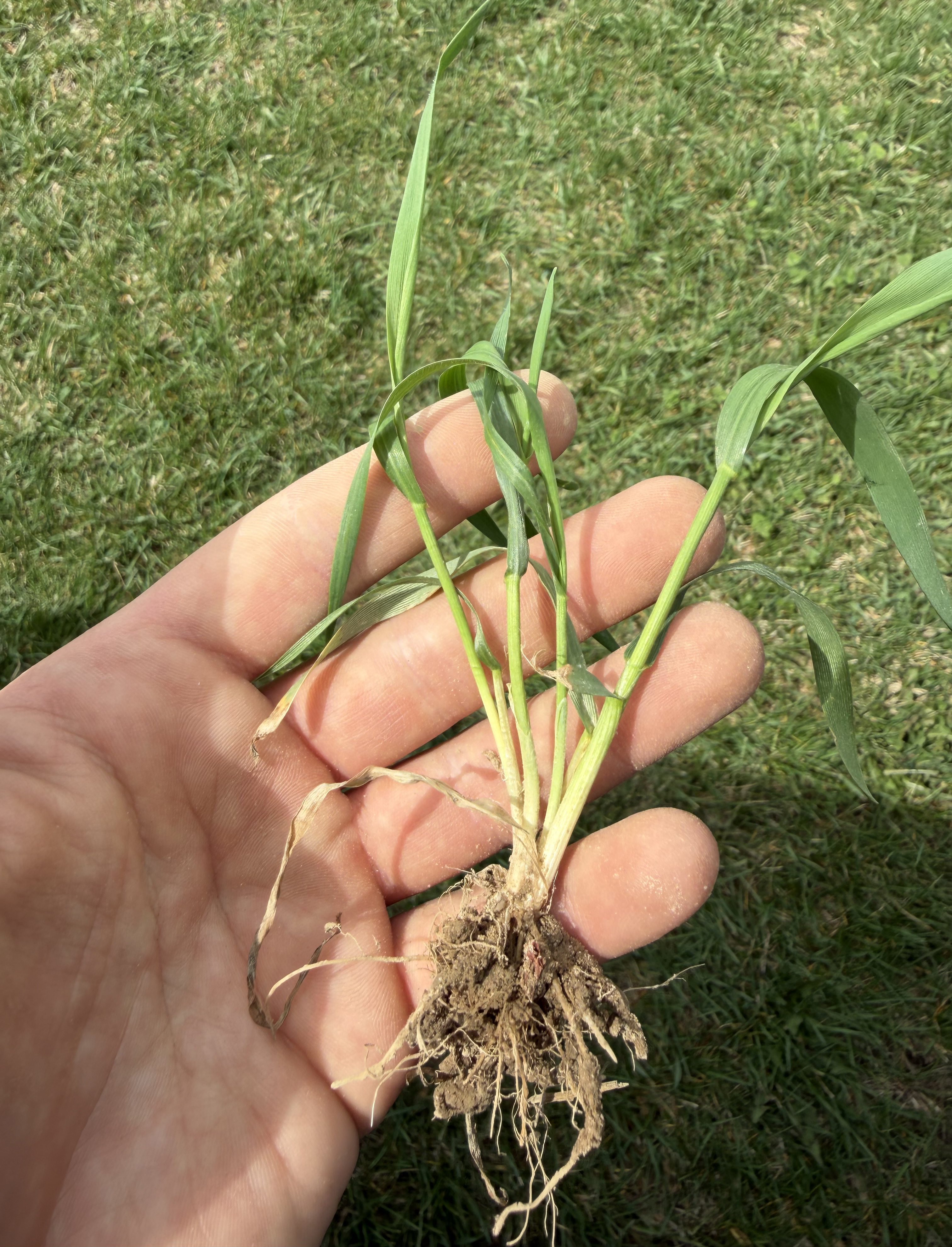
We had one wheat watcher reporting from the southeast region in Jackson County near Jackson. The watcher is reporting wheat is at Feekes 3-4 across the area. The majority of herbicide and greenup nitrogen applications have gone on but some have been delayed by wet fields. There are fields in this area that have been submerged in water for multiple days because of heavy rains.
East central (Thumb) Michigan
We had one wheat watcher reporting from the Thumb in Huron County near Ubly. Wheat is being reported at Feekes 3-4. Wet fields have prevented a lot of field work from going on. There are some fields that are starting to experience stress from repeated water ponding after multiple rain events across the area.
Central Michigan
We had one wheat watcher reporting from the central region in Saginaw County near Chesaning. They are reporting wheat is at Feekes 4 to 4.5. It has been too wet for field work. There is concern that all this rain may delay herbicide and nitrogen applications. They are also reporting minimal water damage in areas, but some damage is being seen.
West central Michigan
We had two wheat watchers reporting from the west central region: one in Newaygo County near Fremont and one in Mason County near Custer. Wheat is at approximately Feekes 4. The watcher in Newaygo reports that nitrogen applications are being applied on a case-by-case situation. They are reporting very soggy wheat with standing water and ponding across the area with more rain in the forecast.
The watcher near Custer is reporting dormancy broke about a week ago. Very little field work has been done because of the fields being too wet. They are currently at about 6 inches for the month of April so far, and they have rain in the forecast for the foreseeable future.
North Michigan
We had no wheat watchers reporting from the northern area this week.
This work is supported by the Crop Protection and Pest Management Program [grant no 2024-70006-43569] from the USDA National Institute of Food and Agriculture. Any opinions, findings, conclusions, or recommendations expressed in this publication are those of the author(s) and do not necessarily reflect the view of the U.S. Department of Agriculture.