Wheat Watchers Week of April 20, 2026
 Print
Print Email
EmailSee how the wheat crop is progressing across Michigan this week.
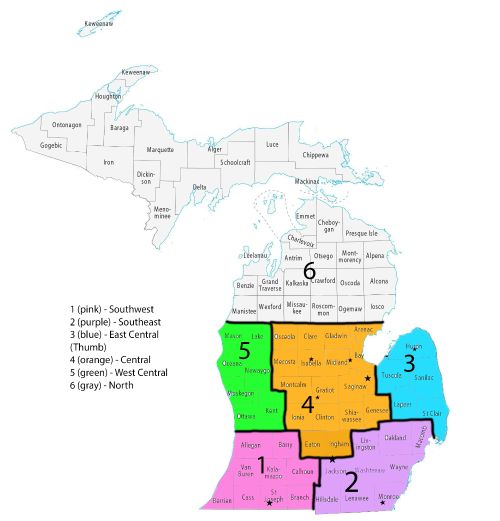
Welcome to the second edition of this season’s Wheat Watchers! This report will come out weekly until most of the state hits flower then will switch to bi-weekly until most of the state has harvested. This report is only possible because of our agribusiness and farmers who participate as wheat watchers. If you are interested in being a wheat watcher, especially if you see your area isn’t represented, please reach out to Michigan State University Extension field crops educator Jenna Falor at falorjen@msu.edu.
Overall, reporters are seeing wheat ranging from Feekes 4-7. Across the state, rain is slowing spring nitrogen applications, spring herbicide passes and has resulted in some waterlogged wheat.
Southwest Michigan
We had one wheat watcher reporting from southwest region in St. Joseph County near Centreville. The watcher reports wheat is at Feekes 7 (second node visible above soil). Field work has come to almost a complete halt over the last week due to wet conditions. There was some frost Sunday night, April 19, into Monday morning.
Southeast Michigan
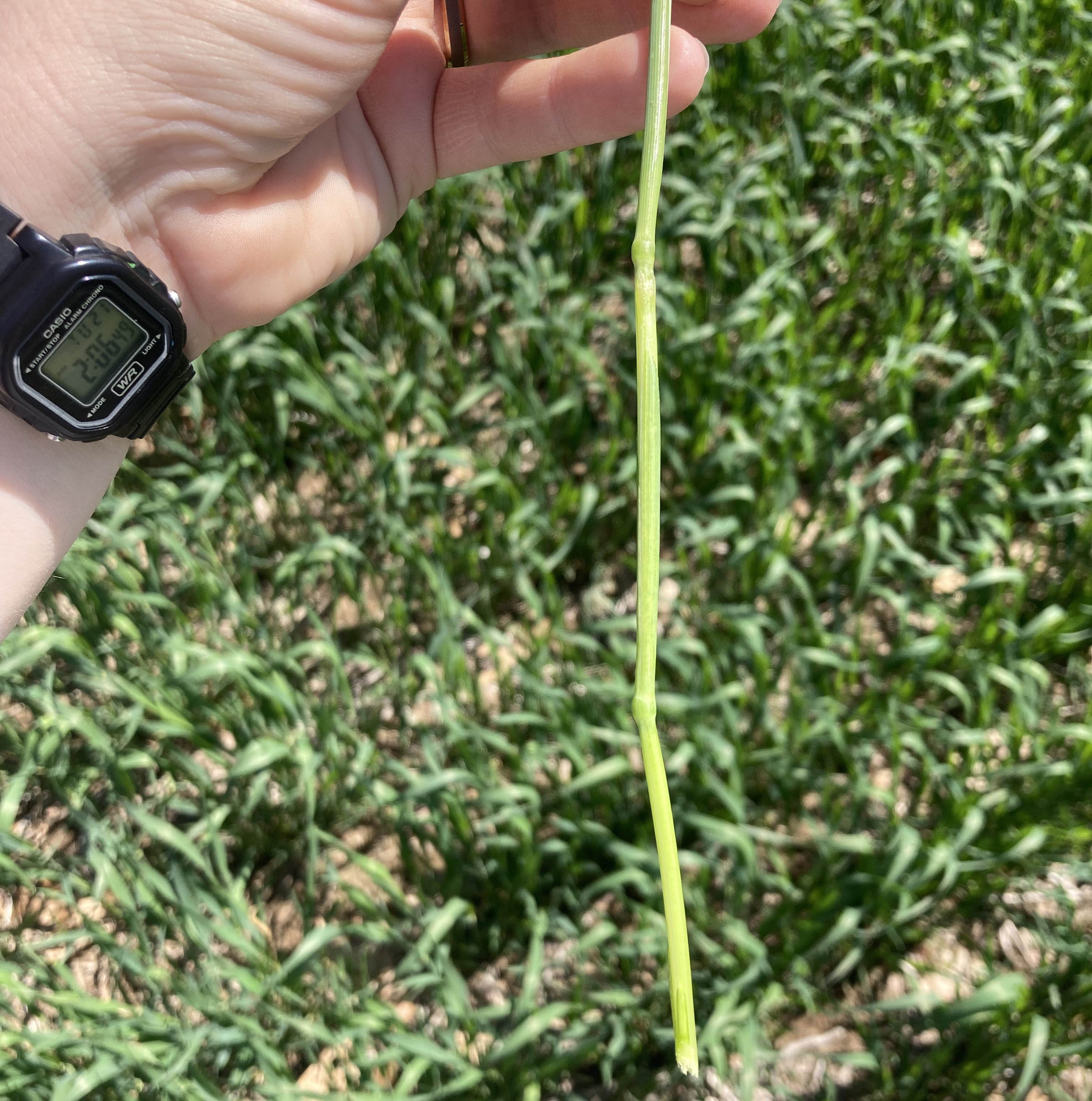
We had two wheat watchers reporting from the southeast region: one in Jackson County near Jackson and the other in Monroe County near Ida. The watcher in Monroe County reports wheat has reached Feekes 6, while the watcher in Jackson County is reporting Feekes 5-6 across the area.
Wheat near Ida received the first shot of nitrogen and some herbicide has been applied. Wheat is ready for a second shot of nitrogen, but wet field conditions have delayed applications, including for those planning a single application. The watcher near Jackson reports that some herbicide and nitrogen applications have been occurring but some fields are still too wet.
Both watchers report that the wetter and cooler conditions have affected herbicide applications and weed pressure is starting to be more of a concern. The watcher in Ida reports they got 3 inches of rain in four days over the past week, plus some more before that.
East central (Thumb) Michigan
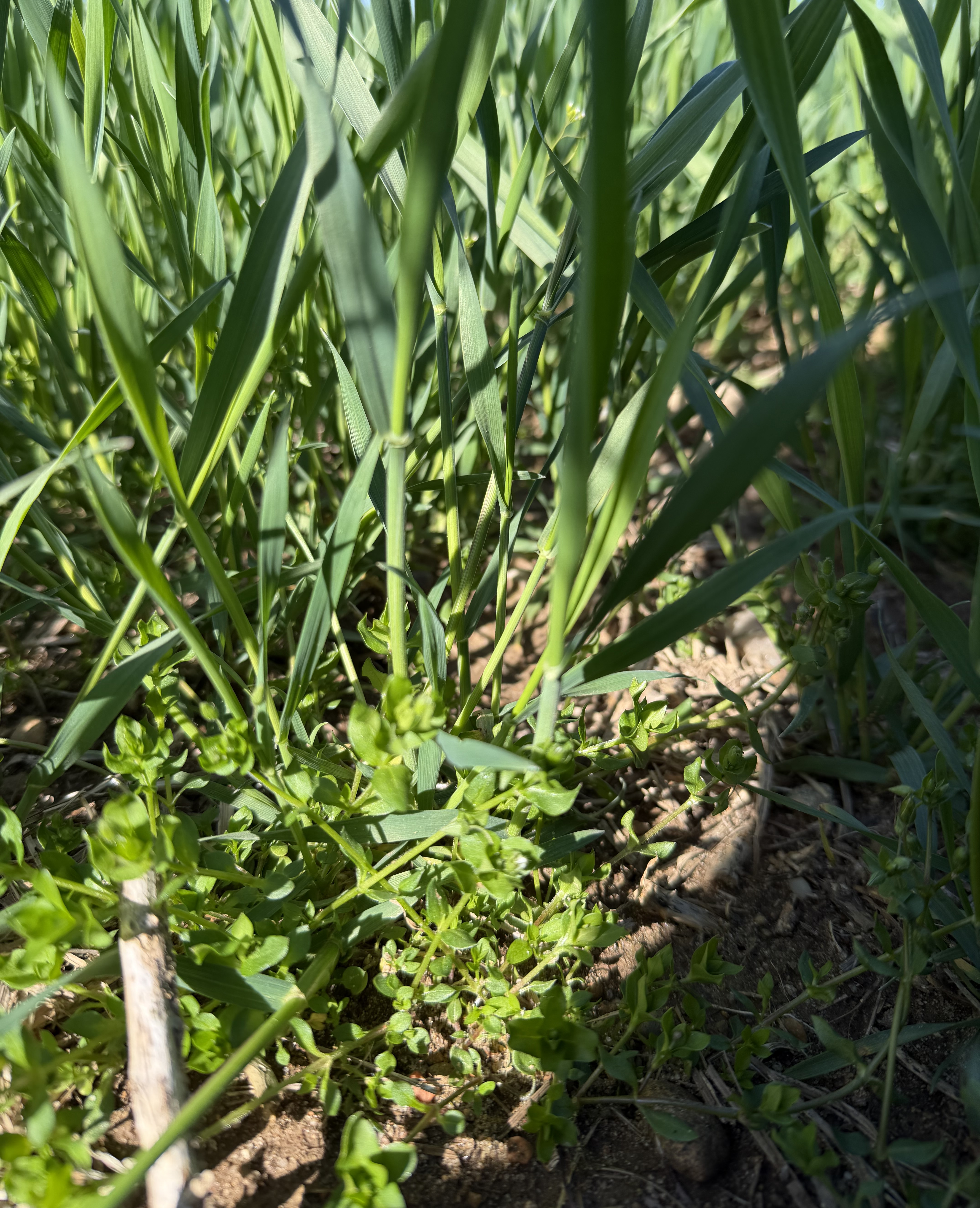
We had one wheat watcher reporting from the Thumb in Huron County near Ubly. Wheat is at Feekes 4-5. Wet fields have prevented a lot of field work from happening. If the region remains dry this week, many are hoping to get spring nitrogen applied. There are some fields that are starting to experience stress from repeated water ponding after multiple rain events across the area.
Central Michigan
We had three wheat watchers reporting from the central region: one from Gratiot County near Middleton, one from Bay County near Auburn and one who scouted in Lapeer County near Mayville and Tuscola County near Richville. Wheat in Gratiot County is at Feekes 4. Some farmers in Gratiot County were able to top-dress wheat ahead of all the rains but nitrogen application is starting this week if we can stay dry. A handful of farms are dealing with wet field conditions by drone applying this spring. This watcher is also concerned that weeds may become an issue if farmers can’t get out soon.
Wheat near Auburn is at Feekes 5. No spring fertilization has occurred because of wet field conditions and consistent rain. Hopefully the region stays dry this week so fertilizer can be applied. The watcher is starting to see weed pressure that they think can be handled by a herbicide application within a couple of weeks. While it is a little nerve racking that nitrogen isn’t out yet, some pale wheat is starting to be seen, and if it can stay dry this next week, wheat should be in decent shape. Despite some ponding, overall the wheat is still fairing OK.
The watcher near the Tuscola and Lapeer County border is reporting that second application of spring nitrogen is being applied and herbicides are starting to be applied as well. Wheat is at Feekes 5 in the area and there is possibly some early powdery mildew. Many fields have pockets of water damage, but overall it’s looking good.
West central Michigan
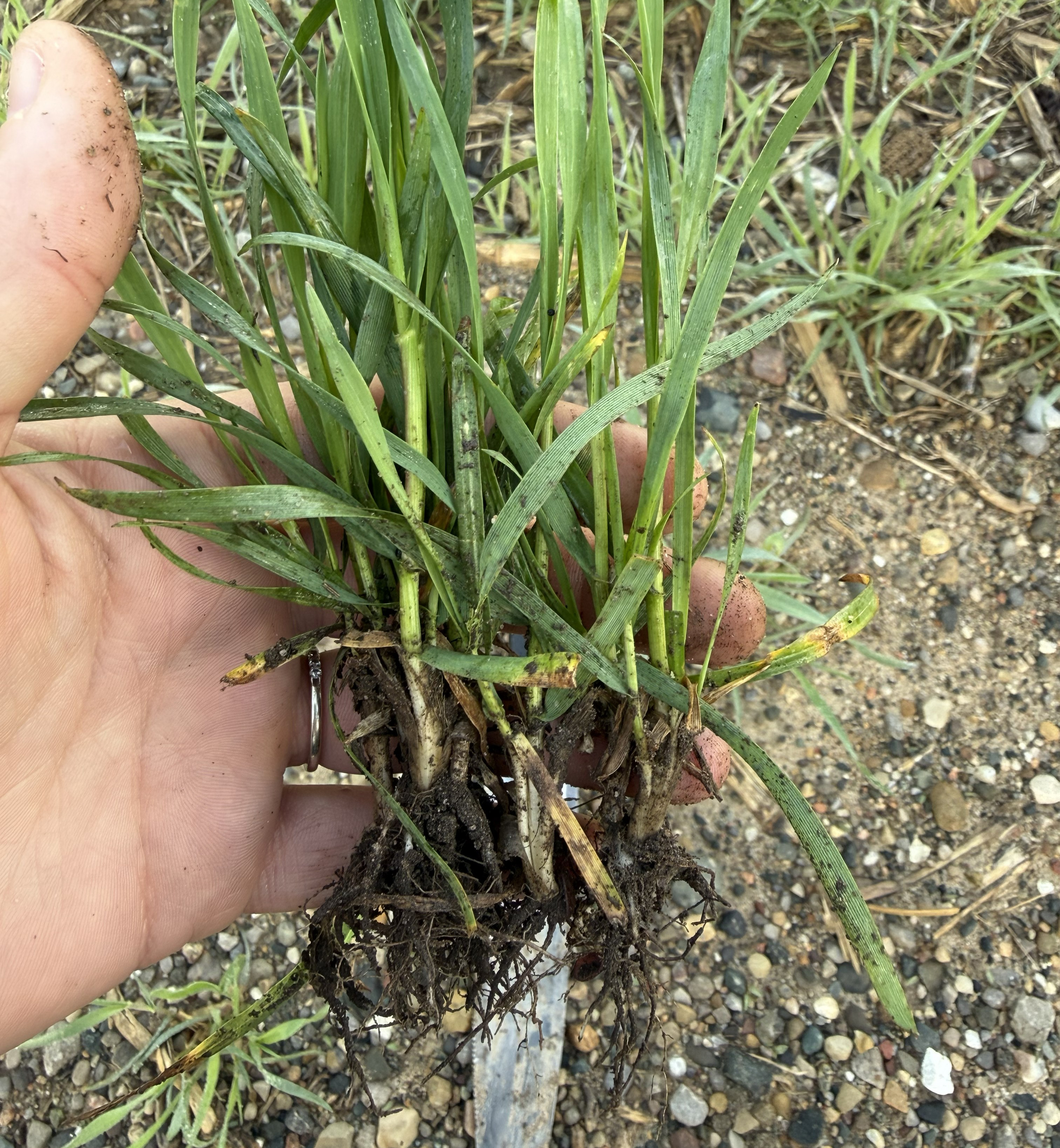
We had no wheat watchers reporting from the west central region this week.
North Michigan
We had no wheat watchers reporting from the northern region this week.
Other notes
If you have questions about nitrogen application and potential loss in winter wheat in a very wet spring like the one we are having, check out this article, “Wet springs, nitrogen loss and what it means in winter wheat.”
This work is supported by the Crop Protection and Pest Management Program [grant no 2024-70006-43569] from the USDA National Institute of Food and Agriculture. Any opinions, findings, conclusions, or recommendations expressed in this publication are those of the author(s) and do not necessarily reflect the view of the U.S. Department of Agriculture.