Wheat Watchers Week of May 25, 2026
 Print
Print Email
EmailSee how the wheat crop is progressing across the state this week.
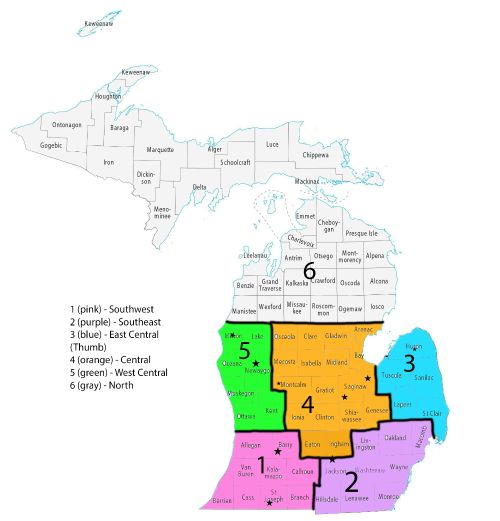
Welcome to the sixth edition of this season’s Wheat Watchers! This report will come out weekly until most of the state hits flower and then will switch to bi-weekly until most of the state has harvested. This report is only possible because of our agribusiness and farmers who participate as Wheat Watchers. If you are interested in being a wheat watcher, especially if you see your area isn’t represented, please reach out to Michigan State University Extension field crops educator Jenna Falor at falorjen@msu.edu.
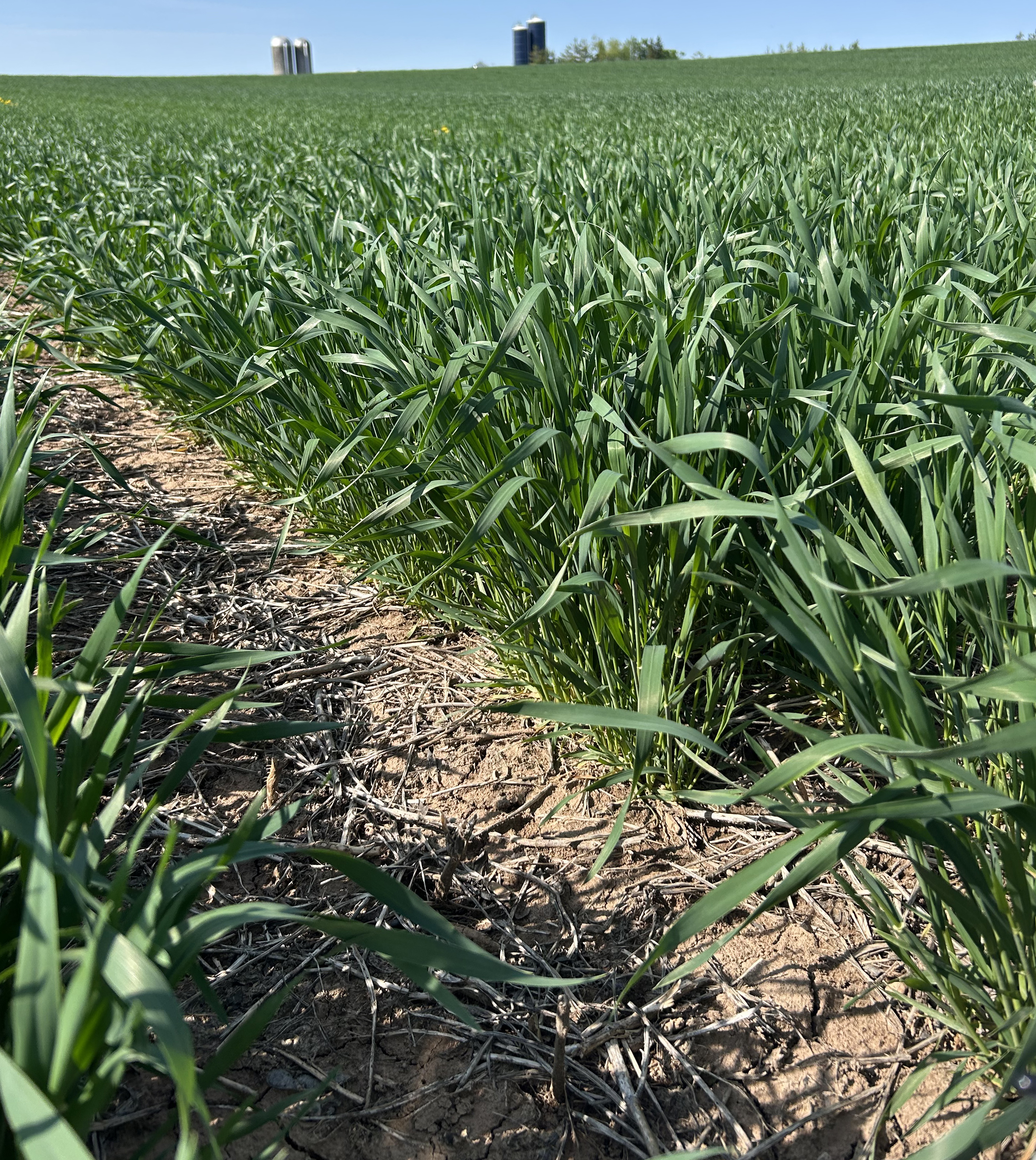
Overall, this week reporters are seeing wheat ranging from Feekes 6–10.5.3. This means the first wheat in Michigan has hit flower while the northernmost is just hitting Feekes 6.
Southwest Michigan
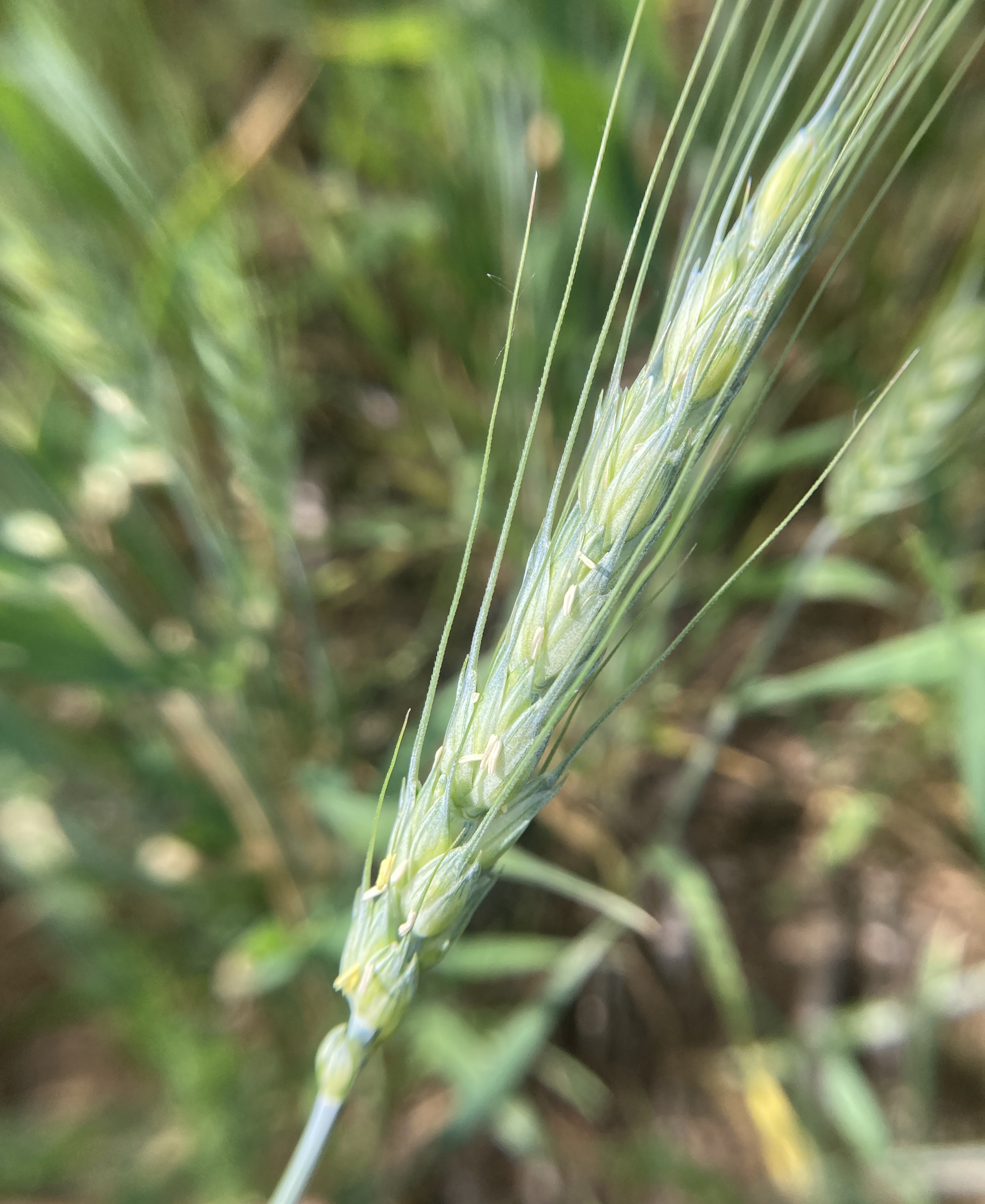
We had one wheat watcher reporting from the southwest region in St. Joseph County near Centreville. Wheat has reached Feekes 10.5.3 (flowering complete) and fungicide applications went out across the area during flowering. There was some nice rainfall over the past week across much of southwest Michigan.
Southeast Michigan
We had two wheat watchers reporting from the southeast region, one in Jackson County near Jackson and one in Monroe County near Ida. They both report wheat has reached Feekes 10.5.1–10.5.3 (flowering). With the wheat flowering, fungicides for head scab are being applied in the southeast region.
East central (Thumb) Michigan
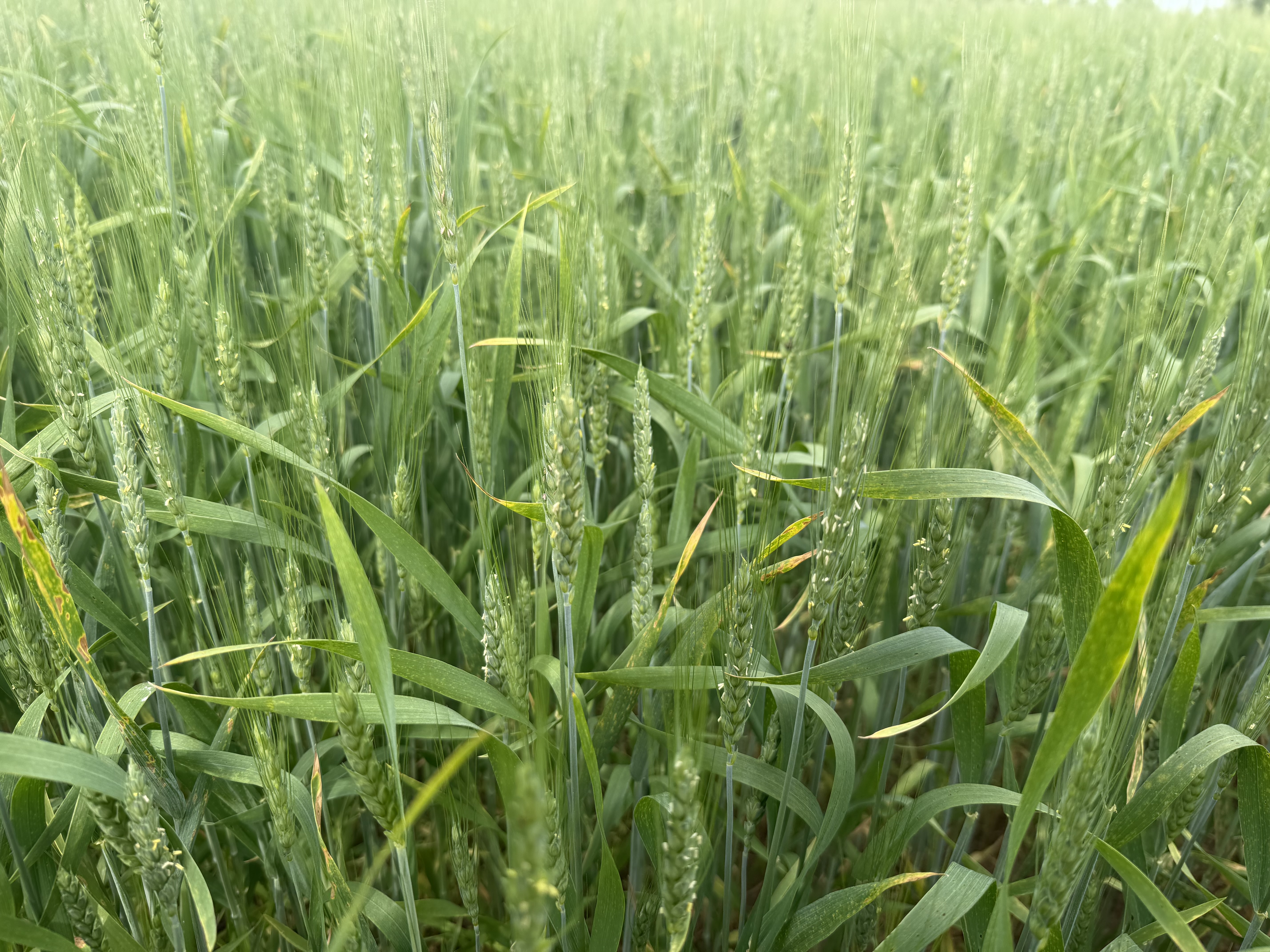
We had one wheat watcher reporting from the Thumb in Huron County near Ubly. Wheat is at Feekes 9. There has been some light disease pressure in the area including wheat streak mosaic virus, some septoria and some very light powdery mildew. Overall, wheat fields look OK in most areas, except those that had severe water stress early. There are some fields that were damaged by hail in the past couple of weeks in the Unionville area that most likely will be tilled under following crop insurance adjusters yield estimates.
Central Michigan
We had four wheat watchers reporting from the central region: one in Isabella County near Mt. Pleasant, one in Gratiot County near Middleton, one in Saginaw County near Richville and one in Montcalm County near Entrican. All watchers are reporting Feekes 9 (flag leaf) to Feekes 10.5 (head completely emerged).
The Richville watcher reports wheat is at Feekes 9–10.5 and is starting to see some powdery mildew. The watcher near Mt. Pleasant reports wheat is at Feekes 10.3–10.5, with the Feekes 10.5 being closer to Alma in Gratiot County. The watcher near Middleton reports wheat is at Feekes 10.1– 10.5 and is seeing some leaf beetles out in fields. The Entrican watcher reports wheat is at Feekes 10.1–10.5 (various stages of the heading) and is seeing no issues.
The watchers near Richville and Entrican both report that some light, steady rain would be nice. The watcher near Middleton is hoping for dry, non-humid weather during flower and that the next field pass will be a fungicide at flower to protect the plants from head scab.
West central Michigan
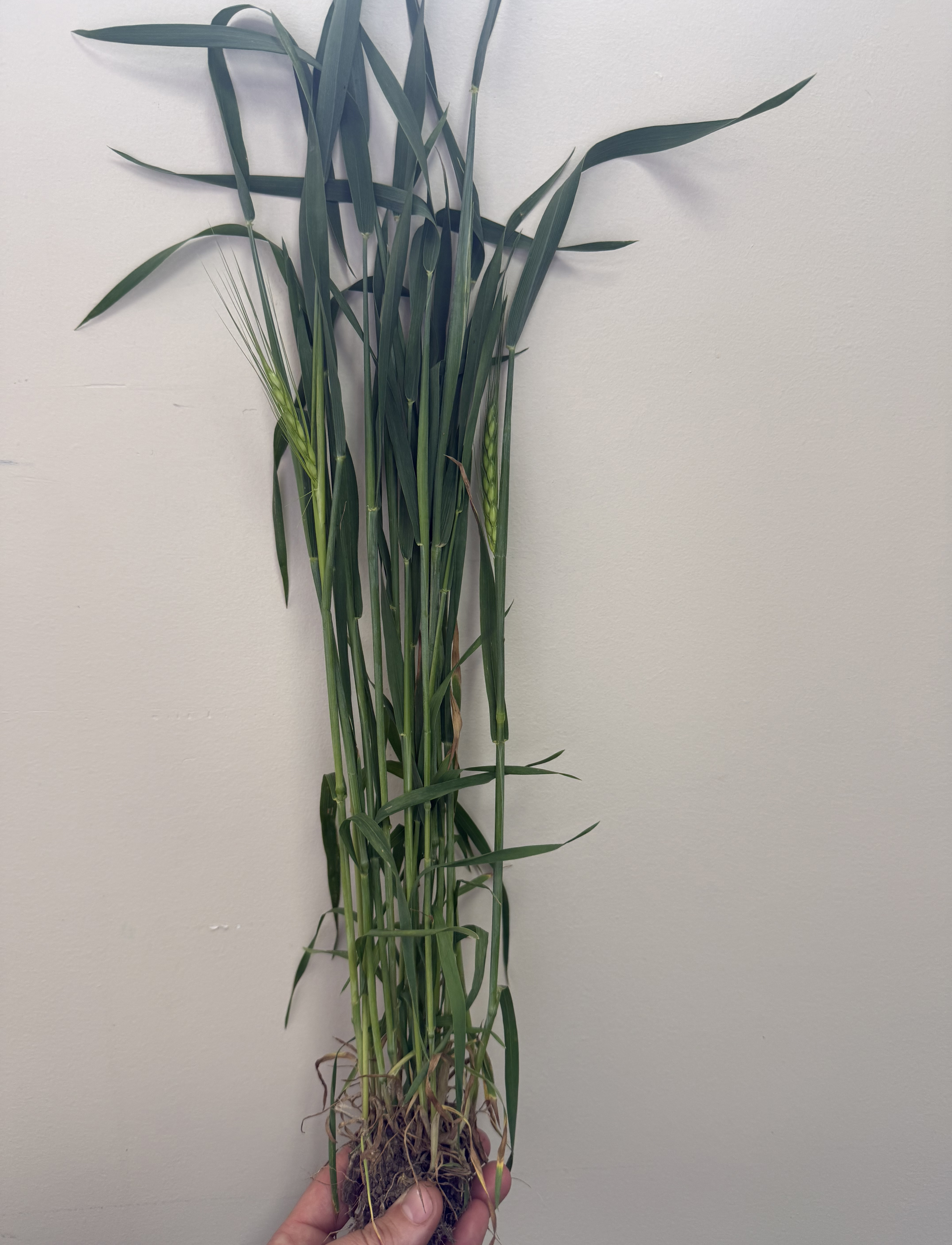
We had one wheat watcher reporting from the west central region in Mason County near Custer. Wheat is at Feekes 8–9. The watcher isn’t seeing any pest issues. However, with the flooding in April and now lack of rain in May (0.81 inches), they are not expecting a record yield.
North Michigan
We had one wheat watcher reporting from the north region in Montmorency County near Hillman. Wheat has reached Feekes 8 and most herbicides were applied in the last two weeks. Some fields have weeds popping through. The area received approximately 4 inches of rain in the last week and a half that could affect the crop moving forward.
Other notes
Marty Chilvers, PhD, has an ongoing fungicide resistance monitoring project. He is requesting that if you have any wheat plants you believe are showing signs of fungicide resistance to submit them to MSU Plant and Pest Diagnostics. The Michigan Wheat Program will cover the cost of sample diagnostics. Chilvers will work with Jan Byrne, PhD, plant pathology diagnostician at the lab, to isolate any wheat foliar fungi that is present.
This work is supported by the Crop Protection and Pest Management Program [grant no 2024-70006-43569] from the USDA National Institute of Food and Agriculture. Any opinions, findings, conclusions, or recommendations expressed in this publication are those of the author(s) and do not necessarily reflect the view of the U.S. Department of Agriculture.