When temperatures soar, MSU Extension has answers to help you keep cool
 Print
Print Email
EmailMSU Extension’s expert guidance and resources can help Michiganders navigate the impacts of extreme heat at home, on the farm, and outdoors.

Extreme temperatures and potentially record-breaking heat index values are on the horizon for Michigan this summer, with dangerous consequences for people, animals and crops if precautions aren’t taken. According to the Michigan Department of Health and Human Services (MDHHS), the people most at risk include those with chronic medical conditions, outdoor workers, and those without air conditioning. Older adults, infants and children are also considered more vulnerable.
What to look out for
Exposure to extremely hot temperatures makes our bodies work harder to keep us cool, which can lead to health problems for people and animals. It can also stress plants, crops and land.
Laura Anderson, a health and nutrition educator with Michigan State University Extension, shares what to look out for and ways to help reduce these risks in the article, “Avoid heat-related illness while enjoying summer weather.” Especially for those who can’t avoid outdoor activity, it’s extremely important to plan ahead to avoid heat stroke, exhaustion, cramping and other adverse impacts on our health.
Keeping a cool head
MSU Extension has plenty of resources available to help you keep a cool head — whether you’re checking on your garden, curious about watering strategies to keep your plants happy, worried about your lawn during the heatwave or scratching your head at ways to keep your kids entertained while staying cool indoors.
Preventing heat-related illness on the job
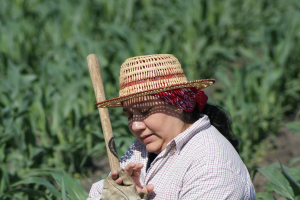
While older adults and young children are more vulnerable to extreme heat, danger from extreme temperatures can impact anyone of any age or health status, with potentially deadly implications. This was the case for a young Michigan farm worker in his early twenties, who tragically lost his life to heat stroke during the 2020 field work season.
This heartbreaking example illustrates the importance of understanding the factors that contribute to heat stress, along with the steps you can take to protect yourself and those around you.
In the MSU Extension article, “Heat stress prevention among farmers heading into Michigan’s summer,” co-authors Laurel Harduar Morano, Hailey TenHarmsel and Samantha Wolfe explain the most common factors that can increase the chance of heat-related illnesses in the workplace and on the farm including humidity, clothing and personal protective equipment (PPE) use, workload and other personal factors that impact our ability to tolerate the heat.
With a focus on farmers, farm workers and other outdoor professions, the article also provides expert guidance and additional resources available in both English and Spanish on the best ways to stay safe, including:
- Staying hydrated.
- Taking breaks in a shady or cool area.
- Changing any face coverings that become wet.
- Dressing appropriately for the heat.
- Taking time to acclimate to sudden changes in temperature and humidity.
For employers, the co-authors also emphasize the importance of having written heat stress prevention and response plans, as well as taking steps to:
- Acclimate workers when conditions change.
- Establish an appropriate work/rest schedule.
- Provide a shaded break area along with clean, cool water.
- Train supervisors and employees on how to recognize signs and symptoms.
You can also hear directly from Laurel Harduar Morano on this topic during a conversation with Michigan Radio’s April Baer for the Stateside podcast episode that aired June 30, 2026.
Protecting animals and pollinators
Humans are not alone in feeling the impacts of extreme heat. Pollinators, livestock and other animals are also vulnerable. MSU Extension can help farmers and other caretakers navigate these challenges, too:
Pollinators
Livestock
- Extreme heat: Why shade matters for livestock
- Managing heat stress in heifers: Protecting performance from calf to cow
- Animal welfare at the fair: Heat stress
Pigs
- Beating the heat: Protecting pigs from heat stress
- Impacts of high temperatures, heat stress and heat-related diseases in pigs raised indoors
Additional considerations for heat waves
High demand for electricity can put extra strain on the power grid. And while it doesn’t happen often, it’s still important for Michiganders to also be prepared for the potential of power outages during heat waves. Check out this MSU Extension article by Michigan 4-H educator, Joe Kreider, to learn more: “Planning and preparing for a power outage.”
And finally, you may be asking yourself the burning question: “When will this heat end?!”
Well, it turns out MSU Extension can help you answer that, too!
Jeffry Andresen, Michigan’s state climatologist and a professor of meteorology/climatology in MSU’s Dept. of Geography, Environment and Spatial Sciences, also works with MSU Extension to provide regular short-, medium- and long-term weather outlooks.
Although these outlooks are designed for Michigan farmers to help them better anticipate field conditions and plan operations, Andresen’s weather outlooks can also provide Michiganders in general with a trusted source of information to help prepare for the days and weeks to come.
Watch Andresen’s most recent weather outlook updates on MSU Extension’s website by visiting canr.msu.edu/agriculture/weather.