Alternaria leaf spot of sugarbeet
June 17, 2026 - Emily Weedon, Malini Jayawardana, Linda Hanson, and Jaime Willbur; Michigan State University and USDA-ARS
 Print
Print Email
EmailIntroduction
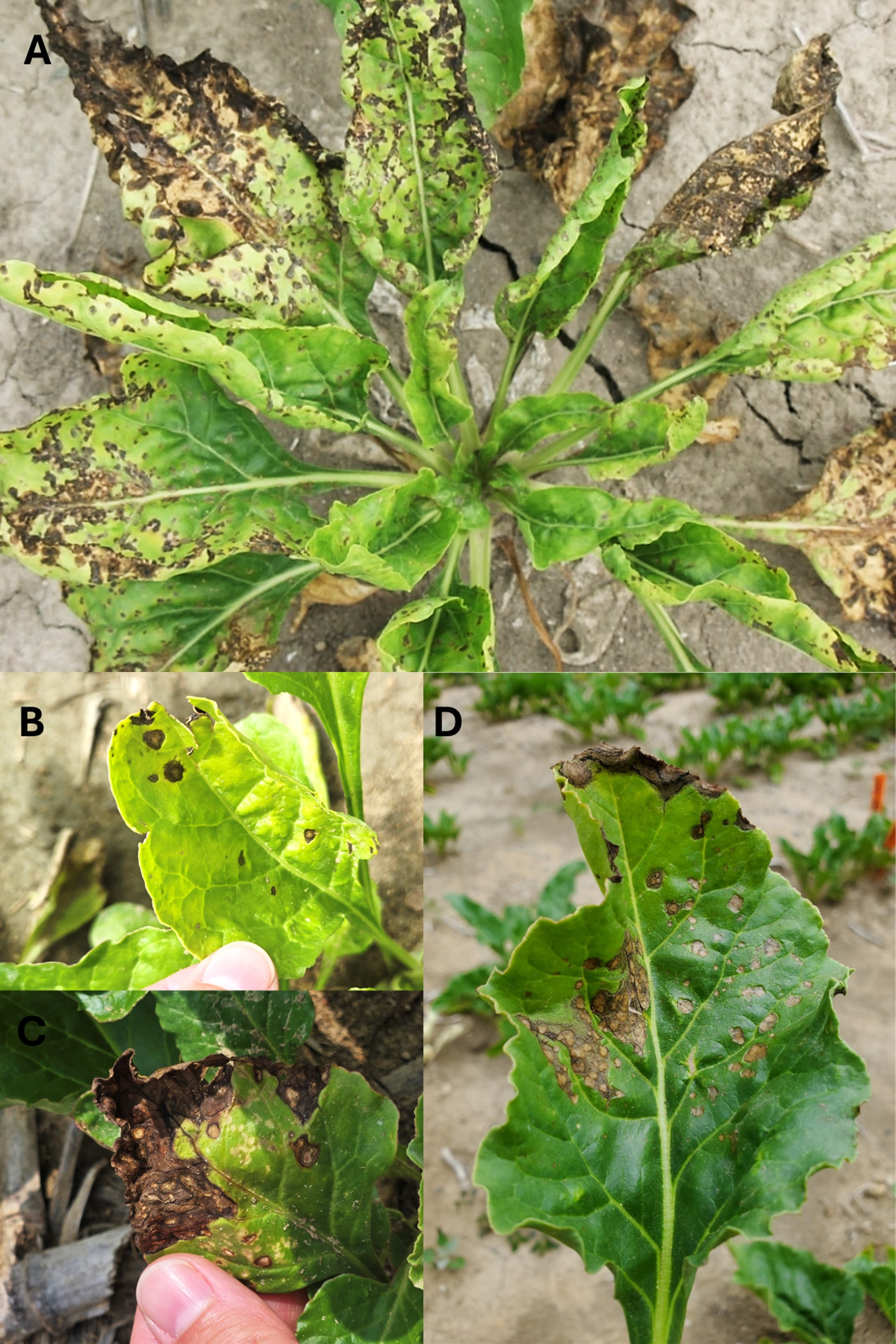
While Alternaria leaf spot has historically been a minor disease of sugarbeet (Beta vulgaris L.) in the United States and Western Europe, it is an important leaf spot in many parts of Eurasia. Since 2010, Alternaria leaf spot (also referred to as ALS) has had increasing of incidence and severity in the Great Lakes region. This raised concerns for improved management in the areas affected. High disease pressure can cause significant foliar damage and can negatively impact yield (Figure 1), with reports of increased impurities that can result in a reduction in extractable sugar.
In the United States, Alternaria leaf spot is primarily caused by fungal species within the genus Alternaria, primarily A. brassicae and members of the A. alternata species complex. In parts of Eurasia, A. tenuissima, a pathogen in the A. alternata species complex, is reported to be the primary causal agent and Alternaria betae-kenyensis has been reported occasionally on beet. The majority of isolates collected in Michigan are members of the A. alternata species complex, primarily with morphology similar to A. tenuissima. These fungi are capable of infecting alternative beet hosts such as leaf and table beets, and there are reports of cross pathogenicity with a range of crops including blueberry, tomato, wheat, potato, and dry bean. As this disease continues to develop in Michigan, it is important that local integrative management programs are equipped with practices and recommendations that are reflective of the current understanding of this disease and the causal agent(s).
Symptoms
Foliar symptoms
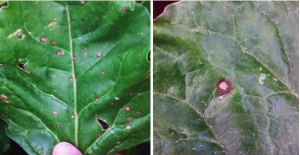
Typically, Alternaria leaf spot first appears as dark speckles that start on damaged or more mature leaves (Figure 1A). These speckles grow and become spots that are usually dark brown to black and are initially small (2-5 mm) with a circular or irregular shape that may be limited by major leaf veins but not by smaller veins (Figure 1B-D). These spots often cross over smaller veins and can look angular in appearance. Lesions are often seen first near the leaf edge. Once the disease progresses, affected leaves become yellow and eventually die prematurely. Older spots may turn gray and become fragile with torn centers that sometimes have distinct concentrically ringed, target-like patterns. In favorable conditions, spots will grow to larger than 10 mm and will coalesce to form large necrotic regions on the leaf surface. This increased growth can cause partial or whole leaf death. The disease can also appear on the petiole or seed stalks; however, spots are generally longer and narrower than the ones found on the leaf blade. Infection may continue until the entire leaf is affected (Figure 2).
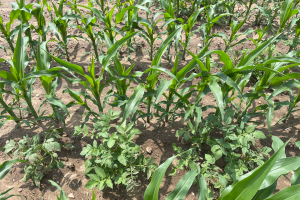
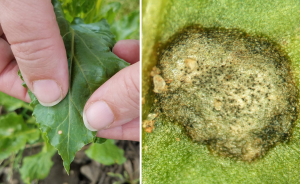
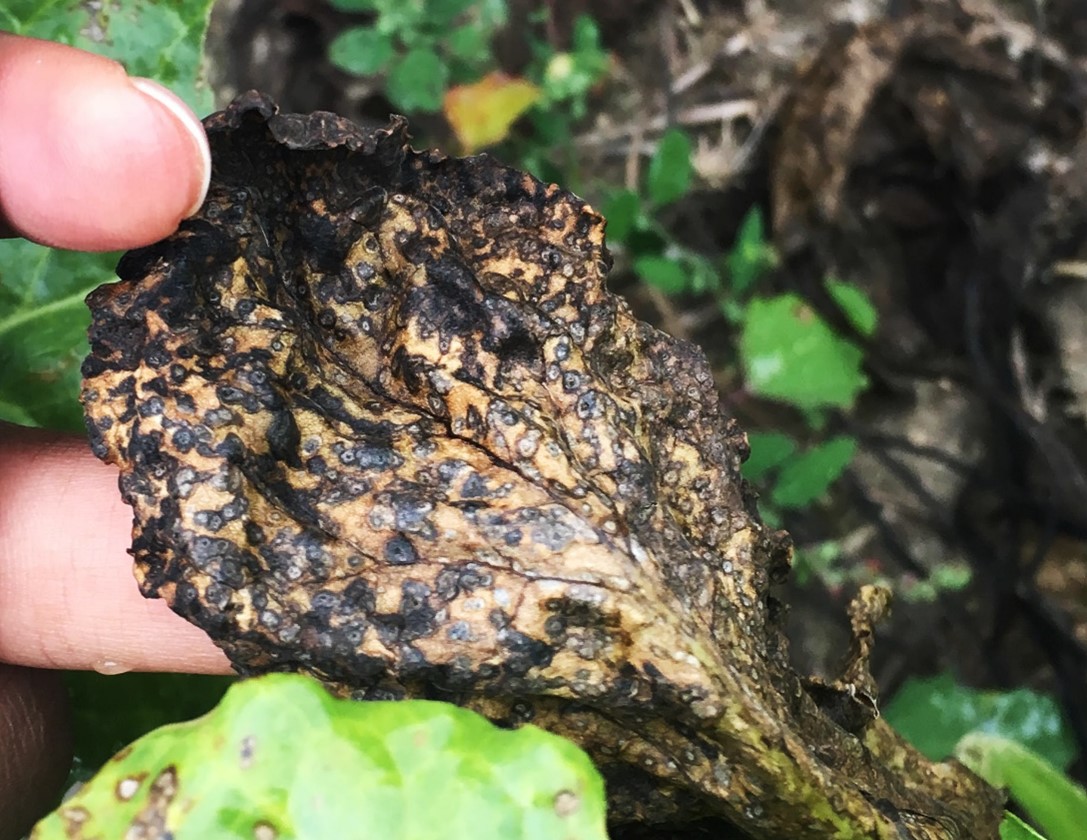
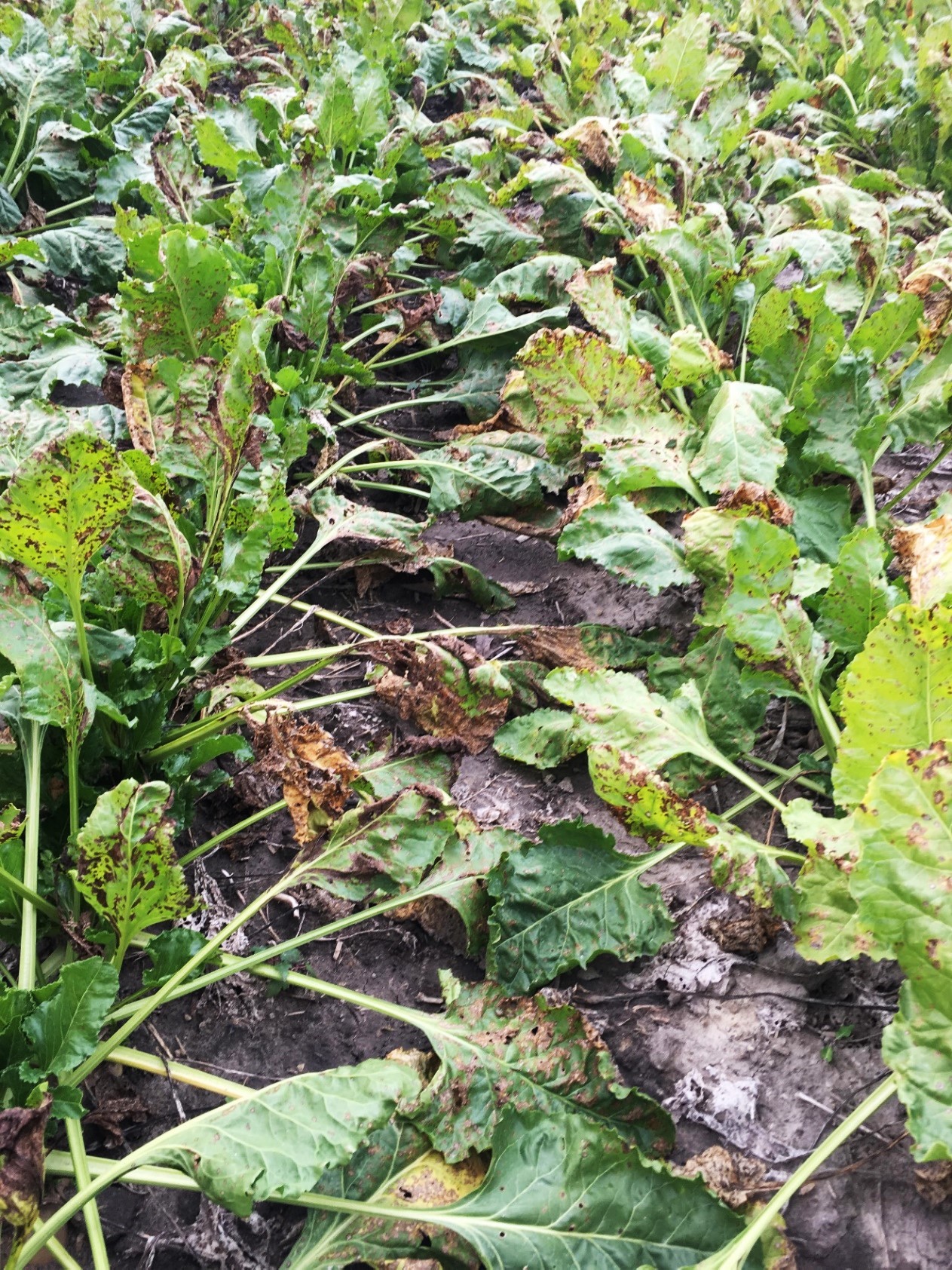
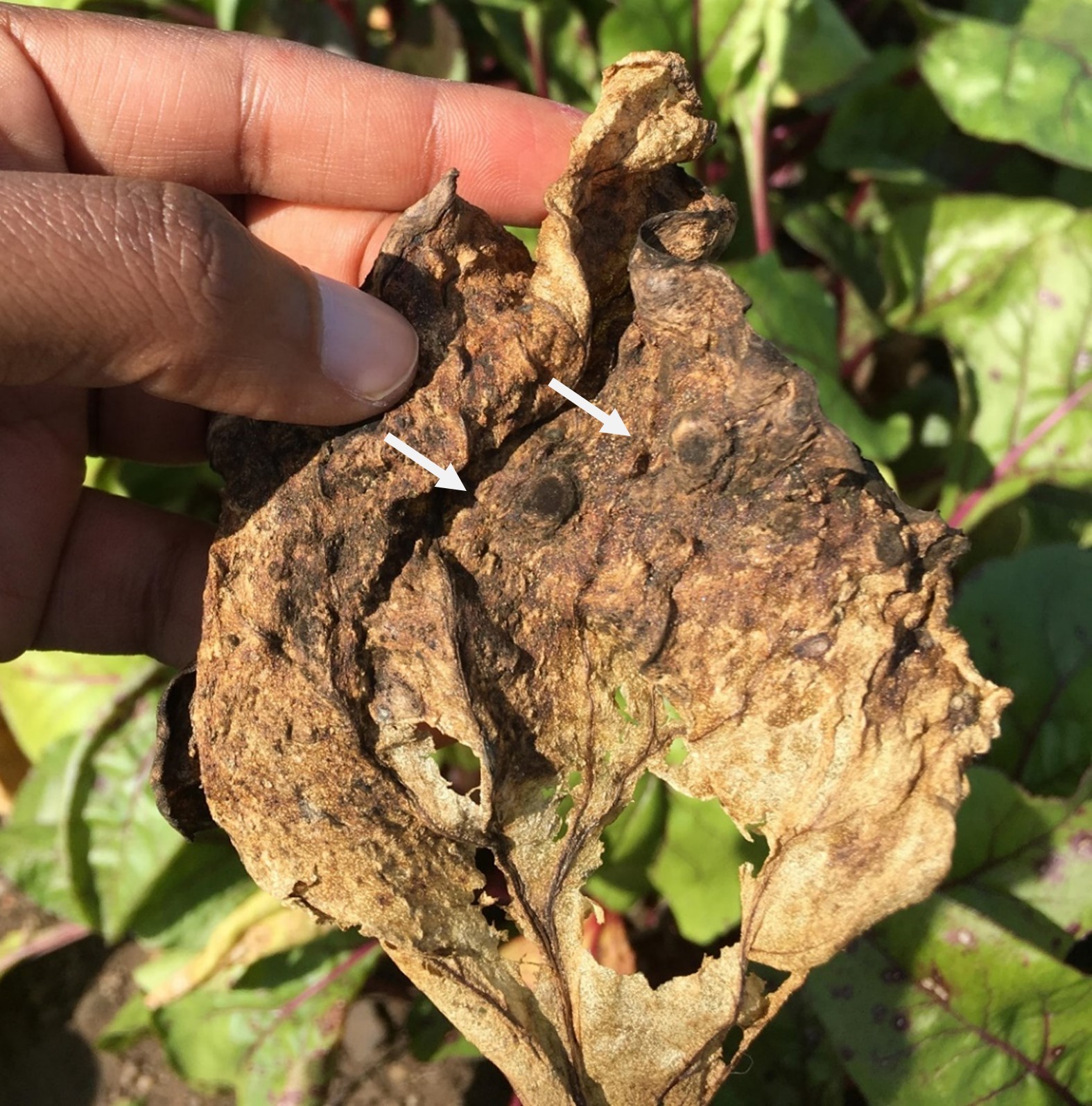
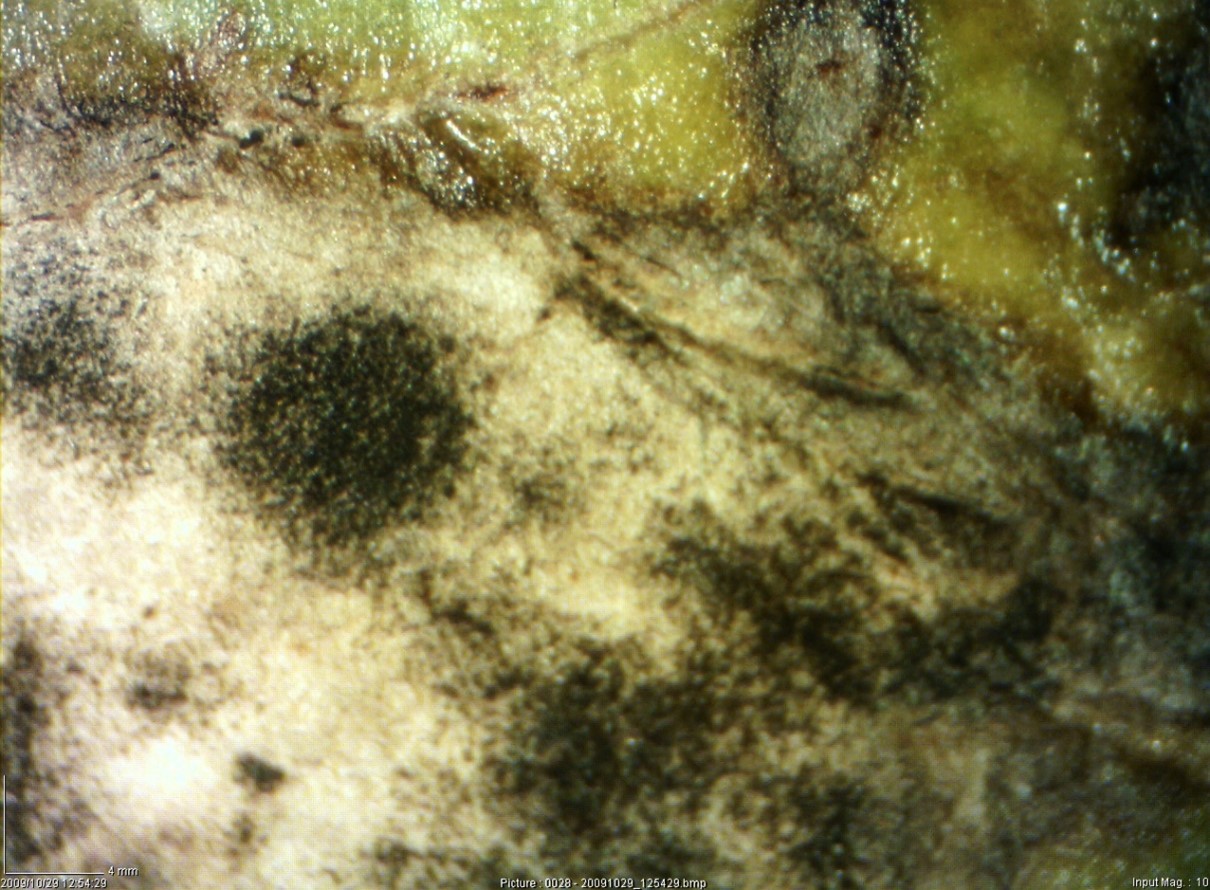
It is important to note that the pattern of disease is often not uniform throughout a field. Disease caused by Alternaria spp. is typically most severe near initial inoculum sources. Areas where wind is reduced and humidity is high, such as windbreaks or low areas (Figure 3), may also promote higher levels of disease. In very humid conditions, velvety black or dark olive-colored sporulation can be seen with the naked eye or a hand lens in the center of spots on either the upper or lower surface of the leaf (Figures, 4A and 4B). Alternaria leaf spot also can be more severe on plants with nutrient or other stresses, especially those that cause chlorosis. It has frequently been reported as a secondary issue with viral-induced yellowing.
Damping-off of seedlings
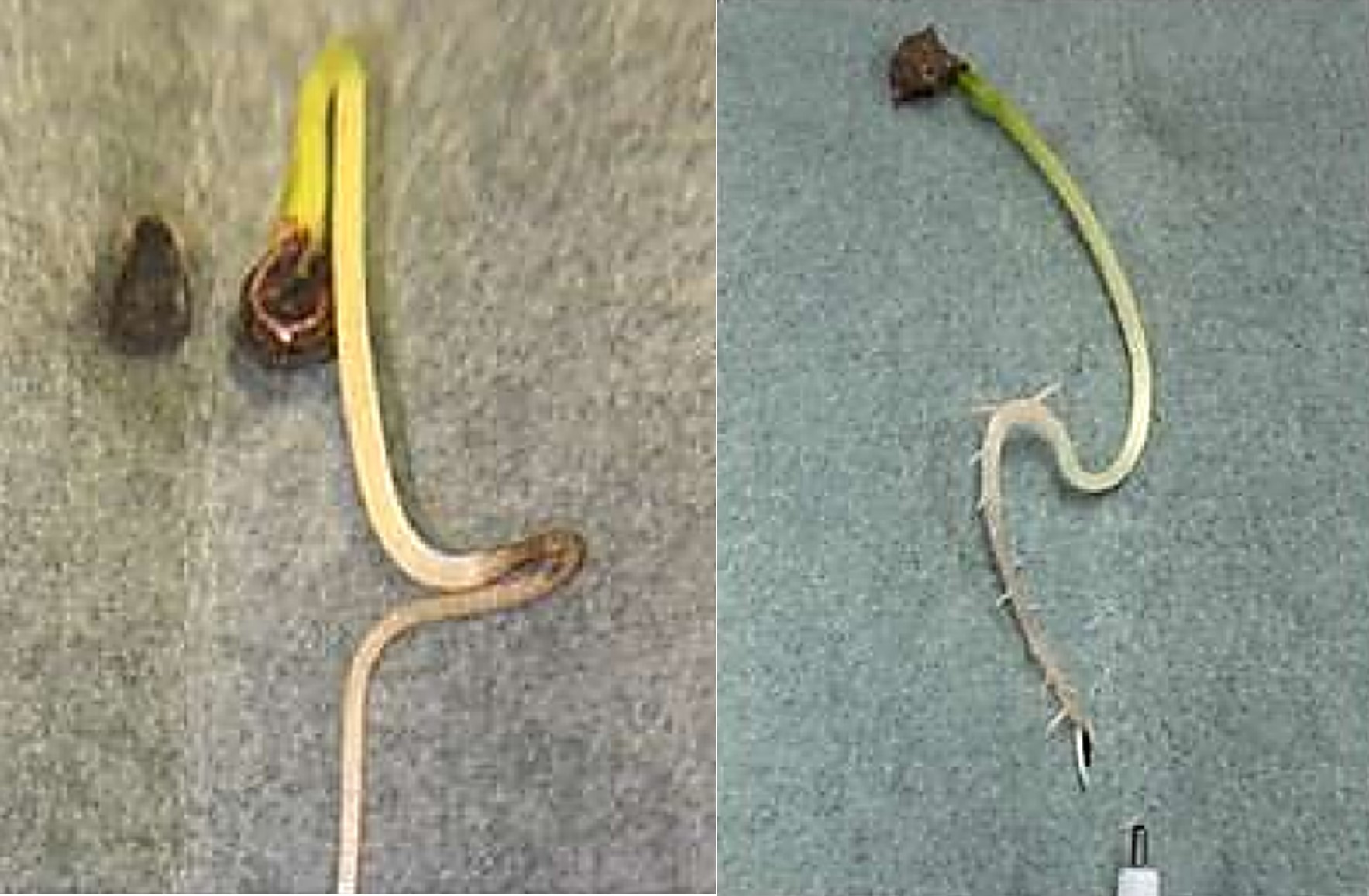
Seedlings may also be affected by this pathogen. It can cause yellowing and stunting of the seedling and some mild darkening of the hypocotyl and radicle but is not as dark as discoloration caused by pathogens like Rhizoctonia, Phoma, or Aphanomyces species, and does not cause thinning of the tissue (Figure 5).
Disease
Pathogens
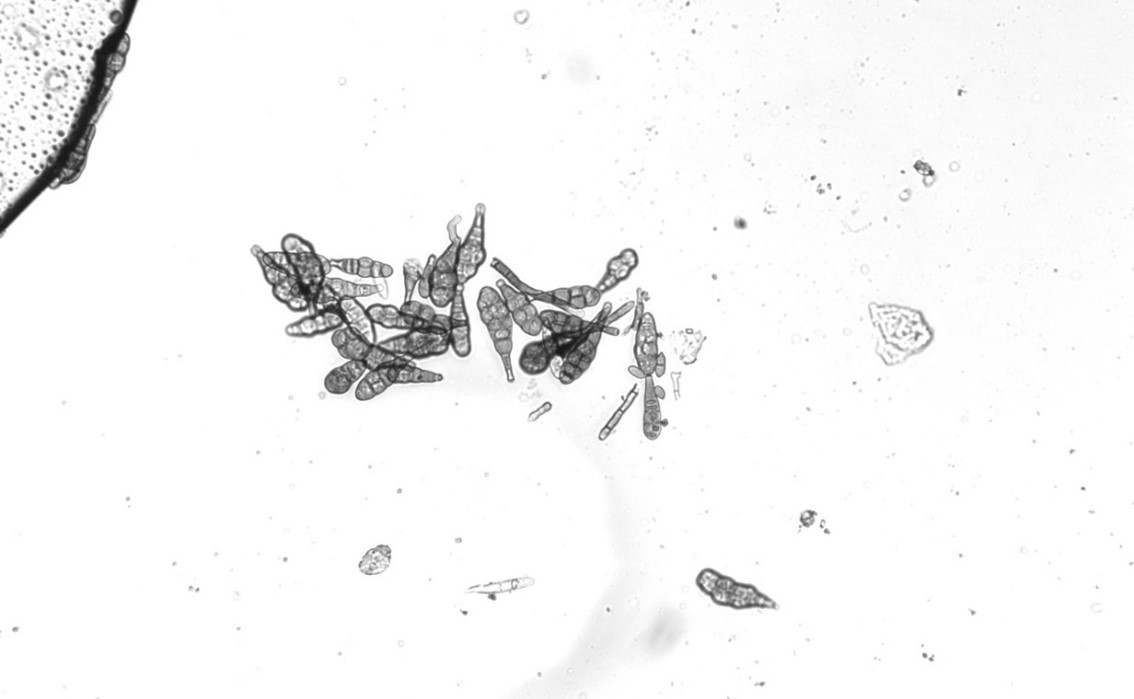
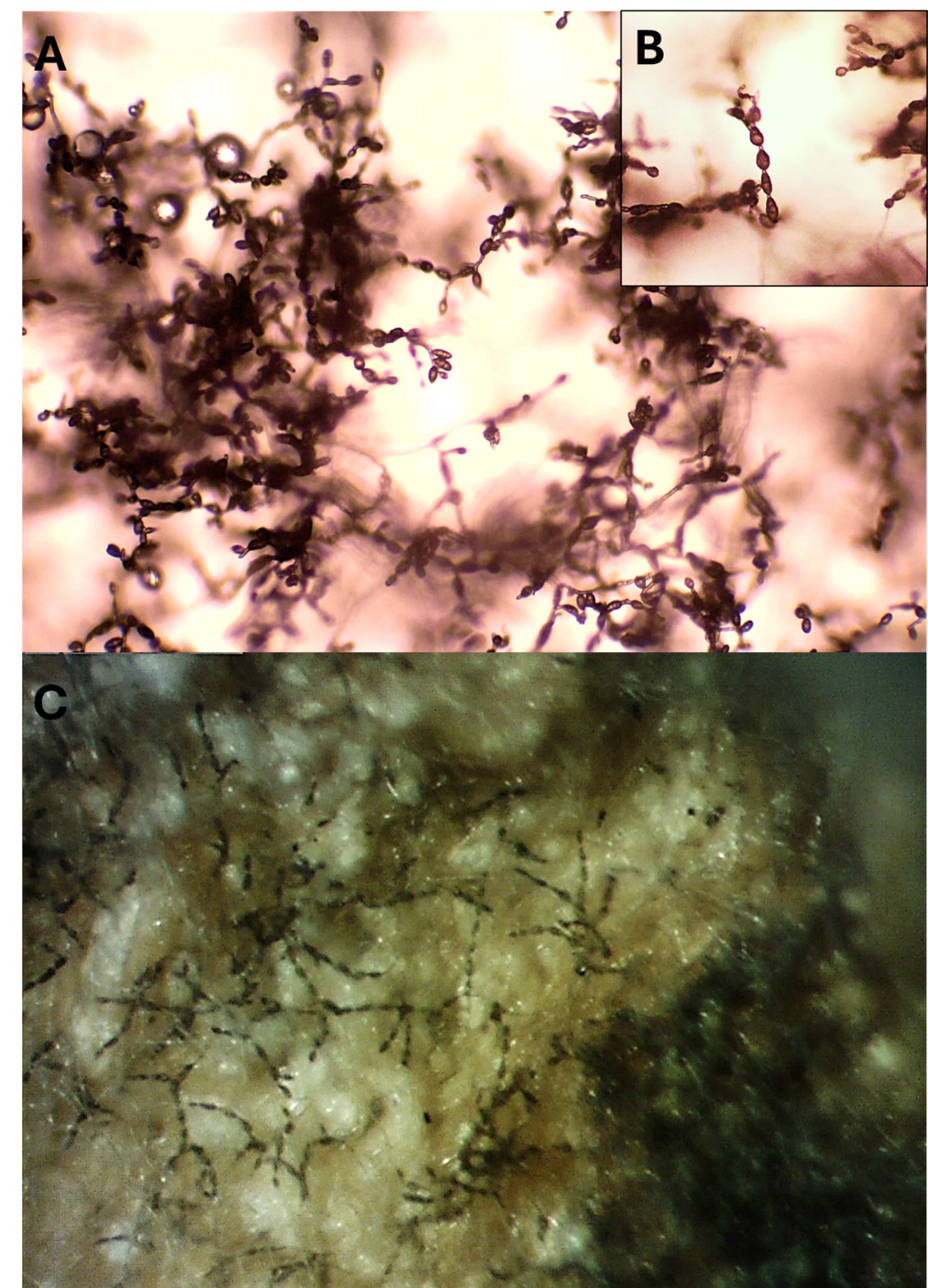
Generally, Alternaria species produce small, club-shaped conidia (asexual spores) that are primarily brown to black in coloration and are capable of infecting a variety of hosts (Figure 6, 7A-C). These individual conidia have several cell walls (septa) going in various directions and are produced in chains that can be branched or unbranched. Discerning between conidia morphologies can be difficult, but it is important for proper identification of Alternaria species. Fungi within the A. alternata species complex produce chains (15-20 conidia) of short spores more abundantly, while A. brassicae produces more sparingly unbranched, shorter chained (2-4 spores) conidia that have with elongated beaks, or tails.
While there are some reports of host specificity in isolates in the A. alternata species complex, these pathogens are described as having broad host ranges. Hosts of these fungi include cruciferous crops (e.g. cauliflower, cabbage, kale, broccoli), solanaceous crops (e.g. tomato and potato), alliaceous crops (e.g. onion), and weed species. A. brassicae also has a wide host range including legumes, cucurbits crops (e.g. cucumbers, melons, squash), cruciferous crops, poppies, blueberries, grasses, and weed species like lambsquarters. It is important to highlight that given the broader host ranges these pathogens can impact, effective leaf spot management can be challenging in areas where alternative hosts are present.
Favorable conditions for disease
The severity of Alternaria leaf spot seen in a field depends on variety susceptibility, inoculum presence (the presence of the spores), and weather conditions. Areas that experience relatively cool (60-80°F) and humid (>90%) or rainy weather are at the greatest risk for Alternaria leaf spot. While disease caused by A. alternata-like fungi can occur at a wide range of temperatures, slightly warmer temperatures (near 77°F) are optimal for these organisms. Alternaria brassicae thrives in cooler temperatures, with optimal disease conditions occurring between 45 and 60°F. In Michigan, Alternaria leaf spot is most common in early summer and fall when the weather conditions are more favorable for these pathogens. While it is not as common or as severe during the summer, it can be found during the typically warmer months in fields located in cooler regions of the state.
Alternaria leaf spot also is favored by plant stress. In particular, anything that causes yellowing of the leaves can make a plant more susceptible. Infection by yellowing viruses is one of the most studied factors that can increase ALS susceptibility, but other factors such as nutrient deficiencies, water stress, etc. also can increase disease risk. Wounding is an additional factor. ALS often is observed starting from an area of insect feeding such as leaf miner damage or other types of wounds such as hail damage. It also can increase when leaves have been in contact with the soil.
Disease cycle
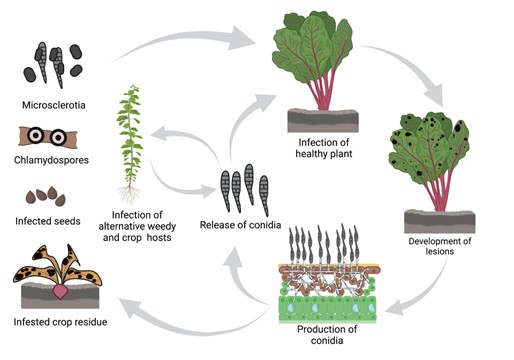
Alternaria leaf spot is able to persist in fields between growing seasons as a result of fungal tissue overwintering in infected plant debris. As conditions become favorable with increased temperatures and humidity, these sources of inoculum produce spores that can infect healthy hosts. As the disease progresses, increases in humidity trigger sporulation in the lesions. Once humidity drops, the chains of spores break apart and are released to be carried by wind, insect, equipment, or infected material to other leaves, additional plants, and other fields to persist within a growing season (Figure 8). The primary points of infection are usually through damaged or weakened tissue. Symptoms can be observed on green leaves, although infection often starts at the edge of more mature leaves (Figure 1). Some hosts are more susceptible to Alternaria leaf spot than others. Older plants and sugarbeets weakened due to wounds (e.g. leaf miner feeding) or any abiotic or biotic stressors that cause yellowing of leaves (e.g. drought, nutrient deficiencies, beet yellow viruses, Fusarium yellows) are at increased risk of infection.
Integrated disease management
Host resistance
Studies have shown that the combination of tolerant cultivars paired with fungicide applications provides the best control of Alternaria leaf spot. However, there is currently limited information available for local growers about resistance in commercially available varieties. Varietal differences have been documented in cultivars resistant to other leaf spot diseases, most notably Cercospora leaf spot (CLS). However, variety responses to CLS do not correspond with susceptibility or resistance to Alternaria leaf spot. More information about the performance of current and recent sugarbeet varieties can be found in the Michigan Sugarbeet Research & Education Advisory Council (REACh) Research Results. (https://www.michigansugar.com/growing-production/resources/research-information/).
Fungicides
As mentioned, fungicide applications are vital for effective management of Alternaria leaf spot in Michigan sugarbeet fields. It is important for the continued reliance on these applications that testing is done to monitor the effectiveness, applicableness, and sustainability of these chemicals as tools for growers. The results of the most recent local field tests are available in the REACh Research Results (https://www.michigansugar.com/growing-production/resources/research-information/).
Currently, disease management in the United States relies on fungicide applications that include triphenyltin hydroxide products (e.g. AgriTin, Minerva Duo, or Super Tin), mixtures of triazoles and strobilurins (e.g. Delaro or Priaxor), and ethylene bisdithiocarbamates (EBDC; e.g. Koverall, Manzate Max, or Penncozeb) to manage Alternaria leaf spot. These current recommendations also include the rotation of these active ingredients with different modes of action throughout a season to decrease the likelihood of resistance development. Modes of action are determined by the Fungicide Resistance Action Committee (FRAC) and are specified on product labels to prevent the reapplication of the same chemistries. It is important to note that two products can have different brand names but can have the same active ingredient. More information about fungicide classes or modes of action are available online (https://www.frac.info/fungicide-resistance-management/by-frac-mode-of-action-group)
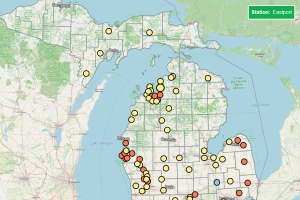
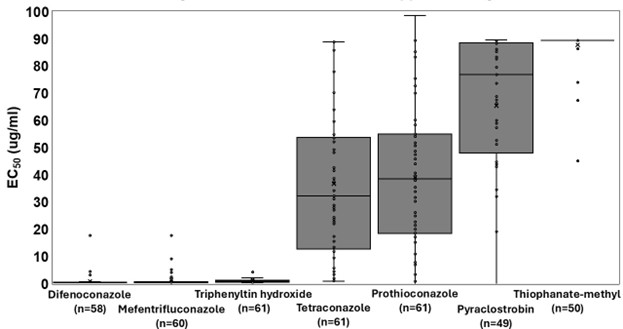
In Michigan, screening for fungicide resistance has been ongoing since 2016. These tests are important for monitoring the efficacy of these active ingredients to improve guide leaf spot management programs. In recent years, isolates of Alternaria species have been identified possessing resistance to several classes of fungicides including strobilurins, triazoles, and tin products (Figure 9). These resistant isolates were found to have cross resistance to multiple chemistries within the same fungicide class, more specifically in the triazole active ingredients.
Given the increased risk for resistance development for the triazoles and tin fungicides, consider tank mixing these products with other broad-spectrum products (e.g. EBDC). Due to the prevalence of resistance observed in isolates of Alternaria species, applications of triazole products alone are not recommended. Similarly, decreased efficacy for strobilurin products has also been reported in Alternaria species in Michigan and should also not be applied alone. For more information about current recommended tank mixes and best application practices, refer to the Michigan Sugar Grower Guides (https://www.michigansugar.com/growing-production/).
Weed management
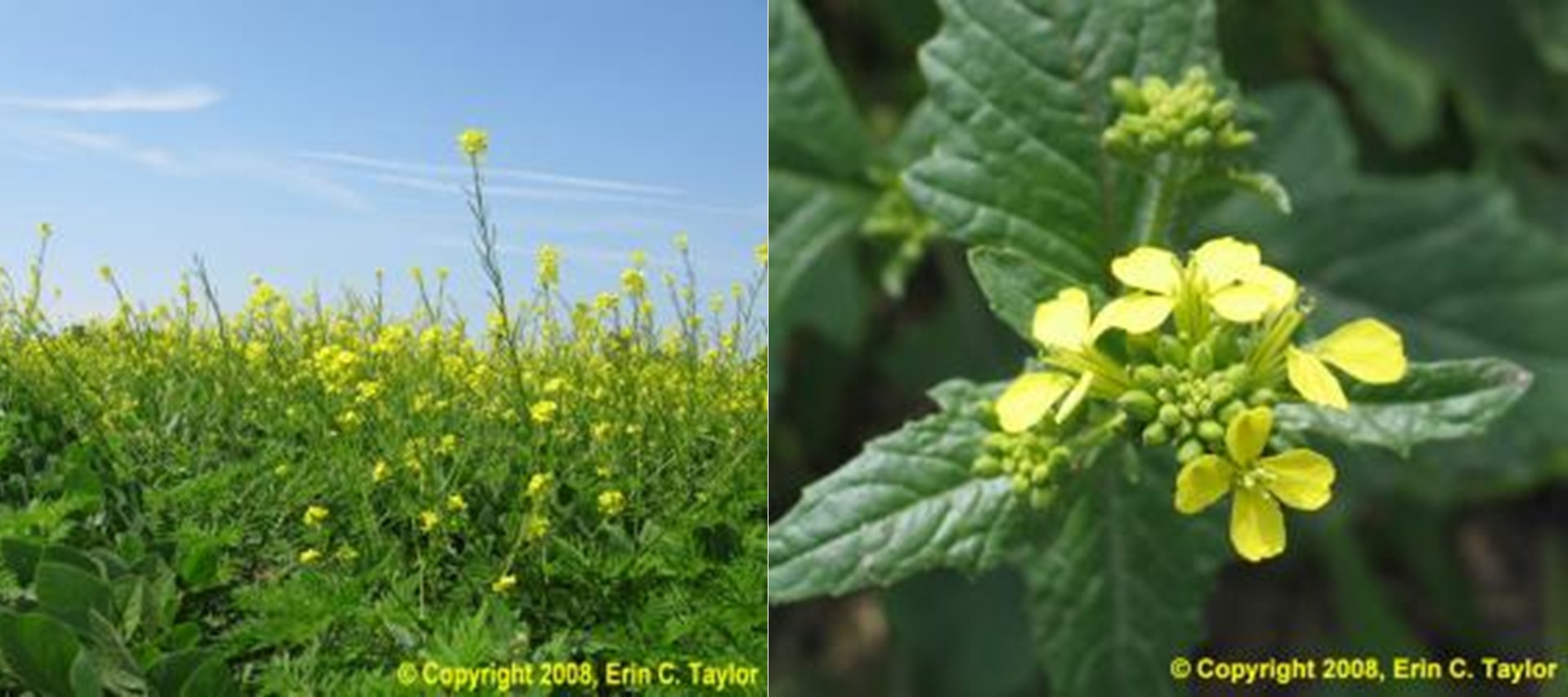
Weedy hosts can both serve as a reservoir for Alternaria species and promote dense canopy environments that favor sporulation and infection. As such, weeds should be closely managed and monitored as recommended by local management programs. A. alternata is known to infect cruciferous weeds, such as wild mustard and wild radish, which are recognizable by their four-petaled (or cross-like) flowers (Figure 11). A. brassicae can also infect common lambsquarters and grasses. Information about the current herbicide recommendations for weed management in sugarbeets, refer to the Michigan Sugar Grower Guides (https://www.michigansugar.com/growing-production/resources). Additional sources of information about weed plants can also be found in the latest MSU Extension Weed Guide (https://www.canr.msu.edu/weeds/extension/).
Crop rotation
Crops rotation is important for areas that can be negatively affected by residual disease inoculum that can persist on alternative host. Given the broad host range of Alternaria species, heavily infested sugarbeet fields should not be followed immediately by alternative hosts such as crucifers, tomatoes, potatoes, onions, and dry beans. While A. alternata infection is more prevalent in the Great Lakes region, in areas where A. brassicae is a greater concern, rotations should not include legumes or cucurbits. To minimize leaf spot, a four-year crop rotation is recommended.
Cultural practices
Because unhealthy and stressed plants are more susceptible to disease, standard irrigation and soil fertility management practices should be followed to further reduce disease development. Information pertaining to best practices in sugarbeet field irrigation or managing soil health can be found in the Michigan Sugar Grower Guide (https://www.michigansugar.com/growing-production/). Other resources include the MSU Extension website (https://www.canr.msu.edu/sugarbeets/) or by contacting your local county MSU Extension agents (https://www.canr.msu.edu/outreach/county/). If interested, instructions on how to submit plant and soil samples to the MSU Plant and Pest Diagnostic Clinic can be found on their website (https://www.canr.msu.edu/pestid/).
References
Cortes, S. C., Hanson, L., Miles, L., Willbur, J., and Naegele, R. 2022. Diagnostic guide for Alternaria leaf spot on sugar beet, red beet, and chard. Plant Health Prog. 23:497-506.
Draycott, P.A. 2006a. Introduction. Pages 1-8 in: Sugar Beet. (Ed.) Draycott A.P. Blackwell Publishing, Oxford, UK.
FRAC code list. Fungicide Resistance Action Committee. 2022. https://www.frac.info/docs/default-source/publications/frac-code-list/frac-code-list-2022--final.pdf?sfvrsn=b6024e9a_2
Franc, G. D. 2009. Alternaria leaf spot. Pages 12-13 in: Compendium of beet diseases and pests, 2nd Ed. (Eds.) Harveson R.M., Hanson L.E., Hein G.L. American Phytopathological Society, St. Paul, MN.
Harveson, R.M, Panella, L., and Lewellen, R.T. 2009. History of Beet Production and Usage. Pages 1-2 in: Compendium of Beet Diseases and Pests, 2nd Ed. (Eds.) Harveson R.M., Hanson L.E., Hein G.L. American Phytopathological Society, St. Paul, MN.
Jayawardana, M.A. 2022. Studies on diversity of Alternaria alternata associated with Alternaria leaf spot in sugar beet [dissertation]. (Michigan State University, East Lansing, MI).
McFarlane, J.S., Bardin, R., and Snyder, W.C. 1954. An Alternaria leaf spot of the sugarbeet. Proceedings American Society Sugar Beet Technologists. 8:241-245.Michigan Sugar Company. 2020. Fungicides available for Cercospora and Alternaria. Page 51 in: Growers’ Guide for Producing Quality Sugarbeets. https://www.michigansugar.com/wp-content/uploads/2020/03/2020-Michigan-Sugar-Grower-Guide.pdf.
Rosenzweig, N., Hanson, L.E., Pratt, D., Stewart, J., and Somohano, P. 2017. First report of QoI resistance in Alternaria spp. infecting sugar beet (Beta vulgaris). New Dis. Rep. 36:5.
Rosenzweig, N., Hanson, L.E., Mambetova, S., Jiang, Q.W., Guza, C., Stewart, J., and Somohano, P. 2019. Fungicide sensitivity monitoring of Alternaria spp. causing leaf spot of sugarbeet (Beta vulgaris) in the Upper Great Lakes. Plant Dis. 103:2263-2270.
Rotem, J. 1994. The genus Alternaria: biology, epidemiology, and pathogenicity. American Phytopathological Society, St. Paul, MN.
Simmons, E. G. 2007. Alternaria: An identification manual: Fully illustrated and with catalogue raisonne 1769-2007. CBS Fungal Biodiversity Center. Utrecht. the Netherlands.
Woudenberg, J.H.C., Seidl, M.F., Groenewald, J.Z., De Vries, M., Stielow, J.B.,
Thomma, B.P.H.J., and Crous, P.W. 2015. Alternaria section Alternaria: Species, formae speciales or pathotypes?. Stud. Mycol. 82:1-21.