


British elecampane - Inula britannica
 Print
Print Email
EmailInula britannica L.
Asteraceae (Aster family)
MI Status
Non-native
Life cycle
Aggressive, invasive perennial.
Leaves
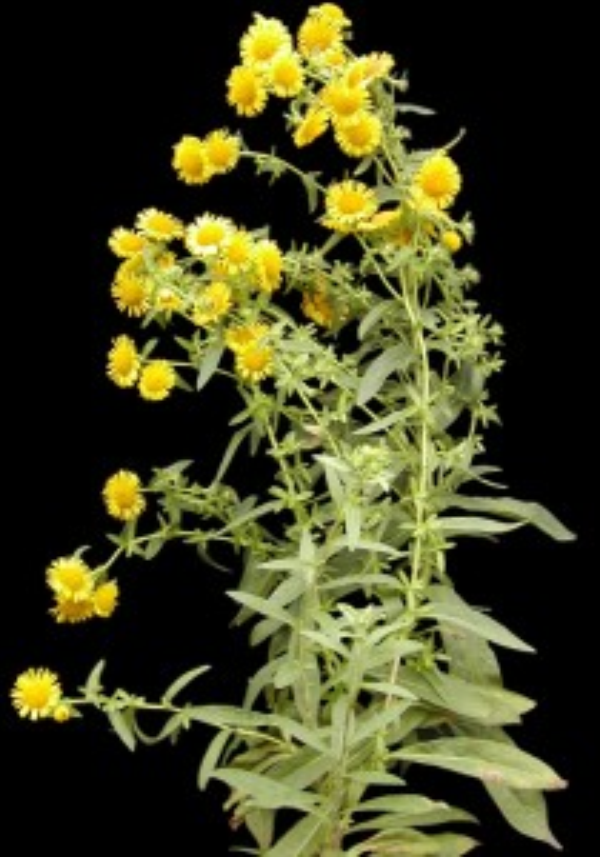
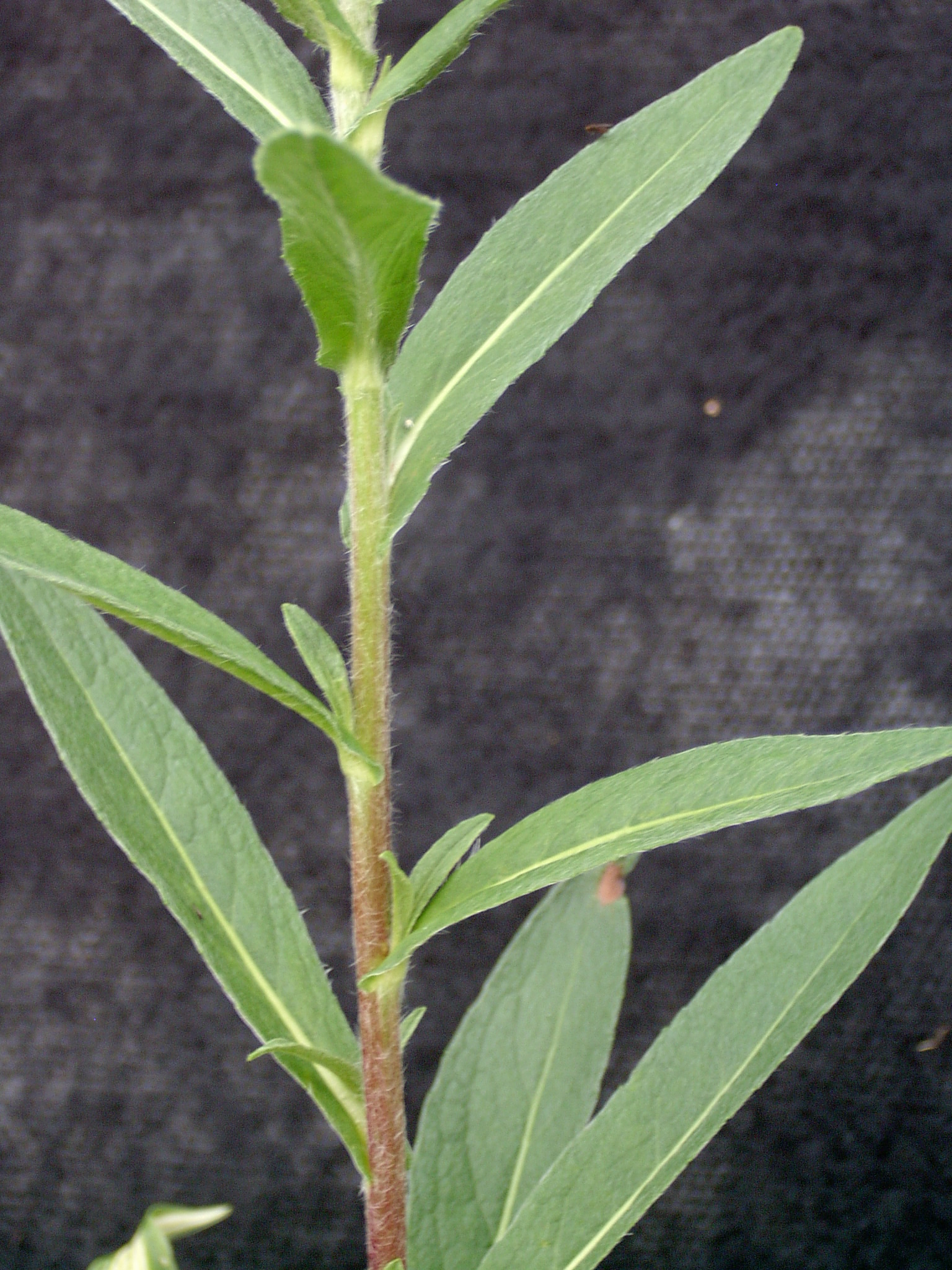
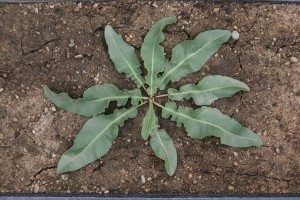
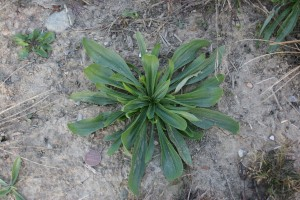
Alternate, lance-shaped leaves initially develop from a basal rosette. Leaves have pointed tips, arrowhead- to earlobe-shaped bases and finely toothed margins. Leaf bases are stalkless to clasping the stem. The lower leaf surface is densely covered with coarse, white hairs; the upper surface is only slightly hairy.
Stems
Erect stems with coarse, white hairs arise from a basal rosette to flower, up to 30 inches tall.
Flowers and fruit
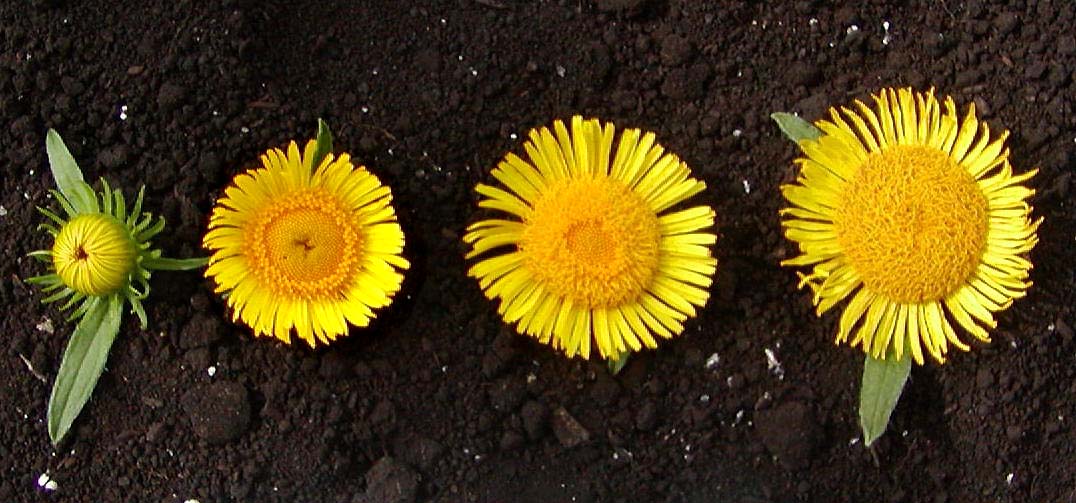
Numerous yellow, 0.75- to 1.5-inch-wide flower heads form on a single plant, each head looking like a small sunflower. The area just below each flower head is encircled by several small, green bracts. The seed is enclosed in a single-seeded, small, light brown, wind-disseminated fruit.
Reproduction
Seeds and creeping roots.


Other Documents in this Series
You Might Also Be Interested In
Accessibility Questions:
For questions about accessibility and/or if you need additional accommodations for a specific document, please send an email to ANR Communications & Marketing at anrcommunications@anr.msu.edu.