


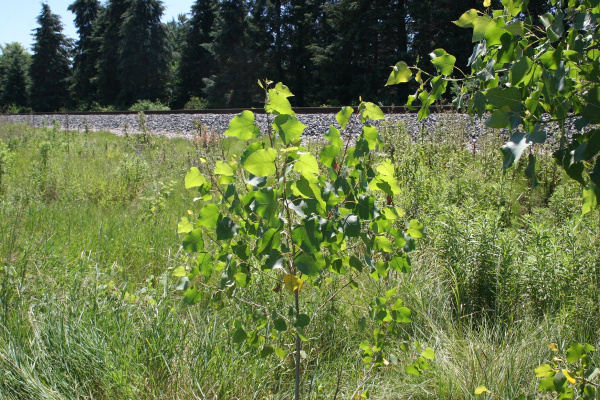
Eastern cottonwood – Populus deltoides
 Print
Print Email
EmailPopulus deltoides Marshall
Salicaceae (Willow family)
MI Status
Native
Life cycle
Fast-growing, weedy tree.
Leaves
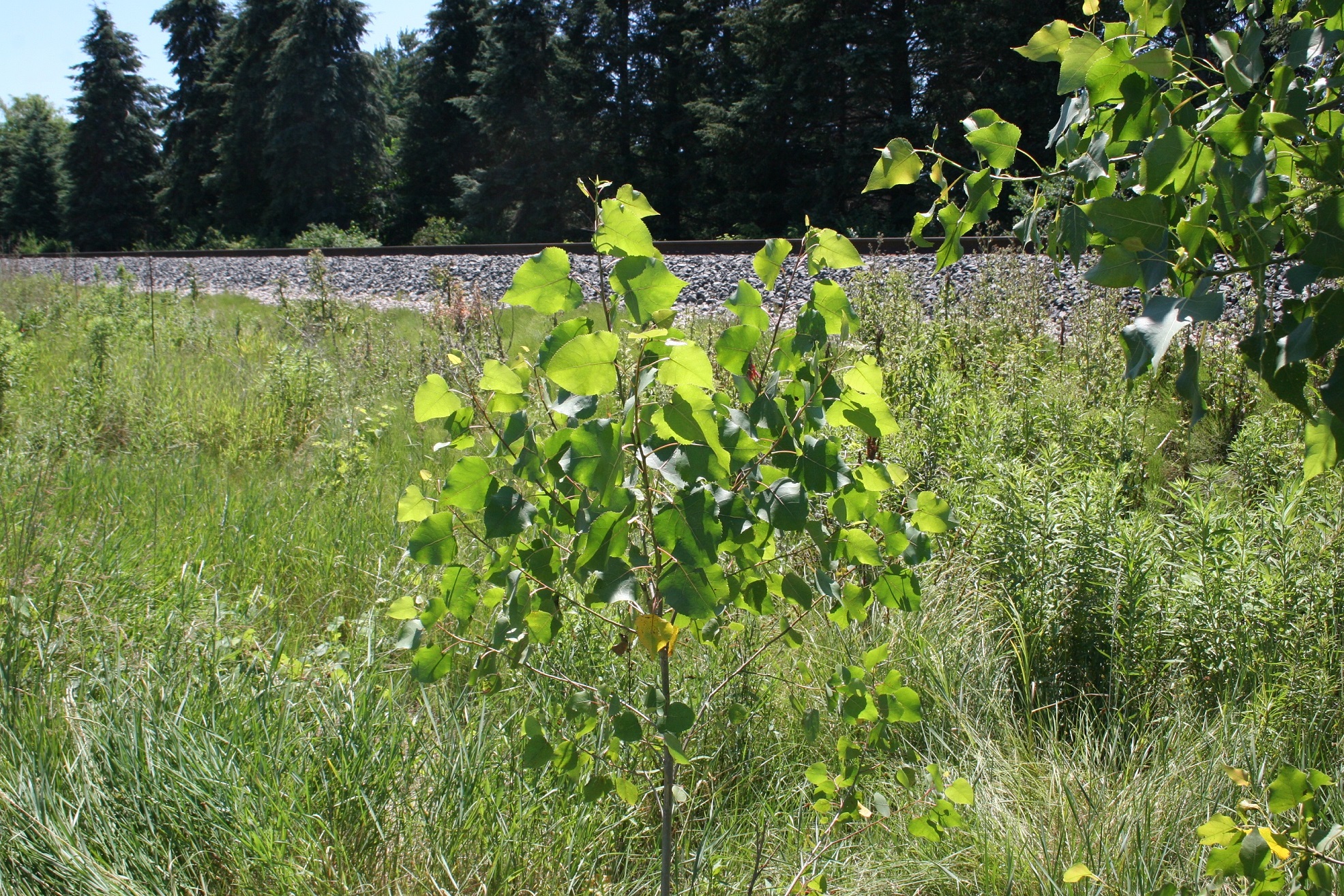
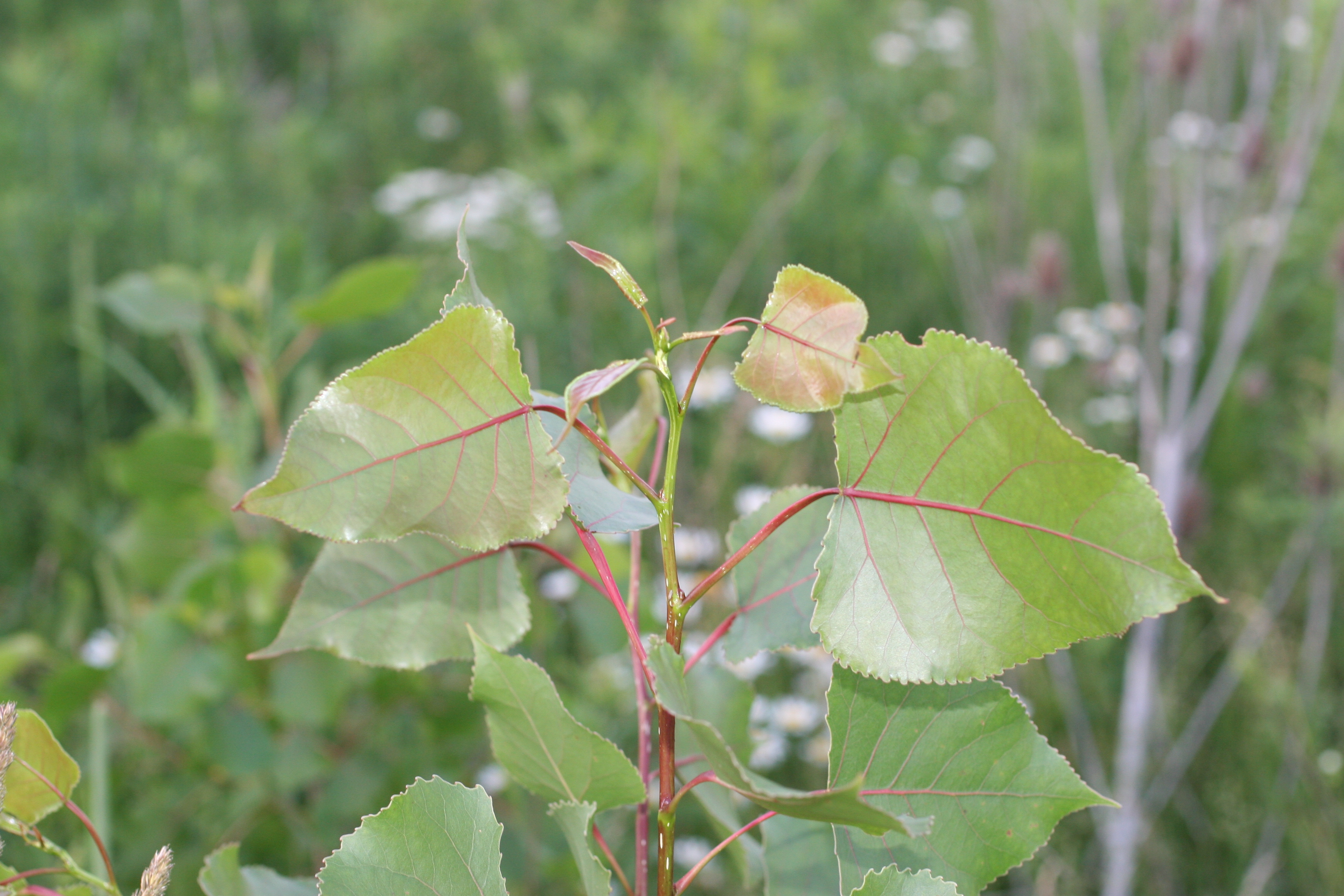
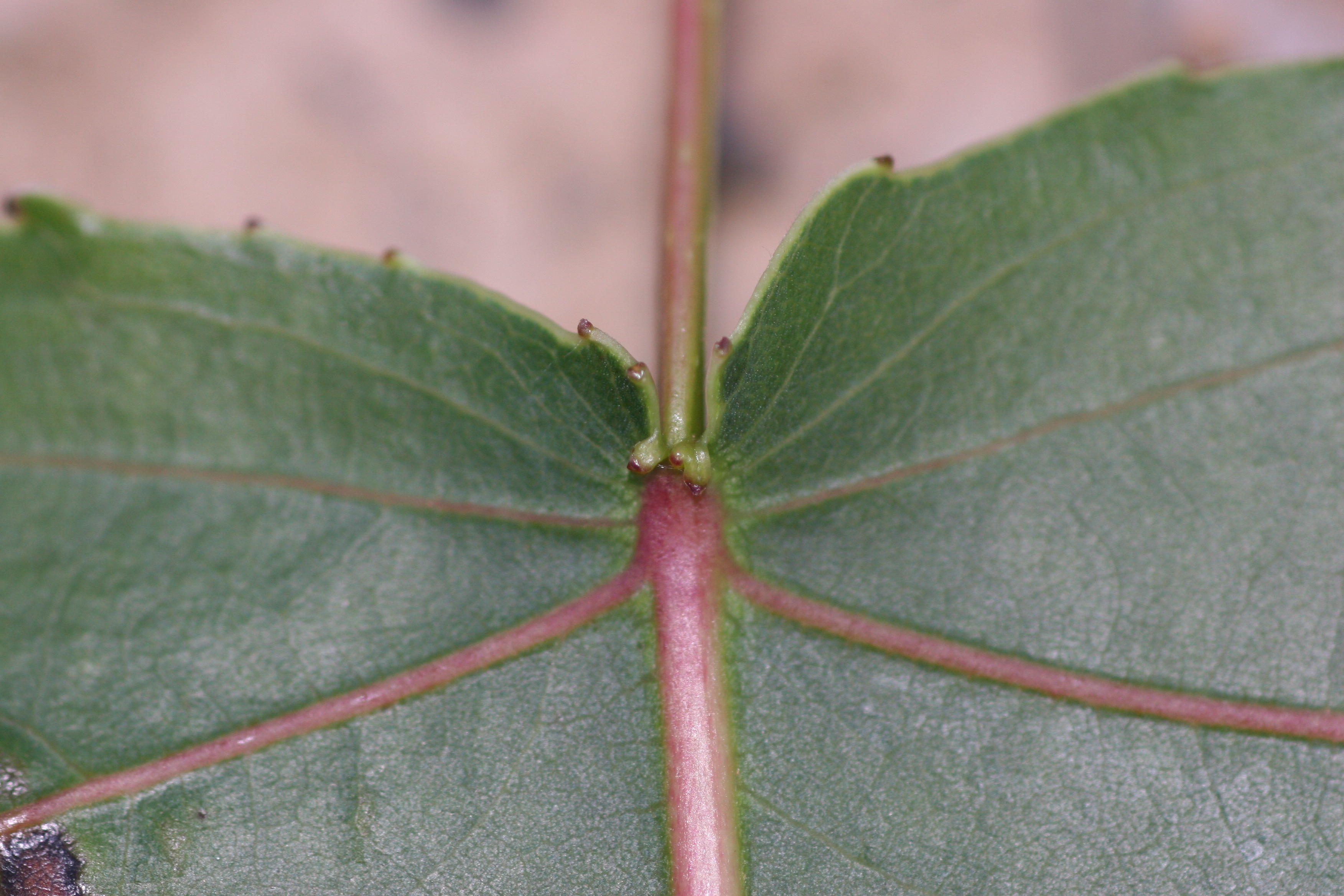
Alternate, simple, broadly triangular, 3 to 5 inches long with coarse, incurved-toothed margins and a smooth base. Leaves are shiny green above and have two to five prominent, fingerlike glands where the long, flattened petiole attaches to the leaf. Margins are outlined by a colorless border.
Stems
Up to 100 feet at maturity with a straight trunk and minimal branching. Bark is ash gray on mature trees and greenish yellow on young stems. Plants have the ability to form many vigorous, weedy sprouts.
Flowers and fruit
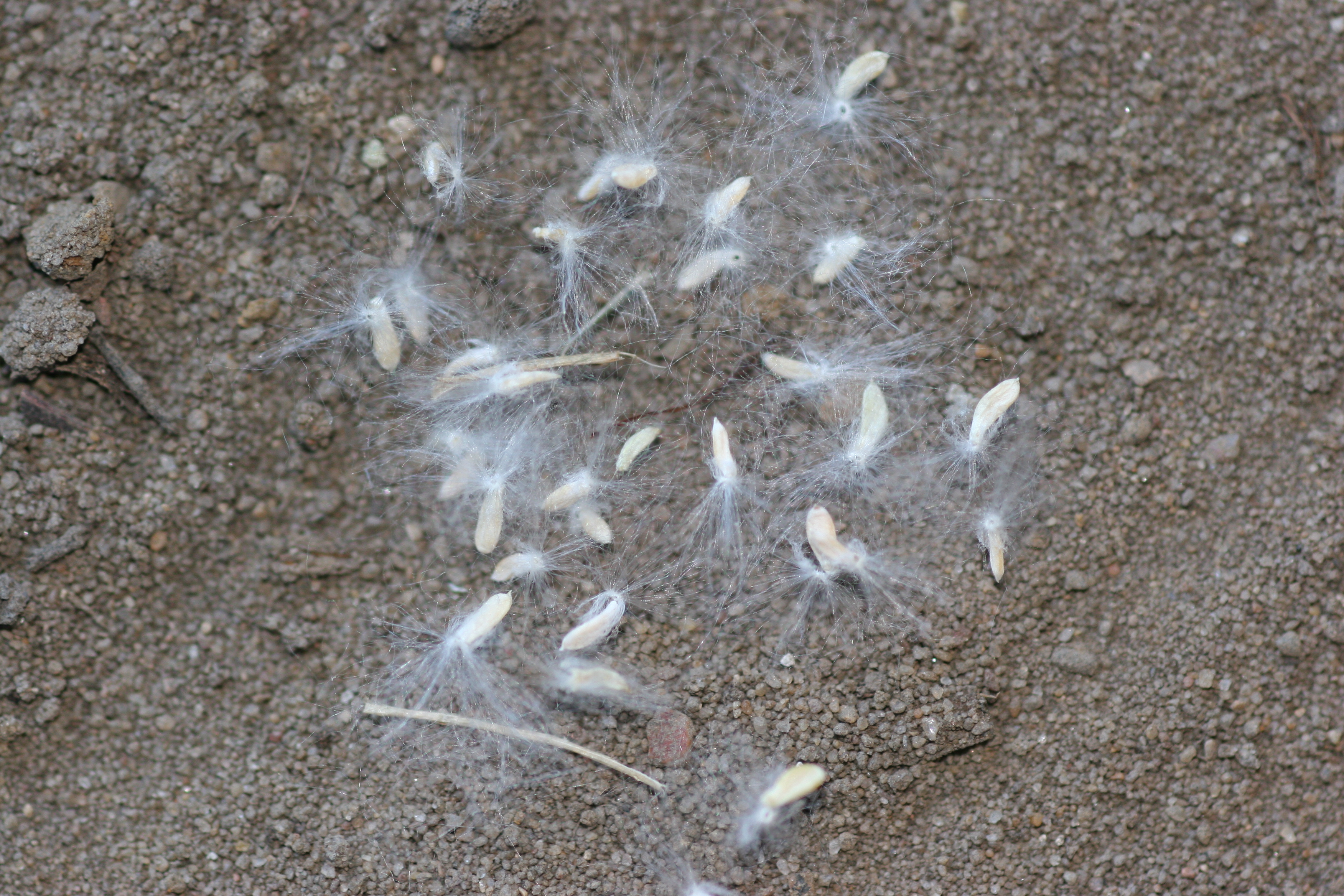
Male and female flowers are found on separate plants and are clustered in drooping, up to 4-inch-long spikes. Male flowers are reddish; female flowers are greenish. Fruits are three- to four-valved capsules that release cottony, wind-disseminated seeds.
Reproduction
Seeds.

Other Documents in this Series
You Might Also Be Interested In
-
New box tree moth alert for Michigan homeowners and residents, now available in English and Spanish
Published on October 10, 2025
-
Watering strategies to keep a garden productive
Published on June 26, 2025
-
Invasive spotted lanternfly workshop held in Berrien County on March 6
Published on February 11, 2020
-
Herbicide Resistance in Field Crops
Published on May 21, 2026

Accessibility Questions:
For questions about accessibility and/or if you need additional accommodations for a specific document, please send an email to ANR Communications & Marketing at anrcommunications@anr.msu.edu.