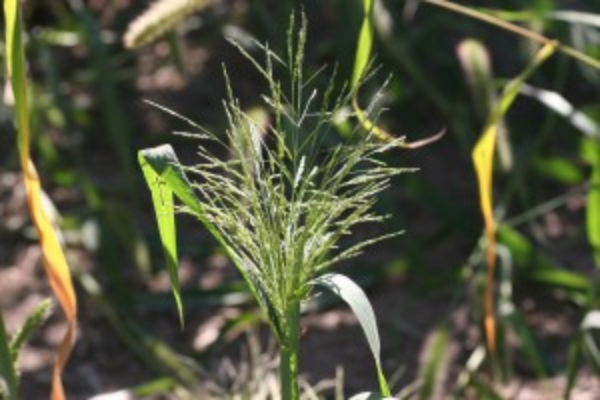
Fall panicum – Panicum dichotomiflorum
 Print
Print Email
EmailPanicum dichotomiflorum Michx.
Poaceae (Grass family)
MI Status
Native
Life cycle
Erect summer annual.
Leaves
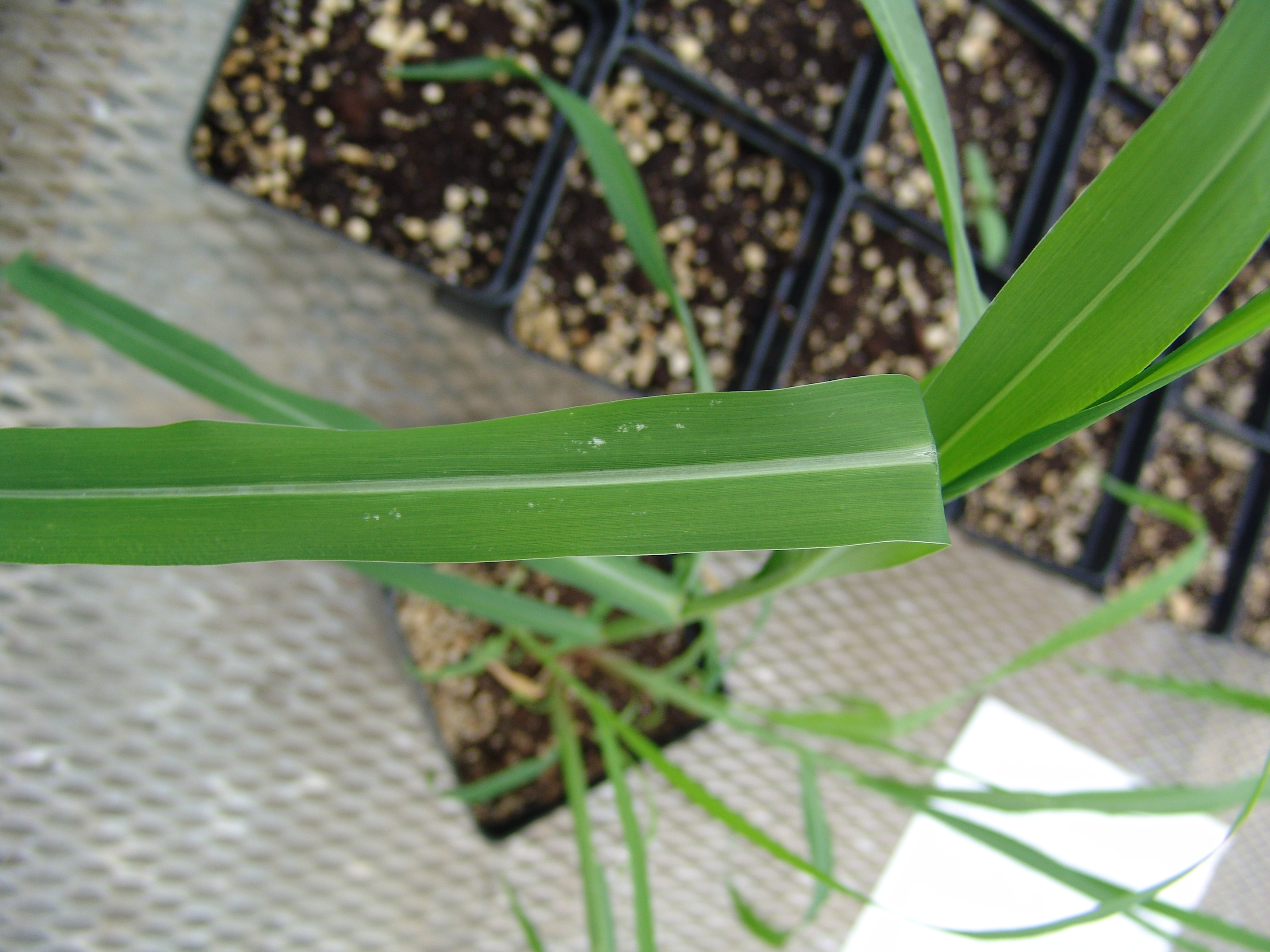
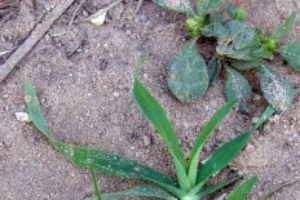
Leaves are hairless at maturity, up to 20 inches long with a prominent, white midvein. Leaf sheaths are also hairless at maturity, with no hairs on the sheath margins. Seedlings may have hairs on the lower leaf surface and sheath, becoming less hairy with age.
Ligule
Hairy.
Stems
Erect, bending in a zigzag manner at the nodes, up to 6 feet tall.
Flowers and fruit
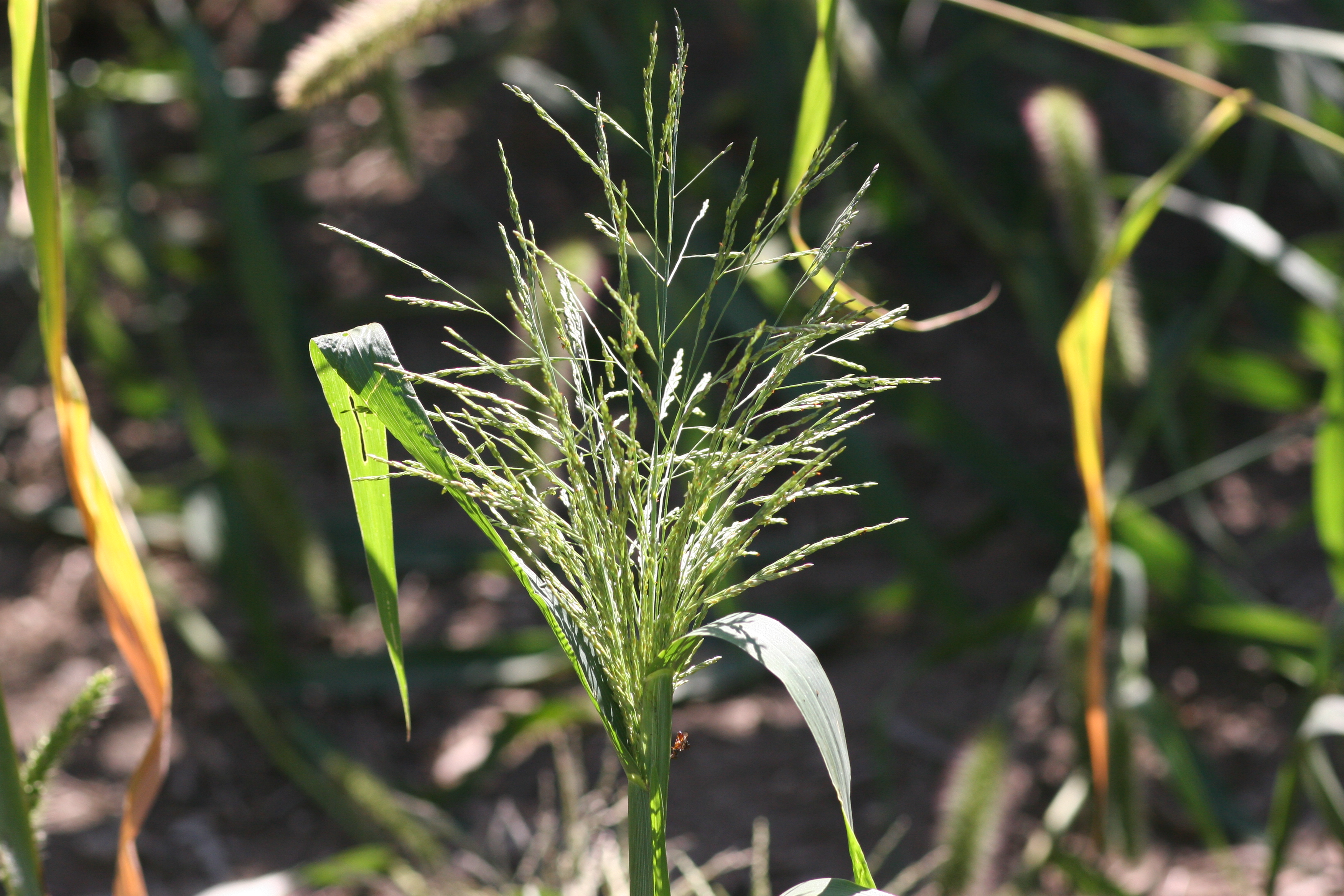
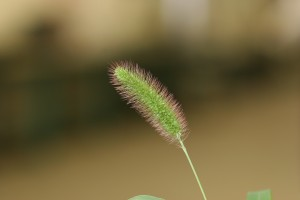
The seedhead is a large, open, and spreading panicle that may be purple-tinted at maturity and yields small, straw-colored, oval seeds.
Reproduction
Seeds.
Similar weeds
Wild proso millet (P. miliaceum L.)
Differs by having long, mostly perpendicular, stiff hairs covering both leaf surfaces and the sheath, and a nodding panicle with large, shiny, olive-brown to black, oval-shaped seeds. Seeds often persist on the roots of seedlings.
Witchgrass (P. capillare L.)
Differs by having dense, mostly perpendicular, soft hairs covering the entire plant.