Field crop fundamentals - Forage crop uses explained
June 24, 2026 - Korede Olugbenle and Kim Cassida, Michigan State University Extension
 Print
Print Email
EmailForage crops are traditionally defined as plants, excluding grain, grown for the purpose of feeding livestock. In addition, forages also provide environmental and soil health benefits, including support for key principles of regenerative agriculture such as minimizing soil disturbance, keeping soil covered, maintaining a living root system at all times and increasing crop diversity. This article outlines the primary uses of forage crops in Michigan.
Forages for Feed
The main use for forages is as feed for animals. Factors to consider include how the forage will be harvested, which relates to desired moisture content and how it will be stored. Fresh forages can be harvested by grazing or as greenchop, or stored for later use as hay, silage, haylage or baleage. Farming goals dictate which harvest and storage systems are feasible. If you have your own livestock operation, any of these systems can be used according to farm goals. If you plan to sell the forage, baled hay is usually the most marketable option. Having the end consumer in mind as you establish your forages is important, ensuring that you have a market to sell to when the time comes. If you have a particular animal market in mind for hay sales, it is important to match forage species and nutritive quality to the demands of that market. For example, dairy and horse hay markets have very different requirements.
Pasture
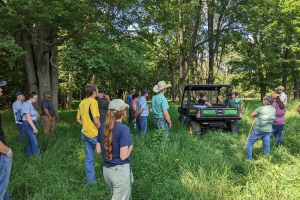
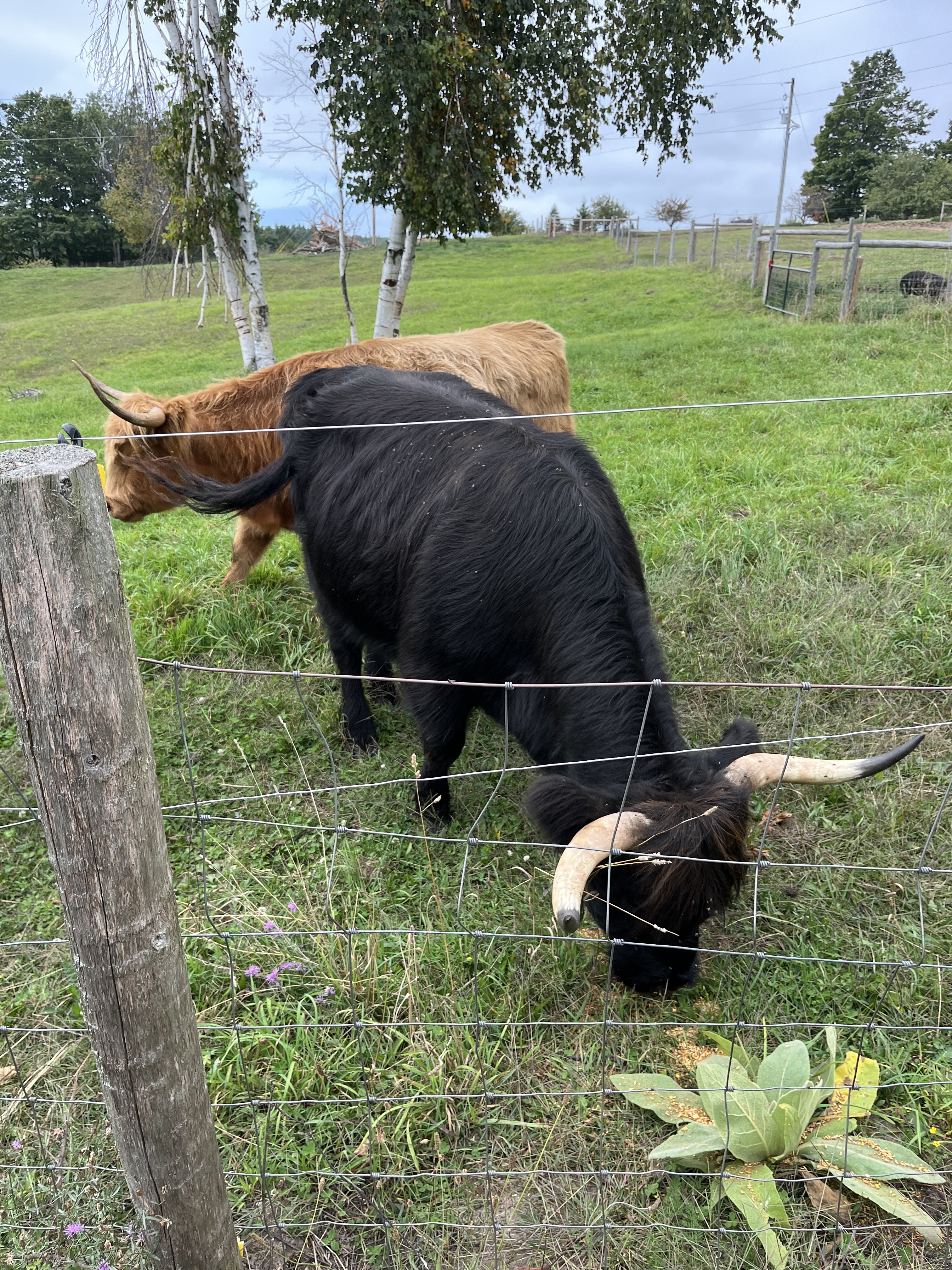
Over the centuries, the quintessential use for forages has been as pastures for grazing. Pastures are generally the least expensive option for growing and feeding forages, especially if you own your own pasture and livestock, because the livestock do the work of harvesting the crop, fertilizing by spreading manure, and also, storage is not needed. Because pastures usually contain more than one plant species, they can also increase the biodiversity of a farm, making it more resilient in the process. Attending a pasture walk is a great way to learn about pasture forages.
Some drawbacks include extra time and labor involved with managing livestock. Another drawback is the extra planning needed to make sure the field is managed appropriately and not overgrazed or undergrazed. Other uses worth mentioning are using pasture forages as deer food plots or as trap crops. Trap crops lure pests away from other crops. For example, surrounding a corn field with forages is one way to try to reduce deer damage to corn fields, while deer food plots are cultivated areas designed specifically to attract deer for hunting purposes.
Hay
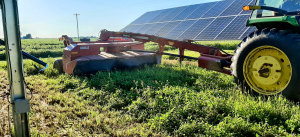
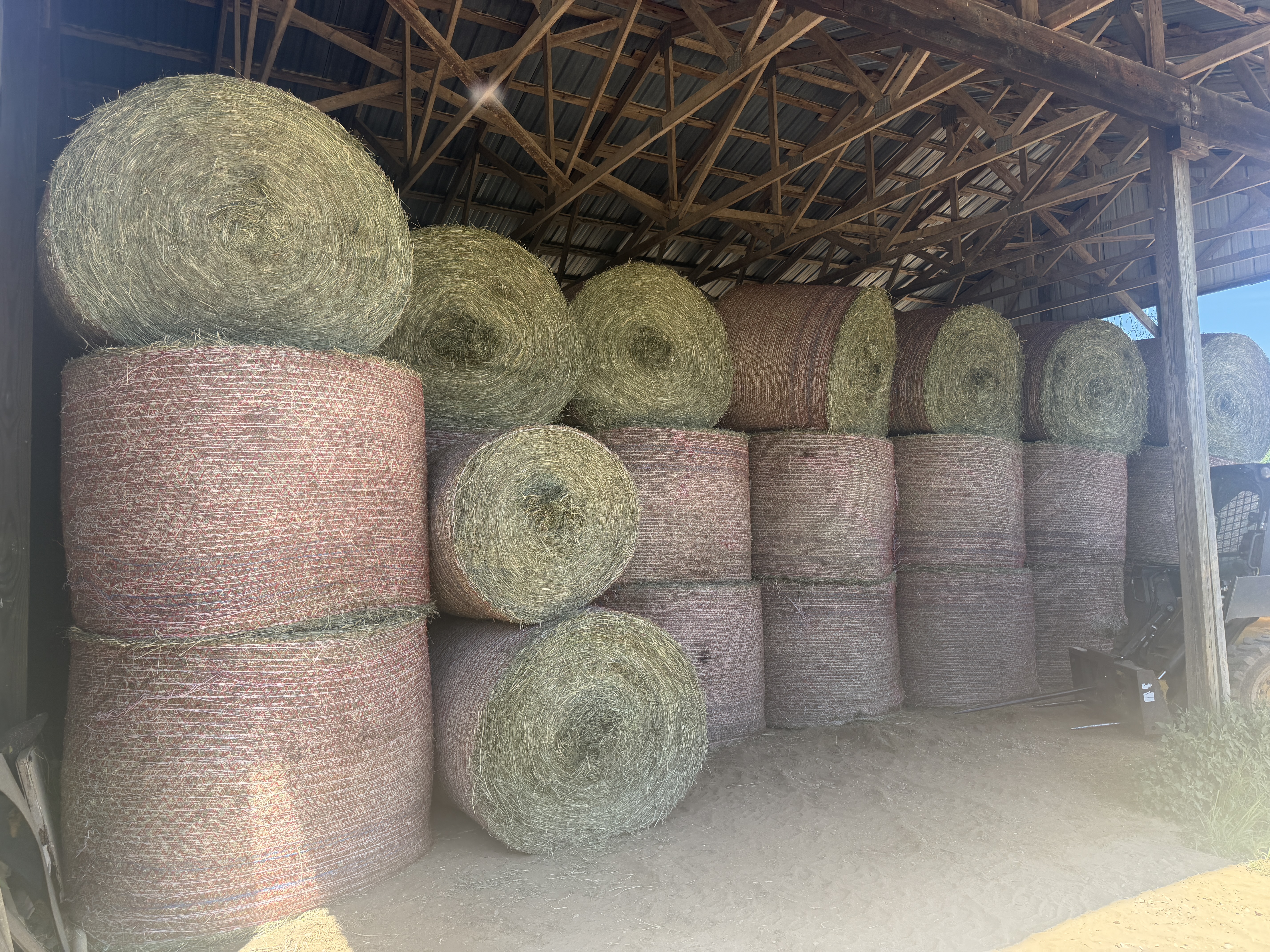
Hay is harvested forage that is dried in the sun to below 20% moisture content, and then baled into either square or round bales that can be stored and fed to confined animals and to pastured livestock in winter (see winter bale grazing bulletin) or other times when pasture is not growing. Forage cutting height and frequency can be precisely controlled to promote yield and persistence of the forage field. Round bales can be stored either outside or inside, while square bales must be under a roof.
The primary drawback of hay is that drying is extremely dependent on suitable weather conditions, such as low humidity, moderate wind speed, high temperature and a good amount of sunlight. Poor drying conditions or unexpected rain can ruin a harvest. Making hay also has high investment in appropriate machinery. It is important to know the intended end consumer of the hay beforehand; some markets prefer small square bales over round bales, and having the hay bales in the appropriate form will help with sales and transportation.
Silage and Haylage
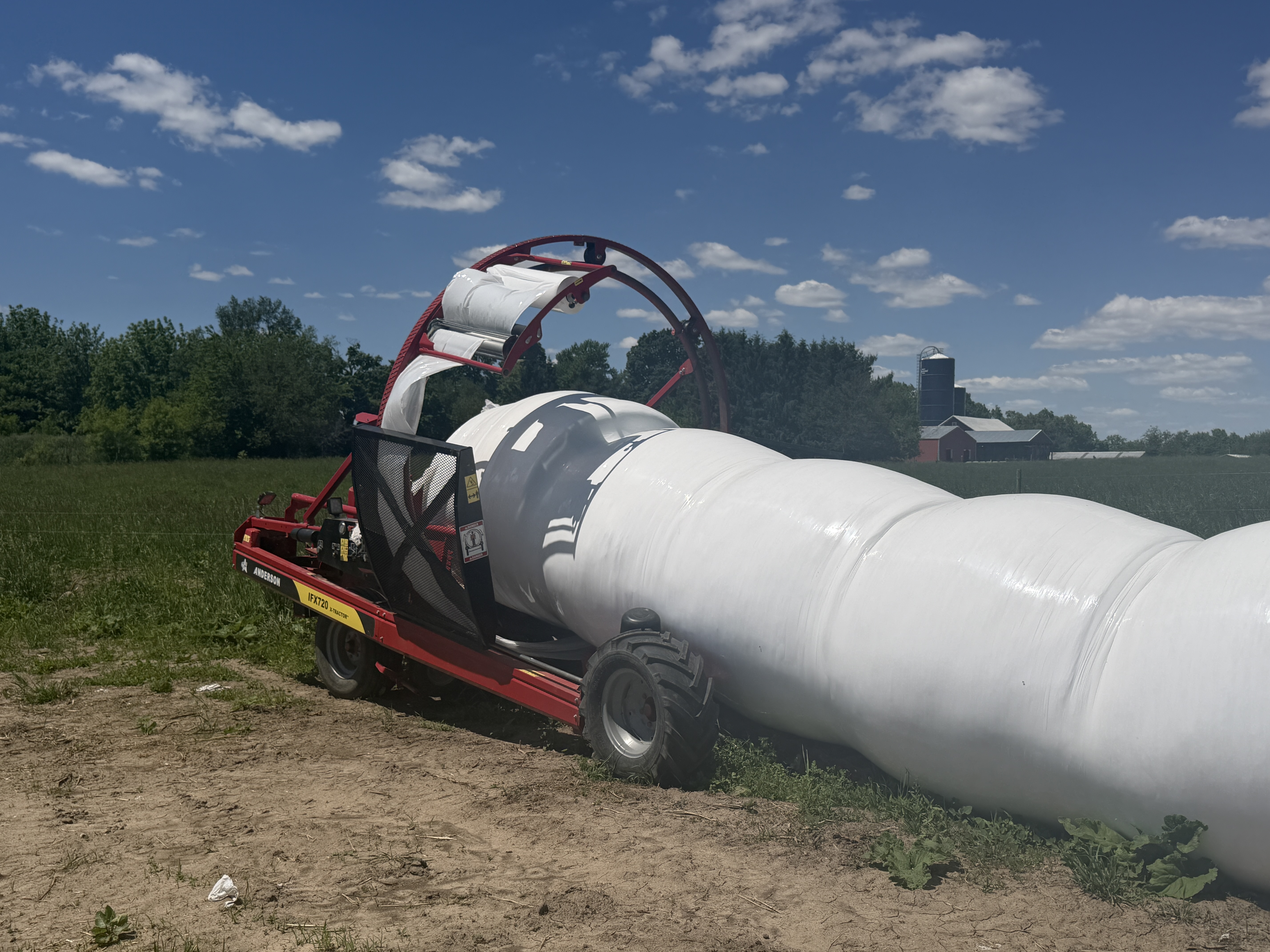
Silage is the generic term for fermented forage. It is made by harvesting forage with about 40 –60% moisture, then packing and sealing anaerobically to exclude oxygen, and allowing fermentation by beneficial lactic acid bacteria. Anaerobic conditions limit the growth of damaging microorganisms and allow long-term storage as long as air remains excluded. In Michigan, silage refers to corn silage while haylage refers to silage made from other forages like alfalfa and grasses. Haylage often contains less moisture at ensiling than corn silage. Types of silos used for storage include towers, bunkers, piles and bags.
The primary benefit of silage and haylage is less forage yield loss at harvest and a higher nutritive value than the same forage conserved as hay. A drawback is the potential for high storage losses or “silage shrink”, especially when ensiled at the limits of the moisture range. Silage and haylage spoils within 24 hours once exposed to air, so it is usually fed on the same farm that grew it rather than sold. Another drawback is that high moisture silage may lead to unacceptable leachate losses from the silo. Silage leachate is the liquid that runs off from silage piles. Due to its high biochemical oxygen demand (BOD), it can consume large amounts of oxygen in different water bodies. This is an environmental concern since it can lead to killing off fish and other aquatic life as well. Leachate losses may also mean nutrient and dry matter losses from the silage itself.
Baleage
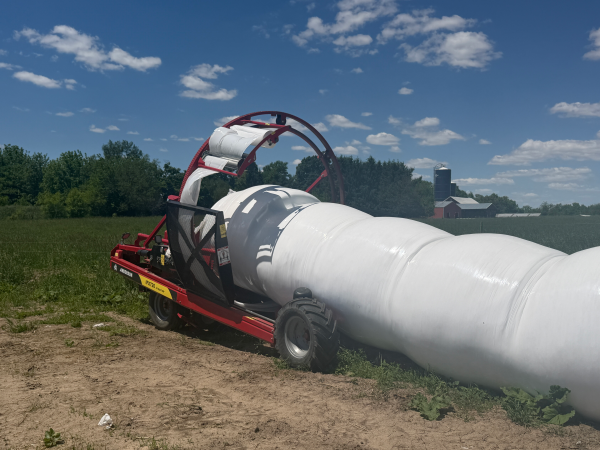
Baleage is made by baling forages in round or square bales at moisture levels of 40 – 60% and wrapping in plastic to create anaerobic conditions. The forage will then ferment in the same manner as silage and haylage. If the wrapping plastic integrity is maintained with no tears or holes, bales can last 9 – 12 months. Compared to dry hay, baleage has less harvest losses and usually better nutritive value.
Baleage can be sold off-farm, but it is very heavy, which limits its practical transport range. It may not be practical for farms with smaller herds because bales need to be completely consumed within 24-48 hours to avoid spoilage once opened. Other drawbacks include needing more equipment like a plastic wrapper and plastic, which increases costs. Plastic is also single-use with extra time and costs spent on disposal later on.
Greenchop
Greenchop is a management system in which pastures are machine-harvested instead of being grazed by livestock. The fresh harvested forage is then immediately fed to the animals in wagons or feed bunks. Greenchop can be used as an added supplement to pasture grazing or as an alternative feed to confined livestock. Since greenchop is a freshly harvested forage, it is available only during the growing season. Some benefits of utilizing greenchop are reduced losses from selective grazing and trampling, fencing for grazing may not be as needed and forages can be harvested at their optimal quality. Some drawbacks include the added costs for utilizing machinery as opposed to grazing, and equipment failure may complicate or delay operations.
Forages for Environmental Benefits
Forage crops can also provide ecosystem services that benefit the environment. Although some of these benefits do not show direct monetary value, they indirectly impact profits. They also promote conservation, which helps in making sure the field is still productive in future years.
Soil Conservation
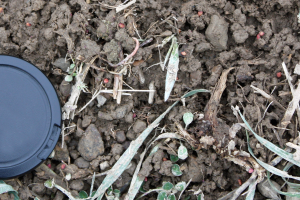
Forages can provide ground cover all year round because they can regrow. They also have living roots in the soil with little need for tillage implementation and minimal soil disturbance. Benefits often include better soil structure, more biological activity in the soil, higher organic matter levels, and overall better soil health. Forages can play a pivotal role in achieving the majority of the regenerative agriculture principles.
Green Manure
A majority of current cropping systems are focused on producing annual grain crops, with the use of synthetic fertilizers to maintain or improve yields. One way to utilize forages in this system is by incorporating forage legumes like alfalfa or clovers in the crop rotation to also provide some nitrogen for the next crop. This works because legumes can obtain nitrogen from the air via atmospheric fixation, and some of that nitrogen can be available for the next crop after the legume roots and other left behind biomass decompose. The benefit is that less synthetic fertilizers can be used, which lowers costs as well as the risk of nutrient runoff. However, it will require added time, labor and management of the system.
Habitat Provision
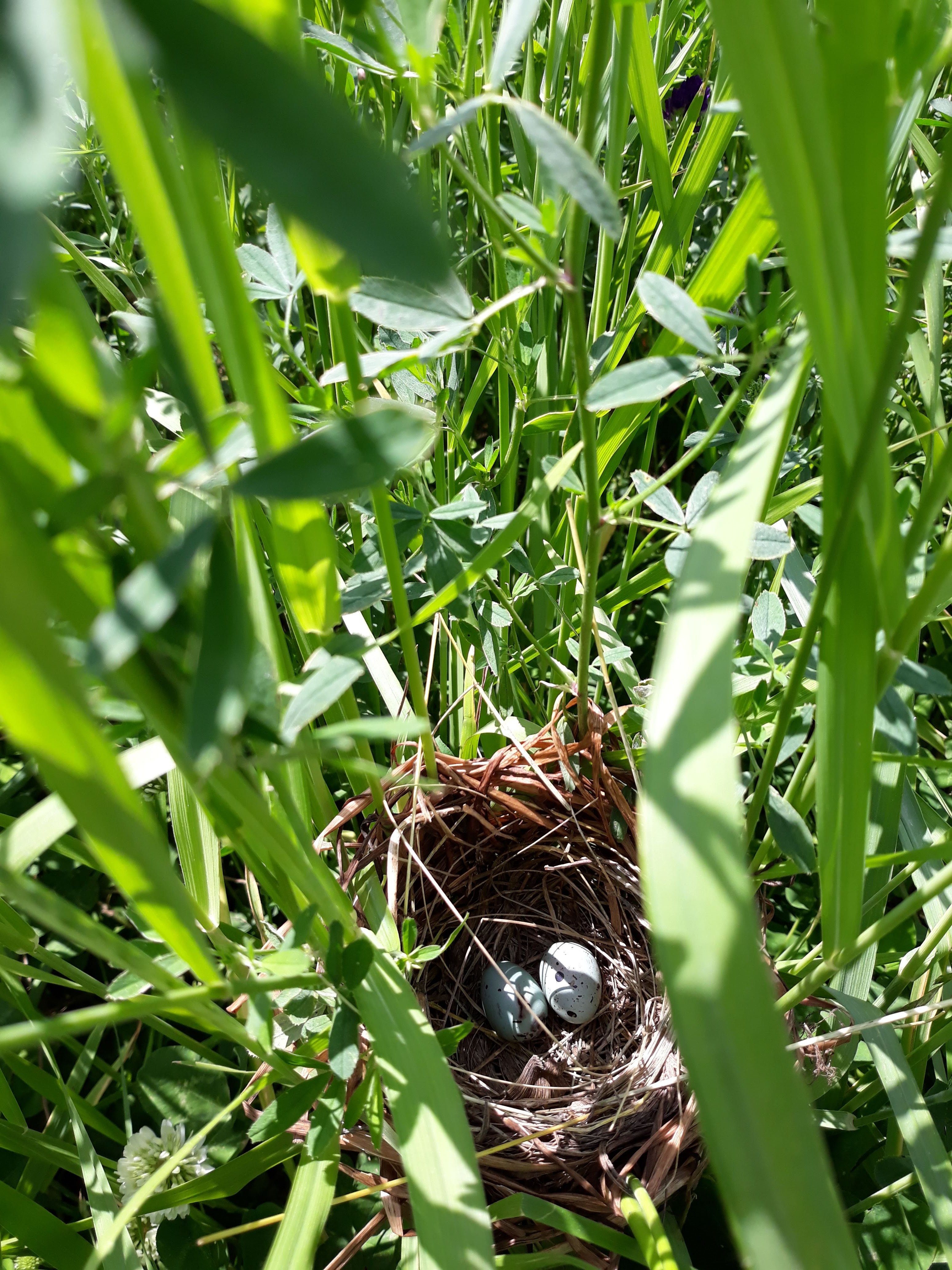
Forage crops, especially perennials, provide a habitat for game or non-game birds, a cover, a place to nest their eggs, and a food source. Forage crops also provide habitat to beneficial insects like pollinators or natural enemies of insect pests. With forage fields being secluded and also providing cover for protection, other wildlife, such as deer, seek out these areas as ideal spots to give birth to their fawns. A drawback is that recently birthed fawns may get caught in machinery if the field is being harvested.
Waterway Buffers
Waterway buffers are used to catch runoff sediments and nutrients, protecting the body of water next to it from pollution and keeping soil and nutrients in the farmers’ field. Buffers also help slow down the movement of water during flooding events. Specific perennial forage species that can tolerate wet conditions are recommended to be used as waterway buffers. Species such as Reed canarygrass, Red and White clover and Timothy are some examples. The benefit of using forages as waterway buffers is that they can potentially be harvested as well and used as feed, although that may require more time, labor, and a well-thought-out management plan.
Phosphorus Drawdown
The drawdown of phosphorus is a slow, long-term process of reduction of high phosphorus levels in the soil through crop uptake. It is a useful strategy to reduce phosphorus losses to nearby bodies of water. Reducing phosphorus losses is important, especially in areas like the Western Lake Erie Basin, because it helps reduce harmful algal blooms that are present in the lake. Due to potential high yield and almost complete removal of herbage, perennial grass forages and alfalfa harvested as hay or haylage are examples of crops that are able to slowly remove phosphorus over time.
Additional Resources
An Introduction to Regenerative Field Crop and Grazing Systems
Harmful Algal Blooms in Western Lake Erie
Pasture Walks are a great way to spend an evening
Planting a Grass Riparian Buffer With Hay Production Potential
Recommended Hay and Pasture Forages for Michigan