Hemp dogbane – Apocynum cannabinum
 Print
Print Email
EmailApocynum cannabinum L.
Apocynaceae (Dogbane family)
MI Status
Native
Life cycle
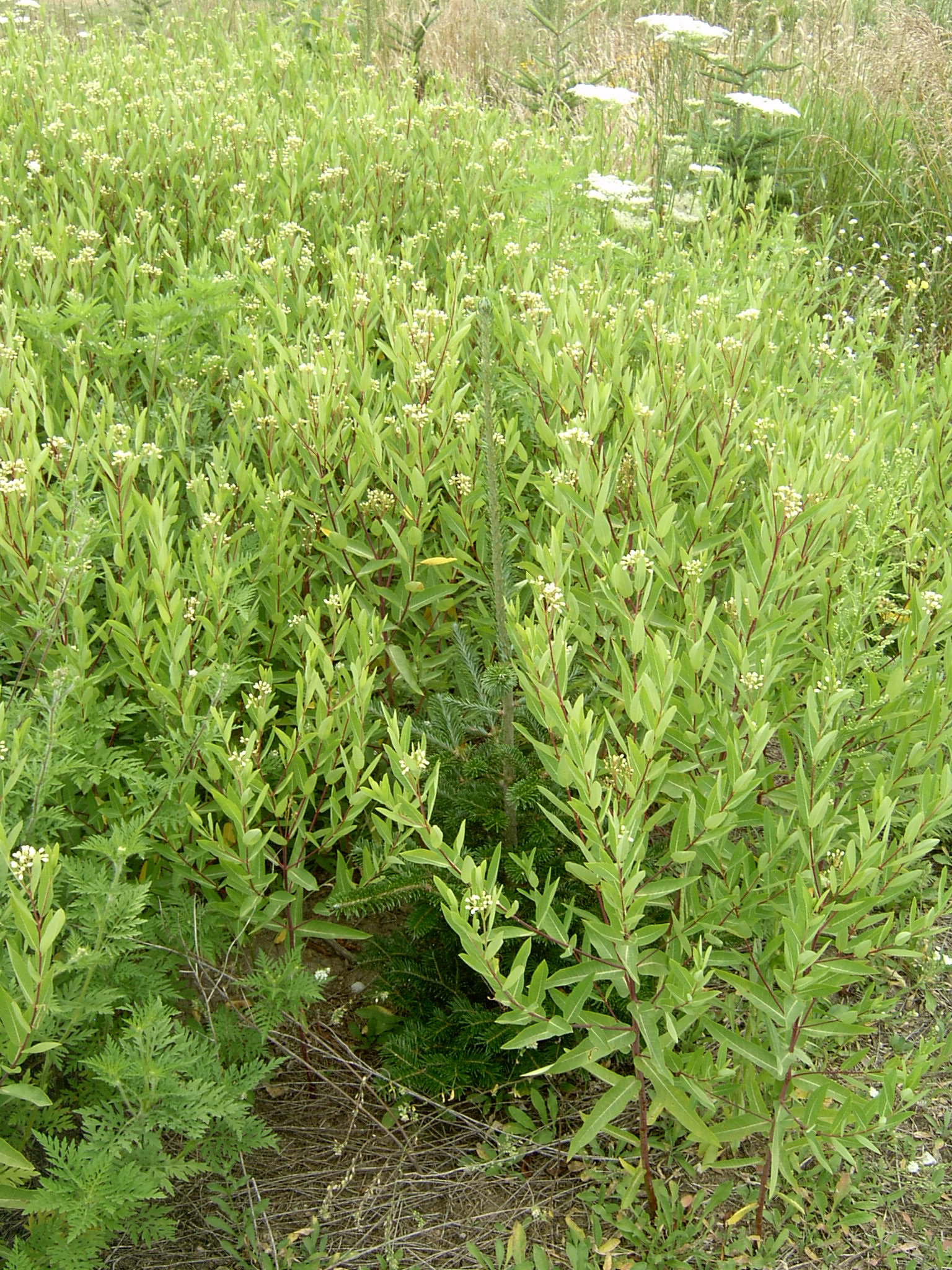
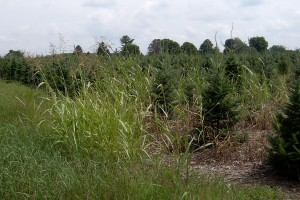
Erect, patch-forming perennial.
Leaves
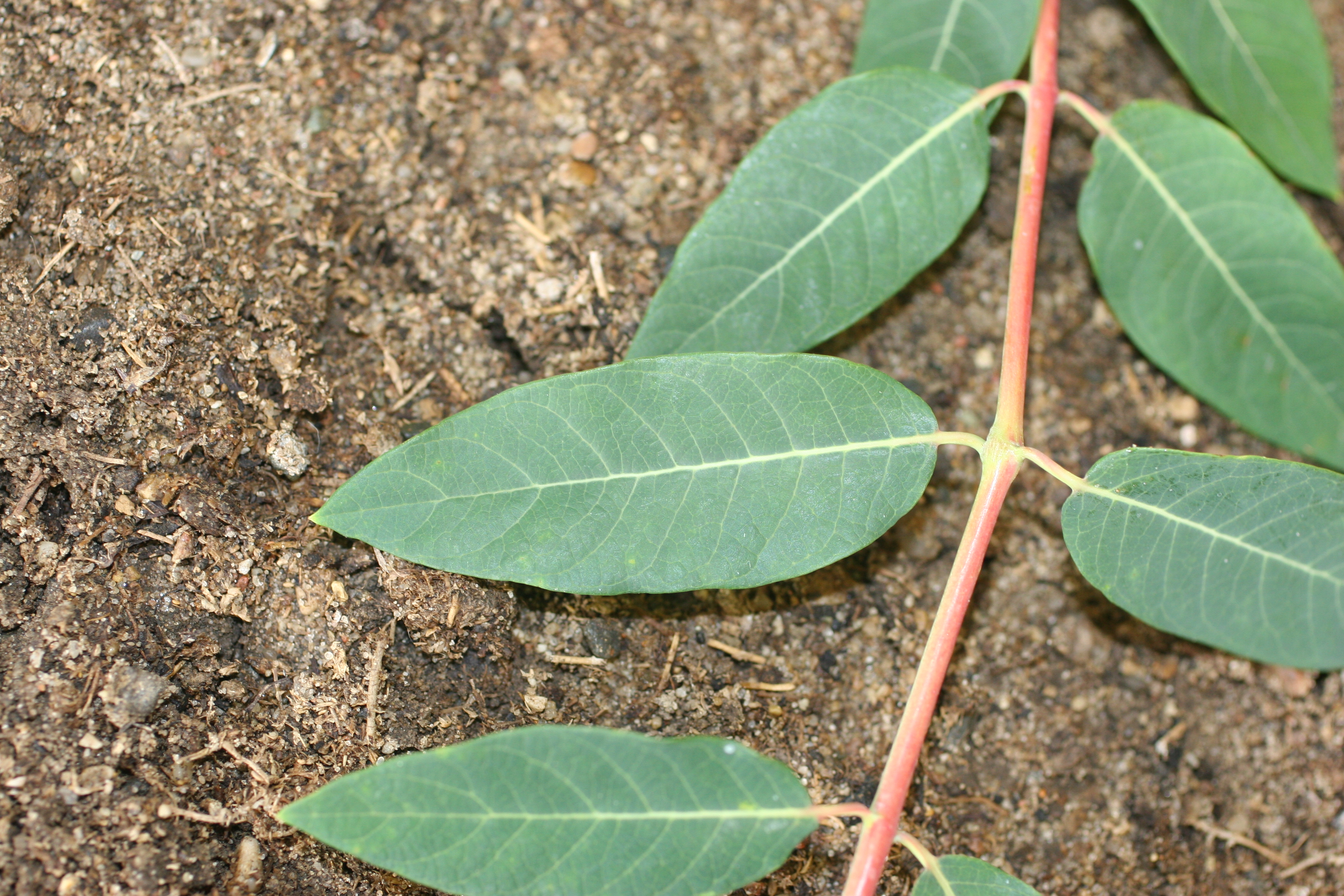
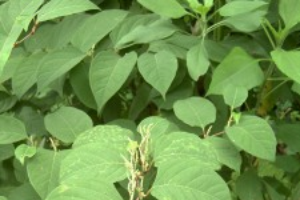
Opposite, narrow oval to egg-shaped, 2 to 5 inches long with smooth margins. The upper leaf surface is usually pale to bluish green and smooth; the lower leaf surface may be sparsely hairy. Leaves are smaller than those of common milkweed and exude a milky sap when damaged.
Stems
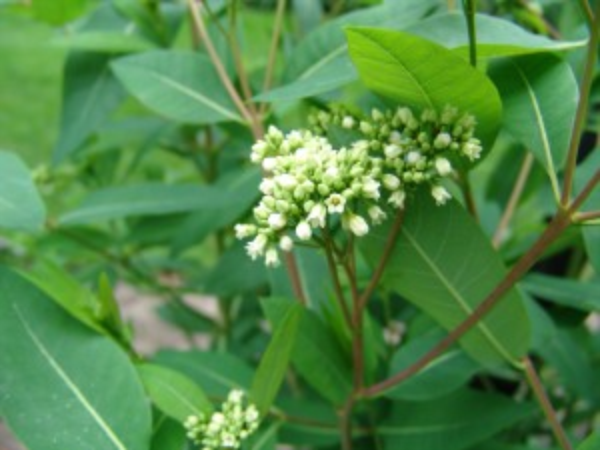
Erect, up to 6-foot-tall, slender, hairless, reddish stems are herbaceous and multibranched at the top and semiwoody at the base. Stems exude a milky sap when damaged.
Flowers and fruit
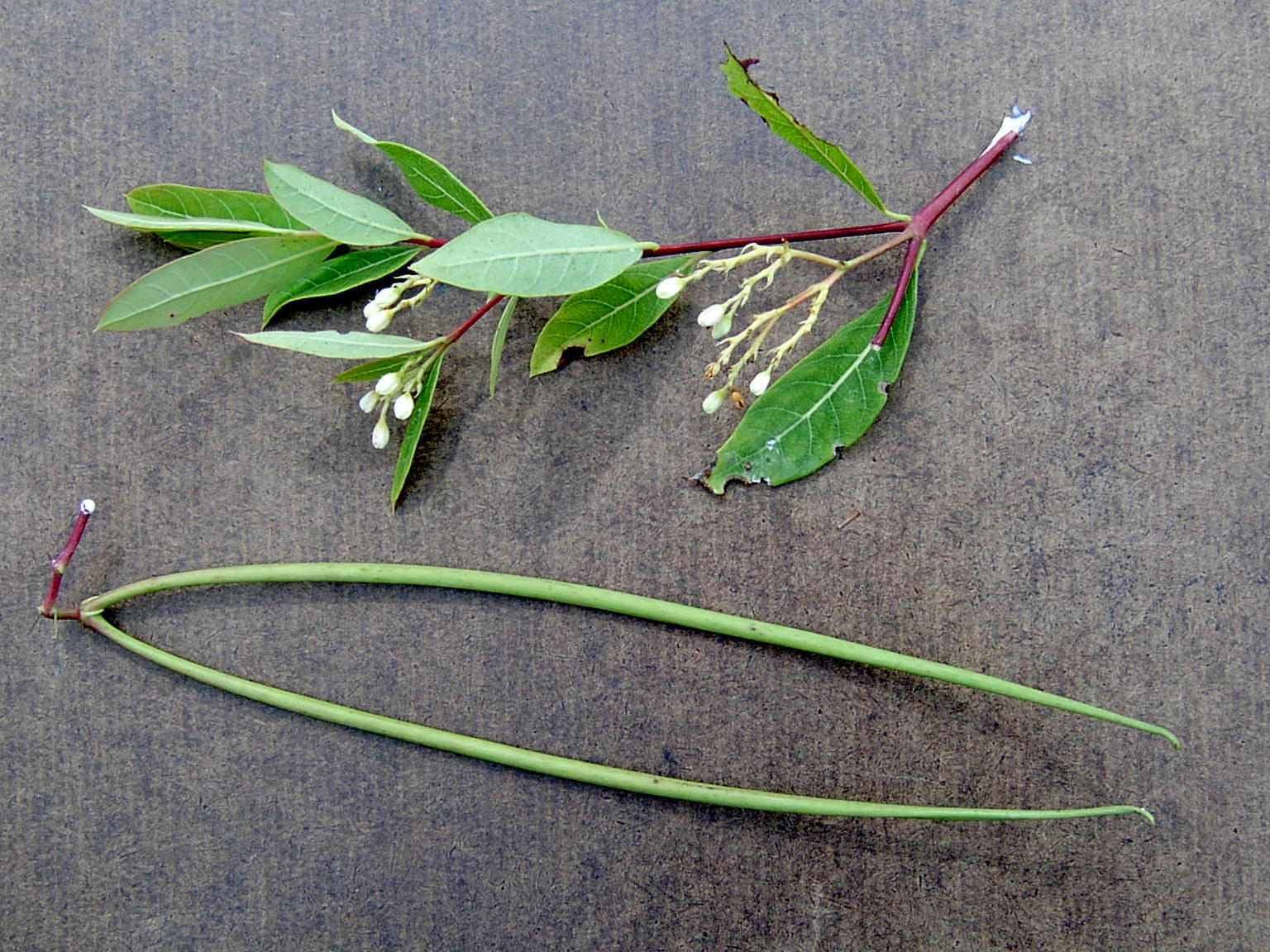
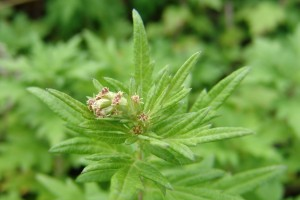
Small, white to greenish white, bell-shaped flowers are found in flat- to round-topped clusters. Fruit are 4- to 8-inch-long, narrow, reddish brown, sickle-shaped
capsules that usually occur in pairs. Pods split open at maturity to release small, spindle-shaped seeds, each with a tuft of long, silky hairs that aid in wind dissemination.
Reproduction
Seeds, creeping roots and rhizomes.