


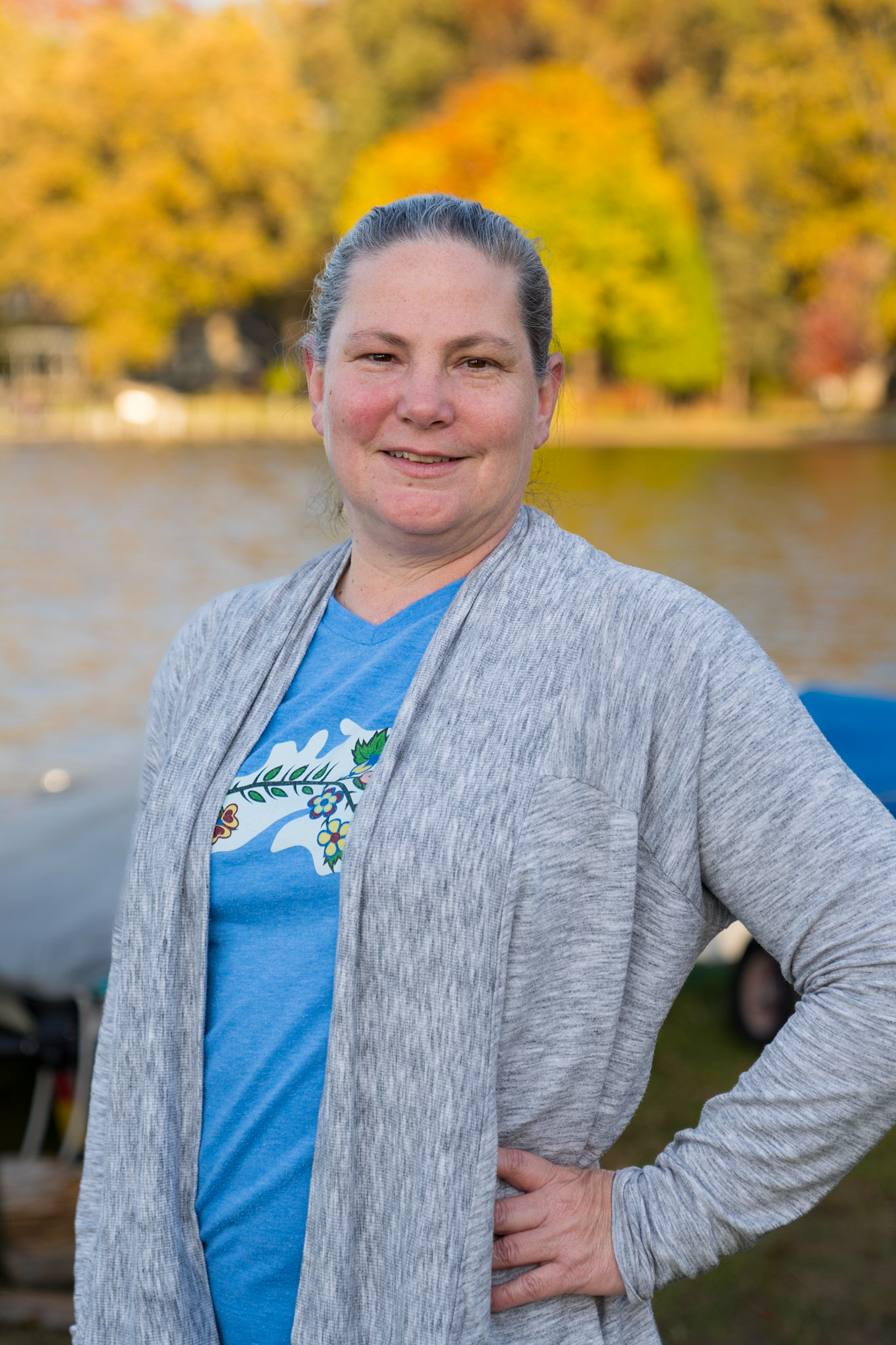
Jessica Barnes-Najor
Jessica Barnes-Najor is a developmental psychologist who focuses on engaging community partners in the research process. Barnes-Najor is a co-investigator for the Tribal Early Childhood Research Center, partnering with Indigenous communities across the continental United States to address community-defined research topics in early childhood education. Barnes-Najor is also a co-PI of Wiba Anung, an early childhood research collaborative of partners representing seven Michigan tribes. The research conducted by Barnes-Najor focuses on examining (1) the influence of Native language and cultural experiences on children’s development and (2) the cultural alignment of early childhood education and care theories and research methods. Since 2020, their work has woven Indigenous foods into early childhood education.
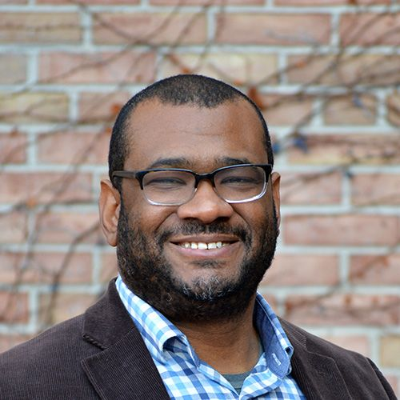
Jahi Chappell
M. Jahi Johnson-Chappell is a scholar, organizer, son of social workers, and grandson of Michigan farmers. He is the Director of the Center for Regional Food Systems and a Professor in the Department of Community Sustainability at Michigan State University, where he additionally holds the W.K. Kellogg Foundation Endowed Chair for Food, Society, and Sustainability. Over the past 22 years, Jahi has researched and advocated at international, national, and local levels for participatory, socially just, and ecologically sustainable agrifood systems that center the voices of farmers, laborers, and the communities they serve. His work has been covered in The New York Times, The Baffler, The Intercept, The Counter, La Jornada (Mexico), Associated Press Wire, and Vice.
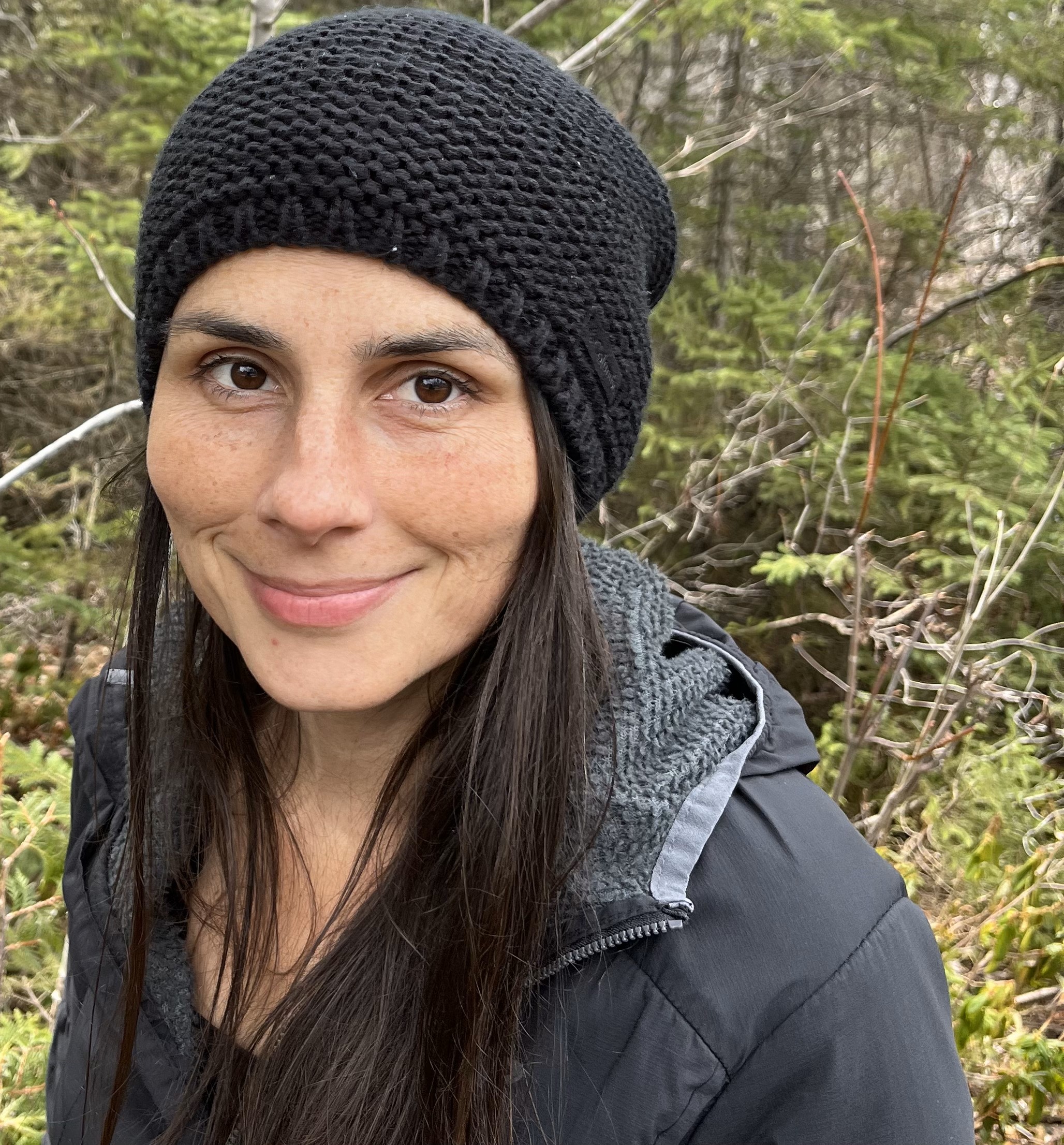 Robin Clark
Michigiizhigookwe (Robin Clark) is an Ojibwe researcher and practitioner, who works with Anishinaabe and Western knowledge systems to advance community-driven ecological stewardship and health equity. She is passionate about learning from and supporting good relations with plants, animals, and our other relatives - and co-creating knowledge, policy, and tools that are actionable toward these ends. Michigiizhigookwe is a member of the Sault Ste. Marie Tribe of Chippewa Indians and lives with her family in Baawiting. She earned a Master’s from Michigan State University and a doctorate in Forest Science from Michigan Technological University. Michigiizhigookwe is the founding owner of Megwayaak, LLC, an Ojibwe ecology research and restoration firm.
 Daniel Cornelius
Daniel Cornelius, member of the Oneida Nation of Wisconsin, is the Outreach Program Manager at the Great Lakes Indigenous Law Center in the UW Law School, where he holds a joint staff appointment in UW-Madison’s College of Agriculture and Life Sciences. He earned his J.D. from the University of Wisconsin Law School. For seven years, Dan worked with the Intertribal Agriculture Council in partnership with the US Department of Agriculture. His work centers on Native agriculture and food systems development, improved Tribal access to USDA programs in conservation, value-added production, and infrastructure, and the expansion of intertribal trade and commerce. He also serves as an elected judge of the Oneida Nation’s Court of Appeals.
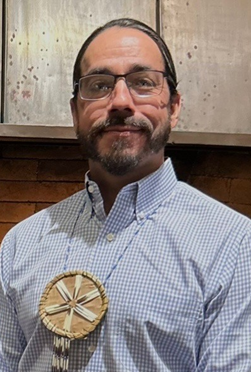 Douglas W. Craven
Douglas W. Craven feels that effective management of natural resources involves understanding human dynamics as much as natural systems. He is committed to the natural resource community of Michigan and has been on various boards/committees including the Great Lakes Leadership Academy Board, 2011 MSU Environmental and Natural Resource Governance Fellow, Getting Kids Outdoors Emmet County, Great Lakes Fishery Trust Board (current), Pellston Planning Commission (current). He has over 20 years of private and public experience in natural resources, has a dual degree in Natural Resource Management and Environmental Studies from Western Michigan University, is a father, dedicated community member and avid outdoorsman who appreciates exercising Tribal Treaty Rights and continuing Tribal traditions with his children and family.
Kaya DeerInWater
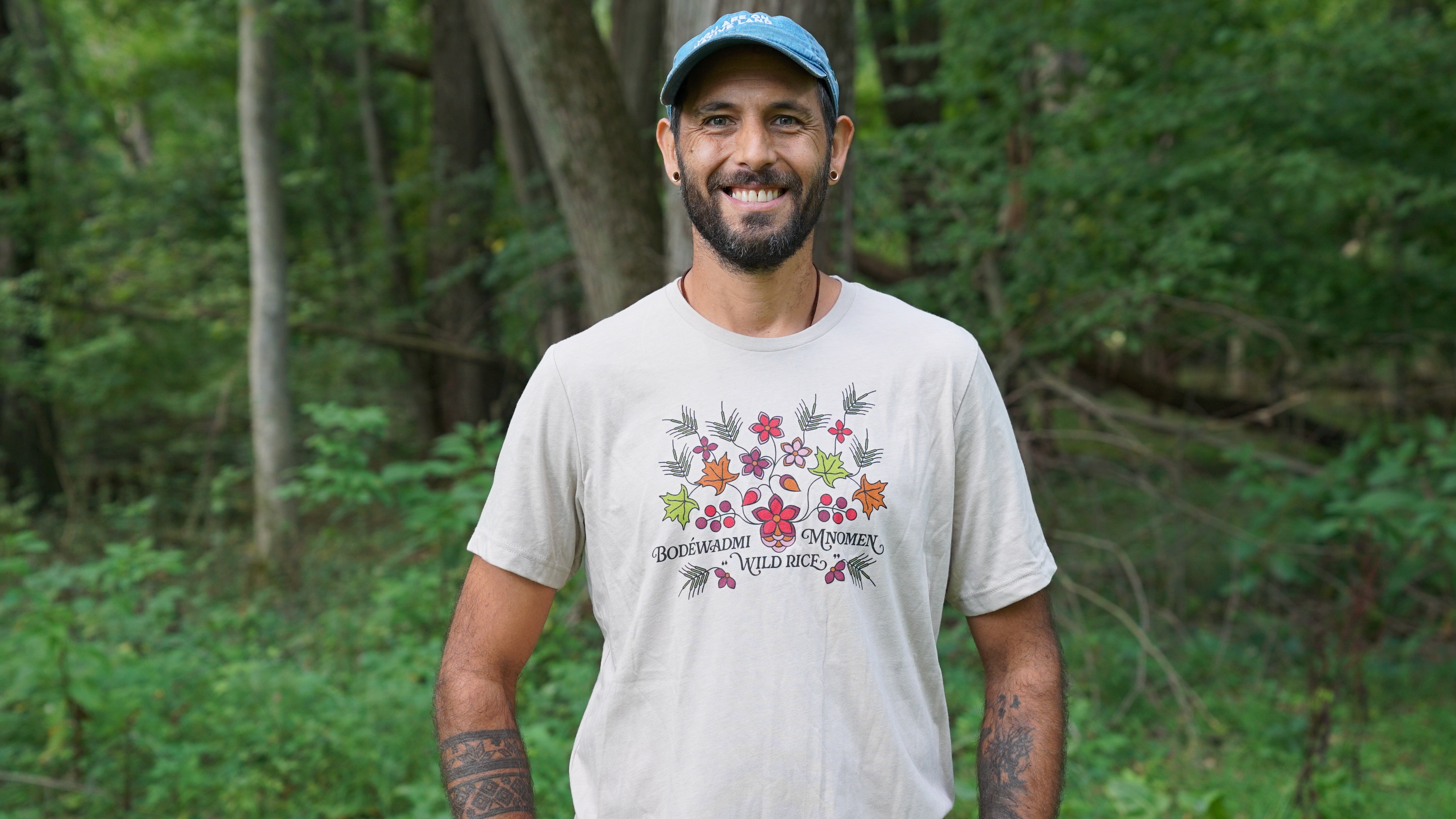
Kaya DeerInWater is from the Citizen Band of Potawatomi and lives in Wasëtenak (Grand Rapids, Michigan) with his wife and three children. He is the Biocultural Restoration Specialist and Plant Ecologist for the American Indian Higher Education Consortium, where he works to support TCUs and tribal communities in the simultaneous restoration of land and culture, such that the ecosystem services contribute to cultural revitalization and the rekindling of culture strengthens ecological integrity. He strives to support Native communities in developing relationships with plants and the land through reconnection with place-based Indigenous knowledge of culturally significant plants.
 Angela Ferguson
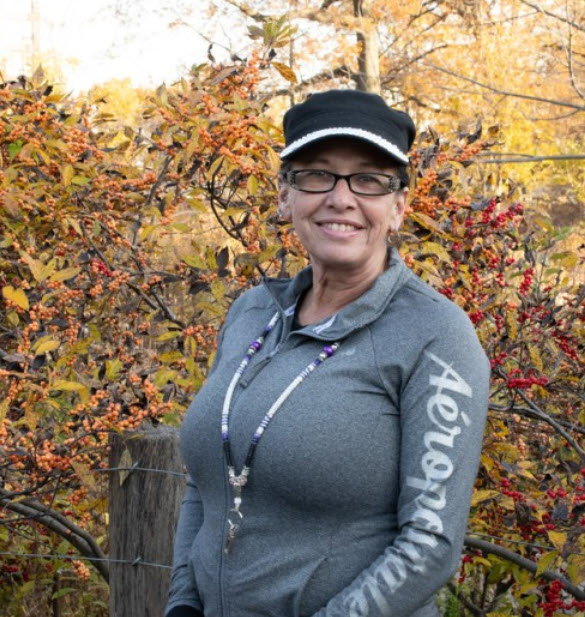
Angela Ferguson is a member of the Onondaga Nation (Eel Clan) and supervisor of the Onondaga Nation Farm, which she helped establish in 2016 under the direction of the Onondaga Nation Council of Chiefs. A leader in the Indigenous food sovereignty movement, Ferguson grows and distributes traditional foods for her community using Haudenosaunee agricultural practices including controlled burning, no-till farming, crop rotation, and companion planting. She manages 163 acres and grows nine to thirteen varieties of corn each season. Ferguson is a member of Braiding the Sacred, a grassroots network of Indigenous corn growers focused on rebuilding relationships between Nations and rematriating ancestral seeds to their home communities. Through Braiding the Sacred, she helps steward a collection of over a thousand ancestral seed varieties, some up to 4,000 years old. Ferguson also serves as an advisor to Brooklyn Botanic Garden’s Interpretation team on Indigenous foodways and food sovereignty.
 Robert Hart
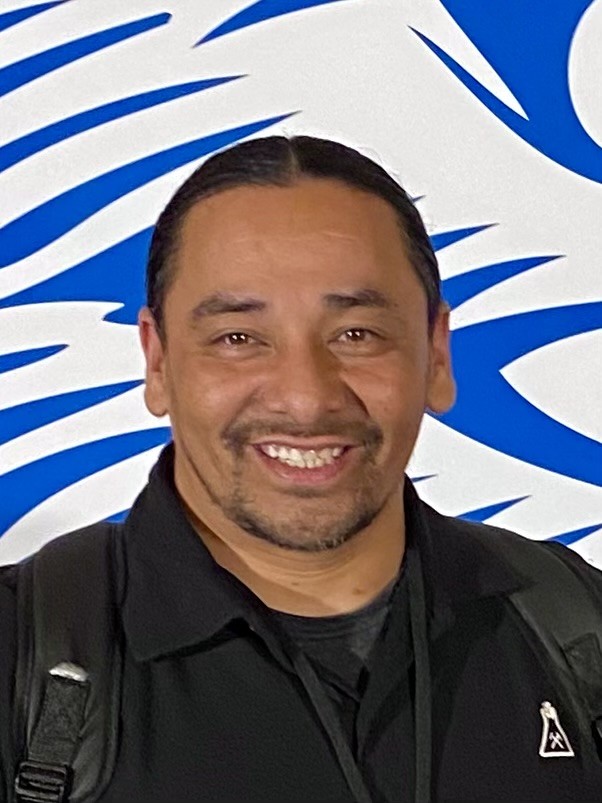
Robert “Bobby” Hart is a Native American entrepreneur and founder of LIDAR Drone Services, a Native-owned company specializing in drone-based thermography, LiDAR mapping, and aerial data collection for energy and infrastructure projects across the United States. A member of the Saginaw Chippewa Indian Tribe and Ho-Chunk Nation, Bobby has built his career at the intersection of technology, land stewardship, and Indigenous leadership. He is also a speaker and author focused on advancing professional standards in drone thermography and helping organizations use aerial data to make better decisions about land and infrastructure.
 Amy McCoy
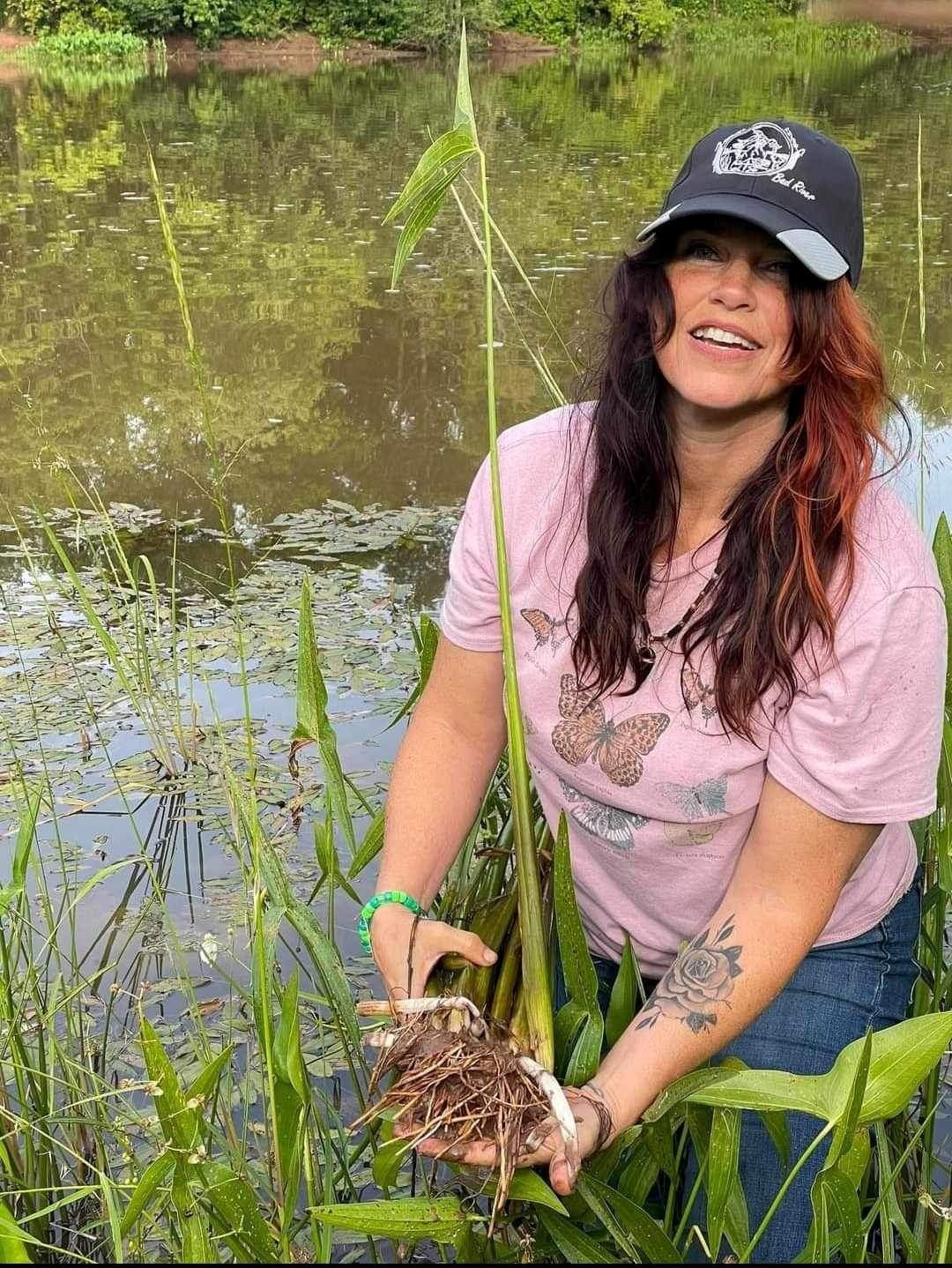
Aamookwe, Amy McCoy, is Anishinaabe Science and Food Sovereignty Educator for Bay Mills Community College’s (BMCC) Waishkey Bay Farm and Adjunct Ojibwe and Native Studies Faculty. She creates and teaches interdisciplinary Ojibwe language curriculum through Food Sovereignty and holistic wellness. Her Indigenous language, land, and art based doctoral research centers in relationality with other than human relatives through time, space, and Baawiting tethered Anishinaabemowin. She is the author of the Indigenous pedagogical framework for teachers: Anishinaabe Nandagikenjigewin miinawaa Eshandizoyang: An Experiential Introduction to Anishinaabe Science and Food Sovereignty (created with SARE support). She is currently engaged in the pilot evaluation of the Anishinaabe Holistic Wellness & Anishinaabemowin curriculum she wrote for BMCC. She also has a small organic Rez farm Miikoging where she is led by Anishinaabemowin, which she refers to as Ojibwemowin Nitam, and the spirit of mandaamin, corn.
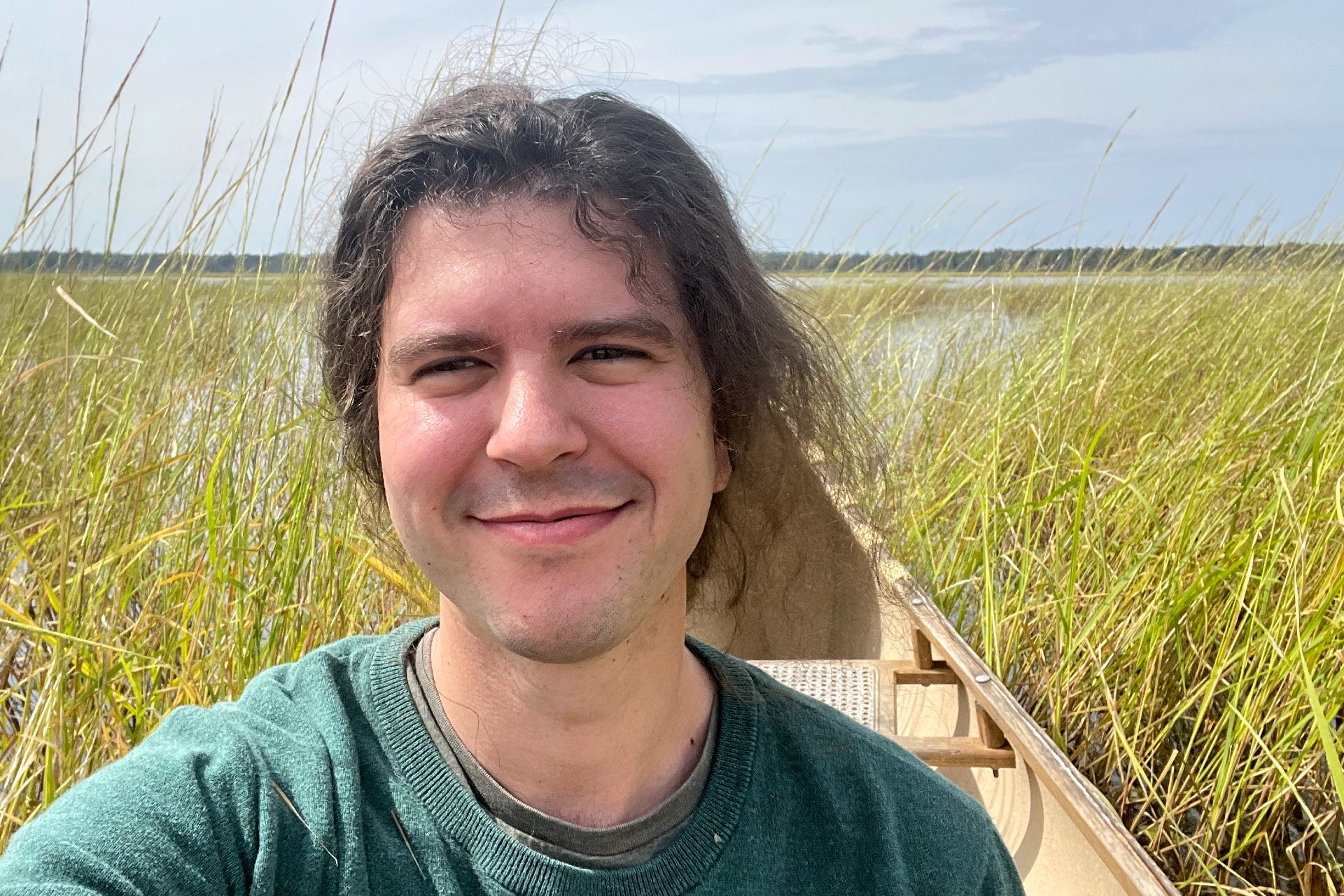 Elan Pochedley
Elan Pochedley is the 1855 Professor of Great Lakes Anishinaabe Knowledge in MSU’s Department of Religious Studies and affiliate faculty in American Indian and Indigenous Studies. He is the 2025–26 NCAIS Faculty Fellow at the Newberry Library. Author of Restoring Indigenous Place Names and with a second book, Neshnabé Geographies in progress, both of which focus on Bodéwadmi and Ojibwe knowledge, ecological relationships, environmental histories and ethics. He is Neshnabé/Bodéwadmi and a Citizen Potawatomi Nation citizen. His research examines Native peoples’ historic environmental relationships, interventions, and practices throughout the Great Lakes region.
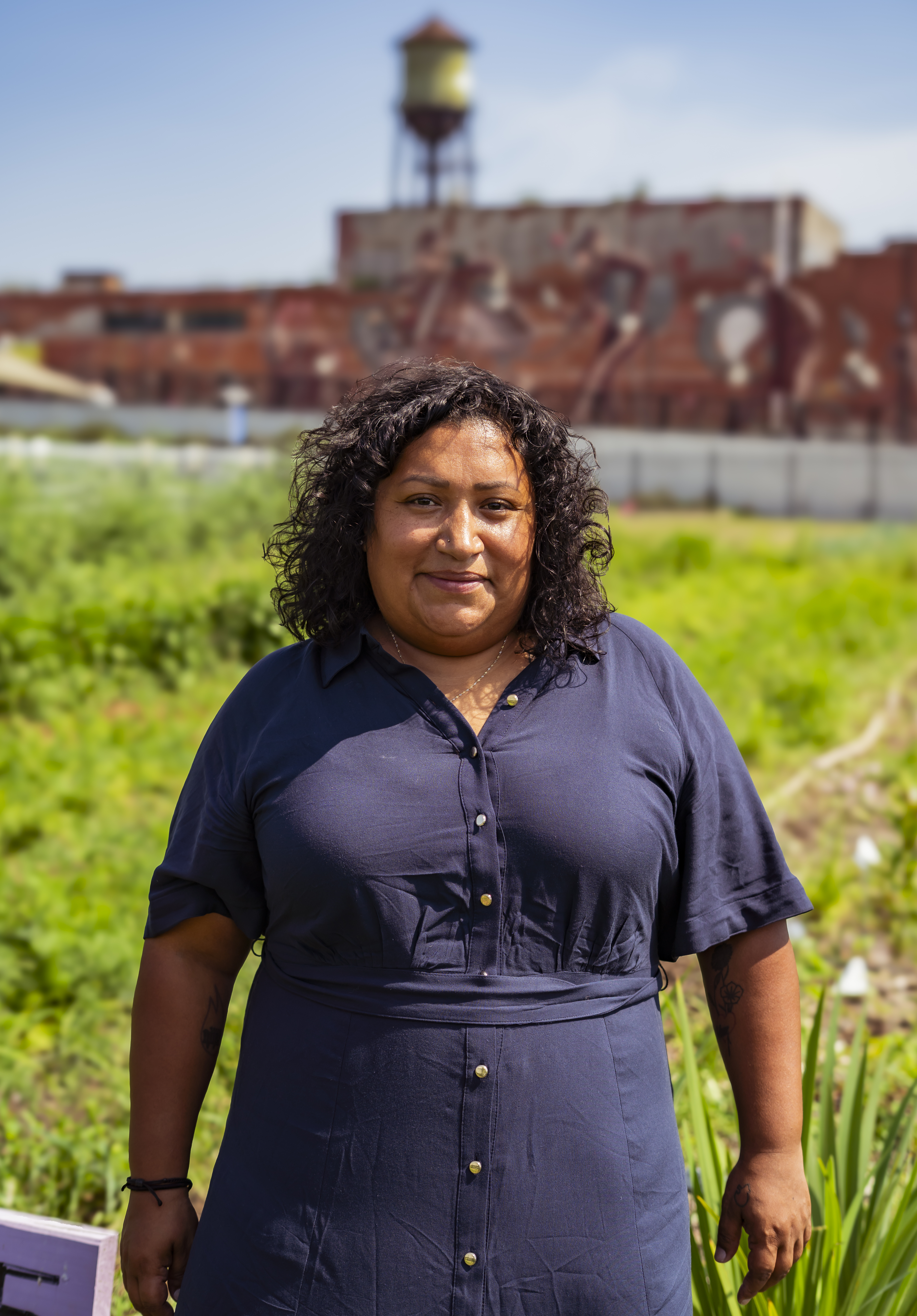 Rosebud Bear Schneider
Rosebud Bear Schneider, Anishinaabe (LCO/LDF) is a farmer, food producer, Indigenous food educator and community organizer. Over the last 15 years she has served as a breastfeeding educator and community health worker and then as a farmer and nutrition educator with food sovereignty projects in Detroit and
Northern Michigan. Rosebud also works with the Wiba Anung team, a collaborative partnership between Michigan State University and the Inter-Tribal Council of Michigan to support the health and well-being of indigenous children and families in Michigan. Rosebud is the codirector of Education and Engagement at Keep Growing Detroit, a non-profit urban farm with the mission to cultivate a food sovereign city where the majority
of produce consumed by Detroiters are grown in Detroit by Detroiters.
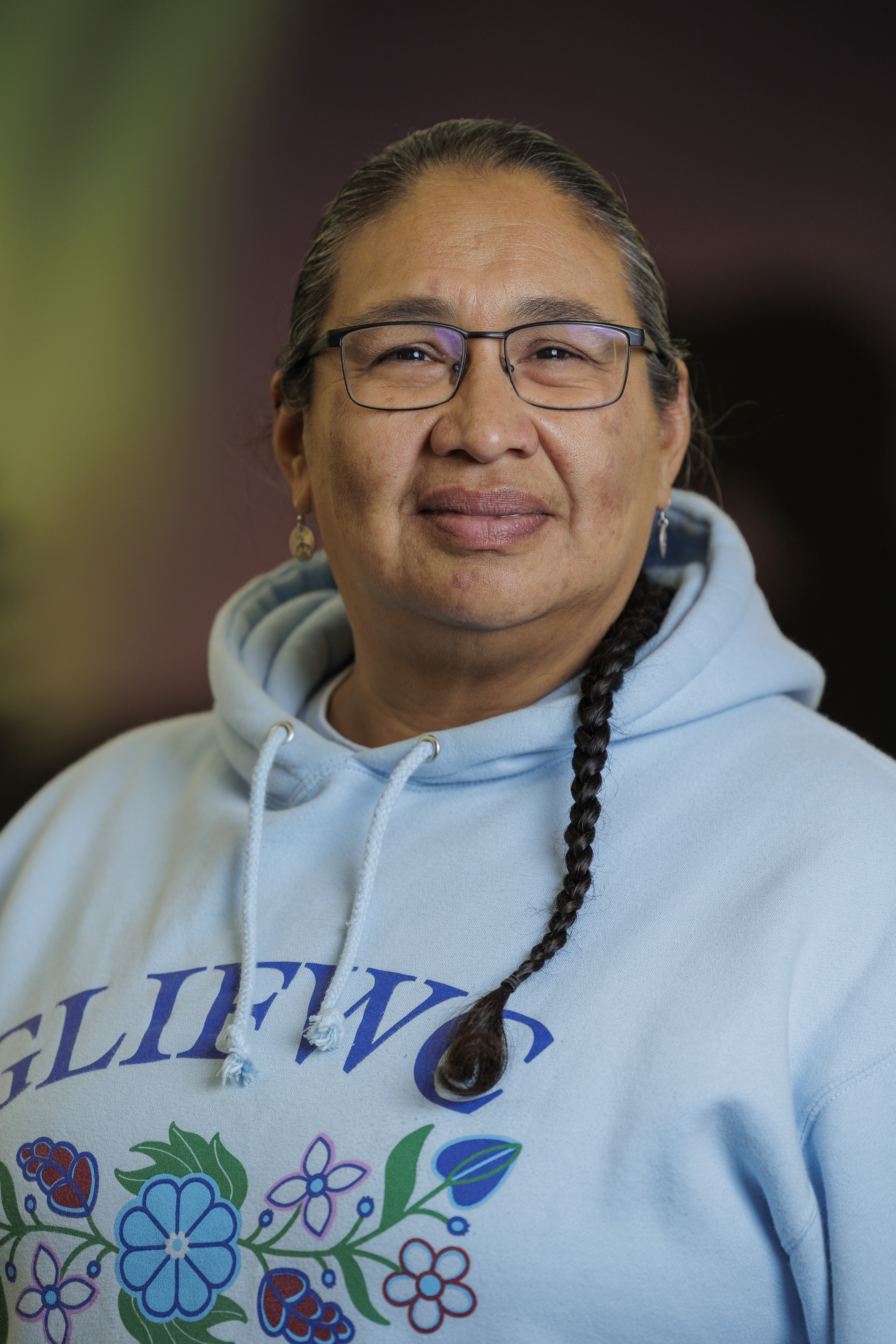 Kathleen Smith
Kathleen Smith is an enrolled member of the Keweenaw Bay Indian Community in Michigan’s Upper Peninsula. She works in the Division of Biological Services at the Great Lakes Indian Fish and Wildlife Commission as Genawendang Manoomin—“She who takes care of the wild rice.” She implements GLIFWC’s wild rice stewardship plan, works with 11 member tribes, supports treaty rights, and blends traditional and modern knowledge to advocate for the nations.
 Rebecca Webster
Rebecca M. Webster is an enrolled citizen of the Oneida Nation in Wisconsin and serves as Director of Graduate Studies and Associate Professor in the American Indian Studies Department at the University of Minnesota Duluth, where she teaches in the Tribal Administration and Governance programs. Before joining UMD, she served the Oneida Nation as an attorney for 13 years, advising the Nation’s administration on government relations, jurisdiction, and tribal land issues. Her scholarship focuses on Indigenous governance, sovereignty, and the impacts of colonization on traditional governing structures, language, history, and agriculture, and includes books such as In Defense of Sovereignty: Protecting the Oneida Nation's Inherent Right to Self-Determination and Our Precious Corn: Yukwanénste. Dr. Webster is also the editor of the Tribal Administration Handbook and the forthcoming book Seeds of Tomorrow: Nurturing Roots of Oneida Governance. In addition to her academic work, she serves as Executive Director of Ukwakhwa, a nonprofit rooted in her family’s 15-acre Oneida farmstead dedicated to teaching Indigenous foodways, seed keeping, and land-based education.
Kyle Whyte
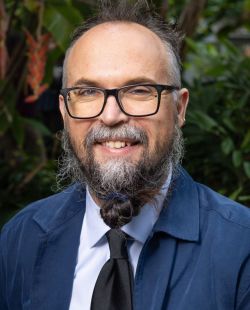
Kyle is a faculty member at Michigan where he is George Willis Pack Professor in the School for Environment and Sustainability and University Diversity and Social Transformation Professor. On campus, Kyle teaches in and coordinates the School’s environmental justice graduate specialization. He is founding Faculty Director of the Tishman Center for Social Justice and the Environment, Principal Investigator of the Environmental Justice + Humanities Hub, co-Principal Investigator of the Global Center for Climate Change and Transboundary Waters, Faculty Associate of Native American Studies, Principal Investigator of the Secretariat for the Pathways Alliance for Change and Transformation, STRIDE Committee member, affiliate Professor of Philosophy, and Senior Fellow in the Michigan Society of Fellows.
 |
 |
 |
 Print
Print Email
Email