Best practices for grocery store sampling: Turning a first taste into repeat sales
 Print
Print Email
EmailTips for food businesses on grocery store sampling from the MSU Product Center.
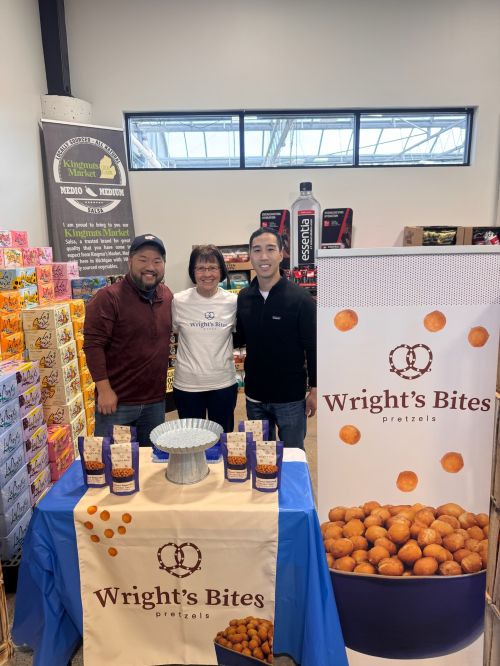
For food and beverage entrepreneurs, few marketing tools are as powerful as in-store sampling. Offering customers a taste of your product at the point of purchase can significantly boost brand awareness, build trust and increase immediate sales. In fact, research consistently shows that consumers are far more likely to purchase a product after trying it firsthand.
Successful sampling goes far beyond simply handing out free product. To protect your brand, maintain compliance with food safety regulations and maximize your return on investment, it is important to follow proven best practices.
Prioritize food safety and compliance
In Michigan, food sampling in grocery stores is regulated by the Michigan Department of Agriculture and Rural Development (MDARD), and guidelines are rooted in the Food Code. These standards emphasize preventing foodborne illness through proper hygiene, temperature control and contamination prevention. Guidelines for providing safe food samples from MDARD can be found on MDARD’s website.
Key considerations
Maintain proper temperatures
Keep hot foods at 135 degrees Fahrenheit or above and cold foods at 41 F or below.
Minimize handling
Use toothpicks, sample cups or other single-use utensils to avoid direct hand contact.
Prepare samples in approved facilities
Prepare pre-packaged, single-serving samples in a licensed commercial kitchen.
Prevent cross-contamination
Use clean utensils, replace them regularly and keep samples covered until served.
While sample units themselves are exempt from full labeling, the complete product packaging (with full ingredient and allergen information) must be available to consumers to review.
Coordinate with the retailer
Each grocery store has its own policies for in-store demos. Before scheduling a sampling event:
- Confirm store approval and scheduling requirements
- Understand any insurance or staffing expectations
- Ensure you have adequate product inventory on the shelf during the demo
Positioning your sampling station near your product display is especially important. Shoppers are much more likely to convert to a purchase when the item is within easy reach when sampling.
Equally important is the person behind the table. Whether you or a trained staff member is conducting the demo, they should be able to clearly explain:
- What makes your product unique
- Key ingredients or sourcing stories
- Pricing and where to find the product in-store
Sampling is not just about taste, it’s about storytelling and connection.
Plan for impact and measurement
To make the most of your sampling investment:
- Schedule demos during high-traffic times, such as weekends or peak shopping hours
- Track basic metrics such as product movement, sales during the event and customer feedback
- Consider pairing sampling with a limited-time promotion or coupon
Sampling works best when it is intentional and measurable. Businesses that track results can refine their approach and improve performance over time.
Leverage MSU Product Center support
Michigan entrepreneurs don’t have to navigate sampling and broader product commercialization alone. The Michigan State University Product Center, through MSU Extension, provides expert guidance to help food and beverage businesses grow, from refining product concepts to developing effective marketing strategies. MSU Extension also emphasizes that while sampling can increase sales, it must always be conducted with strict attention to food safety and regulatory compliance.
When executed properly, in-store sampling is one of the most effective ways to win over new customers and build long-term brand loyalty. By combining strong food safety practices, thoughtful planning and engaging storytelling, Michigan food and beverage businesses can turn a simple taste into a lasting customer relationship.