Exercise matters, even when you work hard
 Print
 Email
Does farm work count as exercise?
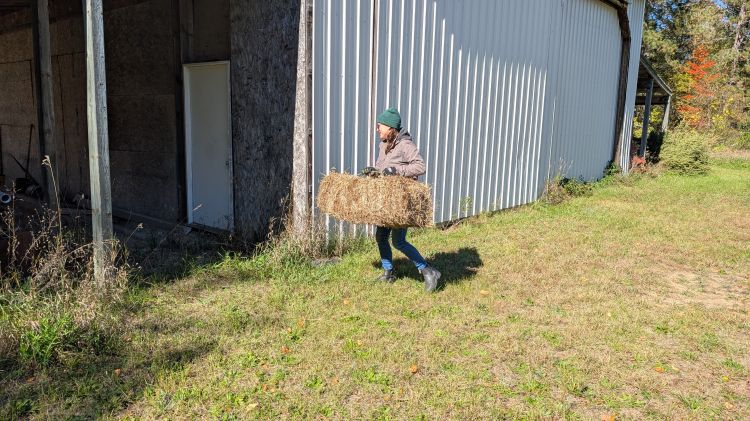
When you work hard every day, who has time for exercise? Why spend extra time exercising when physical work is part of your daily routine?
Farm work, gardening, stacking firewood and other outdoor chores keep you moving and provide important health benefits, but the physical activities that we do to accomplish daily chores are different from exercise and physical fitness.
Exercise is “a form of physical activity that is planned, structured, repetitive and performed with the goal of improving health or fitness. All exercise is physical activity, but not all physical activity is exercise,” according to the Physical Activity Guidelines for Americans. Even if you stay active through farm work and chores, adding intentional exercise can help improve strength, endurance, balance and overall health. How and when you do it is up to you, but the goal is not to add more work; it is to complement the physical activity you’re already doing by focusing on areas that those daily tasks and chores neglect.
The Physical Activity Guidelines for Americans also suggest that most adults exercise moderately for 30 minutes a day, five days per week, as well as strengthening exercises twice per week. Fortunately, many farmers already spend many hours being physically active, which may help them meet or exceed this recommendation, but being active and being physically fit aren’t always the same thing. Daily tasks are often repetitive and place heavy demands on some muscle groups and joints while entirely missing others.
Remember, we are talking about the missing pieces of farm fitness. Since many tasks are labor-intensive and repetitive, we want to make sure we are complementing them properly with exercise. Farm work often requires bending, reaching, twisting, crouching and gripping. Counteract those repetitive motions by doing exercises that strengthen your other underused muscle groups and move in different directions to help balance your body’s workload.
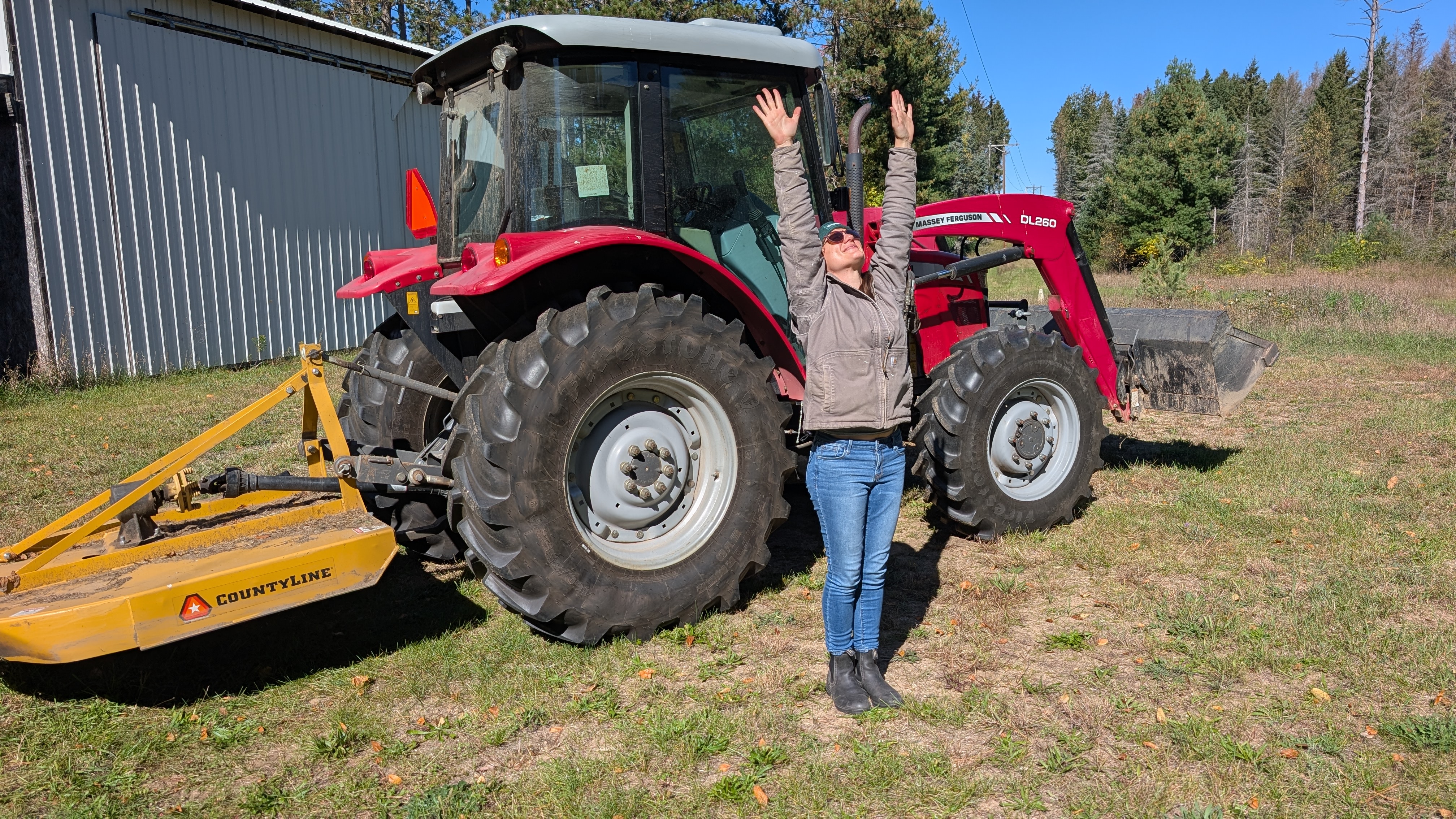
For any movement, remember to stay in your comfort zone. Stretch the areas that then become tight, like the shoulders, hips, hamstrings, lower back and forearms. Greet the day by opening your arms big and wide, over your shoulders and taking a few deep breaths as you bring your arms and hands in and out. Scan the body from your toes to the top of your head, moving all the joints — toes, ankles, knees, hips, spine, shoulders, elbows, wrists and fingers. Try circles one way and then the other, or move laterally, expressing your full range of motion. Make sure every joint has a chance to wake up. Maintaining flexibility may improve comfort during daily activities and help support functional movement.
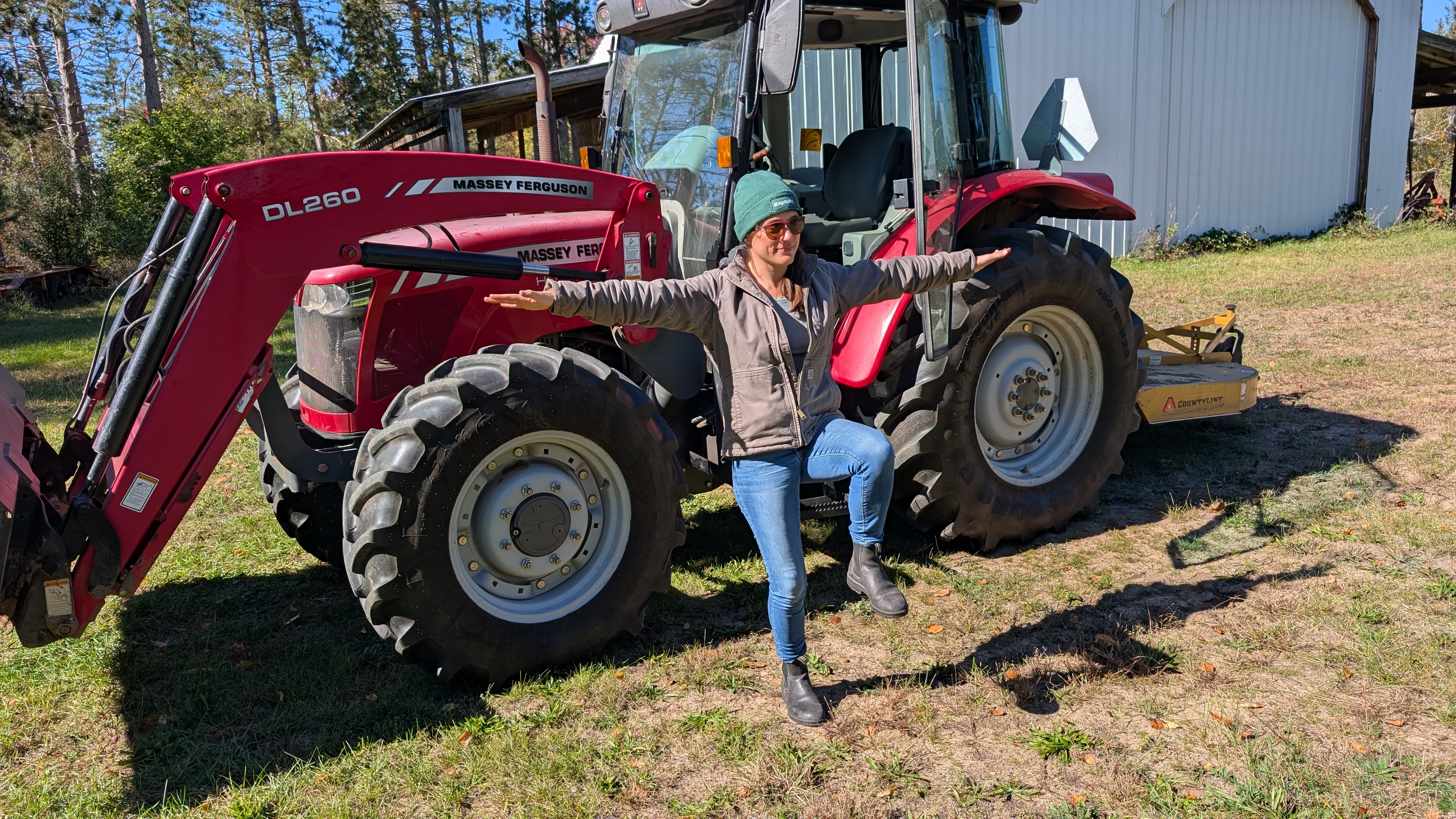
Balance can be compromised with age, and it is especially important to maintain balance so you can continue safely walking on uneven ground, get into equipment, climb ladders or work around livestock. Just standing on one foot, keeping weight evenly distributed and not sinking into the hip, and counting to five or 10 is a simple yet effective balance exercise that can be done as often as you like. If you feel unsteady, hold a sturdy chair, countertop, fence or farm equipment while you practice. Other activities that can help improve balance include learning tai chi, yoga, or heel to toe walking a few times per day.
While you are probably already doing cardio through your farm work, you may also want to occasionally try walking faster when heading back into the house to add a bit more aerobic activity before taking a break. While your heart rate and breathing should be elevated, you should still be able to have a conversation or recite something from memory while doing cardio. If you can’t, slow down and rest. Yard work, biking, dancing or swimming can all count as cardio, too.
However, there are two caveats to remember with all this talk of exercise. First, if you have chronic pain, exercise can still help maintain mobility, improve strength, reduce stiffness and support overall function — but you should confirm your routine with your healthcare provider first and always stay within your comfort zone. Also, if your body is actively sore from a recent long day of farm work, it is important to give it time to recover before starting or continuing any exercise routines. Mild muscle soreness can be normal when becoming more active but check with your healthcare provider if you have sharp, worsening, or persistent pain. Exercise can help keep your body working well for the long haul.
If you don’t like the idea of exercise, then what about family time? Setting up a weekly bike ride with a family member can help keep you accountable. Meet a friend to go on a walk or a hike at a local park. See if there are group options at your local library, community center, church or senior center. Many rural communities offer walking groups, fitness classes, educational programs and other opportunities to stay active while connecting with neighbors. Set achievable goals and incorporate new activities that you can commit to for at least a few weeks at a time and then add more time, movement or activities as you get more comfortable.
If being social doesn’t sound like a great fit for you, try an at-home exercise or chair yoga video online. Labor-Movement contains a page with short videos for corrective exercises specifically for farmers. A wonderful characteristic of yoga is that there are often modifications to make a pose easier or more difficult depending on your ability or how you feel that day — and only you and your pets will know what your poses look like. There are countless different exercise videos available online. If additional support would be helpful for you, explore MSU Extension food and health programs and referral options.
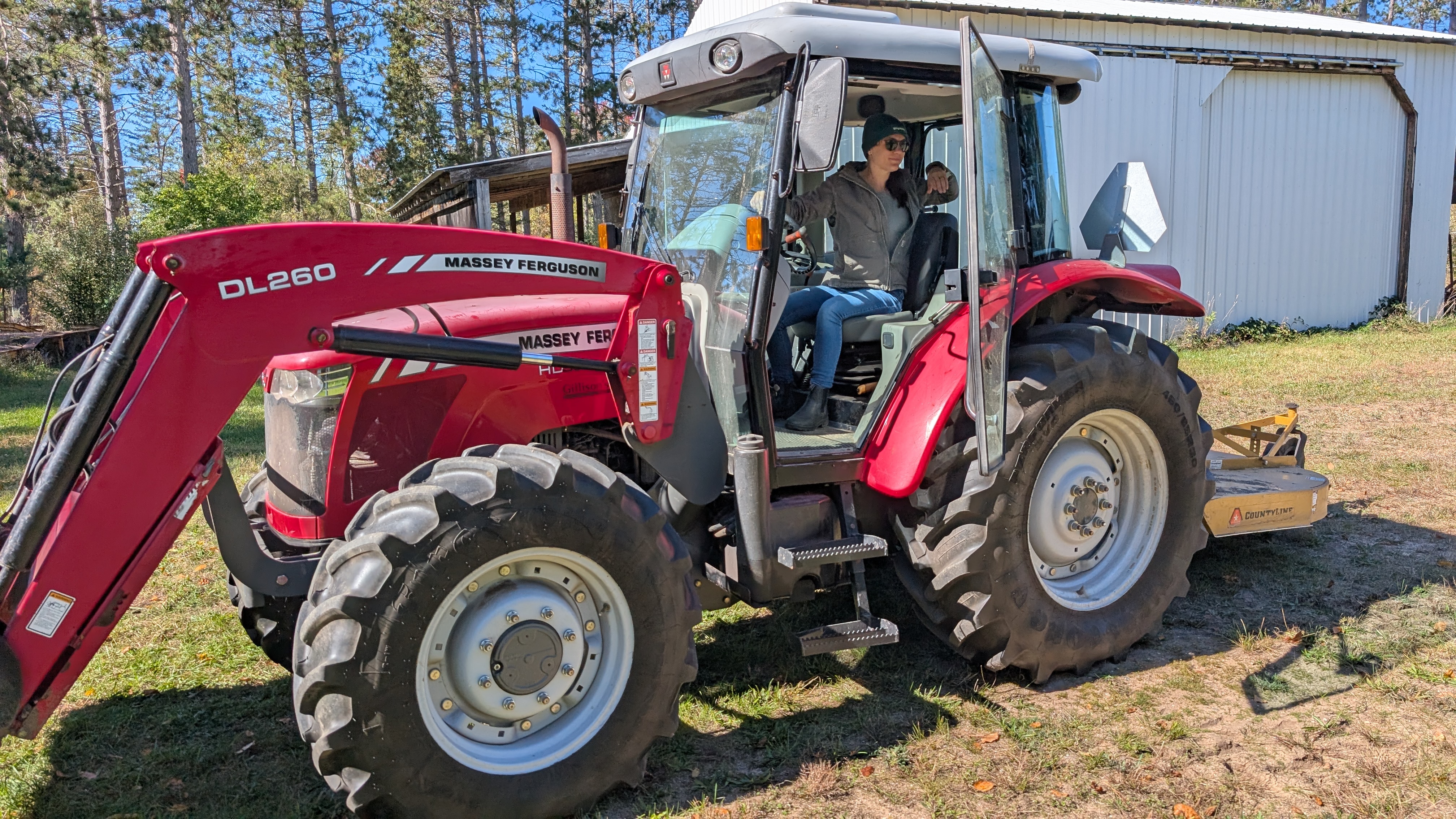
Finally, a note on sedentary behavior. Sedentary behavior is a term used to describe long periods of sitting or other low-movement activities during waking hours. While typically associated with working in an office, farmers also spend long hours in tractors, combines, trucks, skid steers and other equipment. During harvest, planting, and spraying seasons, these long periods of sitting can add up quickly. Research suggests that prolonged sedentary time is linked to a range of negative physical and mental health outcomes, even among individuals who are otherwise physically active. When it is that time of year and you are seated for extended periods, make up for it by moving a little extra when you can. You can do simple back flexion and arm movements even while sitting. View for ideas that can be incorporated throughout the workday.
The goal is not to become an athlete. It is to stay healthy, capable and independent so you can continue doing the work and activities that matter most to you. Even small changes, such as adding a few strength exercises, regularly going on a bike ride with a family member or incorporating stretching and movement breaks throughout the day, can make a meaningful difference in long-term health and well-being.
This information is for educational purposes only. Reference to commercial products or trade names does not imply endorsement by MSU Extension or bias against those not mentioned.
This work was supported by the AgrAbility Competitive Program of the USDA National Institute of Food and Agriculture (NIFA), grant number 2022-41590-38121.